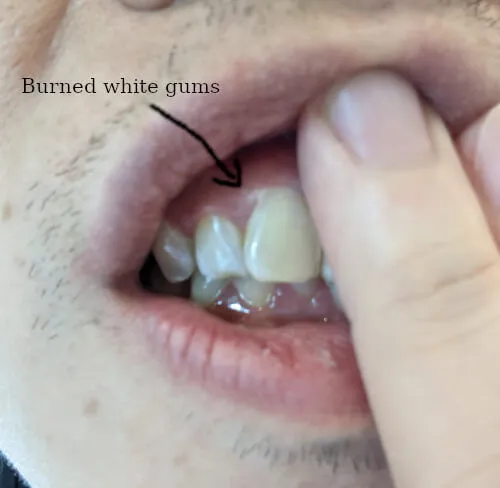
Teeth whitening gels are a popular way to achieve a brighter smile, but they can sometimes lead to an unpleasant side effect burning gums. This article explores the causes of this issue and provides practical tips to prevent it. We’ll delve into the science behind the problem, offering solutions and alternative whitening methods to ensure a comfortable and effective teeth-whitening experience. Understanding the potential causes allows you to make informed choices and maintain optimal oral health while pursuing a dazzling smile. This guide aims to provide comprehensive information to navigate the world of teeth whitening gels safely and effectively, focusing on the delicate balance between achieving desired results and protecting your gums.
What Causes Burning Gums from Teeth Whitening Gel?
Several factors contribute to the burning sensation that some people experience when using teeth whitening gel. The primary culprit is often the active ingredient, which is usually hydrogen peroxide or carbamide peroxide. These chemicals break down stains on the teeth but can irritate the soft tissues of the gums if they come into contact with them. The degree of irritation varies depending on several factors, including the concentration of the whitening agent, the method of application, and individual sensitivity. A thorough understanding of these elements is key to mitigating the risk of gum irritation and achieving a comfortable teeth-whitening experience.
Hydrogen Peroxide’s Role
Hydrogen peroxide is a powerful oxidizing agent that penetrates the enamel of the teeth to break down stains. However, at higher concentrations, it can be quite harsh, causing the gums to burn. When the gel comes into contact with the gum tissue, it can cause a chemical burn, leading to redness, swelling, and a burning sensation. The body’s natural response to this irritation is inflammation, which can make the gums feel sensitive and uncomfortable. The intensity of the reaction often depends on the amount of peroxide and the duration of exposure. Careful application is crucial to avoid excessive contact with the gums.
Concentration Levels

The concentration of hydrogen peroxide in teeth whitening gels significantly impacts the likelihood of gum irritation. Over-the-counter products typically contain lower concentrations, often around 3% to 10%, which are generally considered safe when used as directed. Professional whitening treatments administered by a dentist can use much higher concentrations, sometimes up to 40%. While these stronger gels can yield quicker and more dramatic results, they also carry a higher risk of causing gum irritation. It is essential to choose a product with a concentration appropriate for your needs and sensitivity levels, and to strictly adhere to the instructions for use.
Application Methods
The way you apply teeth whitening gel also plays a crucial role in preventing gum irritation. Gels are often used with trays that fit over your teeth, ensuring even coverage and minimizing contact with the gums. Improper use of these trays, such as overfilling them or not fitting them correctly, can lead to the gel leaking onto the gums, increasing the risk of burning. Another application method involves using a brush to apply the gel directly to the teeth. This method requires careful precision to avoid contact with the gum line. Regardless of the application method, it is vital to follow the product instructions meticulously to minimize any potential for gum irritation.
Top 5 Tips to Prevent Burning Gums
Choose the Right Gel
When selecting a teeth whitening gel, opt for a product with a lower concentration of hydrogen peroxide, especially if you have sensitive gums. Over-the-counter options typically have lower concentrations and are a good starting point. If you are unsure, consult with your dentist, who can recommend a product best suited for your individual needs and sensitivity levels. Reading reviews and researching different brands can provide valuable insights into product effectiveness and potential side effects. Choosing a gel that balances whitening power with gum safety is essential for a positive experience.
Proper Application Techniques
Meticulous application is paramount to prevent gum irritation. If using trays, ensure they fit snugly and do not allow gel to leak onto your gums. Apply a small amount of gel to each tooth surface, and avoid overfilling the tray. If using a brush-on product, carefully apply the gel only to the teeth, avoiding the gum line. Consider using a cotton swab to remove any excess gel that might come into contact with your gums. Always follow the product’s instructions regarding application duration and frequency. Using the right techniques will increase the likelihood of a comfortable and effective whitening treatment.
Limit Application Time
Adhering to the recommended application time is crucial to minimize the risk of gum irritation. Leaving the gel on your teeth for longer than directed increases the chance of the whitening agent irritating your gums. Most over-the-counter products suggest application times ranging from a few minutes to half an hour. Professional treatments may involve longer sessions, but they are administered under the supervision of a dentist who can monitor your gums for any adverse reactions. If you notice any discomfort or burning, remove the gel immediately, and rinse your mouth with water. Shortening the application time will decrease the chances of burning gums.
Use a Tray Properly
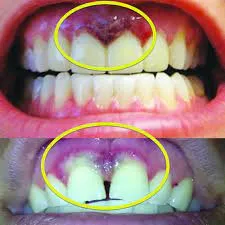
When using whitening trays, ensuring a proper fit is crucial. Ill-fitting trays can allow the gel to seep onto your gums, leading to irritation. Before using a tray, make sure it is clean and dry. Apply a small amount of gel to the tray, following the product instructions. Carefully insert the tray into your mouth, ensuring that it fits snugly around your teeth. Avoid biting down hard on the tray, as this can cause the gel to squeeze out. Regularly inspect the tray during the whitening process for any leakage. Proper tray use maximizes the effectiveness of the whitening process while protecting your gums from irritation.
Consider Sensitivity-Reducing Products
If you have sensitive teeth or gums, consider using products designed to reduce sensitivity before, during, and after your whitening treatment. Toothpastes containing potassium nitrate can help desensitize your teeth, making them less susceptible to irritation. Ask your dentist about pre-treatment options, such as fluoride applications, which can strengthen your enamel and protect your gums. If you experience any discomfort, pause the whitening treatment for a few days and resume it once your gums have healed. Taking these precautions can significantly improve your experience by minimizing any discomfort associated with whitening.
What to Do if Your Gums Burn
Rinse with Water

If you experience burning gums, the first step is to rinse your mouth thoroughly with water. This helps to remove any remaining gel and dilute the irritating chemicals. Rinse gently and repeatedly, ensuring you reach all areas of your mouth. Avoid using mouthwashes that contain alcohol, as they can exacerbate the irritation. Rinsing with water is a simple yet effective way to soothe your gums and prevent further discomfort. It’s also a good practice to rinse your mouth after each application to minimize any potential irritation.
Avoid Harsh Products
When your gums are irritated, avoid using harsh oral hygiene products such as abrasive toothpastes, alcohol-based mouthwashes, or strong mouthwashes. These products can worsen the burning sensation and delay the healing process. Instead, use a gentle toothpaste formulated for sensitive teeth. Consider using a saline rinse, which can help soothe the gums and promote healing. Be gentle when brushing and flossing, and avoid irritating the affected areas. Opting for gentle products and practices can help the gums recover and prevent further irritation.
Consult a Dentist
If the burning sensation persists or worsens, consult your dentist. They can examine your gums to determine the extent of the irritation and recommend appropriate treatment. Your dentist can assess the cause and suggest alternatives if necessary. They may recommend a desensitizing treatment to soothe your gums and alleviate discomfort. Consulting a dentist can also help rule out any underlying dental issues and ensure you receive the best possible care. Seeking professional advice is essential for managing persistent symptoms and ensuring proper oral health.
Alternative Whitening Methods

Whitening Toothpaste
Whitening toothpastes can be a gentler alternative to teeth whitening gels, although they typically offer less dramatic results. These toothpastes often contain mild abrasives or chemicals that help remove surface stains. They are generally safe for everyday use and are less likely to cause gum irritation. While whitening toothpastes may not provide the same level of whitening as gels, they can contribute to a brighter smile over time and can be a good option for those with sensitive gums. Using them can be a practical alternative if you want to improve your smile’s appearance without the risk of burning gums.
Professional Whitening Treatments
If you are seeking more substantial results than whitening toothpastes can provide, consider professional whitening treatments. Dentists offer in-office whitening procedures using high-concentration gels and specialized equipment. They can also provide custom-fitted trays for at-home whitening, ensuring a proper fit and minimizing the risk of gum irritation. Professional treatments are often more effective than over-the-counter options, as they can penetrate deeper into the enamel. While these treatments may be more expensive, the dentist can also monitor the procedure closely and address any side effects promptly. This ensures the best possible experience and results, offering a balanced approach to achieving a whiter smile.
Conclusion

Teeth whitening gels can be a successful way to brighten your smile, but understanding the potential for burning gums and taking preventive measures are crucial. By choosing the right product, applying it correctly, and following all instructions, you can minimize the risk of irritation and achieve the desired results. If you experience burning gums, take appropriate action, and consult with your dentist for further guidance. Alternative whitening methods can provide options for those who are more sensitive or looking for a gentler approach. With the right knowledge and practices, you can confidently pursue a whiter smile while maintaining optimal oral health and comfort.