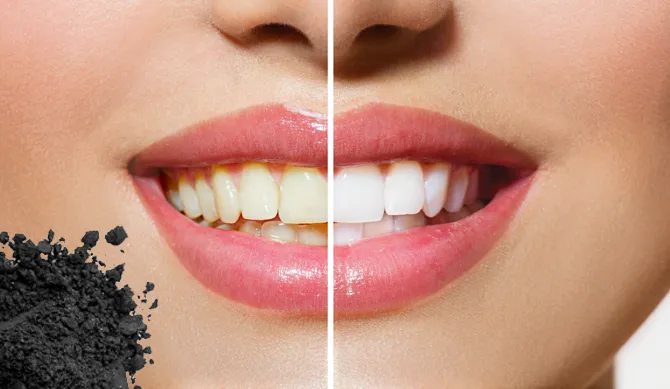
What is Charcoal Powder Teeth Whitening
Charcoal teeth whitening is a popular method for brightening your smile using activated charcoal. This substance, derived from sources like coconut shells or wood, is processed to increase its absorbency. The porous nature of activated charcoal allows it to attract and bind to stains and impurities on the teeth, potentially leading to a whiter appearance. Unlike some chemical whitening treatments, charcoal teeth whitening is often touted as a natural alternative. While the effectiveness varies from person to person, many individuals turn to charcoal powder to remove surface stains caused by coffee, tea, wine, and other foods. It is essential, however, to understand how it works, how to use it correctly, and the potential risks involved before incorporating it into your oral hygiene routine. The main goal is to help you achieve a brighter, cleaner smile in a safe and effective manner.
How Charcoal Whitens Teeth
The primary mechanism behind charcoal teeth whitening is its abrasive action and adsorption properties. Activated charcoal has a rough texture that helps it scrub away surface stains from the enamel. As you brush, the charcoal particles gently remove the stain molecules that adhere to the tooth’s surface. Additionally, activated charcoal is highly absorbent, meaning it can bind to substances. In the context of teeth whitening, this adsorption process helps to pull out impurities and stains. It’s important to note that charcoal mainly targets surface stains and might not significantly alter the intrinsic color of your teeth. Its effectiveness is, therefore, best suited for removing stains from food, drinks, and tobacco, making your teeth appear brighter and cleaner. This process does not chemically alter the tooth enamel, but relies on physical removal of staining particles.
Choosing the Right Charcoal Powder

Not all charcoal powders are created equal. Selecting the right type is crucial for both effectiveness and safety. Make sure to opt for activated charcoal specifically designed for teeth whitening. This kind of charcoal is typically made from coconut shells or other natural sources and processed to be highly absorbent. Avoid using charcoal from fire pits or other non-food-grade sources, as these may contain harmful chemicals or impurities. When choosing a product, look for fine, food-grade charcoal powders. The finer the powder, the less abrasive it will be, reducing the risk of enamel damage. Also, consider charcoal powders that are flavored with natural ingredients like mint, which can improve the taste and freshness. Research the brand and read reviews to ensure it is a reputable product with no reported adverse effects. Checking for certifications from health organizations is also a good way to ensure product quality and safety.
Activated Charcoal vs Regular Charcoal
The key difference between activated charcoal and regular charcoal lies in their processing and intended use. Regular charcoal, often found in grills, is primarily made from wood and has a rougher texture with fewer absorbent properties. It is not suitable for teeth whitening and could potentially damage your enamel. Activated charcoal, on the other hand, is treated with oxygen at high temperatures to create a highly porous structure. This activation process increases its surface area and enhances its ability to adsorb and bind to stains and toxins. Due to its heightened absorptive qualities, activated charcoal is ideal for removing surface stains from teeth. Regular charcoal does not have this same capacity and is therefore ineffective. It is essential to only use activated charcoal derived from safe sources and processed for oral use. Always ensure you are choosing the right product to maximize results and minimize potential harm.
Finding High-Quality Charcoal Powder
Finding high-quality charcoal powder is essential to ensure both effectiveness and safety. Start by researching reputable brands that specialize in oral care products. Look for products made from natural sources like coconut shells or sustainably sourced wood. Read customer reviews to gauge the product’s performance and any potential side effects. Ensure that the charcoal powder is food-grade, meaning it is safe for ingestion and use in the mouth. Check for any certifications or approvals from health organizations, which indicate that the product meets certain quality standards. Pay attention to the fineness of the powder; the finer the powder, the less abrasive it will be on your enamel. Avoid products with added chemicals, artificial flavors, or sweeteners. A good charcoal powder should have a neutral taste or be lightly flavored with natural ingredients such as mint or essential oils. Finally, purchase from trusted retailers or online stores to avoid counterfeit products and ensure you receive a high-quality product.
How to Use Charcoal Powder Step-by-Step

Using charcoal powder effectively requires following a specific process to achieve the best results and minimize any risks. First, wet your toothbrush and dip it into the charcoal powder, ensuring a light coating. Avoid applying too much powder, as this can increase abrasiveness. Next, gently brush your teeth for about two minutes, focusing on all surfaces. Use small, circular motions to avoid damaging your enamel. After brushing, spit carefully into the sink, and rinse your mouth thoroughly with water until all charcoal residue is gone. You may need to repeat rinsing several times to ensure your mouth is completely clean. Finally, brush your teeth with your regular toothpaste to remove any remaining charcoal particles and provide a fluoride treatment to strengthen your enamel. Following these steps will help you safely and effectively incorporate charcoal powder into your oral hygiene routine.
Prepare Your Charcoal Mixture
Before using charcoal powder, it’s important to prepare the mixture correctly to ensure the best results. Start by selecting a high-quality activated charcoal powder designed for teeth whitening. You can use a clean, small dish or container to hold the powder. Wet your toothbrush slightly before dipping it into the charcoal powder. Avoid using too much powder; a small amount is sufficient. You can also mix the charcoal powder with a small amount of water to create a paste-like consistency, making it easier to apply to your teeth. For those sensitive to taste or for added freshness, you can add a drop of peppermint essential oil or a pinch of baking soda to the mixture. However, always rinse thoroughly after use. Ensuring your mixture is properly prepared will help you avoid any potential mess and ensure a more effective cleaning process. Always remember to rinse your mouth thoroughly after brushing with charcoal powder.
Brushing Technique for Charcoal Whitening
The brushing technique is crucial when using charcoal powder to protect your enamel and maximize whitening results. Use a soft-bristled toothbrush to minimize abrasiveness. Apply the charcoal powder to your wet toothbrush lightly, ensuring you don’t overload it. Gently brush your teeth in small, circular motions, covering all surfaces, including the front, back, and chewing surfaces. Avoid brushing too vigorously, as this can damage your enamel. Brush for about two minutes, paying attention to areas with staining. After brushing with charcoal, spit carefully into the sink, as the mixture can be messy. Rinse your mouth thoroughly with water, repeating until all charcoal residue is removed. For added protection, follow up by brushing with your regular toothpaste. This helps to remove any remaining charcoal particles and provide a fluoride treatment to strengthen your teeth. A gentle and consistent brushing technique is key to achieving a brighter smile safely.
Precautions and Safety Tips for Charcoal Use

While charcoal powder can offer teeth-whitening benefits, it’s essential to use it with caution. One of the primary concerns is abrasiveness. Over-brushing or using too much charcoal can wear down tooth enamel, making your teeth more vulnerable to decay and sensitivity. To mitigate this risk, always use a soft-bristled toothbrush and avoid applying excessive pressure. Limit the frequency of charcoal powder use to a few times per week, not daily. Consult with your dentist before incorporating charcoal into your routine, especially if you have any existing dental issues or sensitivities. Charcoal can interact with certain medications or treatments, so seeking professional advice is always recommended. Be mindful of potential staining to your sink and surrounding surfaces, and clean up spills immediately. Consider using charcoal powder as part of a comprehensive oral hygiene routine, which includes regular brushing with toothpaste, flossing, and dental check-ups.
Potential Side Effects
While charcoal teeth whitening is generally considered safe when used correctly, it can cause several side effects. The most common concern is increased tooth sensitivity due to enamel erosion. Over time, excessive use of charcoal can wear down the protective enamel, exposing the underlying dentin, which contains nerve endings. This can result in sensitivity to hot or cold foods and drinks. Another potential side effect is staining of dental work such as fillings, crowns, or veneers. Since charcoal is a porous substance, it can discolor these materials, causing them to appear darker. Additionally, some individuals may experience gum irritation or inflammation if they brush too aggressively or use excessive amounts of charcoal. In rare cases, the abrasive action of charcoal can contribute to gum recession. If you experience any adverse effects, discontinue use immediately and consult with your dentist. Always prioritize your oral health and seek professional guidance if you have any concerns.
Maintaining Your Results After Whitening
Maintaining the results of charcoal teeth whitening requires consistent oral hygiene and lifestyle adjustments. Continue to brush your teeth twice daily with regular toothpaste, and floss once a day to remove food particles and plaque. Avoid or limit the consumption of foods and drinks that can stain your teeth, such as coffee, tea, red wine, and berries. If you do consume staining foods, brush your teeth soon afterward to minimize their impact. Consider using a whitening toothpaste to help maintain brightness and remove surface stains. Regular dental check-ups and professional cleanings are crucial for removing stubborn stains and ensuring overall oral health. Avoid tobacco products, as they are a major cause of tooth discoloration. Additionally, using a straw when drinking staining beverages can help minimize direct contact with your teeth. By following these tips, you can prolong the effects of charcoal teeth whitening and keep your smile looking its best.
Other Benefits of Charcoal Powder for Oral Health

Besides teeth whitening, charcoal powder offers several other potential benefits for oral health. It can help remove surface stains, contributing to fresher breath by absorbing odor-causing compounds. Charcoal’s absorbent properties may assist in reducing plaque and bacteria in the mouth, contributing to overall oral hygiene. Some users report feeling a smoother, cleaner mouth after using charcoal. However, it’s important to approach these benefits with realistic expectations. Charcoal is not a replacement for professional dental care or traditional oral hygiene practices like brushing and flossing. Furthermore, the benefits are primarily related to surface cleaning and stain removal. For more comprehensive oral health, a complete routine, including regular dental check-ups, fluoride treatments, and a balanced diet is essential. Using charcoal powder should be considered as a supplementary method within a broader approach to oral hygiene rather than a standalone solution.
Alternatives to Charcoal Powder Teeth Whitening
Several alternatives to charcoal powder exist for those seeking teeth whitening. Over-the-counter whitening toothpaste and strips often contain hydrogen peroxide or other bleaching agents, which can penetrate the enamel and lighten the teeth’s intrinsic color. Professional teeth whitening performed by a dentist is another option, offering stronger bleaching agents and more controlled results. For a more natural approach, consider oil pulling with coconut oil, which can help remove bacteria and improve oral hygiene. Maintaining a good oral hygiene routine, including regular brushing, flossing, and professional cleanings, can also prevent stains and keep your teeth looking their best. Dietary changes, such as reducing consumption of staining foods and drinks, can also help maintain a brighter smile. The best whitening method depends on your individual needs, preferences, and oral health. Always consult with your dentist to determine the most suitable and safe options for your teeth.