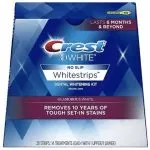
Understanding Crest Whitening Strips
Crest Whitening Strips have become a popular choice for achieving a brighter smile at home. These convenient strips are designed to adhere to your teeth and deliver whitening agents directly to the enamel. They offer a less expensive and more accessible alternative to professional teeth whitening treatments, making them a favorite for those seeking a quick cosmetic boost. Understanding how these strips work, along with the best practices for use, can significantly enhance your results and ensure you’re using them safely. The effectiveness of Crest Whitening Strips depends greatly on following the instructions and incorporating them into a comprehensive oral care routine.
How Crest Whitening Strips Work
The mechanism behind Crest Whitening Strips is relatively simple but highly effective. Each strip is coated with a peroxide-based whitening agent, which penetrates the enamel to break down stains and discoloration. When applied to the teeth, the strip creates a close contact environment, allowing the whitening agent to work without being washed away by saliva or other factors. This controlled environment enables the active ingredients to target stains effectively. The duration of application and the concentration of the whitening agent influence the degree of whitening achieved. Consistent and correct use, along with following the product’s guidelines, is vital to maximize the benefits and minimize any potential sensitivity.
The Active Ingredients in Crest Strips

The primary active ingredient in Crest Whitening Strips is hydrogen peroxide or, in some formulations, carbamide peroxide. Both of these compounds are effective bleaching agents that oxidize the molecules responsible for tooth discoloration. Hydrogen peroxide is generally used in higher concentrations in professional treatments, while in-home strips typically contain lower concentrations to ensure safety and reduce the risk of sensitivity. The concentration and the duration of use are key factors influencing the effectiveness of the strips. The strips may also contain other inactive ingredients like adhesives to ensure the strips stick effectively to the teeth and keep the whitening agent in contact with the enamel. Understanding the role of each ingredient can help users make an informed decision and manage their expectations effectively.
Optimizing Results with Crest Whitening Strips
Timing Your Routine
Timing plays a crucial role in maximizing the effectiveness of Crest Whitening Strips. The ideal timing involves adhering to the manufacturer’s instructions regarding application duration and frequency. Most strips recommend application once or twice daily for a specific duration, usually ranging from 30 minutes to an hour, depending on the product. Consistency is key; skipping applications or varying the treatment time can reduce the effectiveness. It’s also important to integrate the strips into your overall oral hygiene routine thoughtfully. Avoid using other oral care products, such as mouthwash, immediately before or after using the strips, as they might interfere with the whitening process. Adhering to a consistent schedule helps in achieving and maintaining the desired results.
Brushing Before Crest Strips

It’s often recommended to brush your teeth before applying Crest Whitening Strips. Brushing removes plaque and debris that could potentially hinder the whitening agent’s contact with your enamel. However, it’s crucial to do this at least 30 minutes to an hour before applying the strips. This waiting period allows your saliva to re-establish itself and re-mineralize the enamel. Avoid brushing your teeth immediately before applying the strips, as this may increase sensitivity. Always rinse your mouth with water after brushing to remove any residual toothpaste, ensuring the strips can adhere properly and the whitening agent can work effectively. Clean teeth will help the strips to work efficiently and can lead to better overall results.
Brushing After Crest Strips
The question of whether or not to brush after using Crest Whitening Strips is a significant one. Generally, it’s advisable to avoid brushing immediately after removing the strips. The enamel is slightly softened during the whitening process, and brushing too soon can potentially cause abrasion or increase sensitivity. Experts recommend waiting for at least 30 minutes to an hour after removing the strips before brushing your teeth. This allows your teeth to re-mineralize and become less susceptible to damage. Brushing too soon can also remove some of the whitening agents that have not fully penetrated the enamel. It’s essential to exercise patience to protect your teeth and achieve the best whitening results.
Recommended Wait Time
The recommended wait time after using Crest Whitening Strips before brushing your teeth is typically between 30 minutes to an hour. This period allows the enamel to settle and the whitening agents to continue working effectively. Waiting for the recommended time minimizes the risk of sensitivity and potential enamel damage. It allows saliva to re-mineralize the teeth, making them stronger and less prone to abrasion. Adhering to this waiting period is a key factor in a successful whitening experience, ensuring you maintain the integrity of your teeth while achieving your desired brighter smile. Be patient and let your teeth recover naturally before resuming your regular oral hygiene routine.
Why Wait is Important

Waiting before brushing after using Crest Whitening Strips is crucial for several reasons. First, it protects the enamel, which can be temporarily more porous and sensitive after the whitening treatment. Second, it allows the whitening agents to continue their work, penetrating the enamel to break down stains. Third, it reduces the risk of abrasion, as brushing immediately after may remove some of the active agents or cause microscopic damage. Patience is vital because it facilitates the re-mineralization of your teeth, which strengthens the enamel and reduces the likelihood of sensitivity. Following these guidelines contributes to a safer and more effective teeth whitening experience.
Other Important Aftercare Tips
Avoiding Staining Foods and Drinks
To maintain your whitened smile, it’s essential to be mindful of what you consume. Certain foods and drinks can stain your teeth, negating the effects of the whitening strips. Common culprits include coffee, tea, red wine, dark-colored sodas, and foods like berries, soy sauce, and tomato-based sauces. Minimize your intake of these items, particularly during and immediately after your whitening treatment. If you do consume them, rinse your mouth with water afterward to reduce the staining potential. Consider using a straw when drinking staining beverages to minimize direct contact with your teeth. Being proactive in your diet can help you prolong your results and keep your smile bright.
Using Fluoride Toothpaste

Fluoride toothpaste plays a critical role in maintaining the health and appearance of your teeth, especially after using Crest Whitening Strips. Fluoride helps strengthen the enamel, making your teeth more resistant to decay and sensitivity. After your whitening treatment, brushing with fluoride toothpaste helps re-mineralize the enamel and protect your teeth. This will counteract any temporary porosity that may occur due to the whitening process. Use a toothpaste with the appropriate fluoride concentration as recommended by your dentist. Consistent use of fluoride toothpaste, along with other oral hygiene practices, will enhance the longevity of your whitened smile.
Maintaining Your Results
Regular Dental Checkups
Regular visits to your dentist are crucial for maintaining the results of your Crest Whitening Strips and ensuring overall oral health. Your dentist can monitor the effectiveness of your whitening treatment, check for any potential issues, and provide professional cleaning to remove surface stains. Professional cleanings can complement your at-home whitening routine, helping you maintain a brighter smile. Regular dental checkups also provide an opportunity to discuss any sensitivity or concerns you may have. Follow the dentist’s recommendations for cleanings, which can help you preserve your results and identify other oral health needs.
Touch-Up Treatments

To maintain your bright smile, consider touch-up treatments. You may need to use Crest Whitening Strips periodically after your initial treatment to maintain the desired results. These touch-up treatments can be adjusted to suit your individual needs and lifestyle. For example, using the strips once a month or as needed can help keep your teeth looking their best. The frequency of these touch-up sessions may vary based on your diet, oral hygiene habits, and individual sensitivity. Be consistent with your routine, and consult your dentist for advice on how often you should do touch-ups. These touch-up treatments will help you maintain a bright, confident smile.