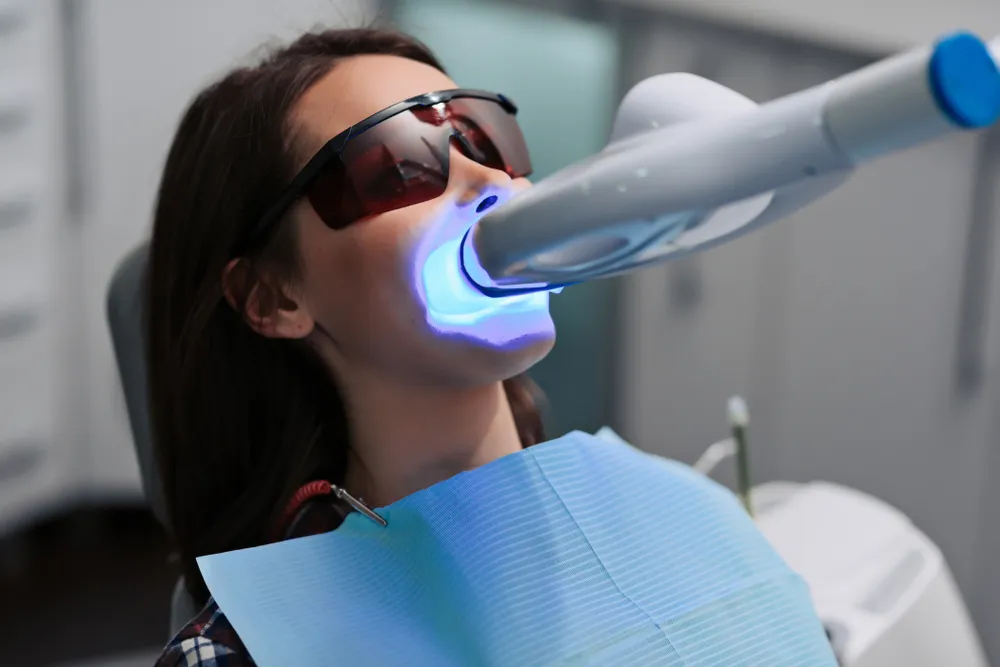
What is Free Teeth Whitening?
Free teeth whitening is a sought-after service, but it’s essential to understand what it entails. While professional teeth whitening can be expensive, there are avenues to explore the possibility of getting it done without a hefty bill. Free teeth whitening usually involves specific circumstances, such as participating in dental school programs or clinical trials. It’s important to understand that free services often come with certain considerations, like limited availability and the potential involvement of student dentists or experimental treatments. The goal of offering these free services is often to provide training opportunities for dental students or to test the efficacy of new whitening products and techniques. Consequently, the process might take longer than a standard whitening procedure performed in a private practice, and it might also require more follow-up appointments. However, for those who qualify, it can be an effective way to achieve a brighter smile without the usual financial burden. Understanding the process and the potential benefits versus drawbacks is crucial before making a decision.
Types of Free Teeth Whitening Options
The types of free teeth whitening options available typically fall into a few main categories. Dental schools are a primary source, where students, under the supervision of experienced faculty, perform the whitening procedures. Another option can be clinical trials or research studies conducted by dental product manufacturers or universities. These trials often offer free whitening treatments to participants who meet specific criteria. Additionally, there might be occasional promotions or giveaways by dental practices, though these are less common. Another avenue is to check for community outreach programs that occasionally provide free or discounted dental services, including whitening, especially in underserved areas. However, availability can vary significantly based on location, current research projects, and the specific needs of the dental institutions involved. Therefore, prospective patients should research locally and be patient in their search, as these opportunities are often limited and require careful planning.
Free Teeth Whitening from Dental Schools

Dental schools represent a significant opportunity for accessing free or significantly reduced-cost teeth whitening services. These institutions train future dentists, and they often provide comprehensive dental care, including cosmetic procedures like teeth whitening, at lower rates. The students, under the direct supervision of licensed and experienced faculty, perform the treatments. This setup ensures a degree of quality control and safety, even though the process might take longer than a visit to a regular dental practice. The benefit of getting whitening done at a dental school includes reduced cost and the potential for receiving care from multiple professionals who are actively learning and following current best practices. It’s also an opportunity to contribute to the education of future dentists, allowing them to gain hands-on experience. Dental schools typically have well-equipped clinics and follow the same sterilization and safety protocols as private practices. The main caveat is the time commitment, as appointments can take longer, and there might be more frequent follow-up visits required to ensure the procedure’s effectiveness and the patient’s oral health.
How to Find Dental Schools
Finding dental schools that offer free or low-cost teeth whitening involves several steps. Begin by conducting an online search for dental schools within your geographic area. Most schools have websites that provide detailed information about their clinics, the services they offer, and how to become a patient. You can also contact the admissions or patient services departments directly to inquire about cosmetic procedures, including teeth whitening, and associated costs. Look for schools with comprehensive patient programs, which typically provide a wider range of services. Another valuable resource is the American Dental Association (ADA) website, which provides a directory of accredited dental schools. Once you identify potential schools, carefully review their requirements for becoming a patient; some might require an initial screening or consultation before proceeding with whitening. Keep in mind that availability can vary depending on the school’s curriculum and current patient needs. Therefore, it is important to be proactive, contact multiple schools, and be prepared to schedule appointments well in advance, as these services can be in high demand.
What to Expect During a Free Whitening Session
During a free teeth whitening session, whether at a dental school or a clinical trial, patients can expect a comprehensive process that begins with an initial consultation and examination. The dentist or student dentist will assess your oral health, check for any existing dental work, and evaluate the current shade of your teeth. They will discuss the expected results and any potential risks or sensitivities associated with the whitening procedure. The actual whitening process typically involves the application of a whitening agent, usually a hydrogen peroxide-based gel, to the teeth. The process may use a special light to activate the whitening agents and enhance the effect. The duration of the session can vary depending on the method used, but it typically takes about an hour, and multiple sessions might be required to achieve the desired results. You may experience some sensitivity during or after the treatment, but the dental professionals will guide you through the process and provide advice on managing any discomfort. After the treatment, you will receive instructions on how to maintain your newly whitened smile, including tips on oral hygiene and diet to prevent staining.
Free Whitening from Dental Trials

Participating in dental trials is another path to getting free teeth whitening. These trials are usually conducted by dental product manufacturers or universities to test the efficacy and safety of new whitening products and techniques. Participants typically receive free treatments as part of the study protocol. The criteria to participate in these trials can vary significantly. Some studies might target people with specific types of tooth discoloration, while others might focus on individuals with healthy teeth looking for cosmetic enhancement. Participants must undergo a screening process to ensure they meet the trial’s requirements. This can include a dental examination, health history review, and possibly X-rays. Those who are accepted into the trial will receive the whitening treatment, often using the latest whitening technology or new formulations of whitening agents. While the treatment is free, participants are often required to attend follow-up appointments to monitor the results and report any adverse effects. The duration of the trial can vary, sometimes extending over several weeks or months, depending on the study’s design.
How to Find Dental Trials
Locating dental trials that offer free teeth whitening requires diligent research and a proactive approach. Start by searching online databases like ClinicalTrials.gov, which lists clinical studies conducted worldwide, including dental trials. Use keywords like “teeth whitening” and “clinical trial” along with your location to narrow down the search. Check the websites of dental schools and research universities, as they often post information about ongoing studies and recruitment efforts. Also, keep an eye on advertisements in local newspapers, magazines, and community boards, as researchers may announce trials through various media channels. Contact local dental practices and inquire if they are participating in any clinical trials or know of any upcoming studies. Before applying for a trial, carefully review the eligibility criteria, the treatment protocols, and the commitment required. It is essential to fully understand the risks and benefits of participating in a clinical study. Be prepared for the possibility that you might not qualify for every trial, as specific inclusion criteria are required. By being persistent and thorough in your search, you increase your chances of finding a suitable trial.
Risks and Benefits of Free Teeth Whitening
Free teeth whitening has both advantages and disadvantages. On the benefits side, the primary draw is the cost savings. It makes professional teeth whitening accessible to individuals who might otherwise not be able to afford it. Participating in clinical trials or seeking services at dental schools can provide an opportunity to receive high-quality dental care and improve your smile. Another benefit is the potential to benefit from new and advanced whitening techniques that may not be widely available. The main risks associated with free teeth whitening include the potential for increased treatment time and the possibility of experiencing more sensitivity after the procedure. In dental school settings, the procedures might take longer due to the student dentists’ learning process, which can cause a prolonged chair time. Another concern is the lack of control over the choice of whitening products or methods, as participants are typically subject to the trial’s or clinic’s protocols. Make sure you consider the potential risks and benefits to decide if it aligns with your needs and expectations. Thoroughly research any trials or programs and consult with a qualified dental professional to ensure the treatment suits your oral health.
Alternatives to Free Teeth Whitening

If you are unable to access free teeth whitening, several affordable alternatives are available. Over-the-counter whitening products, such as whitening toothpaste, strips, and gels, are readily available at most drugstores. Whitening toothpastes work by removing surface stains, which can provide a subtle improvement in tooth color. Whitening strips and gels contain a mild concentration of peroxide that whitens teeth over time. These are generally less effective than professional treatments but offer a cost-effective option. Another option is to consider professional whitening treatments offered by dental practices, but ask about payment plans or financing options. Many practices offer discounts, especially during certain times of the year or for new patients. Discuss your budget and options with your dentist, and explore the possibility of less expensive whitening options, such as custom-made trays with lower-concentration bleaching agents. Maintaining good oral hygiene practices, including regular brushing, flossing, and professional cleanings, is also vital for maintaining a bright smile. These alternatives provide a balance between affordability and effectiveness, allowing you to achieve a brighter smile.
Maintaining Your White Smile After Free Whitening
Maintaining your white smile after a free teeth whitening treatment is crucial for long-lasting results. After the whitening session, it’s essential to follow a strict oral hygiene routine, which includes brushing your teeth at least twice a day with a whitening toothpaste and flossing daily to remove plaque and food particles. Avoid consuming foods and beverages that can stain your teeth, such as coffee, tea, red wine, and dark-colored berries. If you consume these items, rinse your mouth with water immediately afterward to minimize staining. Consider using a straw when drinking staining beverages to reduce contact with your teeth. Regular dental check-ups and professional cleanings are also essential. Your dentist can remove any surface stains and help maintain the brightness of your teeth. If you smoke or use tobacco products, consider quitting or reducing your consumption, as these habits can significantly affect tooth color. Using a whitening toothpaste or a touch-up kit recommended by your dentist can also help to maintain your smile’s brightness. By implementing these strategies, you can enjoy the benefits of your free teeth whitening for an extended period.