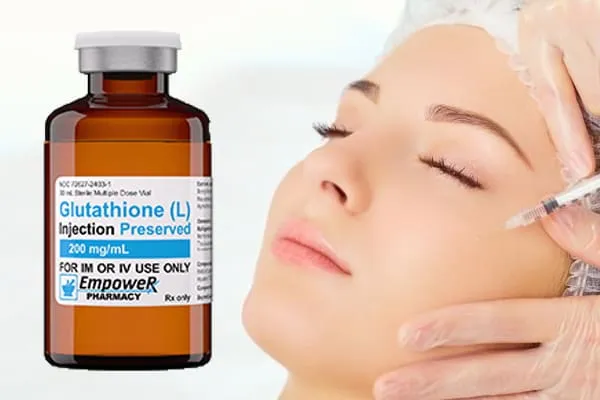
What is Glutathione and How Does it Work?
Glutathione, often hailed as the ‘mother of all antioxidants,’ is a naturally occurring substance in the body. It’s a tripeptide molecule, meaning it’s made up of three amino acids: cysteine, glycine, and glutamate. Its primary functions involve neutralizing free radicals, supporting the immune system, and aiding in detoxification. In the context of skin whitening, glutathione’s mechanism revolves around its ability to inhibit melanin production. Melanin is the pigment responsible for skin color, and by reducing its production, glutathione can lead to a lighter skin tone. This process is achieved through several pathways, including the direct scavenging of free radicals and the interaction with the enzyme tyrosinase, which plays a crucial role in melanin synthesis. Therefore, understanding the basics of glutathione is essential before embarking on the skin whitening journey, as it sets the foundation for appreciating the procedure’s potential and limitations.
The Role of Glutathione in Skin Whitening
The efficacy of glutathione in skin whitening stems from its ability to disrupt the melanin production process. Melanin, produced by melanocytes, exists in two primary forms: eumelanin (dark) and pheomelanin (light). Glutathione influences this process by converting eumelanin to pheomelanin, which results in a lighter skin tone. This is achieved through the inhibition of tyrosinase, an enzyme crucial for melanin synthesis. Glutathione also acts as a powerful antioxidant, protecting skin cells from damage that can lead to hyperpigmentation. This antioxidant activity helps to reduce the appearance of dark spots, age spots, and uneven skin tone. Furthermore, glutathione can also facilitate the removal of existing melanin, contributing to an overall lightening effect. Understanding these processes is vital for setting realistic expectations and appreciating the potential benefits of glutathione injections.
Understanding Glutathione Injection

Glutathione injection is a cosmetic procedure where a concentrated form of glutathione is administered directly into the bloodstream, usually via intravenous (IV) or intramuscular (IM) injection. This method bypasses the digestive system, allowing for higher bioavailability of glutathione, which means more of the substance is absorbed and utilized by the body. This approach is believed to enhance the skin-whitening effects, providing a more potent dose compared to oral supplements or topical applications. The frequency and dosage of injections vary depending on individual needs and the guidance of a healthcare professional. Typically, multiple sessions are required to achieve desired results, with sessions often spaced over several weeks or months. It is crucial to understand that glutathione injections should be administered by qualified medical professionals to ensure safety and efficacy.
Who is a Good Candidate?
Ideal candidates for glutathione skin whitening injections are individuals seeking to lighten their skin tone, reduce hyperpigmentation, or improve overall skin clarity. Those with dark spots, melasma, or uneven skin tone might find glutathione beneficial. However, it’s crucial to assess the suitability for the procedure through a thorough consultation with a healthcare provider. Factors such as overall health, existing medical conditions, and skin type are essential considerations. Individuals with a history of allergies or sensitivities should disclose this information during the consultation. Furthermore, understanding realistic expectations is crucial; glutathione injections may not produce dramatic results for everyone, and the extent of skin lightening varies. Prospective candidates should have a clear understanding of the potential benefits and limitations.
Consultation and Pre-Treatment
Before undergoing glutathione injections, a comprehensive consultation with a qualified healthcare professional is crucial. This consultation serves to assess the individual’s health history, skin type, and expectations. The healthcare provider will evaluate the patient’s medical history, current medications, and any existing skin conditions. Skin examination is often conducted to assess skin tone, identify areas of hyperpigmentation, and determine the suitability of glutathione injections. The healthcare provider will explain the procedure in detail, including the expected outcomes, potential risks, and aftercare instructions. Pre-treatment instructions might include avoiding certain medications or supplements that could interfere with the procedure. Additionally, discussing the patient’s goals and expectations is crucial for ensuring that the procedure aligns with their desires. This step is pivotal for patient safety and satisfaction, ensuring informed consent and setting realistic expectations.
The Glutathione Injection Process

The glutathione injection process typically involves a series of sessions administered by a trained healthcare professional. The specific process can vary, with injections administered either intravenously (IV) or intramuscularly (IM). For IV injections, a small catheter is inserted into a vein, allowing for the slow infusion of glutathione. IM injections involve injecting glutathione directly into a muscle. The duration of each session varies, but typically lasts between 30 minutes to an hour, depending on the method used. Before the injection, the healthcare provider will clean the injection site and prepare the glutathione solution. After the injection, the patient is often monitored for a short period to ensure there are no immediate adverse reactions. The frequency of injections and the total number of sessions depend on individual needs, skin type, and the desired outcome. Consistent adherence to the recommended treatment schedule is essential for achieving optimal results.
Injection Technique Explained
The injection technique for glutathione administration is a critical aspect of the procedure, ensuring both safety and efficacy. When administered intravenously (IV), the healthcare professional will insert a small catheter into a vein, typically in the arm. The glutathione solution is then slowly infused over a period, allowing it to enter the bloodstream gradually. With intramuscular (IM) injections, the glutathione is injected directly into a muscle, such as the deltoid or gluteus. Precise technique is vital to avoid complications. Proper sterilization of the injection site is paramount to prevent infection. The healthcare professional will choose the appropriate needle size and injection angle based on the patient’s anatomy and the injection method used. The healthcare professional will also monitor the patient during and after the injection, looking for any immediate adverse reactions. Proper technique minimizes risks and maximizes the absorption of glutathione, contributing to the desired skin whitening effect.
Post-Injection Care and Recovery
Post-injection care is crucial for maximizing the benefits of glutathione injections and minimizing potential side effects. After the injection, patients are usually advised to stay hydrated by drinking plenty of water. Avoid strenuous activities for a few hours after the procedure. The injection site may experience mild soreness or swelling, which usually subsides within a day or two. Patients should follow any specific instructions provided by their healthcare provider, such as applying a cold compress to the injection site or avoiding certain medications. In some cases, healthcare providers might recommend the use of topical skincare products to enhance the effects of glutathione injections. Maintaining a healthy lifestyle, including a balanced diet and adequate sleep, can also support the body’s natural healing processes. It is important to report any unusual symptoms or concerns to the healthcare provider promptly.
Potential Risks and Side Effects

While glutathione injections are generally considered safe when administered by qualified professionals, there are potential risks and side effects to be aware of. Common side effects include mild bruising, swelling, or pain at the injection site. Some individuals may experience nausea, headaches, or dizziness. In rare cases, more serious side effects such as allergic reactions or infections can occur. It is essential to seek immediate medical attention if you experience any severe symptoms like difficulty breathing, severe swelling, or signs of infection. The long-term effects of glutathione injections are still under investigation, emphasizing the importance of discussing potential risks with a healthcare provider. Choosing a reputable clinic and a qualified healthcare professional can significantly reduce the likelihood of complications. Always report any adverse reactions to your healthcare provider to ensure appropriate management and care.
Benefits of Glutathione Skin Whitening
The primary benefit of glutathione skin whitening injections is the potential for lighter and more even skin tone. The reduction of melanin production can lead to a visible reduction in dark spots, freckles, and hyperpigmentation. In addition to skin lightening, glutathione offers antioxidant benefits, which can contribute to improved skin health and a more youthful appearance. Some individuals report enhanced skin radiance and a more even skin texture. Glutathione injections can also support the body’s detoxification processes, helping to eliminate harmful substances. The results may vary depending on individual factors such as skin type, lifestyle, and the concentration of glutathione used. Achieving the desired results often requires multiple sessions, and the maintenance of results may involve lifestyle adjustments and ongoing skincare practices. Understanding the multifaceted benefits of glutathione can help individuals make informed decisions about their skin whitening goals.
Expected Results and Timeline
The timeline for seeing results from glutathione skin whitening injections can vary among individuals. Generally, noticeable changes in skin tone and clarity may become apparent after several sessions, usually spanning several weeks or months. The extent of skin lightening also depends on factors such as the initial skin tone, the dosage of glutathione, and the frequency of injections. Some individuals might notice subtle improvements in skin radiance and texture earlier in the treatment process. Most people require a series of treatments to achieve their desired results. It is essential to have realistic expectations and to understand that skin lightening is a gradual process. Maintenance treatments might be necessary to sustain the results over time. Consulting with a healthcare professional about a personalized treatment plan will help in understanding the expected timeline and potential outcomes for your specific case.
Maintaining Results Long-Term

Maintaining the results of glutathione skin whitening injections requires a multifaceted approach that encompasses lifestyle adjustments, skincare practices, and potentially, maintenance treatments. Protecting the skin from sun exposure is crucial; regular use of broad-spectrum sunscreen with a high SPF is vital to prevent further darkening and maintain the benefits of the injections. Following a consistent skincare routine that includes gentle cleansers, hydrating moisturizers, and potentially, topical products that support skin lightening is also recommended. Furthermore, maintaining a healthy lifestyle, including a balanced diet, adequate hydration, and sufficient sleep, supports overall skin health. Regular follow-up treatments, as recommended by the healthcare provider, might be necessary to maintain the desired skin tone. Understanding and adhering to these maintenance strategies is key to ensuring long-lasting results and maximizing the investment in glutathione skin whitening injections.
Lifestyle Factors Affecting Skin Whitening
Several lifestyle factors can significantly impact the effectiveness and longevity of glutathione skin whitening injections. Sun exposure is a critical factor; prolonged exposure to the sun can cause melanin production, negating the skin lightening effects. Avoiding excessive sun exposure and using broad-spectrum sunscreen is essential. Dietary choices also play a role; consuming a balanced diet rich in antioxidants and vitamins can support skin health and potentially enhance the results of glutathione injections. Smoking and excessive alcohol consumption can negatively impact skin health and can counteract the skin-whitening effects. Stress levels also can affect skin health; managing stress through relaxation techniques and a balanced lifestyle can contribute to maintaining results. Therefore, adopting healthy lifestyle habits is crucial for optimizing and maintaining the benefits of glutathione skin whitening injections. This comprehensive approach will contribute to overall skin health.