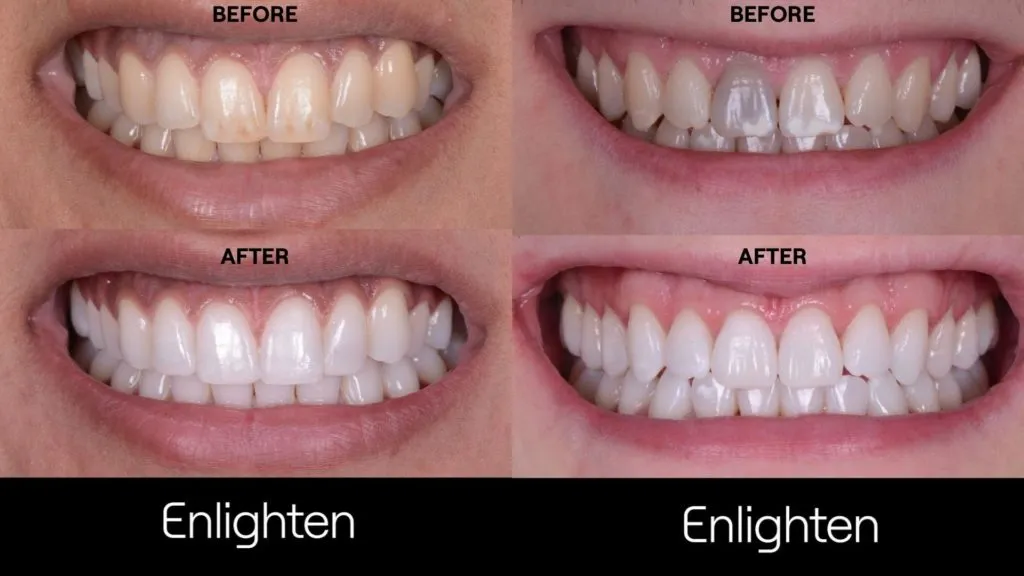
Understanding Home Teeth Whitening
Achieving a brighter, more confident smile is a goal for many, and home teeth whitening offers a convenient and accessible way to do just that. Unlike professional whitening treatments performed by dentists, home teeth whitening allows you to gradually lighten the shade of your teeth in the comfort of your own home. This guide provides a comprehensive overview of the various methods, products, and considerations involved in safely and effectively whitening your teeth at home. It covers everything from understanding the basics of teeth whitening to choosing the right products and maintaining your newly brightened smile. Before starting any home teeth whitening treatment, it’s crucial to understand the process, the different options available, and how to do it correctly to achieve the best results and avoid any potential risks.
What is Home Teeth Whitening
Home teeth whitening involves using over-the-counter or dentist-prescribed products to lighten the color of your teeth. These products typically contain bleaching agents like hydrogen peroxide or carbamide peroxide, which penetrate the enamel and break down stain molecules. The concentration of the bleaching agent determines the effectiveness and speed of the whitening process. Home whitening is a popular choice because of its convenience, affordability, and the ability to fit into your daily routine. It is generally a gradual process, with visible results appearing over several days or weeks. The success of home whitening depends on the type of stains, the products used, and how consistently the treatment is followed. It’s designed to address surface stains caused by food, drinks, and tobacco. Deeper stains may require professional treatments.
Benefits of Home Teeth Whitening

Home teeth whitening offers several advantages, making it a popular choice for many. The primary benefit is improved aesthetics. A brighter smile can boost self-esteem and confidence. Whitening at home is far more cost-effective than professional treatments, making it accessible to a wider audience. The convenience of being able to whiten your teeth in your own home and at your own pace is another significant advantage. You can integrate the process into your daily routine without needing to schedule appointments. Furthermore, home whitening treatments are generally safe when used as directed. Most products available are designed to minimize any potential side effects, such as tooth sensitivity. Consistent use can lead to noticeable and long-lasting results, giving you a brighter, more radiant smile that can positively impact your overall appearance and self-perception. These benefits make home teeth whitening a practical and attractive option for many.
Types of Home Teeth Whitening Products
The market offers a variety of home teeth whitening products, each with its own application method and effectiveness. Understanding the different types can help you choose the best option for your needs and preferences. The most common products include whitening toothpastes, whitening strips, and whitening gels, each of which works in a slightly different way. Whitening toothpastes are a good starting point for people who want a mild whitening effect. Whitening strips are a popular choice because of their ease of use and effectiveness. Whitening gels applied using trays provide more customized and potent treatments. These options offer varying levels of convenience, cost, and whitening power, and each is suitable for different types of stains and levels of discoloration. Consider the active ingredients, the application process, and the potential side effects when making your choice.
Whitening Toothpastes
Whitening toothpastes work by removing surface stains and polishing the teeth. They typically contain mild abrasives, such as hydrated silica or calcium carbonate, that help scrub away stains caused by food and drinks. Some whitening toothpastes also contain low concentrations of bleaching agents, like hydrogen peroxide, to provide a slight whitening effect. While whitening toothpastes can improve the appearance of your teeth by removing surface stains, they are generally not as effective as other methods for deeper discoloration. Regular use can help maintain the brightness of your teeth and prevent new stains from forming. It is important to choose a toothpaste that is approved by dental organizations, as it will be formulated to ensure it is safe for daily use without excessively abrasive ingredients. Look for toothpastes that contain fluoride to protect against cavities. Whitening toothpastes are a good addition to any oral hygiene routine, but they are often less effective at deeper whitening compared to other methods.
Whitening Strips

Whitening strips are thin, flexible strips coated with a bleaching agent, typically hydrogen peroxide. They are designed to be applied directly to the teeth, allowing the bleaching agent to stay in contact with the enamel for a specific period. Whitening strips are easy to use and offer a convenient method for home teeth whitening. They are generally applied once or twice a day for a set amount of time, as directed by the product instructions. The effectiveness of whitening strips varies depending on the concentration of the bleaching agent and the duration of the treatment. They can often deliver noticeable results within a few weeks of consistent use. They are generally safe when used as directed, but it’s important to follow the instructions carefully to minimize any potential side effects, such as gum irritation. Whitening strips are a widely available and popular choice for those seeking a simple and effective method for whitening their teeth at home, offering a balance of convenience and visible results.
Whitening Gels and Trays
Whitening gels and trays provide a more customized approach to home teeth whitening. The trays are custom-fitted to your teeth, ensuring that the whitening gel comes into contact with the teeth’s surfaces evenly. This method usually involves applying the whitening gel, which contains a higher concentration of a bleaching agent, into the trays and wearing them for a specified amount of time, often overnight or for a few hours during the day. The custom fit of the trays helps to prevent the gel from leaking onto the gums, reducing the risk of irritation. The effectiveness of whitening gels and trays is often more significant compared to other home whitening methods, as the higher concentration of the bleaching agent allows for deeper stain removal. However, due to the higher concentration, there is a greater possibility of increased sensitivity, so it’s crucial to follow the instructions provided by your dentist or the product manufacturer. If you choose to use this method, it is recommended to consult with your dentist. They can provide a custom-made tray and professional guidance on the best whitening approach for your unique needs, ensuring safe and effective results. The use of whitening gels with custom trays offers a balance of effectiveness and control.
Home Teeth Whitening with DIY Methods
Alongside the commercially available products, some people turn to do-it-yourself (DIY) methods for home teeth whitening. These methods often involve using common household ingredients. While some DIY methods may provide limited whitening benefits, it’s essential to approach them with caution, as they may not be as effective or safe as professionally recommended options. When you decide to use DIY methods, be careful. There are often risks that accompany them, and it is best to consult your dentist first. It is important to understand that the efficacy and safety of DIY methods can vary widely, and some may even cause harm to your teeth or gums. A conservative approach, combined with professional dental advice, is always the best way to get the results you desire while keeping your mouth healthy.
Baking Soda and Hydrogen Peroxide

Baking soda and hydrogen peroxide is one of the most common DIY teeth whitening methods. The method involves mixing baking soda (sodium bicarbonate) with hydrogen peroxide to create a paste. Baking soda acts as a mild abrasive to scrub away surface stains, while hydrogen peroxide is a mild bleaching agent. While this combination may help remove some surface stains, it’s essential to use it sparingly. Overuse of baking soda can damage tooth enamel, leading to increased sensitivity and potential tooth decay. Hydrogen peroxide, if used in high concentrations, can irritate the gums. When using this method, mix a small amount of baking soda with hydrogen peroxide to form a paste, and apply it to your teeth with a soft-bristled toothbrush. Do not do this more than once or twice a week to minimize any risks. It’s important to note that the effectiveness of this method is limited, and it may not provide the same results as commercially available whitening products. If you are considering this method, always consult with your dentist first to ensure that it is safe for your specific dental health.
Coconut Oil Pulling
Coconut oil pulling has gained popularity as a natural method for improving oral health and whitening teeth. This involves swishing a tablespoon of coconut oil in your mouth for 15–20 minutes, then spitting it out. The theory is that the oil helps to remove bacteria and toxins from the mouth, which can contribute to staining and discoloration. While some people report that coconut oil pulling has had a whitening effect, the scientific evidence to support this is limited. Coconut oil pulling is generally considered safe, but it is not a proven method for teeth whitening. It can be a supplementary method to your oral hygiene routine, but it should not replace brushing, flossing, and professional dental cleanings. If you are considering using coconut oil pulling, do it in addition to other recommended oral hygiene practices, and consult with your dentist to learn if it is a suitable practice for your specific health.
How to Prepare for Home Teeth Whitening
Preparing for home teeth whitening involves several steps to ensure the best results and minimize any potential side effects. This is a great way to get the smile you’ve always wanted, but it is important to do it in the right way. By preparing correctly, you increase the effectiveness of the treatment and protect the health of your teeth and gums. Begin by consulting with your dentist to make sure you’re a good candidate for home teeth whitening and to discuss which products are most appropriate for your specific needs. This is also a great time to ask questions and find out about any potential risks, which may influence the way you proceed. A thorough dental examination is essential. The dentist can assess your overall oral health, identify any existing dental issues, such as cavities or gum disease, and provide professional guidance. Good preparation is the foundation of successful and safe teeth whitening.
Consulting Your Dentist

Before beginning any home teeth whitening treatment, consulting your dentist is essential. They can evaluate your oral health, identify any potential issues, and recommend the most appropriate whitening method for your situation. Your dentist can assess whether your teeth and gums are healthy enough for whitening. They can also advise you on the best products and how to use them safely. If you have cavities, gum disease, or other dental problems, whitening treatments can cause sensitivity or worsen existing conditions. A professional examination will help you determine if you are a suitable candidate for home whitening and whether you need to address any pre-existing dental concerns. Your dentist may also provide custom-fitted trays for whitening gels, which can be more effective and reduce the risk of gum irritation. This professional guidance can lead to better results and a safer whitening experience.
Assessing Your Teeth’s Suitability
Assessing the suitability of your teeth for home whitening is a critical step in the process. Not everyone is a good candidate. The effectiveness of whitening treatments varies depending on the type of stains, the condition of your teeth, and any existing dental work. Whitening treatments are most effective on teeth with surface stains caused by food, drinks, and tobacco. They may not be as effective for deep-seated stains or discoloration caused by medications or dental work. If you have fillings, crowns, or veneers, the whitening agents will not alter their color. It’s important to note that teeth with these restorations may not match the newly whitened natural teeth, and you might need further dental work to achieve a uniform color. Assessing your teeth’s suitability helps ensure realistic expectations and helps you determine the best approach for a brighter, more beautiful smile. Your dentist can provide an accurate assessment during an oral examination.
Step-by-Step Guide to Home Teeth Whitening
Following the correct steps for home teeth whitening ensures that you will get the best results while minimizing the risk of any adverse effects. Each method, whether it involves strips, gels, or toothpastes, has its specific instructions. Always read and follow the product’s instructions carefully. This section provides a general guide, but individual products may have variations. Consistency is crucial for achieving noticeable results. Follow the recommended treatment schedule, and avoid skipping treatments. Be patient, as it may take several days or weeks to see the full effects of the whitening process. Good oral hygiene is very important, so brush and floss regularly to maintain the results. The goal is to whiten your teeth safely and effectively while protecting your oral health. This helps you achieve a brighter smile and enhances your overall appearance.
Using Whitening Strips Correctly

Using whitening strips correctly is a simple and effective way to brighten your smile. Start by brushing your teeth gently before applying the strips. This removes any surface debris and allows the whitening agent to effectively contact your teeth. Peel the strips from their packaging, ensuring that you handle them carefully. Apply the longer strip to your upper teeth and the shorter strip to your lower teeth, aligning them with your gumline. Press the strips gently to make sure they adhere to your teeth, and fold any excess strip material behind the teeth to secure them. Leave the strips on for the recommended time, typically 30 minutes, as indicated on the product packaging. Once the time is up, remove the strips and discard them. Rinse your mouth with water to remove any residual gel. Avoid eating or drinking for 30 minutes after removing the strips to allow the whitening agent to fully act. Consistency and following the instructions will help you to achieve the best whitening results with minimal side effects. If you have any concerns or experience discomfort, stop using the strips and consult your dentist.
Applying Whitening Gels with Trays
Applying whitening gels with trays is a more personalized approach to home teeth whitening. If you have custom-fitted trays, start by brushing your teeth gently. Add a small amount of the whitening gel into each tray, following the instructions provided. The amount will vary depending on the product, but it’s usually a small dot of gel for each tooth impression. Insert the trays into your mouth, ensuring that the gel covers the surfaces of your teeth. Wear the trays for the recommended time, which is usually a few hours or overnight, as directed by your dentist or the product instructions. After removing the trays, rinse your mouth thoroughly with water to remove any remaining gel. Clean the trays gently with a toothbrush and cold water to remove any remaining gel. Store them in a dry, clean place. Avoid eating or drinking anything other than water for at least 30 minutes after each treatment. Regular use of whitening gels and trays under the guidance of your dentist can lead to significant whitening results, helping you to achieve a brighter smile safely and effectively.
Maintaining Your White Smile
Maintaining your newly whitened smile involves a combination of good oral hygiene and mindful dietary choices. This helps you keep your teeth bright and radiant. Proper oral hygiene habits, such as regular brushing and flossing, are very important in removing plaque and preventing stains. Dietary considerations also play a key role, as certain foods and drinks can stain your teeth. By adopting the right habits and making informed choices about what you consume, you can prolong the effects of your teeth whitening treatments and keep your smile looking its best. Make a concerted effort to follow a good oral hygiene routine and make sensible food and drink choices to keep your teeth bright and beautiful for a longer period.
Oral Hygiene Routine

Maintaining good oral hygiene is essential for preserving the results of your teeth whitening treatment and overall oral health. Brush your teeth twice daily for two minutes each time, using a soft-bristled toothbrush and fluoride toothpaste. Brush gently to avoid damaging your enamel. Floss daily to remove plaque and food particles from between your teeth and along the gumline, where your toothbrush cannot reach. This helps prevent stains and promotes healthy gums. Consider using an antibacterial mouthwash to further reduce plaque and bacteria. Regular dental check-ups and cleanings are also essential. Your dentist can remove any plaque or tartar buildup that brushing and flossing may have missed, and they can also evaluate your oral health to ensure your smile stays bright and healthy. Consistent attention to your oral hygiene routine is an investment in both the appearance and the health of your teeth.
Dietary Considerations
Your diet plays a critical role in maintaining the brightness of your teeth. Certain foods and drinks can stain your teeth, so making informed dietary choices is essential to preserve your white smile. Certain foods and drinks can stain your teeth, while others are beneficial. By understanding which items to avoid and which to consume in moderation, you can protect your teeth from staining and extend the results of your teeth whitening treatment. Careful consideration of your diet will allow you to enjoy a brighter, more radiant smile for a longer period. There is a variety of foods you should eat to help your oral hygiene.
Foods and Drinks to Avoid
To maintain a bright smile, it’s essential to minimize or avoid certain foods and drinks that are known to stain teeth. Coffee and tea are notorious for their staining properties. Their dark pigments can easily adhere to tooth enamel, causing discoloration. Red wine is another major culprit. Its deep color and high acidity make it a potent staining agent. Dark-colored sodas, such as cola, also contribute to staining due to their artificial coloring and acidic content. Highly pigmented fruits, like berries and cherries, contain natural dyes that can stain the teeth. Tomato-based sauces and curries, due to their vibrant colors and spices, can leave behind stains. The longer these foods and drinks are in contact with your teeth, the more likely they are to cause staining. Avoiding or reducing the consumption of these items helps prevent the formation of new stains and preserve the results of your teeth whitening treatments. Being mindful of what you consume and making conscious choices can significantly impact the longevity of your bright smile.
Foods and Drinks to Consume in Moderation
While some foods and drinks should be avoided entirely, others can be consumed in moderation to help maintain your white smile. Citrus fruits and juices, despite their potential to erode enamel, should be consumed in moderation because of their high acidity. White wine, although less staining than red wine, still contains acids that can weaken enamel and make your teeth more susceptible to stains. Sports drinks can also contribute to staining because of their colorants and acidity. Consuming these items in moderation, combined with proper oral hygiene practices, helps minimize their impact on your teeth. It’s important to balance the enjoyment of these foods and drinks with the need to protect your smile. By following a balanced approach, you can enjoy a variety of foods and maintain your bright and healthy smile.
Potential Side Effects and Solutions
While home teeth whitening is generally safe, it can sometimes cause side effects. The most common side effects are tooth sensitivity and gum irritation. Understanding these potential problems and knowing how to manage them can help you whiten your teeth comfortably and safely. If you experience any adverse effects, it’s essential to take appropriate steps to address them. This section provides information on common side effects and how to deal with them. Being aware of these potential issues can ensure a positive and successful teeth whitening experience.
Tooth Sensitivity
Tooth sensitivity is a common side effect of home teeth whitening, often caused by the bleaching agents in the whitening products. These agents can temporarily open the pores in the enamel, allowing sensitivity to heat, cold, and pressure. To manage sensitivity, use a toothpaste specifically designed for sensitive teeth, which contains ingredients like potassium nitrate to block nerve signals. Avoid excessively hot or cold foods and drinks during the whitening process. You can also take breaks from the whitening treatment to allow your teeth to recover. If sensitivity is severe or persistent, consult your dentist. They may recommend a fluoride treatment to strengthen your enamel and reduce sensitivity. Following these steps can help you navigate tooth sensitivity and continue your teeth whitening treatment comfortably.
Gum Irritation
Gum irritation is another potential side effect of home teeth whitening. This can manifest as redness, swelling, or soreness of the gums. This occurs when the bleaching agent comes into contact with the soft tissues of your gums. To prevent gum irritation, make sure that any trays fit properly, and avoid overfilling them with the whitening gel. Always follow the product instructions for application and treatment duration. If you experience gum irritation, stop using the whitening product for a few days to allow your gums to heal. Rinse your mouth with warm salt water to reduce inflammation. If the irritation persists, or if it is severe, consult your dentist. They can assess the cause of the irritation and provide recommendations for treatment and care. Proper application techniques, coupled with vigilance, can minimize the risk of gum irritation, ensuring a safer and more comfortable teeth whitening experience.
When to See a Dentist
While home teeth whitening is a convenient option, it’s important to know when to seek professional dental help. If you experience any severe side effects, such as persistent tooth sensitivity, gum irritation, or any other unusual symptoms, it’s essential to contact your dentist immediately. If your teeth whitening results are not satisfactory, despite following the product instructions, it may be because your specific type of stains is more complex or resistant to home treatments. Your dentist can assess your teeth and offer more effective professional whitening options, as well as ensure that your oral health is properly addressed. If you have any concerns or questions about your teeth whitening treatment, don’t hesitate to reach out to your dentist. They can provide personalized advice and support.