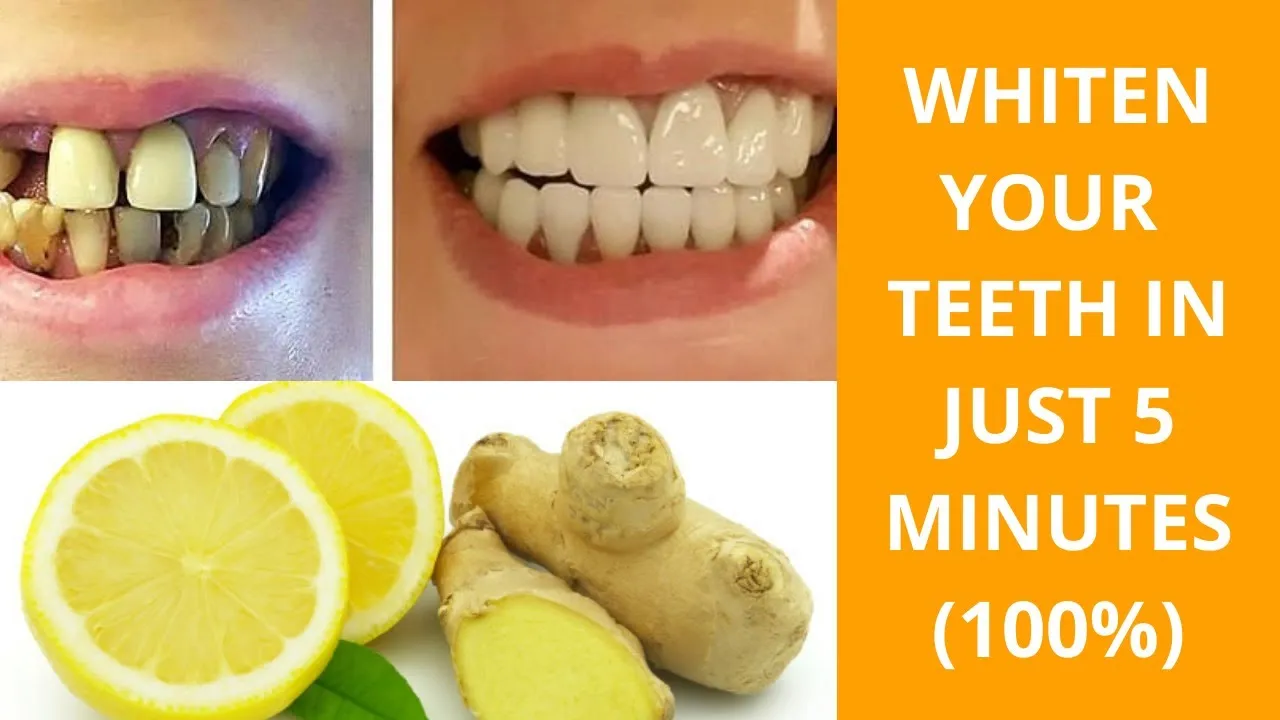
The Power of Homemade Teeth Whitening
Achieving a brighter smile doesn’t always require expensive professional treatments. In fact, many effective teeth whitening remedies can be found right in your kitchen. Homemade teeth whitening solutions offer a natural and often more affordable approach to enhancing your smile. These remedies utilize readily available ingredients, making them accessible to almost everyone. However, it’s crucial to approach these methods with caution and awareness of potential risks. This article will explore seven popular homemade teeth whitening remedies, detailing their uses, benefits, and important considerations for safe and effective application.
Baking Soda and Hydrogen Peroxide
A classic combination, baking soda and hydrogen peroxide are frequently touted as a potent duo for teeth whitening. Baking soda acts as a gentle abrasive, helping to scrub away surface stains, while hydrogen peroxide has bleaching properties that can lighten the enamel. This combination is a cost-effective and easily accessible solution for improving your smile.
How to Use Baking Soda for Whitening

To use this remedy, mix a small amount of baking soda with hydrogen peroxide to create a paste. Apply this paste to your toothbrush and gently brush your teeth for about two minutes. Rinse thoroughly with water after brushing. It’s important to note that this method should not be used daily, as excessive abrasion can damage tooth enamel. A frequency of once or twice a week is usually sufficient to see results without causing harm.
Potential Risks and Considerations
While baking soda and hydrogen peroxide can be effective, they also carry potential risks. Overuse can lead to enamel erosion, increased tooth sensitivity, and gum irritation. It’s crucial to use this method sparingly and listen to your body. If you experience any discomfort, discontinue use and consult with a dentist. It’s also recommended to consult your dentist before using any new whitening methods, especially if you have pre-existing dental issues.
Coconut Oil Pulling for Whiter Teeth
Coconut oil pulling is an ancient Ayurvedic practice that involves swishing oil in your mouth to remove bacteria and toxins, which can contribute to tooth discoloration. This natural remedy has gained popularity for its potential benefits in oral health, including teeth whitening and improved gum health. The practice is simple and involves no harsh chemicals, making it a gentle option for those seeking a natural approach to whitening their teeth.
Benefits of Coconut Oil Pulling

Coconut oil pulling can offer several benefits beyond teeth whitening. It can help reduce plaque buildup, fight against gingivitis, and freshen breath. The lauric acid in coconut oil possesses antimicrobial properties that can help eliminate bacteria in the mouth. Regular practice can contribute to overall oral hygiene and a healthier mouth environment. Furthermore, some users report a noticeable improvement in the brightness of their teeth after consistent oil pulling.
How to Perform Oil Pulling Correctly
To perform oil pulling, take about a tablespoon of coconut oil (solid at room temperature) and swish it around your mouth for 15-20 minutes. Make sure to push the oil through your teeth and around your mouth. After 20 minutes, spit the oil into a trash can (as it can clog your sink). Rinse your mouth with water and brush your teeth as usual. For optimal results, oil pulling is best done first thing in the morning on an empty stomach.
Using Lemon Juice for Teeth Whitening
Lemon juice is another popular home remedy for teeth whitening, thanks to its high acidity. The citric acid in lemon can act as a bleaching agent, potentially lightening tooth enamel. This method is relatively simple to implement, making it an accessible option for people looking to brighten their smiles using natural ingredients.
Precautions When Using Lemon Juice

The high acidity of lemon juice can be harsh on tooth enamel. Overuse can lead to erosion, making teeth more sensitive and susceptible to decay. It is essential to use lemon juice with extreme caution and only occasionally. Never brush your teeth immediately after using lemon juice, as this can worsen the damage. Always rinse your mouth thoroughly with water after application and consider brushing your teeth after waiting for at least 30 minutes.
Apple Cider Vinegar as a Whitening Agent
Apple cider vinegar (ACV) is another home remedy that some people use for teeth whitening. ACV contains acetic acid, which can help remove stains and bacteria from the mouth. However, like lemon juice, its acidity requires careful usage to avoid potential damage to tooth enamel.
Dilution and Usage Guidelines
When using apple cider vinegar for teeth whitening, it is crucial to dilute it with water. Mix a small amount of ACV with water, and use this diluted solution to rinse your mouth. Some people also use a cotton swab dipped in the diluted solution to apply it directly to their teeth. As with lemon juice, never brush your teeth immediately after using ACV. Rinse your mouth with water and wait for about 30 minutes before brushing to minimize the risk of enamel erosion.
Strawberry and Baking Soda Paste

Strawberries contain malic acid, which acts as a natural astringent and may help remove surface stains. Combining strawberries with baking soda can create a slightly abrasive paste that helps to polish the teeth. This is a popular home remedy because it uses common, readily available ingredients and provides a pleasant taste and aroma.
The Whitening Power of Strawberries
Strawberries contain malic acid, which has been shown to help remove surface stains. The enzymes in strawberries can also contribute to a slightly whitening effect. While strawberries alone are not a powerful whitening agent, the combination with baking soda enhances their potential to remove stains and brighten teeth. This method offers a gentle and natural approach to improving your smile.
Application and Frequency
To use this remedy, mash a fresh strawberry and mix it with a small amount of baking soda to form a paste. Apply the paste to your teeth using a toothbrush and gently brush for about two minutes. Rinse your mouth thoroughly with water. This method is best used sparingly, perhaps once or twice a week, to avoid excessive abrasion to the enamel.
Turmeric for Teeth Whitening

Turmeric, a spice known for its anti-inflammatory and antioxidant properties, has become a popular home remedy for teeth whitening. The yellow pigment in turmeric, curcumin, is believed to help remove stains and brighten teeth. The benefits are not only focused on the teeth whitening process, but also helps with gum health.
Benefits and Usage of Turmeric
Turmeric is a natural anti-inflammatory and antioxidant, promoting overall oral health. To use turmeric for teeth whitening, create a paste by mixing turmeric powder with water or coconut oil. Brush your teeth with this paste for about two minutes, and then rinse thoroughly. Regular use can help remove stains and improve the brightness of your teeth.
Safety and Usage Tips
Turmeric can stain your toothbrush and may leave a temporary yellow tint on your teeth. These stains can be easily removed by rinsing your mouth and brushing your teeth as usual. Although turmeric is generally safe, it’s essential to use it in moderation. Ensure the turmeric is a high-quality, food-grade product to avoid any additives or contaminants.
Activated Charcoal for a Brighter Smile

Activated charcoal is a fine, black powder made from various materials like coconut shells, wood, or peat. It is known for its ability to absorb toxins and impurities. In the context of teeth whitening, activated charcoal is believed to remove stains and whiten teeth by absorbing stain-causing particles. This remedy has gained popularity due to its ease of use and accessibility.
How to Use Activated Charcoal Safely
To use activated charcoal, dip a wet toothbrush into the powder and brush your teeth gently for about two minutes. Rinse your mouth thoroughly with water after brushing. You may need to brush a second time with regular toothpaste to remove any remaining charcoal residue. When using activated charcoal, it is essential to be gentle to avoid abrasion. Avoid swallowing any charcoal, as it can interfere with the absorption of certain medications.
Important Considerations for Activated Charcoal
While activated charcoal can be effective for stain removal, it can also be abrasive, potentially damaging tooth enamel with overuse. It is best used sparingly, perhaps once or twice a week. If you have sensitive teeth or pre-existing dental issues, consult your dentist before using activated charcoal. Choose a high-quality activated charcoal product specifically designed for dental use.
Maintaining Your White Smile

Once you’ve achieved a brighter smile using homemade remedies, it’s crucial to maintain the results. This involves adopting specific dietary choices and habits, as well as practicing good oral hygiene. By implementing these practices, you can prolong the effects of teeth whitening and maintain a healthy, radiant smile.
Dietary Choices and Habits
Certain foods and beverages can stain your teeth, diminishing the effects of whitening treatments. Limit your intake of coffee, tea, red wine, and dark-colored sodas. Avoid or reduce the consumption of highly pigmented foods like berries, soy sauce, and tomato-based sauces. Additionally, smoking and chewing tobacco can severely stain teeth, so avoiding these habits is crucial for maintaining a white smile. After consuming staining foods, rinse your mouth with water or brush your teeth to minimize their impact.
Oral Hygiene Practices
Maintaining a consistent oral hygiene routine is essential for preserving a bright smile. Brush your teeth at least twice a day for two minutes each time, and floss daily to remove plaque and food particles from between your teeth. Use a fluoride toothpaste and consider using a whitening toothpaste for added benefit. Regular dental check-ups and professional cleanings are also essential to maintain oral health and remove any stubborn stains or plaque. Consider using a mouthwash that helps to prevent stains and promotes good oral hygiene.
In conclusion, homemade teeth whitening remedies offer accessible and often affordable alternatives to professional treatments. Baking soda, hydrogen peroxide, coconut oil, lemon juice, apple cider vinegar, strawberries, turmeric, and activated charcoal all provide unique approaches to brightening your smile. However, it’s essential to approach these remedies with caution, understanding the potential risks and implementing them properly. Maintaining a bright smile requires not only the use of whitening remedies, but also consistent oral hygiene and smart dietary choices. Always consult with a dentist before beginning any new teeth whitening regimen to ensure it is safe and appropriate for your individual needs.