The Science Behind Crest Whitening Strips
Crest Whitening Strips have become a popular choice for those seeking a brighter smile. But how do these seemingly simple strips manage to effectively whiten teeth? The magic lies in the science. Understanding the underlying principles of tooth discoloration and the active ingredients in Crest Whitening Strips is the first step in appreciating their effectiveness. This guide will delve into the science, application process, and overall effectiveness of these popular whitening solutions, providing a comprehensive understanding of how they work.
Understanding Tooth Discoloration
Before exploring how Crest Whitening Strips work, it is crucial to understand why teeth become discolored in the first place. Tooth discoloration can be broadly categorized into two main types extrinsic and intrinsic stains. Each type of stain requires a different approach for effective removal. External factors like diet, lifestyle, and oral hygiene practices play a significant role in determining how quickly the teeth lose their natural whiteness. Both types of stains can significantly affect the appearance of your teeth, and knowing the difference helps you choose the right whitening solution.
Extrinsic Stains

Extrinsic stains affect the outer surface of the tooth, the enamel. These stains are typically caused by external factors such as the consumption of staining foods and beverages like coffee, tea, red wine, and certain berries. Smoking and tobacco use are also major contributors to extrinsic stains. These stains adhere to the tooth’s surface, gradually accumulating and leading to a yellow or brownish appearance. Fortunately, extrinsic stains are usually easier to remove with surface-level treatments like whitening strips and professional cleanings.
Intrinsic Stains
Intrinsic stains, on the other hand, originate from within the tooth, in the dentin layer beneath the enamel. These stains can be caused by factors such as aging, genetics, certain medications (like tetracycline), excessive fluoride exposure, and trauma to the tooth. Because intrinsic stains are deeper within the tooth structure, they are often more challenging to remove than extrinsic stains, and may require more potent whitening treatments or professional dental procedures like veneers or crowns. The effectiveness of Crest Whitening Strips on intrinsic stains can vary, depending on the severity and the underlying cause.
The Active Ingredient Hydrogen Peroxide
The key to Crest Whitening Strips effectiveness is the active ingredient hydrogen peroxide. Hydrogen peroxide is a chemical compound (H2O2) that acts as an oxidizing agent. In the context of teeth whitening, it breaks down into water and oxygen. This oxygen has a bleaching effect, breaking down the stain molecules that cause discoloration. The concentration of hydrogen peroxide in Crest Whitening Strips is carefully formulated to provide effective whitening without causing excessive sensitivity or damage to the enamel. This careful balance is crucial to the success of the product and the safety of the user.
How Hydrogen Peroxide Whitens Teeth

When hydrogen peroxide comes into contact with the teeth, the oxygen molecules released penetrate the enamel and dentin. These oxygen molecules react with the stain molecules, breaking them down into smaller, less visible components. This process effectively lightens the color of the teeth, making them appear whiter. The whitening action is gradual, and the results become noticeable over the course of several days or weeks, depending on the concentration of hydrogen peroxide and the frequency of use. Proper and consistent use according to the product instructions is key to achieving the best results.
Crest Whitening Strips The Application Process
Using Crest Whitening Strips is a straightforward process, but following the instructions carefully is important to achieve the best results. The application process includes a few simple steps designed to optimize the effectiveness of the strips and minimize any potential side effects. The overall process is easy, but attention to detail ensures maximum effectiveness and a positive experience. Ensure to adhere to the recommended duration and frequency to avoid over-whitening or sensitivity.
Preparing Your Teeth
Before applying Crest Whitening Strips, it is essential to prepare your teeth. Start by brushing your teeth gently to remove any plaque or food particles. However, do not brush your teeth immediately before applying the strips; it’s best to wait about 30 minutes. This prevents any irritation from the abrasive action of the toothbrush. Ensure your teeth are dry before applying the strips; moisture can affect the adherence of the strips to your teeth. This initial step ensures that the whitening agents make direct contact with the tooth surface, improving their effectiveness. Also, it prevents the strips from slipping or not sticking properly.
Applying the Strips

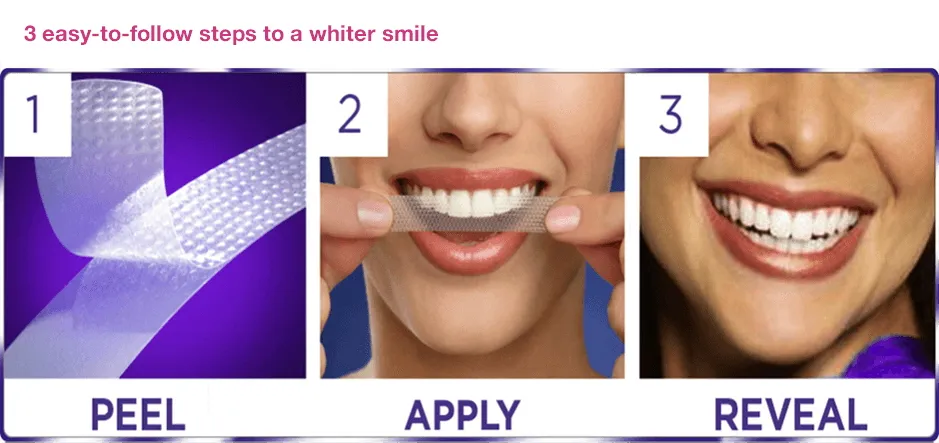
Carefully peel the Crest Whitening Strip from its backing. Apply the gel side of the strip to your teeth, aligning it with your gum line. Gently press the strip to ensure it adheres securely to the tooth surface. Fold any excess strip material behind the teeth to keep it in place. Proper application ensures the whitening gel contacts the teeth effectively. Some strips are designed for the upper teeth, and some for the lower teeth, make sure to use the correct ones and follow the product instructions. Ensure all tooth surfaces are covered to achieve uniform whitening results.
The Recommended Usage Time
The recommended usage time for Crest Whitening Strips varies depending on the specific product. It is crucial to follow the instructions provided on the product packaging. Typically, strips are worn for 30 minutes daily, or according to the product’s instructions. Do not exceed the recommended usage time, as this can increase the risk of tooth sensitivity and gum irritation. Consistency is key to achieving optimal results; use the strips as directed for the duration of the treatment period, which is usually a couple of weeks. Adhering to the recommended time frame ensures that the teeth are whitened safely and effectively.
Post-Application Care
After removing the Crest Whitening Strips, discard them immediately. Rinse your mouth with water to remove any remaining gel residue. Avoid eating or drinking anything, except water, for at least 30 minutes after use. This allows the whitening agent to continue working effectively. Brushing your teeth after using the strips is usually recommended, but wait for at least 30 minutes after removal to avoid any increased sensitivity. Proper aftercare helps to maintain the whitening effect and minimizes the risk of side effects like tooth sensitivity or gum irritation.
The Effectiveness of Crest Whitening Strips

Crest Whitening Strips are proven to be an effective method for whitening teeth. Their effectiveness depends on several factors, including the type and severity of the stains, the concentration of hydrogen peroxide in the strips, and the individual’s adherence to the usage instructions. Many users report noticeable results within a few days of starting treatment, with continued improvement over the course of the treatment period. They offer a convenient and affordable way to improve the appearance of your smile. It is important to have realistic expectations and understand that results can vary from person to person.
Factors Influencing Results
Several factors can influence the effectiveness of Crest Whitening Strips. The type of stain is a key determinant; extrinsic stains tend to respond better to whitening treatments than intrinsic stains. The original shade of your teeth plays a role, as individuals with more yellow teeth may see better results than those with naturally gray or very dark teeth. The consistent use of the strips, as directed, is essential for achieving the desired outcome. Lifestyle habits, such as smoking and the consumption of staining foods and drinks, can also impact results, potentially reducing the longevity of the whitening effect. Proper oral hygiene habits are also crucial for maintaining the achieved results.
Comparing Crest Strips to Other Whitening Methods
When comparing Crest Whitening Strips to other teeth whitening methods, such as professional whitening treatments in a dentist’s office or whitening toothpastes, several factors come into play. Professional treatments often provide more dramatic and immediate results, but they are usually more expensive. Whitening toothpastes may offer a slight whitening effect, but they typically contain lower concentrations of whitening agents and work mainly by removing surface stains. Crest Whitening Strips strike a balance between effectiveness, convenience, and affordability, making them an attractive option for many individuals. The choice of the best method depends on your individual needs, budget, and desired level of whitening.
Safety and Potential Side Effects

Crest Whitening Strips are generally considered safe when used as directed. However, like all teeth whitening treatments, they can cause potential side effects, the most common being tooth sensitivity and gum irritation. Understanding these potential side effects and how to manage them is important for a positive experience. Proper use of the strips, following the recommended guidelines, and being aware of the individual’s dental health can help minimize the risk of adverse effects. It is best to consult with a dentist before starting any teeth whitening treatment to ensure it is appropriate for your specific oral health condition.
Sensitivity and Irritation
Tooth sensitivity and gum irritation are the most frequently reported side effects associated with Crest Whitening Strips. Sensitivity can manifest as a sharp, temporary pain in the teeth, particularly when consuming cold or hot foods and drinks. Gum irritation may appear as redness or tenderness along the gum line. These side effects are typically temporary and subside shortly after discontinuing or reducing the frequency of use. If sensitivity is experienced, it is advisable to reduce the treatment duration or frequency, or to use a desensitizing toothpaste. If irritation persists, it is important to consult with a dentist.
Proper Usage and Recommendations
To minimize the risk of side effects and ensure safe use, it is crucial to adhere to the instructions provided with Crest Whitening Strips. Do not exceed the recommended usage time or frequency. Avoid using the strips if you have pre-existing dental issues, such as cavities or gum disease, without consulting your dentist. If you experience any significant discomfort or adverse reactions, discontinue use immediately and consult your dentist. It is also important to store the strips properly, keeping them away from heat and moisture. Following these recommendations helps to maximize the benefits while minimizing potential risks.
Maximizing Your Whitening Results

To get the most out of Crest Whitening Strips, it is essential to complement the treatment with good oral hygiene practices and certain lifestyle adjustments. While the strips work to whiten your teeth, it’s important to take proactive steps to ensure the longevity of your brighter smile. By integrating these recommendations into your routine, you can significantly boost the impact of the strips and maintain a beautiful, healthy smile for a long time. Maintaining a proactive approach ensures that the whitening results are sustained and your teeth remain healthy and attractive.
Maintaining a White Smile
Once you have achieved your desired level of whiteness, it is important to take steps to maintain your results. Regular dental checkups and cleanings are crucial, as your dentist can remove any surface stains that may accumulate over time. Continue to practice good oral hygiene, including brushing twice a day and flossing daily. Consider using a whitening toothpaste to help remove surface stains and maintain the brightness of your teeth. Consistent maintenance will not only keep your smile looking its best but also contribute to overall oral health.
Avoiding Staining Foods and Drinks
One of the best ways to maintain your white smile is to limit the consumption of foods and drinks that can stain your teeth. Coffee, tea, red wine, and dark-colored sodas are notorious for causing discoloration. If you consume these beverages, consider using a straw to minimize contact with your teeth. Similarly, limit the intake of highly pigmented foods, such as berries, soy sauce, and curries. After consuming staining foods or drinks, rinse your mouth with water or brush your teeth to remove any remaining particles. Proactive measures can significantly extend the life of your whitening results.
Regular Dental Checkups
Regular dental checkups are essential for maintaining both oral health and the results of your teeth whitening treatment. During these visits, your dentist can professionally clean your teeth, removing any surface stains that brushing and flossing may have missed. They can also monitor your oral health, detecting any potential issues like cavities or gum disease early. Your dentist can provide personalized advice on how to maintain your white smile and address any concerns you may have. Routine checkups are vital for ensuring that your smile remains healthy, bright, and attractive for years to come.