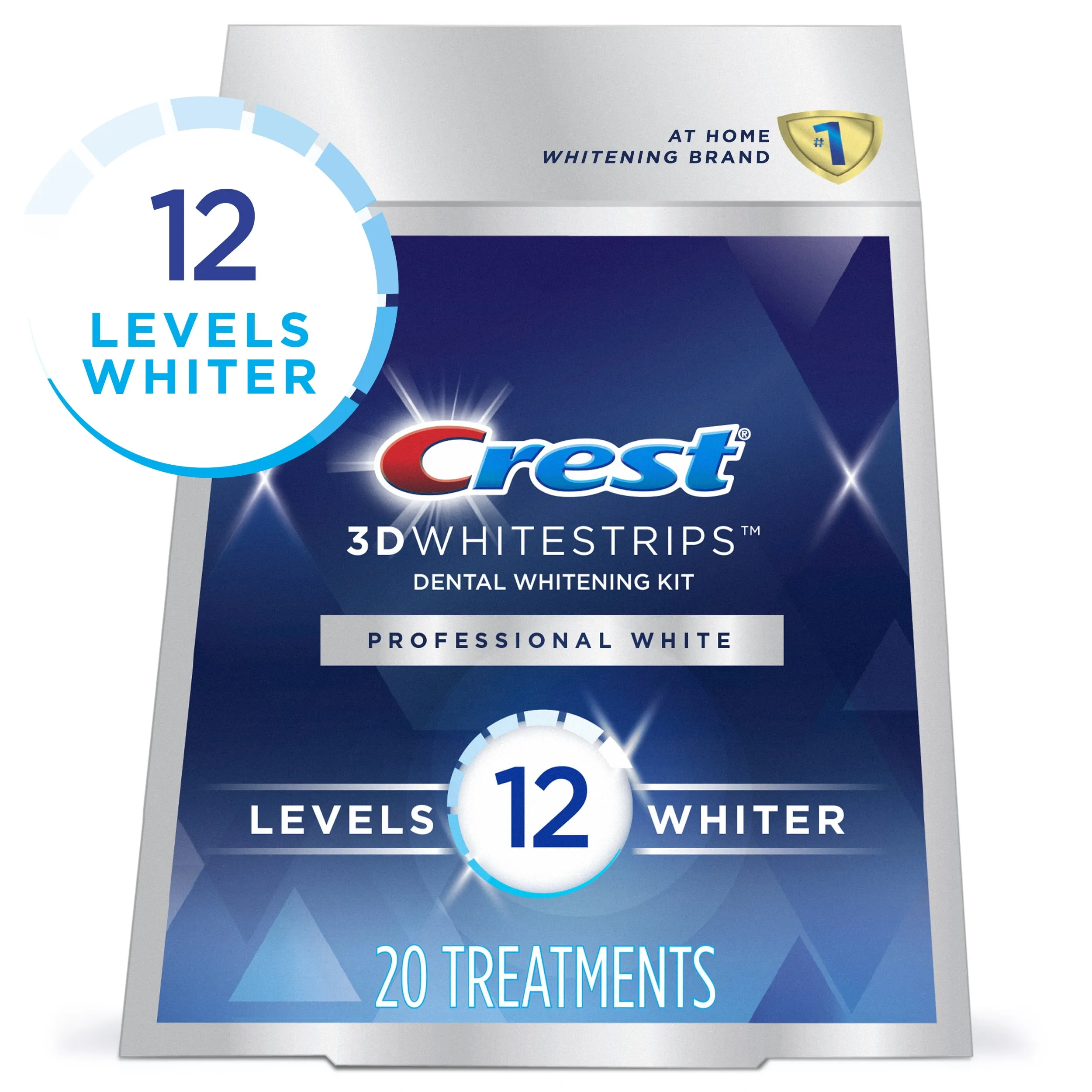
What are Crest Whitening Strips?
Crest Whitening Strips have revolutionized the way people approach teeth whitening, offering a convenient and affordable alternative to professional treatments. These thin, flexible strips are coated with a hydrogen peroxide-based whitening gel, designed to adhere directly to the teeth and effectively lift stains. Marketed by Crest, a trusted name in oral care, these strips are available in various formulations, each catering to different levels of stain removal and sensitivity. They are designed for home use, allowing individuals to whiten their teeth at their own pace and comfort. Understanding the basic function and the different product options are important before starting the teeth whitening journey with these strips.
How Do Crest Whitening Strips Work?
The effectiveness of Crest Whitening Strips stems from the active ingredient, hydrogen peroxide. When the strips are applied to the teeth, the hydrogen peroxide penetrates the enamel and breaks down the stain molecules that have accumulated over time. These stains can be caused by various factors, including coffee, tea, wine, and tobacco use. The process is relatively simple, the strips are applied to the teeth, and the hydrogen peroxide goes to work. The chemical reaction with the stain molecules gradually lightens the teeth, resulting in a visibly brighter smile. The concentration of hydrogen peroxide varies depending on the product, with higher concentrations often yielding faster results, but also potentially increasing sensitivity.
How Long Should You Leave Crest Whitening Strips On?

The duration for leaving Crest Whitening Strips on your teeth depends largely on the specific product you’re using. Always refer to the product’s packaging and instructions for the most accurate guidance. Generally, Crest Whitening Strips are designed to be worn for a specific amount of time, typically ranging from 30 minutes to an hour. Some strips, particularly those designed for more rapid results, may require shorter application times. It’s crucial to adhere strictly to the recommended time frame. Leaving the strips on for longer than recommended does not necessarily enhance whitening and can potentially increase the risk of tooth sensitivity and gum irritation. Avoid the temptation to leave the strips on longer than instructed, as it could lead to unwanted side effects. Following the instructions precisely is the key to a safe and effective teeth whitening experience.
Factors Affecting Crest Whitening Strips Duration
Several factors can influence how long you should leave Crest Whitening Strips on your teeth. The concentration of hydrogen peroxide in the strips is a primary determinant, as higher concentrations often mean shorter application times. The degree of existing staining also plays a role, as more severe staining may require a longer treatment course, but not necessarily longer application times per session. Individual tooth sensitivity also plays a crucial role. Individuals with sensitive teeth might need to use lower-concentration strips for shorter durations to minimize discomfort. Additionally, the enamel thickness and overall oral health of the individual can influence the treatment. Always consult with a dentist before starting any teeth whitening treatment, especially if you have existing dental work or oral health issues.
Sensitivity and Duration for Crest Whitening Strips
Tooth sensitivity is a common side effect of teeth whitening, including the use of Crest Whitening Strips. The duration of the application can directly affect the level of sensitivity experienced. Using strips with higher hydrogen peroxide concentrations or leaving them on for too long can increase the likelihood of sensitivity. If you experience sensitivity, consider switching to a lower-concentration product or reducing the application time. Using a toothpaste designed for sensitive teeth, both before and after whitening, can also help mitigate discomfort. It is recommended to consult a dentist if sensitivity is severe or persistent. They can recommend strategies to manage sensitivity and ensure the whitening treatment is safe for your teeth and gums. Taking breaks between treatments can also reduce sensitivity.
What to Do After Using Crest Whitening Strips?
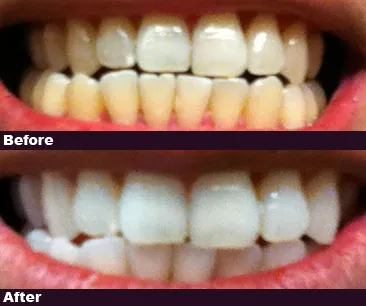
After removing Crest Whitening Strips, it is important to rinse your mouth with water to remove any remaining gel. Avoid eating or drinking for at least 30 minutes after application to allow the enamel to rehydrate and minimize sensitivity. Brushing your teeth immediately after using the strips is generally not recommended, as the enamel may be temporarily more porous. If you feel the need to brush, wait at least 30 minutes to an hour after treatment. Drinking plenty of water helps to rehydrate your teeth and reduce sensitivity. Staying away from foods and drinks that stain teeth (coffee, tea, red wine) immediately after treatment can help maintain the whitening results. Following these post-treatment steps ensures that you maximize the whitening effects and minimize potential side effects.
How to Maximize Crest Whitening Strips Effectiveness
To get the best results from Crest Whitening Strips, it is essential to follow the instructions carefully. Consistency is key; apply the strips as directed for the recommended duration and frequency. Maintaining good oral hygiene, including regular brushing, flossing, and dental checkups, can enhance and prolong the whitening effects. Avoid consuming foods and drinks that can stain teeth, particularly during and immediately after treatment. Using a whitening toothpaste and mouthwash can complement the strips, helping to maintain a bright smile. If you are a smoker, consider quitting or at least reducing your tobacco use, as it can significantly impact the results of whitening treatments. Regular dental check-ups can also help in monitoring the effects of the whitening and ensuring that your oral health is maintained.
Troubleshooting Common Issues
Common issues encountered with Crest Whitening Strips include tooth sensitivity and gum irritation. If you experience sensitivity, consider using a lower-concentration product or reducing the application time. For gum irritation, ensure that the strips are not overlapping the gums. If the irritation persists, consult your dentist. Another common concern is uneven whitening. This can be due to inconsistent application or the presence of existing dental work. Make sure the strips are applied evenly to all teeth and that they cover the entire surface. The presence of fillings, crowns, or veneers will not whiten with the strips. If the results are not as expected, make sure you follow the instructions correctly and consider consulting with a dentist for professional advice. They can assess your specific situation and recommend solutions.