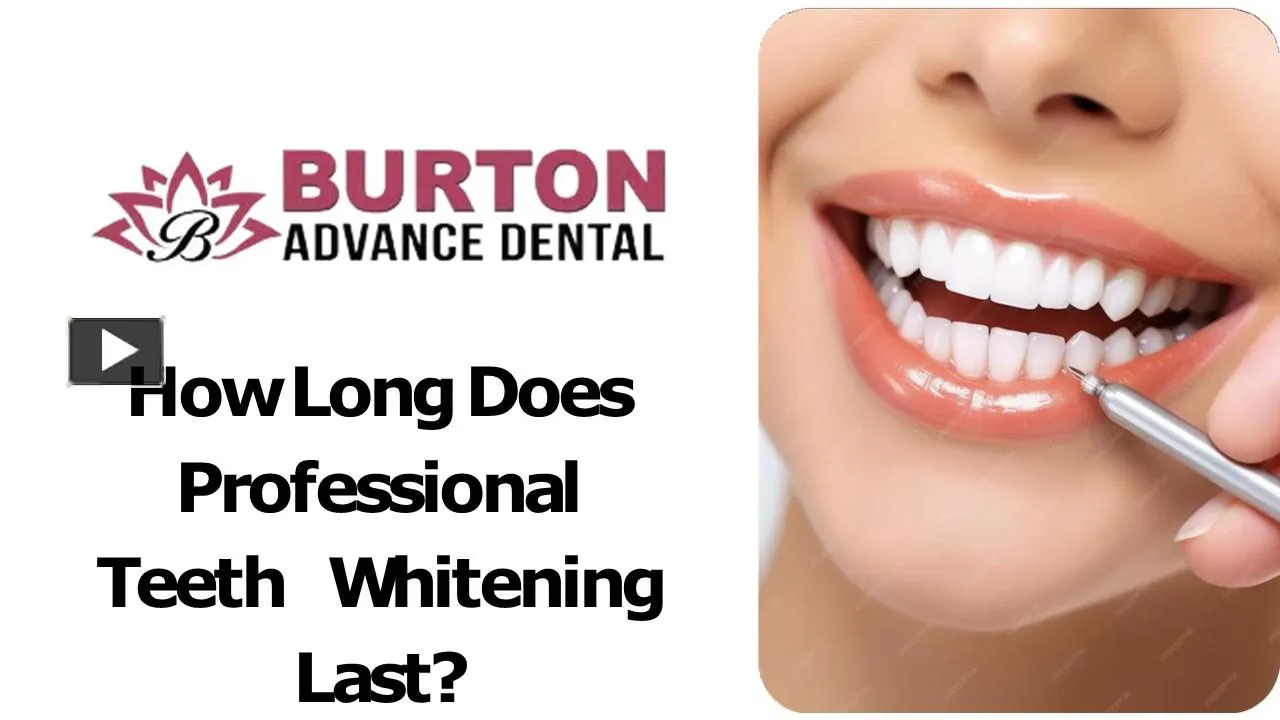
What to Expect from Professional Teeth Whitening
Professional teeth whitening is a popular cosmetic dental procedure designed to brighten your smile and remove stains. Unlike over-the-counter products, professional whitening treatments offer more potent bleaching agents and are administered under the supervision of a dental professional. This ensures not only effective results but also the safety of your teeth and gums. During the procedure, a high-concentration bleaching solution is applied to the teeth, and often, a special light or laser is used to accelerate the whitening process. The entire process is usually completed within a single dental visit, making it a convenient option for those seeking immediate results and offering significant improvement in the brightness of your teeth.
The Average Lifespan of Professional Whitening
The longevity of professional teeth whitening can vary, but on average, the results typically last from six months to three years. Several factors influence how long the whitening effects persist, including your lifestyle habits, oral hygiene practices, and the type of whitening treatment you receive. Some individuals may experience shorter durations if they frequently consume staining foods and beverages or if they smoke. Conversely, those who maintain excellent oral hygiene and avoid stain-causing substances can enjoy their brighter smiles for a longer period. Regular dental checkups and follow-up treatments can also help to extend the life of your whitening results, maintaining the brilliance of your smile over time.
Factors Influencing Whitening Duration

Dietary Habits and Whitening
Impact of Coffee, Tea, and Red Wine
The consumption of coffee, tea, and red wine can significantly impact the duration of your teeth whitening. These beverages contain chromogens, which are color-producing substances that can easily stain teeth. The tannins in tea and red wine, for instance, make it easier for these chromogens to adhere to the enamel, leading to discoloration. Similarly, the dark pigments in coffee can penetrate the porous surface of the teeth, causing stains. To prolong your whitening results, it’s advisable to limit or avoid these beverages, or to drink them with a straw to minimize contact with your teeth. Rinsing your mouth with water immediately after consuming these drinks can also help to reduce staining.
Smoking and Whitening Longevity

Smoking is a major enemy of teeth whitening, drastically reducing its lifespan. The nicotine and tar in cigarettes and other tobacco products are notorious for staining teeth and causing them to yellow. These substances create a sticky residue that readily attracts stains and discolors the enamel. Furthermore, smoking can also compromise your oral health by reducing blood flow to the gums and increasing the risk of gum disease, which can further exacerbate staining and discoloration. Therefore, quitting smoking is crucial, not only for your overall health but also to protect and extend the results of your professional teeth whitening treatment. This can help to prevent further staining and keep your smile brighter for a longer period.
Oral Hygiene Practices and Whitening
Brushing and Flossing Importance
Maintaining excellent oral hygiene is essential for preserving the results of professional teeth whitening. Brushing your teeth at least twice a day with a whitening toothpaste helps remove surface stains and prevent the build-up of plaque and bacteria. Flossing daily is equally important, as it removes food particles and plaque from between your teeth and along the gumline, areas that are often missed by brushing alone. These practices not only contribute to the longevity of your whitening treatment but also improve your overall oral health by preventing cavities and gum disease. Regular use of an antibacterial mouthwash can also help reduce the amount of staining bacteria in your mouth.
Regular Dental Checkups

Regular dental checkups and professional cleanings play a vital role in maintaining the brightness of your whitened teeth. During these visits, your dentist can remove any surface stains that may have accumulated and provide a professional cleaning to remove plaque and tartar. Dental hygienists use specialized tools to polish your teeth, helping to keep them bright and smooth. Furthermore, your dentist can assess the overall health of your teeth and gums, addressing any issues that might affect the appearance or longevity of your whitening results. These checkups are a proactive approach to ensure that your investment in teeth whitening lasts as long as possible and that your oral health remains at its best.
Type of Whitening Treatment Used
In-Office Whitening
In-office teeth whitening treatments, also known as chairside whitening, are performed by a dental professional and often provide immediate and dramatic results. These treatments typically use a higher concentration of hydrogen peroxide or carbamide peroxide than at-home kits, and a special light or laser is often used to accelerate the whitening process. Because of the higher concentration of the whitening agent, in-office treatments often yield more noticeable results in a shorter amount of time. While the initial whitening may be more intense, the longevity of the results is still subject to the factors such as diet, oral hygiene, and lifestyle. However, regular touch-up treatments, as recommended by your dentist, can help to maintain the brightness of your smile for a longer period.
At-Home Whitening Kits

At-home teeth whitening kits typically use lower concentrations of bleaching agents compared to in-office treatments, and they require more time to achieve noticeable results. These kits often include custom-fitted trays that you fill with a whitening gel and wear for a specified amount of time each day, as directed by your dentist. The longevity of the results from at-home kits is comparable to that of in-office treatments, depending on the factors discussed earlier, such as diet, smoking, and oral hygiene. While the results might not be as dramatic initially, consistent use and diligent adherence to your dentist’s instructions can yield significant improvements over time. Maintaining your results with good oral hygiene and touch-up treatments can extend the lifespan of your brighter smile.
Maintaining Your Whitening Results
Tips to Extend Whitening Effects
Using Whitening Toothpaste and Mouthwash

Using whitening toothpaste and mouthwash can significantly contribute to maintaining the results of your teeth whitening treatment. Whitening toothpastes contain mild abrasives and chemical agents that help to remove surface stains and prevent new ones from forming. When used consistently, these toothpastes can help to keep your teeth looking brighter and fresher. Whitening mouthwashes often contain ingredients such as hydrogen peroxide or other bleaching agents that further enhance the whitening effect. Combining these products with proper brushing and flossing can create a comprehensive oral hygiene routine, maximizing the longevity of your whitened smile and promoting overall oral health. However, it’s important to note that these products are most effective as a part of a broader approach to oral care.
Avoiding Staining Foods and Drinks
Avoiding or limiting the consumption of staining foods and drinks is critical to prolonging the effects of your teeth whitening treatment. Certain foods and beverages are notorious for causing discoloration, including coffee, tea, red wine, berries, and dark sauces. These substances contain pigments that can penetrate the enamel of your teeth, causing staining over time. By reducing your intake of these items, you can minimize the risk of your teeth losing their brightness. If you do consume staining items, rinsing your mouth with water immediately afterward or using a straw can help to reduce their impact. Making conscious choices in your diet and lifestyle habits is a key part of maintaining your beautifully whitened smile.
When to Consider a Touch-Up
Signs Your Whitening is Fading

It is important to recognize the signs that indicate your teeth whitening is fading. Gradually, you might notice that your teeth begin to lose their brilliance, appearing duller or more yellow than they were immediately after the whitening treatment. Increased sensitivity to hot and cold foods or drinks can also be a sign that the whitening effect is diminishing. If you observe new stains or discoloration appearing, especially after consuming staining foods or beverages, it is likely time to consider a touch-up. Being aware of these signs will help you to maintain your bright smile by taking proactive steps to refresh your whitening results.
Professional Whitening Touch-Up Options
When you notice the results of your professional teeth whitening fading, it’s time to explore touch-up options. Your dentist can offer various solutions to restore the brightness of your smile. This might involve a quick in-office whitening session or a follow-up treatment using at-home whitening kits. These touch-up treatments are a convenient way to refresh your results and maintain the beautiful, white appearance of your teeth. Your dentist can help you decide the best approach based on your individual needs and the specific type of whitening treatment you initially received. By scheduling regular touch-up appointments, you can ensure that your smile remains radiant and that you continue to enjoy the benefits of your investment in professional teeth whitening.