Understanding Teeth Whitening with a Bridge
Achieving a brighter smile is a common goal, but when you have a dental bridge, the process of teeth whitening requires a slightly different approach. A dental bridge is a restorative dental device used to replace one or more missing teeth. It’s a crucial element for maintaining oral health, but its presence influences how you can safely and effectively whiten your teeth. This article dives deep into the considerations, options, and best practices for teeth whitening when you have a bridge, helping you make informed decisions for a radiant and healthy smile.
What is a Dental Bridge
A dental bridge essentially ‘bridges’ the gap created by one or more missing teeth. It consists of artificial teeth, called pontics, which are anchored to the adjacent natural teeth (abutment teeth) on either side of the gap. These abutment teeth are often capped with dental crowns to provide support and stability for the bridge. Bridges can be made from various materials like porcelain, ceramic, or a combination of metal and porcelain. Understanding the composition of your bridge is crucial, as it will impact your whitening options.
Why Bridges and Whitening Can Be Tricky

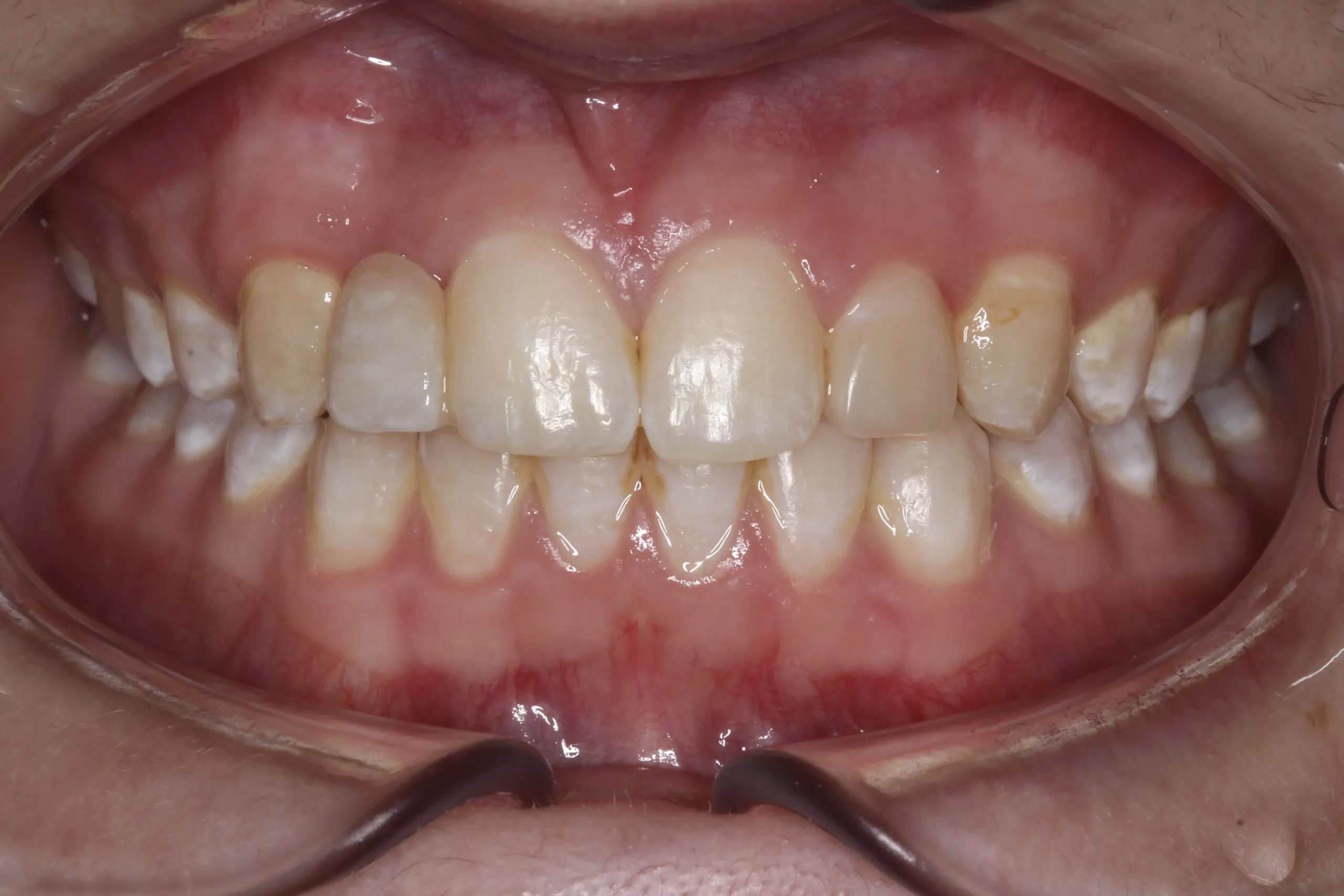
The primary challenge with teeth whitening and bridges is that the bridge itself does not whiten in the same way natural teeth do. The materials used for bridges, such as porcelain or ceramic, are designed to be stain-resistant but aren’t responsive to the bleaching agents used in whitening treatments. When you whiten your natural teeth, they become lighter, but the bridge remains the same shade. This can lead to a mismatch in color, making the bridge appear darker compared to the newly whitened teeth. This color difference is why careful planning and consultation with your dentist are essential.
Whitening Options for Teeth with Bridges
There are several teeth whitening options available, but not all of them are suitable if you have a bridge. The best approach often involves a combination of professional treatments and at-home maintenance, always under the guidance of your dentist. It’s crucial to remember that while you can whiten your natural teeth, the bridge will likely not change color. Therefore, the goal is to whiten your natural teeth to a shade that complements the bridge, or consider replacing the bridge to match your new, brighter smile.
Professional Whitening Techniques
Professional whitening provides the most effective results and is always recommended when you have a bridge. Your dentist can monitor the process and ensure the safety of your teeth and gums. Professional treatments often involve stronger bleaching agents than those available over the counter. They also protect your gums from irritation and uneven whitening. Here are the two most common methods.
Custom Tray Whitening

Custom tray whitening involves your dentist taking impressions of your teeth to create custom-fitted trays. These trays are designed to hold a professional-strength whitening gel. You’ll wear these trays with the gel for a specific amount of time each day, as directed by your dentist. This method allows for a more controlled whitening process and minimizes the risk of gum irritation.
In-Office Whitening
In-office whitening, also known as chair-side whitening, is a procedure performed in your dentist’s office. Your dentist applies a high-concentration whitening agent to your teeth and uses a special light or laser to activate the bleaching process. This method offers immediate results and is closely monitored for safety and effectiveness. Your dentist can control the shade of your teeth and avoid any issues.
Over-the-Counter Whitening Products
Over-the-counter (OTC) whitening products are widely available and can be used for teeth whitening. However, their effectiveness can be limited when you have a bridge, and they are generally less potent than professional treatments. Always consult with your dentist before using any OTC products, especially if you have a bridge, to ensure they are safe and won’t cause adverse effects. Here are some common OTC options.
Whitening Toothpastes

Whitening toothpastes contain mild abrasives or chemical agents that help remove surface stains. They can improve the overall brightness of your teeth but typically don’t change the intrinsic color of your teeth. They are generally safe for use with bridges but won’t whiten the bridge itself. Consistent use can help maintain the brightness of your natural teeth.
Whitening Strips
Whitening strips are thin, flexible strips coated with a peroxide-based whitening agent. They are applied directly to your teeth and are designed to adhere to the tooth surface. Whitening strips can be effective for lightening surface stains and providing a noticeable improvement in tooth color. However, they can sometimes cause uneven whitening, especially if not applied correctly. As with whitening toothpastes, whitening strips won’t change the color of your bridge, so be careful and speak with your dentist.
Important Considerations Before Whitening
Before starting any teeth whitening process, especially if you have a dental bridge, it’s crucial to discuss your goals and expectations with your dentist. They can assess the condition of your teeth and bridge and determine the most appropriate course of action. Several factors must be considered to ensure a successful outcome.
Material of the Bridge

The material of your dental bridge plays a significant role in determining your whitening options. Porcelain and ceramic bridges are common, but they do not respond to whitening treatments. Bridges made of composite materials may have slight changes in color, but the results are usually minimal. Your dentist will evaluate the material and discuss the potential for color matching and any limitations.
Color Matching Challenges
One of the primary challenges when whitening teeth with a bridge is matching the new shade of your natural teeth to the color of the bridge. If your natural teeth become significantly lighter, the bridge might look darker in comparison. In some cases, you might need to replace the bridge to match your new, brighter smile. Your dentist can provide guidance on this matter and explain the available options.
Potential Risks and Side Effects
Teeth whitening is generally a safe procedure, but there can be side effects, especially if you have pre-existing dental issues. The most common side effects are tooth sensitivity and gum irritation. These are usually temporary and subside once the whitening process is complete. More serious issues can arise if you have untreated cavities or gum disease. Make sure your dentist checks your teeth for these issues before beginning any whitening procedure.
Maintaining Your Bright Smile

Once you achieve your desired shade, maintaining your bright smile requires consistent effort. Good oral hygiene and regular dental check-ups are crucial for preventing stains and keeping your teeth healthy and bright. Certain lifestyle choices also contribute to long-term results.
Proper Oral Hygiene
Brushing your teeth at least twice a day with a fluoride toothpaste is essential. Flossing daily helps remove plaque and food particles from between your teeth, including around your bridge. Using an antimicrobial mouthwash can further reduce bacteria and keep your mouth clean. Keeping your mouth clean protects your natural teeth, therefore, it helps the whitening.
Regular Dental Check-ups
Visiting your dentist for regular check-ups and cleanings is vital for maintaining oral health and the brightness of your smile. Your dentist can identify and address any issues like cavities or gum disease early on. Professional cleanings remove plaque and tartar buildup, helping to maintain the color of your teeth.
Avoiding Staining Foods and Drinks

Certain foods and drinks can stain your teeth and diminish the results of your whitening treatment. Beverages like coffee, tea, and red wine are known to stain teeth. Foods like berries, curries, and soy sauce can also cause staining. Limiting the consumption of these items and rinsing your mouth with water after consuming them can help prevent stains. If you consume these items often, brush your teeth or use mouthwash after the fact.
Teeth whitening with a bridge is a journey that requires careful planning and professional guidance. While the bridge itself won’t whiten, you can still achieve a brighter, more confident smile by whitening your natural teeth and addressing the color match of your bridge. Always consult your dentist to determine the best approach for your specific situation, ensuring a healthy, radiant smile for years to come.