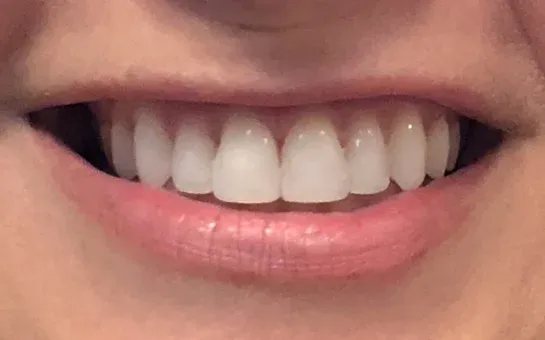
Understanding Whitening Gel and Gum Sensitivity
Tooth whitening is a popular cosmetic procedure, offering a brighter smile. However, the chemicals used in whitening gels, while effective, can sometimes cause side effects. One of the most common issues is gum sensitivity and, in more severe cases, gum burns. Understanding the causes of these issues is the first step towards preventing and treating them effectively. It’s essential to know how the active ingredients work and how they can potentially interact with the delicate tissues of your gums.
What Causes Whitening Gel to Burn Gums
Several factors contribute to gum burns from tooth whitening gels. These can range from the active ingredient itself to how the product is applied. Proper application techniques are crucial, and any deviation can increase the risk of gum irritation. The concentration of the active ingredients also plays a significant role, as higher concentrations are more likely to cause burns if they come into prolonged contact with the gums.
The Role of Hydrogen Peroxide
The primary active ingredient in most tooth whitening gels is hydrogen peroxide or a derivative like carbamide peroxide. This chemical works by breaking down stains on the teeth. However, it’s also a strong oxidizing agent, and if it comes into contact with the soft tissues of the gums for an extended period, it can cause irritation and burns. The higher the concentration of hydrogen peroxide, the greater the potential for these adverse effects.
Concentration Levels and Sensitivity
The concentration of hydrogen peroxide in whitening gels varies widely. Over-the-counter products often contain lower concentrations, while professional treatments at a dentist’s office may use significantly higher concentrations for quicker results. Individuals with sensitive gums are particularly susceptible to burns, and even lower concentrations can cause problems if the gel is not used correctly or if the tray doesn’t fit properly.
Common Symptoms of Gum Burns
Recognizing the symptoms of gum burns is important for prompt treatment and to prevent further damage. The severity of the symptoms can vary, but early detection and care can minimize discomfort and speed up the healing process. Knowing what to look for allows individuals to take immediate action and avoid complications. Ignoring these signs can lead to more severe issues, making professional dental care necessary.
Redness and Inflammation
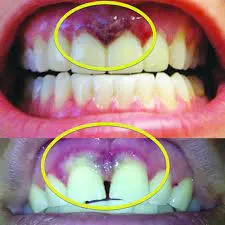
The most common symptom is redness and inflammation of the gums where the gel has made contact. This is usually the first sign that something is wrong. The gums might appear swollen and tender to the touch. If you notice this, stop the whitening treatment immediately and take steps to soothe your gums. Gentle care and avoiding irritants at this stage can prevent the condition from worsening.
Pain and Discomfort
Pain and discomfort are also common symptoms. The degree of pain can vary from mild sensitivity to intense throbbing, depending on the severity of the burn. This can make eating and drinking difficult, and it can cause general irritation. Pain management might involve over-the-counter pain relievers and avoiding hot or cold foods and drinks.
Blisters or Ulcers
In more severe cases, blisters or ulcers might form on the gums. These are open sores that can be very painful and are a sign of a more serious burn. If blisters or ulcers develop, it’s crucial to seek professional dental advice. The dentist may prescribe medication or provide specific care to prevent infection and promote healing. Ignoring this can lead to prolonged discomfort and potential infection.
How to Prevent Gum Burns from Whitening Gel

Prevention is the best strategy when it comes to gum burns from whitening gel. Taking the right precautions can significantly reduce the risk of developing this condition. This involves selecting the right product, using it correctly, and taking extra care if you have sensitive gums. Careful attention to detail can ensure a safe and effective whitening experience, allowing you to achieve a brighter smile without unnecessary discomfort.
Choosing the Right Whitening Gel
Not all whitening gels are created equal. Some are stronger than others, and some are formulated to be gentler on the gums. It’s important to consider your individual needs and sensitivities when making a choice. Always read the product information carefully and consult with your dentist if you are unsure. This step can prevent the usage of inappropriate products that may heighten the risk of gum irritation.
Consulting Your Dentist
Before starting any whitening treatment, consult your dentist. They can assess the condition of your teeth and gums, determine the best approach for your specific situation, and recommend the right product. They can also provide you with custom-fitted trays, which are designed to fit your teeth precisely and minimize contact between the gel and your gums. This consultation can prevent potential problems and increase the likelihood of a successful outcome.
Considering Gel Concentration

If you have sensitive gums, opt for a whitening gel with a lower concentration of hydrogen peroxide. Over-the-counter products often have lower concentrations and might be a safer choice. If you choose a product with a higher concentration, make sure you use it as directed and monitor your gums for any signs of irritation. Your dentist can provide advice on the optimal concentration for your needs.
Proper Application Techniques
The way you apply the whitening gel is critical in preventing gum burns. Proper application techniques minimize the risk of the gel coming into contact with your gums. Following the instructions carefully and avoiding common mistakes is vital. Pay close attention to each step to ensure both safety and effectiveness. Any shortcuts could lead to gum irritation or burns.
Avoiding Contact with Gums
When applying the gel, make sure to avoid direct contact with your gums. Use a thin layer of gel in the whitening tray and avoid overfilling. Wipe away any excess gel that spills over the tray. If you are using a brush-on product, apply it carefully to the tooth surfaces only. This careful application can significantly reduce the risk of gum irritation and burns.
Using Tray Correctly
If using whitening trays, ensure they fit properly. Ill-fitting trays can allow the gel to leak onto your gums. Custom-fitted trays from your dentist are ideal, as they provide a snug fit. Make sure to seat the tray completely over your teeth before applying the gel, and avoid biting down too hard. Proper tray use is a fundamental step in preventing gum irritation.
Managing Treatment Time
Adhering to the recommended treatment time is very important. Leaving the gel on your teeth for longer than instructed can increase the risk of gum burns. Start with shorter treatment durations and gradually increase them if you’re not experiencing any sensitivity. Always follow the product instructions carefully. Overuse can lead to a higher risk of adverse effects.
Following Instructions Carefully
Read and follow all product instructions carefully. Pay attention to the recommended application time, the amount of gel to use, and any specific precautions. If the instructions say to remove the tray after 30 minutes, don’t leave it on longer. Ignoring these instructions could increase your risk of gum burns. Make sure to understand the instructions before starting the treatment.
Avoiding Overuse

Avoid whitening your teeth too frequently. Overuse can weaken your enamel and increase the risk of gum sensitivity and burns. Space out your whitening treatments and follow the manufacturer’s recommendations regarding frequency. If you are unsure, consult with your dentist for personalized advice about frequency.
Treating Gum Burns from Whitening Gel
Even with precautions, gum burns can occur. Knowing how to treat them properly is essential for quick healing and to prevent further complications. Immediate action, combined with appropriate remedies, can minimize the discomfort and help your gums recover. This information is critical for protecting your oral health and ensuring a positive outcome.
Immediate Actions to Take
If you experience gum burns, take immediate action to minimize the damage. The quicker you respond, the better. These steps will help reduce the severity of the burn and support the healing process. Quick action can prevent the condition from worsening and help your gums recover faster. Delaying action can lead to prolonged discomfort and other issues.
Rinsing with Water
Rinse your mouth thoroughly with cool water to remove any remaining whitening gel. This helps to dilute the chemicals and prevent further irritation. Rinse gently, and avoid aggressive brushing or scrubbing of your gums. This simple step can alleviate the immediate burning sensation and help neutralize the effects of the gel.
Avoiding Irritants
Avoid irritating substances such as alcohol-based mouthwashes, spicy foods, and acidic beverages. These can exacerbate the pain and slow down the healing process. Choose a gentle mouthwash specifically designed for sensitive gums and eat soft, bland foods until your gums have fully recovered. This reduces further irritation to the sensitive tissues.
Soothing Remedies
Several remedies can help soothe your gums and speed up the healing process. These treatments offer relief from pain and inflammation, promoting a faster recovery. The goal is to provide comfort and support the natural healing mechanisms of the body. These remedies are generally safe and readily available, making them convenient options.
Using Aloe Vera or Vitamin E
Apply aloe vera gel or vitamin E oil to the affected areas. Aloe vera is known for its soothing and healing properties, while vitamin E is an antioxidant that can help reduce inflammation. These can be applied gently using a clean fingertip or cotton swab. Using natural remedies can provide relief and support the healing process effectively.
Over-the-Counter Pain Relief
Take over-the-counter pain relievers like ibuprofen or acetaminophen to manage pain and discomfort. These can help reduce inflammation and alleviate the pain. Always follow the dosage instructions on the product label. Pain relief medication can make the healing process more bearable, allowing you to continue with your daily activities.
When to Seek Professional Help
In some cases, you may need to seek professional help from your dentist. Knowing when to consult a dentist is essential. If the symptoms are severe or worsen, professional intervention is needed. Professional care ensures proper management of the problem and prevents long-term complications. Dental professionals are trained to handle a wide range of issues, ensuring patients receive the best possible care.
Signs of Infection
Watch for signs of infection, such as increased pain, pus, or fever. An infection can worsen the condition and delay healing. If you suspect an infection, consult your dentist immediately. Early treatment can prevent the spread of infection and potential complications. Dental professionals can provide antibiotics or other necessary treatments.
Severe Pain or Swelling
If you experience severe pain or swelling, seek immediate dental care. These symptoms could indicate a serious issue that requires professional attention. Your dentist can assess the extent of the damage and provide appropriate treatment. Prompt action ensures that the condition doesn’t worsen and can lead to a faster recovery. Delaying treatment can lead to more serious problems.