Understanding Teeth Whitening Trays
Teeth whitening trays are a popular and effective method for achieving a brighter, more confident smile. These trays, when used correctly, can significantly lighten the shade of your teeth, removing stains and discoloration caused by coffee, tea, smoking, and aging. This guide will walk you through everything you need to know about using teeth whitening trays effectively, from understanding the different types available to managing potential side effects and achieving optimal results. The process, while generally straightforward, requires attention to detail to ensure safety and efficacy. Understanding the fundamentals is key for a successful teeth whitening journey.
What are Teeth Whitening Trays
Teeth whitening trays are custom-fitted or pre-fabricated plastic devices designed to hold teeth whitening gel in close contact with your teeth. They are an essential part of the at-home teeth whitening process. The trays are filled with a bleaching agent, typically containing hydrogen peroxide or carbamide peroxide, which penetrates the enamel and breaks down stain molecules. The effectiveness of the trays relies on consistent use and proper application, following the instructions provided by your dentist or the product manufacturer. Regular use, as directed, will gradually lighten the teeth, providing a noticeable difference in the overall appearance of your smile.
Different Types of Teeth Whitening Trays

There are primarily two types of teeth whitening trays available custom trays and pre-made trays. The choice between these options often depends on individual needs, budget, and the desired level of whitening. Each type has its own set of advantages and disadvantages, making it crucial to consider what best suits your specific requirements. The most important factor is how well the tray fits your teeth, as a proper fit ensures the whitening gel remains in contact with the teeth and minimizes the risk of leakage or swallowing the gel.
Custom Trays vs. Pre-made Trays
Custom trays are created by a dentist, who takes an impression of your teeth to ensure a perfect fit. This personalized approach provides several benefits, including better coverage of the teeth and reduced risk of gel leakage. Pre-made trays, on the other hand, are available over-the-counter and are designed to fit a range of mouth sizes. While they are more affordable and readily available, they may not provide the same level of precision or comfort as custom trays. The effectiveness and comfort of the whitening process are directly influenced by the type of tray you choose. Custom trays generally offer superior results and a more comfortable experience.
How to Prepare Your Teeth for Whitening
Preparing your teeth is a crucial step in the teeth whitening process. It not only enhances the effectiveness of the treatment but also ensures your safety and comfort. Proper preparation includes thorough cleaning and addressing any existing dental issues. The goal is to provide a clean surface for the whitening gel to work and minimize the risk of complications. Taking the time to prepare your teeth properly sets the stage for a successful whitening experience.
Brushing and Flossing Before Use

Before applying the whitening gel and inserting the tray, it is essential to brush and floss your teeth. This removes any food particles, plaque, and surface stains that could hinder the whitening process. Use a soft-bristled toothbrush and fluoride toothpaste to gently clean each tooth. Flossing helps remove debris from between your teeth, areas where the whitening gel needs to reach effectively. Ensuring your teeth are clean is fundamental to the success of the treatment. This step creates a clean surface for the whitening agent, allowing it to penetrate the enamel more effectively.
The Importance of a Dental Check-up
Before starting any teeth whitening treatment, it’s highly recommended to have a dental check-up. Your dentist can assess the overall health of your teeth and gums, identify any potential issues like cavities or gum disease, and ensure that whitening is a suitable option for you. Whitening treatments may not be appropriate for everyone, especially those with sensitive teeth or certain dental conditions. Professional advice helps prevent complications and ensures the best possible outcome. A dental check-up can also address any existing issues that may affect the outcome of the whitening process.
Step-by-Step Guide to Using Whitening Trays
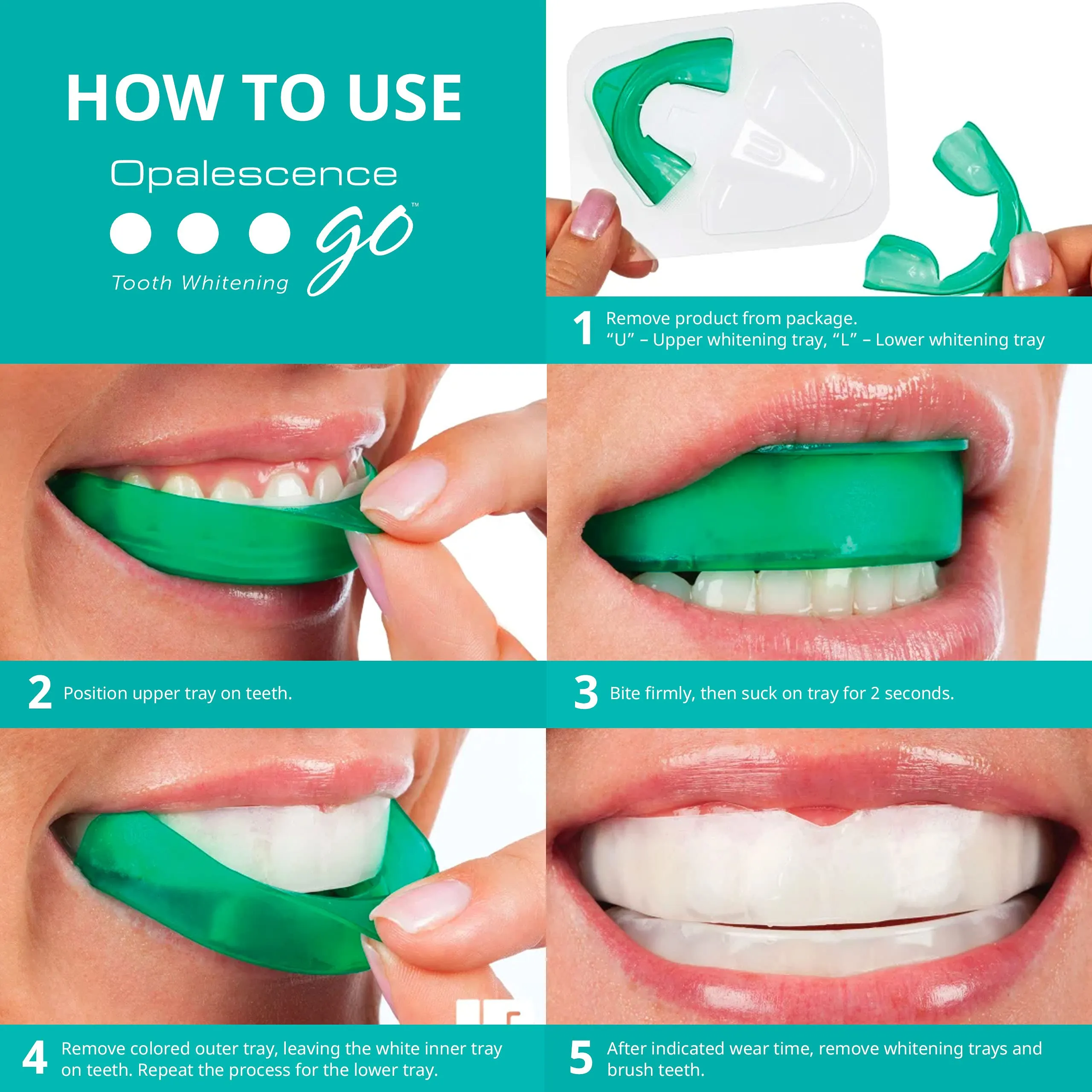
Using teeth whitening trays effectively requires following a specific set of steps to ensure the best results and minimize potential side effects. From applying the gel to cleaning the trays, each step plays a vital role in the overall process. This comprehensive guide will walk you through the correct method, providing clear instructions to help you achieve a brighter, whiter smile. Careful adherence to these steps will not only enhance the whitening effect but also protect your oral health throughout the treatment.
Applying the Whitening Gel

Carefully apply a small amount of whitening gel to the tray. Avoid overfilling, as this can cause the gel to leak and irritate your gums. Usually, a small bead of gel along the inner surface of the tray, where it contacts the teeth, is sufficient. The amount of gel you use depends on the specific product and your dentist’s instructions. Too much gel can lead to discomfort and potentially cause the gel to come into contact with your gums. Start with a smaller amount and increase it gradually if needed, always following the manufacturer’s guidelines and your dentist’s advice.
Inserting the Tray
Once the gel is applied, carefully insert the tray into your mouth, ensuring it fits snugly over your teeth. Press the tray gently to allow it to conform to your teeth. Remove any excess gel that might have squeezed out with a clean tissue or cotton swab. A snug fit is essential for the whitening gel to remain in contact with your teeth and prevent saliva from diluting the gel. Make sure the tray is correctly positioned to cover all of your teeth evenly. Proper insertion contributes significantly to the effectiveness of the whitening treatment.
Wear Time and Frequency
Follow your dentist’s or the product manufacturer’s instructions for wear time and frequency. This typically involves wearing the trays for a specific amount of time each day, often ranging from 30 minutes to several hours, or even overnight. The duration depends on the concentration of the whitening agent and the desired level of whitening. Consistency is key to achieving the desired results. Avoid exceeding the recommended wear time, as this can increase the risk of tooth sensitivity and gum irritation. Regularly using the trays as directed is essential for a brighter smile.
Managing Saliva Production

Excessive saliva production is a common issue when using teeth whitening trays. Saliva can dilute the whitening gel, reducing its effectiveness, and can also cause discomfort. Managing saliva during the treatment is crucial to ensure optimal results and a more comfortable experience. Several techniques can help you deal with this common challenge, allowing you to undergo the teeth whitening process with ease and efficiency. Understanding the causes of increased saliva production and employing simple strategies can make a significant difference.
What Causes Excessive Saliva
The presence of the whitening trays in your mouth can trigger the salivary glands to produce more saliva. This is a natural response, as the body attempts to remove the foreign object. The taste of the whitening gel may also stimulate saliva production. Furthermore, the irritation caused by the tray or gel can prompt the salivary glands to work harder. Understanding these triggers is the first step in managing saliva production effectively. This knowledge will assist you in implementing strategies to minimize the impact of excess saliva during your whitening sessions.
Tips to Reduce Saliva During Treatment
Here are some helpful tips to reduce saliva production while using teeth whitening trays
- Before inserting the tray, rinse your mouth with a small amount of water or mouthwash. This can help reduce the initial saliva buildup.
- Swallow frequently and deliberately to clear excess saliva.
- Use a dry tissue or cotton swab to absorb saliva that accumulates in your mouth. You can discreetly dab the inside of your mouth to soak up the saliva without disrupting the process.
- Avoid talking as this stimulates saliva production. If you need to speak, try to keep your mouth closed.
- Consider a saliva ejector if excessive saliva is a significant problem, which can be recommended by your dentist.
By implementing these techniques, you can effectively manage saliva production and enhance your teeth whitening experience.
Cleaning and Maintaining Your Trays

Proper cleaning and maintenance of your teeth whitening trays are essential for their longevity, effectiveness, and hygiene. Regular cleaning prevents the buildup of bacteria and ensures that the trays remain in good condition. Taking care of your trays also helps in preventing potential infections and extends their lifespan. Following these cleaning and storage guidelines guarantees that your whitening trays remain in optimal condition, ready for each treatment session.
Cleaning Your Trays
After each use, rinse your trays thoroughly with cold water. You can gently scrub them with a soft toothbrush and mild soap or a denture cleaner. Avoid using hot water, as it can warp the plastic. Make sure to remove all traces of the whitening gel. Rinse the trays thoroughly to remove any soap residue. Clean your trays after every use to prevent bacterial growth and ensure that the whitening process remains hygienic. Regular cleaning also helps to prevent staining of the trays themselves, which could affect their appearance and performance over time.
Storing Your Trays
After cleaning, allow your trays to air dry completely before storing them. Store them in a clean, dry place, away from direct sunlight and heat, to prevent any damage. Use the storage case provided by your dentist or the product manufacturer. Proper storage ensures that your trays remain clean, safe, and ready for your next whitening session. It helps protect them from environmental factors and keeps them in optimal condition for a long time. Correct storage extends the life of your trays and helps maintain their effectiveness.
Potential Side Effects and Solutions

While teeth whitening trays are generally safe, some users may experience side effects. Being aware of these potential issues and knowing how to address them can help you manage any discomfort and ensure a positive experience. Common side effects include tooth sensitivity and gum irritation. Understanding how to deal with these issues is crucial for a successful teeth whitening process. Taking proactive measures will minimize any discomfort, and you can continue your treatment with confidence.
Tooth Sensitivity
Tooth sensitivity is a common side effect. You may experience a temporary increase in sensitivity to hot or cold foods and drinks. To manage this, you can use toothpaste designed for sensitive teeth containing potassium nitrate. Reduce the wear time or frequency of the trays. Avoid acidic foods and drinks during the treatment. If the sensitivity is severe, consult your dentist. Tooth sensitivity is typically temporary, but taking these measures can alleviate discomfort during the whitening process. Using a toothpaste designed for sensitive teeth is often effective.
Gum Irritation
Gum irritation can occur if the whitening gel comes into contact with your gums. This can manifest as redness, swelling, or soreness. To prevent this, make sure the trays fit correctly and avoid overfilling them with gel. Wipe away any excess gel that comes in contact with your gums. If irritation occurs, take a break from whitening until your gums heal. Rinse your mouth with warm salt water to soothe your gums. If the irritation persists, contact your dentist. Correct tray fit and proper gel application are key to minimizing gum irritation. Avoid excessive gel usage to prevent any contact with gum tissues.
When to See Your Dentist

It’s important to contact your dentist if you experience severe or persistent side effects, such as extreme tooth sensitivity or significant gum irritation. Your dentist can assess the situation and provide guidance on how to proceed. They may recommend adjustments to your treatment plan or suggest alternative solutions. Regular check-ups during and after the whitening process are essential for ensuring optimal oral health. Early intervention can prevent minor issues from escalating into more serious problems. Always seek professional help if you have any concerns.
Achieving Optimal Results
To achieve the best possible results with teeth whitening trays, it’s important to have realistic expectations and follow the recommended guidelines. Understanding what to expect and how to maintain your results ensures a successful teeth whitening journey. Combining proper techniques with consistent care helps you attain and preserve a brighter, more confident smile. Setting realistic goals and maintaining good oral hygiene practices are essential for long-term success.
Realistic Expectations
Teeth whitening trays can significantly improve the appearance of your smile, but it’s essential to have realistic expectations. The degree of whitening varies depending on the individual and the type of stains present. Results can range from a few shades lighter to several shades brighter. Not everyone will achieve the same level of whitening. Be patient and consistent with your treatment, and discuss your expectations with your dentist. Understanding that the results can vary from person to person and that multiple sessions may be necessary can help you to have a positive experience. Always consider your individual circumstances and work with your dentist to set reasonable goals.
Maintaining Your White Smile
Once you’ve achieved your desired level of whiteness, it’s crucial to maintain your results. Regular dental check-ups and cleanings are essential for preserving your bright smile. Avoiding or minimizing the consumption of staining foods and beverages, such as coffee, tea, and red wine, can help prevent discoloration. Maintaining excellent oral hygiene, including brushing and flossing regularly, will also contribute to keeping your teeth white. Periodic touch-up treatments with your whitening trays can help maintain your desired results over time. Proper maintenance will ensure that your teeth stay white for a long time, giving you a confident smile.
Final Thoughts
Using teeth whitening trays effectively requires a combination of proper preparation, consistent use, and diligent maintenance. By understanding the different types of trays, preparing your teeth correctly, managing potential side effects, and following the recommended guidelines, you can achieve a brighter, more confident smile. Remember to consult with your dentist before starting any whitening treatment and address any concerns or issues promptly. With the right approach, teeth whitening trays can be a safe and effective way to enhance your smile and improve your overall self-esteem. Embrace the process, be patient, and enjoy the transformation.