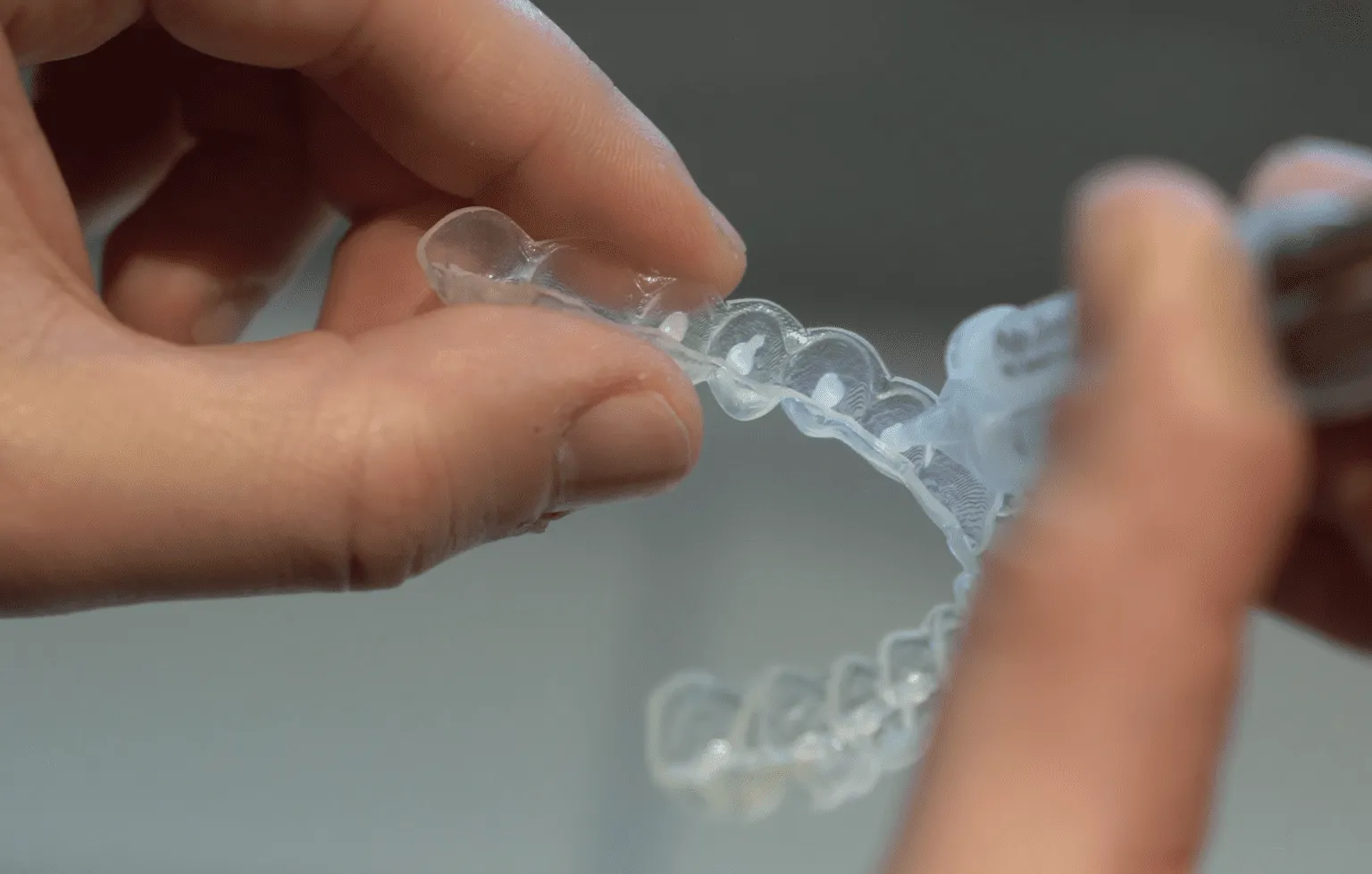
What is Whitening Gel
Whitening gel is a cosmetic dental product designed to lighten the color of your teeth. It typically contains bleaching agents, such as hydrogen peroxide or carbamide peroxide, which penetrate the enamel and dentin to break down stain molecules. The effectiveness of the gel depends on the concentration of the active ingredient, the duration of application, and the type of stains present on your teeth. Whitening gel can be a highly effective way to achieve a brighter, more radiant smile, boosting your confidence and improving your overall appearance. Understanding what whitening gel is and how it works is the first step towards achieving the dazzling results you desire.
Types of Whitening Gels
There are several types of whitening gels available, each with its own application method and concentration of active ingredients. Over-the-counter (OTC) whitening gels are often available in lower concentrations and are generally less effective than professional treatments. These can be found in strips, trays, or paint-on applicators. Professional whitening gels, on the other hand, are dispensed by a dentist and contain higher concentrations of bleaching agents. These gels are typically used in custom-fitted trays or during in-office procedures, which can provide faster and more noticeable results. The choice of whitening gel depends on your individual needs, the severity of the staining, and the desired level of whitening. Consulting with your dentist can help you determine the most appropriate type of whitening gel for your specific situation, ensuring both safety and effectiveness.
How to Choose the Right Whitening Gel

Choosing the right whitening gel involves careful consideration of your needs and goals. Begin by assessing the current condition of your teeth and the type of stains you wish to address. Consider whether the stains are intrinsic (inside the tooth) or extrinsic (on the surface). Extrinsic stains, often caused by coffee, tea, or tobacco, are generally easier to remove than intrinsic stains, which may require professional treatment. Next, determine your desired level of whitening and the timeframe in which you want to see results. If you are looking for fast and dramatic results, professional whitening with a higher concentration of bleaching agents might be the best option. For milder stains or a gradual whitening process, OTC options could be sufficient. Always consult your dentist before starting any whitening treatment, especially if you have sensitive teeth, existing dental work, or other oral health concerns. They can guide you toward the most appropriate and safest choice for achieving your desired dazzling results. (Image: Choosing-whitening-gel.webp)
Factors to Consider When Choosing
Several factors influence your choice of whitening gel, including the concentration of the active ingredient, the application method, and your individual oral health. Gels with higher concentrations of hydrogen peroxide or carbamide peroxide tend to provide faster and more significant whitening results, but they may also increase the risk of tooth sensitivity or gum irritation. Consider your teeth’s sensitivity level and any existing dental work, such as fillings, crowns, or veneers. These restorations do not whiten in response to bleaching agents, and the whitening process can cause uneven results. Your dentist can help you assess these factors and recommend a product that suits your needs and oral health. Remember to always follow the instructions provided with the whitening gel and avoid overuse, as this can lead to complications.
Whitening Gel Application Steps
Applying whitening gel correctly is essential for achieving optimal results and minimizing potential side effects. The specific steps vary depending on the type of gel and application method, but general guidelines remain. Always start by brushing and flossing your teeth thoroughly to remove any plaque or food particles. This ensures the gel can effectively penetrate the enamel. Next, if using a tray system, load the gel into the tray according to the manufacturer’s instructions, making sure it is evenly distributed. Avoid overfilling, as this can lead to the gel leaking out and irritating your gums. Carefully insert the tray into your mouth, ensuring that it covers all of your teeth. Follow the recommended wear time, which can range from a few minutes to several hours, depending on the gel’s concentration and your dentist’s recommendations. After the designated time, remove the tray, rinse your mouth thoroughly, and brush your teeth to remove any remaining gel. Following these steps correctly will help you achieve dazzling results with your whitening treatment. (Image: whitening-gel-application.webp)
Preparing Your Teeth for Application

Proper preparation is crucial for a successful whitening gel application. Begin by brushing and flossing your teeth to remove any surface debris and plaque. This allows the whitening agent to come into direct contact with the enamel, enhancing its effectiveness. Before applying the gel, make sure your teeth are dry. Gently blot your teeth with a clean tissue or cotton swab to remove any excess moisture. This helps the gel adhere to the surface of your teeth. If you have sensitive teeth, you may want to use a desensitizing toothpaste for a few weeks prior to starting the whitening treatment. Desensitizing toothpaste helps to minimize discomfort during and after the application. For custom tray systems, ensure that the tray fits snugly around your teeth. This prevents the gel from leaking onto your gums, which can cause irritation. By taking these preparatory steps, you can maximize the benefits of your whitening gel and achieve the dazzling results you desire. (Image: prepping-teeth-whitening.webp)
Step-by-Step Application Guide
The exact application steps depend on the type of whitening gel you are using, so it’s essential to follow the manufacturer’s instructions carefully. However, here’s a general guide. First, brush and floss your teeth thoroughly. Then, load the gel into the whitening tray, following the instructions provided. Insert the tray into your mouth, ensuring the gel covers the surface of your teeth. Avoid overfilling the tray, as this can lead to gum irritation. Wear the tray for the recommended amount of time, usually 30 minutes to a few hours, or as directed by your dentist. After the wear time, remove the tray and rinse your mouth thoroughly with water. Brush your teeth again to remove any remaining gel. If you experience any discomfort or sensitivity, stop using the gel and consult your dentist. Following these steps consistently and correctly will help you achieve and maintain a dazzling, white smile. (Image: whitening-gel-application.webp)
Post-Application Care
Proper post-application care is essential to maximize the benefits of your whitening treatment and minimize any potential side effects. After each application, thoroughly rinse your mouth with water. It’s also important to brush your teeth gently with a soft-bristled toothbrush to remove any remaining gel and plaque. Avoid eating or drinking anything, other than water, for at least 30 minutes after applying the gel. This allows the whitening agents to continue working effectively. If you experience any sensitivity, use a toothpaste designed for sensitive teeth. This will help to soothe any discomfort. Following these simple steps can help you achieve and maintain a beautiful, white smile. (Image: post-application-care.webp)
Tips for Maintaining Your Results

Maintaining your dazzling results requires a consistent approach to oral hygiene and lifestyle adjustments. Brush your teeth at least twice a day with fluoride toothpaste, and floss daily to remove plaque and food particles. Consider using an electric toothbrush, which can be more effective at removing stains and maintaining whiteness. Regular dental checkups and cleanings are also crucial for maintaining a healthy smile. Your dentist can remove any surface stains and monitor your progress. Additionally, be mindful of your diet. Limit your intake of stain-causing foods and beverages, such as coffee, tea, red wine, and dark-colored berries. If you consume these items, rinse your mouth with water or brush your teeth soon after to minimize staining. Avoid smoking, as tobacco products can significantly discolor your teeth. Using these tips consistently will help keep your smile bright and beautiful. (Image: teeth-whitening-results.webp)
Foods and Drinks to Avoid
Certain foods and drinks can stain your teeth and diminish the results of your whitening treatment. To maintain your bright smile, limit your consumption of these items. Coffee and tea contain tannins, which can stain tooth enamel. Red wine also contains tannins and chromogens, contributing to discoloration. Dark-colored sodas, fruit juices, and sports drinks can also cause staining. Foods like berries (blueberries, blackberries, raspberries) and sauces (soy sauce, tomato sauce, curry) can stain your teeth due to their intense pigments. Smoking and chewing tobacco are major contributors to tooth discoloration and should be avoided. If you consume these items, rinse your mouth with water or brush your teeth promptly after consumption to help minimize staining. A balanced diet with plenty of water and teeth-friendly foods will help you maintain a dazzling smile. (Image: healthy-smile.webp)
Oral Hygiene for Long-Lasting Results
Maintaining excellent oral hygiene is crucial for preserving the results of your whitening treatment. Brush your teeth at least twice a day with a fluoride toothpaste. Brushing after meals, especially after consuming staining foods or drinks, can prevent stains from setting in. Floss daily to remove plaque and food particles from between your teeth and along the gum line. Using an antibacterial mouthwash can further reduce bacteria and help keep your mouth clean. Regular dental checkups and professional cleanings are essential. Your dentist can remove any stubborn stains and monitor the health of your teeth and gums. Consider using a whitening toothpaste or mouthwash for added maintenance, but use these products as directed to avoid over-whitening. Consistent oral hygiene practices, combined with a healthy diet, will help you enjoy a bright, confident smile for years to come.
Potential Side Effects of Whitening Gel

While whitening gel is generally safe, it can cause side effects. Tooth sensitivity is a common issue, especially with higher concentrations of bleaching agents. This sensitivity usually subsides shortly after the treatment ends. Gum irritation is another potential side effect, often due to the gel coming into contact with the gums. This irritation can manifest as redness, swelling, or soreness. In rare cases, more severe side effects, such as damage to the tooth enamel or nerve damage, can occur, particularly with improper use or excessive application. Always follow the manufacturer’s instructions and consult your dentist if you experience any unusual symptoms. Discussing potential side effects with your dentist beforehand can help you manage any discomfort and ensure a safe and effective whitening experience.
Common Side Effects and Solutions
The most common side effects of whitening gel are tooth sensitivity and gum irritation. Tooth sensitivity can be managed by using a desensitizing toothpaste before, during, and after treatment. Avoiding extremely hot or cold foods and drinks can also help. If sensitivity is severe, consult your dentist; they may recommend a lower concentration of gel or shorter application times. Gum irritation, often caused by the gel coming into contact with the gums, can be minimized by ensuring the whitening tray fits properly and does not leak. If irritation occurs, rinse your mouth thoroughly with water and avoid applying the gel until the gums have healed. Your dentist can provide guidance and offer solutions to mitigate these side effects, allowing you to continue with the whitening process safely and comfortably. Always follow the instructions and consult with your dentist if you have concerns.
When to Consult a Dentist
It’s essential to consult your dentist before starting any whitening treatment. They can assess the health of your teeth and gums, identify any potential problems, and recommend the most appropriate whitening method. You should also consult your dentist if you experience any unusual or severe side effects, such as significant tooth sensitivity or persistent gum irritation. They can determine if the treatment is causing the issue and provide solutions, such as adjusting the application time or concentration of the gel. Additionally, if you have any existing dental work, such as fillings, crowns, or veneers, your dentist can advise you on how these restorations may be affected by the whitening process. Regular dental checkups are crucial for maintaining the health of your teeth and ensuring your whitening treatment is safe and effective. Your dentist is your best resource for achieving and maintaining a dazzling smile.
Benefits of Using Whitening Gel

Whitening gel offers several benefits for those seeking a brighter, more confident smile. It effectively removes stains and discoloration caused by coffee, tea, tobacco, and aging. This can lead to a significant improvement in your smile’s appearance, making it appear healthier and more youthful. A brighter smile can also boost your self-esteem and confidence, positively impacting your social interactions and professional life. Whitening gel can be a relatively affordable and convenient way to enhance your smile, especially when compared to more invasive cosmetic procedures. The results are often noticeable within a few weeks, providing a quick and effective cosmetic solution. By using whitening gel, you can achieve a dazzling, radiant smile that reflects your overall health and vitality.
Achieving a Confident Smile
Achieving a confident smile is within reach with the help of whitening gel. A brighter, whiter smile can significantly enhance your self-esteem and make you feel more comfortable and confident in social situations. Whitening gel can effectively remove stains and discoloration, restoring your smile’s natural radiance. A confident smile can also positively impact your professional life, creating a better first impression and boosting your overall communication skills. The results of whitening gel are often noticeable within a few weeks, providing a relatively quick and affordable way to transform your smile. Consistent use and maintenance, including proper oral hygiene and a healthy lifestyle, will help you maintain your dazzling smile and enjoy a renewed sense of self-assurance. Embrace the power of a confident smile and experience the positive impact it has on your life. (Image: healthy-smile.webp)
Maximizing Your Smile’s Radiance
To maximize your smile’s radiance, combine the use of whitening gel with other positive oral hygiene practices. Brush your teeth at least twice a day with fluoride toothpaste and floss daily to remove plaque and food particles. Regular dental checkups and professional cleanings are crucial for maintaining the health of your teeth and removing any surface stains. Consider using a whitening toothpaste or mouthwash for added maintenance. Be mindful of your diet and limit your intake of stain-causing foods and drinks, such as coffee, tea, and red wine. If you consume these items, rinse your mouth with water or brush your teeth soon after to minimize staining. Avoid smoking and chewing tobacco, as they can significantly discolor your teeth. By following these guidelines, you can maintain a dazzling smile that enhances your overall appearance and boosts your confidence. Remember that consistency and a proactive approach to oral health are key to achieving and maintaining a radiant smile. (Image: healthy-smile.webp)