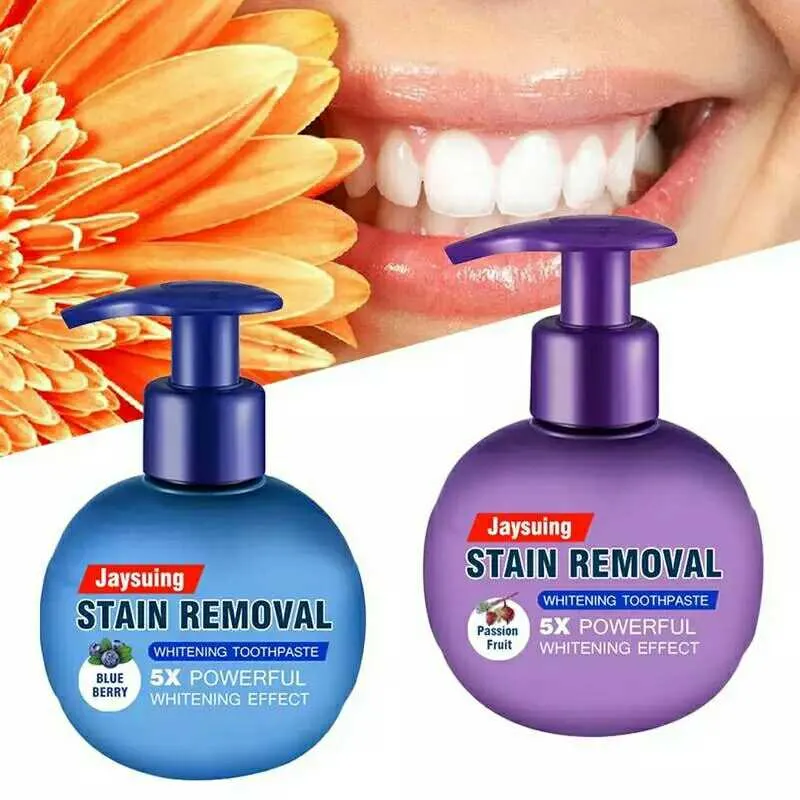
Understanding Tooth Stains
Tooth stains are a common cosmetic concern, affecting people of all ages. These discolorations can range from subtle yellowing to more pronounced brown or even black spots. Understanding the nature of tooth stains is the first step toward effective removal. Stains can impact your confidence and the overall aesthetics of your smile. Fortunately, various methods, including the use of whitening toothpaste, are available to address and mitigate these issues. Awareness of the causes and types of stains is vital for selecting the correct approach and achieving the desired results. Knowing the science behind stains empowers you to make informed choices in maintaining and improving your oral health.
Common Causes of Tooth Stains
Tooth stains are often caused by a combination of factors. Dietary habits play a significant role, with foods and beverages high in tannins, such as coffee, tea, red wine, and berries, being major culprits. These substances readily adhere to the enamel, leading to discoloration over time. Tobacco use, whether through smoking or chewing, is another significant contributor, leaving behind stubborn stains that can be difficult to remove. Poor oral hygiene, including infrequent brushing and flossing, allows plaque and bacteria to accumulate, which can also contribute to staining. Certain medications and medical conditions can also affect the color of your teeth. Recognizing these common causes can help you implement preventive measures, such as modifying your diet, quitting smoking, and establishing a consistent oral hygiene routine. This proactive approach is essential for maintaining a bright, healthy smile.
Surface Stains vs. Intrinsic Stains

Tooth stains are broadly categorized into two types surface stains and intrinsic stains. Surface stains, also known as extrinsic stains, affect the outer layer of the tooth, the enamel. These stains are usually caused by food, drinks, and tobacco, and are typically easier to remove through brushing, professional cleanings, or whitening toothpaste. Intrinsic stains, on the other hand, originate from within the tooth structure, the dentin. These stains can be caused by aging, certain medications, excessive fluoride exposure, or trauma to the tooth. Intrinsic stains are often more challenging to treat and may require professional dental procedures such as bleaching or veneers. Differentiating between these types is crucial in determining the most suitable treatment approach for your particular staining issues.
How Whitening Toothpaste Works
Whitening toothpaste works through various mechanisms to help remove surface stains and brighten your teeth. Many whitening toothpastes contain mild abrasives, such as silica or hydrated alumina, that gently polish the enamel surface, removing stains and giving the teeth a brighter appearance. Some whitening toothpastes also contain chemical agents like hydrogen peroxide or carbamide peroxide, which help to break down stain molecules, leading to a whitening effect. These ingredients penetrate the enamel and dentin, oxidizing the stain compounds and lightening the tooth’s color. The effectiveness of whitening toothpaste varies depending on the ingredients, concentration, and frequency of use. Regular use, combined with good oral hygiene practices, can help maintain a brighter smile. However, it’s important to note that whitening toothpaste is most effective on surface stains, and results may not be as dramatic as with professional whitening treatments.
Key Ingredients in Whitening Toothpaste
Several key ingredients contribute to the stain-removing and whitening properties of toothpaste. Abrasives are a common component, serving to physically scrub away surface stains. Hydrogen peroxide and carbamide peroxide are also frequently used as bleaching agents, oxidizing stain molecules for a whitening effect. Fluoride is another critical ingredient, strengthening tooth enamel and protecting against cavities, while also indirectly contributing to a whiter smile by maintaining overall tooth health. Some whitening toothpastes may also include enzymes, which break down stain-causing proteins. Always check the product label to understand the specific ingredients and their concentrations, and choose a toothpaste that suits your needs and sensitivity levels. Consult with your dentist if you have concerns about any specific ingredients or their potential effects.
Hydrogen Peroxide

Hydrogen peroxide is a common and effective ingredient in whitening toothpaste, functioning as a bleaching agent. When applied to the teeth, it releases oxygen, which penetrates the enamel and breaks down stain molecules, leading to a lighter appearance. The concentration of hydrogen peroxide in toothpaste is typically lower than that used in professional bleaching treatments, making it a gentler option for daily use. While effective for removing surface stains and lightening tooth color, hydrogen peroxide can cause temporary tooth sensitivity in some individuals. For this reason, it’s essential to adhere to the product instructions and consult with your dentist, especially if you have sensitive teeth or other oral health issues. The appropriate use of hydrogen peroxide can greatly enhance your smile’s brightness, promoting both aesthetics and confidence.
Baking Soda
Baking soda, also known as sodium bicarbonate, is a natural abrasive often found in whitening toothpaste. Its gentle abrasive properties help to polish the teeth, removing surface stains and plaque without damaging the enamel. Baking soda also possesses mild antibacterial properties, contributing to overall oral health. While effective in removing surface stains, baking soda may not be as effective for intrinsic stains. Some people experience increased sensitivity with baking soda toothpaste, so it’s advisable to use it cautiously and watch for any adverse effects. Because baking soda is a natural ingredient, it’s a popular choice for individuals seeking a more gentle approach to stain removal. Consider incorporating baking soda toothpaste into your routine to achieve a cleaner, brighter smile.
Whitening Toothpaste Application Techniques
To maximize the effectiveness of whitening toothpaste, it’s important to follow proper application techniques. Use a soft-bristled toothbrush and apply a pea-sized amount of toothpaste. Brush your teeth gently in a circular motion, covering all surfaces of each tooth. Brush for at least two minutes, twice a day. Ensure you reach all areas, including the back teeth, where stains often accumulate. After brushing, spit out the toothpaste and rinse your mouth thoroughly with water. Avoid swallowing the toothpaste, and be mindful of any sensitivity or irritation. Consider incorporating other oral hygiene practices, such as flossing and mouthwash, to enhance your results. Regular and consistent application, coupled with appropriate brushing techniques, will help optimize the stain-removing and whitening benefits of your toothpaste.
Choosing the Right Whitening Toothpaste

Selecting the correct whitening toothpaste involves considering several factors. First, evaluate the ingredients. Look for toothpastes with abrasive agents like silica or baking soda, and bleaching agents like hydrogen peroxide. Consider the concentration of these ingredients based on your sensitivity and desired results. Review the reviews from other users; consider if the toothpaste is a good fit for you. Read reviews to see how effectively it removes stains and if it causes any sensitivity. Consider any added benefits such as fluoride for cavity protection, or ingredients for sensitivity relief. Try different options and monitor your teeth’s response. Consult with your dentist to receive personalized recommendations that align with your specific needs and oral health conditions. Making an informed choice will lead to more effective stain removal and a brighter, healthier smile.
Reading Whitening Toothpaste Reviews
Reading whitening toothpaste reviews can offer valuable insights before making a purchase. Look for reviews that describe personal experiences, results, and any side effects. Consider if the reviews are from verified users, indicating genuine feedback. Evaluate the consistency of positive and negative comments. Pay attention to reviews that specify the types of stains the toothpaste effectively removes and the time it takes to see results. Be cautious of biased reviews, and seek a range of opinions to get a comprehensive understanding. Cross-reference reviews with information from dental professionals and other credible sources. Reviewing consumer feedback can help you identify toothpastes that suit your needs and set realistic expectations for results. This process ensures you select a product that aligns with your oral health goals.
Ingredients to Avoid
While choosing a whitening toothpaste, it’s important to be aware of ingredients that may cause adverse effects. Avoid toothpastes that contain high concentrations of abrasive particles if you have sensitive teeth, as these can wear down enamel. Sodium lauryl sulfate (SLS) is a foaming agent that can cause irritation, especially for individuals with canker sores. Some toothpastes may contain artificial colors and flavors, which can lead to allergic reactions in some people. Always check for any components you might be allergic to. If you notice any discomfort, discontinue use and consult with your dentist. Choosing toothpastes free from these ingredients can help prevent irritation and maintain optimal oral health. Careful ingredient selection contributes to a safe and effective whitening experience.
Top Whitening Toothpaste Recommendations

Several whitening toothpastes consistently receive positive reviews and recommendations from dental professionals. Popular choices often include brands that offer a balance of effective stain removal and enamel protection. Some well-regarded toothpastes contain a blend of gentle abrasives and hydrogen peroxide. Others incorporate fluoride for cavity protection. Look for brands that offer clinically proven results and are specifically formulated for sensitive teeth, if needed. Many of the top-rated toothpastes come in different flavors and formulas, catering to varied preferences. Always consult your dentist for personalized advice on the best whitening toothpaste to meet your unique needs. Following your dentist’s recommendations, you can select the best product and achieve the desired results.
Maintaining Results and Preventing Future Stains
Maintaining the results of your whitening toothpaste and preventing future stains requires a comprehensive approach to oral hygiene. Proper and consistent brushing, twice daily for two minutes each time, is essential. Combine brushing with regular flossing to remove plaque and food particles from between teeth. Limit your consumption of staining foods and beverages, such as coffee, tea, and red wine. Consider using a straw to reduce contact between these drinks and your teeth. Quit smoking, as tobacco is a significant cause of stains. Schedule regular dental check-ups and professional cleanings to remove surface stains and maintain overall oral health. Following these practices will help you preserve your bright smile and protect your teeth from future discoloration.
Proper Brushing and Flossing Techniques
Effective brushing and flossing techniques are crucial for maintaining a healthy, bright smile. Use a soft-bristled toothbrush and hold it at a 45-degree angle to your gumline. Brush gently, using a circular or vibrating motion, to clean all surfaces of each tooth. Brush for at least two minutes, twice a day. Floss daily, using a gentle sawing motion to remove plaque and food particles from between your teeth. Ensure you reach the back teeth. Consider using an interdental brush or water flosser for deeper cleaning. Brushing and flossing work together to prevent stains and maintain overall oral health. When performed correctly, these practices are critical for maintaining a bright smile and preventing staining.
Dietary Considerations

Your diet plays a significant role in preventing tooth stains. Certain foods and beverages are more prone to causing discoloration. Limit your intake of coffee, tea, red wine, and dark-colored berries, which contain tannins and other staining compounds. If you consume these items, consider rinsing your mouth with water afterward or using a straw to reduce contact with your teeth. Eat foods that naturally help clean your teeth, such as crunchy fruits and vegetables like apples and carrots. A balanced diet rich in calcium and phosphorus will help maintain strong, healthy enamel. Making mindful dietary choices can prevent staining and preserve your smile’s brightness. Consulting with a dentist or nutritionist can provide personalized dietary recommendations that support optimal oral health.
Professional Dental Cleanings
Regular professional dental cleanings are essential for maintaining a bright, healthy smile. A dental hygienist will remove plaque and tartar, which can contribute to tooth stains and overall oral health issues. During a cleaning, your teeth are polished, removing surface stains and leaving them feeling smooth and clean. Professional cleanings also provide an opportunity for your dentist to examine your teeth and gums, detecting any potential problems early on. Depending on your needs, your dentist may recommend additional treatments, such as teeth whitening or fluoride applications. Dental cleanings, performed every six months, can remove stains and maintain your oral health. This proactive approach supports a bright smile and helps you stay away from dental issues.
In conclusion, achieving and maintaining a bright, stain-free smile involves a multifaceted approach. Understanding the causes of tooth stains, choosing the appropriate whitening toothpaste with the correct ingredients, and maintaining a robust oral hygiene routine are all key components. This process provides you with a valuable guide to making informed decisions about your oral health. By combining consistent brushing and flossing with smart dietary choices and regular professional cleanings, you can effectively remove stains and prevent future discoloration. This commitment to oral health will ultimately lead to a more confident, radiant smile.