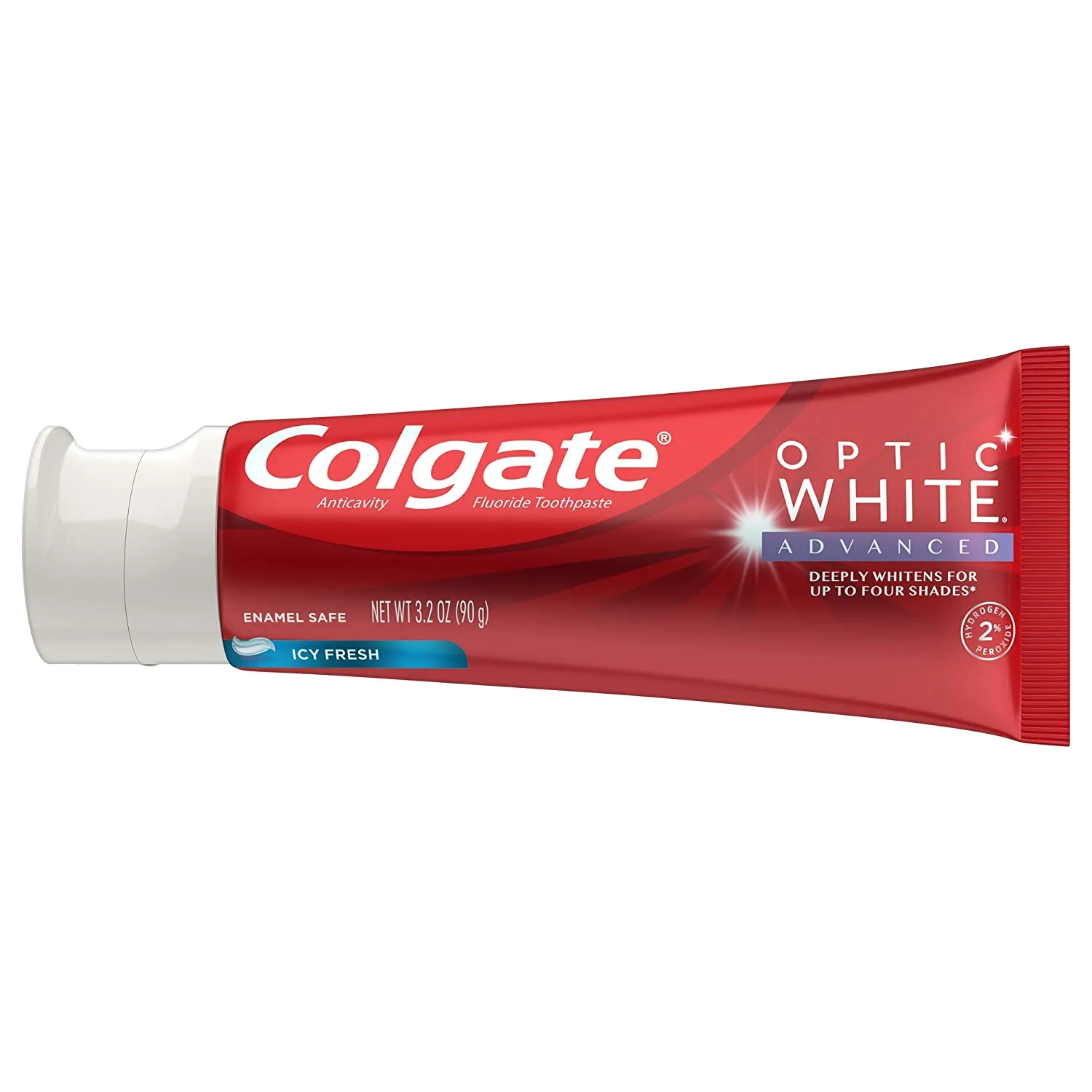
What Is Instant Teeth Whitening Toothpaste?
Instant teeth whitening toothpaste is designed to give you a brighter smile by removing surface stains and, in some cases, providing a slight whitening effect. Unlike professional whitening treatments, these toothpastes work on a more superficial level. They often contain abrasive agents or chemical compounds that help to lift stains caused by coffee, tea, tobacco, and certain foods. While they won’t dramatically change the color of your teeth, they can enhance your smile’s brightness and contribute to better overall oral hygiene. It’s a convenient and readily available option for those seeking a quick cosmetic boost. These toothpastes are widely accessible in drugstores and online, making them an easy addition to your daily routine. This convenience has contributed to their popularity among individuals looking to enhance their smiles without significant investment or professional intervention.
How Instant Teeth Whitening Toothpaste Works
Instant teeth whitening toothpastes typically work through a combination of physical and chemical actions. The physical action involves abrasive particles that gently scrub the tooth surface, removing stains and polishing the enamel. The chemical action often utilizes ingredients like hydrogen peroxide or other bleaching agents that break down stain molecules. Some toothpastes also contain ingredients that help prevent new stains from forming. The effectiveness of these toothpastes varies depending on the ingredients and the nature of the stains. Surface stains are generally easier to remove, while intrinsic stains (those within the tooth structure) require more intensive treatments. Consistent use, following the manufacturer’s instructions, is essential to achieving the best results, as these toothpastes are designed for gradual improvement rather than instant, dramatic changes. It is important to remember that while these toothpastes can be effective, they are not a substitute for professional dental care.
Key Ingredients to Look For
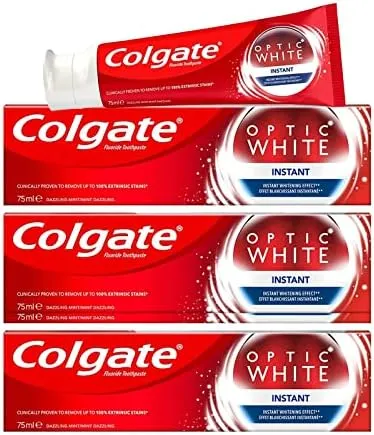
When choosing an instant teeth whitening toothpaste, it is important to understand the key ingredients that contribute to its effectiveness. These ingredients work together to remove stains, polish the enamel, and in some cases, provide a slight whitening effect. Understanding what to look for empowers you to make informed choices aligned with your specific needs and preferences. Always consult with your dentist to make the best choice and be sure that you are getting your teeth as healthy as possible.
Hydrogen Peroxide
Hydrogen peroxide is a common ingredient in whitening toothpastes due to its bleaching properties. It works by releasing oxygen, which penetrates the enamel and breaks down stain molecules. The concentration of hydrogen peroxide in toothpaste is typically lower than in professional whitening treatments. It is effective for removing both surface and deeper stains. It is generally considered safe for use in toothpaste. However, some individuals may experience temporary sensitivity. It is worth noting that toothpastes with hydrogen peroxide can take some time to show visible results and it is very important to keep this in mind when making your selection.
Baking Soda
Baking soda, or sodium bicarbonate, acts as a mild abrasive and helps to polish the teeth surface. It helps in removing stains and plaque, making the teeth appear brighter. The abrasive nature of baking soda is effective against surface stains. However, it is gentle enough to prevent damage to the enamel. It is a natural and cost-effective ingredient. Many people find baking soda effective for stain removal and overall teeth cleaning. The benefits include improved oral health and a fresher feeling in the mouth. However, like other abrasive ingredients, overuse can lead to enamel wear. Careful brushing and proper technique are essential to get the best results.
Activated Charcoal

Activated charcoal is a popular ingredient in teeth whitening toothpastes due to its absorbent properties. It helps remove stains and impurities from the tooth surface. Activated charcoal acts as a mild abrasive, which can polish the teeth and remove surface stains. The porous nature of activated charcoal allows it to bind to stain-causing compounds. This helps to lift them from the teeth. The effectiveness of activated charcoal toothpaste can vary depending on the type of stains and the formulation of the toothpaste. Results are often visible after consistent use. While activated charcoal is generally safe, overuse may lead to enamel erosion. Always be careful when selecting this ingredient and make sure you consult with your dentist prior.
Fluoride
Fluoride is an essential ingredient in toothpaste, regardless of whether it is a whitening formula. It strengthens tooth enamel and helps prevent cavities. Fluoride remineralizes the enamel. This makes teeth more resistant to acid attacks from bacteria. It also helps to reduce the risk of tooth decay. Most dentists recommend using fluoride toothpaste to maintain optimal oral health. The benefits of fluoride include stronger teeth, fewer cavities, and overall better dental health. Fluoride is safe in recommended amounts and is considered a crucial part of daily oral hygiene. Make sure you are getting plenty of fluoride.
Factors to Consider When Choosing
Choosing the right instant teeth whitening toothpaste involves considering several factors to ensure it meets your specific needs and preferences. These factors can influence the effectiveness and suitability of a toothpaste for you. Taking the time to evaluate these points can help you make an informed decision, resulting in a brighter and healthier smile. It is critical to have these in mind as you select your whitening toothpaste. Always make sure you consider your oral health history when choosing an oral product.
Your Current Teeth Shade

Understanding your current teeth shade is crucial for setting realistic expectations. Toothpastes are most effective at removing surface stains and improving the overall brightness. They are less effective at changing the intrinsic color of your teeth. If you have naturally darker teeth or significant intrinsic staining, you may require professional whitening treatments. Assess your teeth’s current shade using a shade guide, if possible. Consider the type and severity of stains. This will help you decide whether a whitening toothpaste is a good choice for your needs. The results you get from a whitening toothpaste will depend on the initial shade of your teeth. Surface stains respond more readily to whitening toothpastes.
Sensitivity of Your Teeth
Tooth sensitivity is a crucial factor to consider when selecting a whitening toothpaste. Many whitening toothpastes contain ingredients that can increase sensitivity, such as abrasive particles or high concentrations of whitening agents. If you experience sensitivity, choose toothpastes specifically formulated for sensitive teeth. These toothpastes often contain ingredients that help to soothe the nerves and reduce discomfort. Ingredients like potassium nitrate can help reduce sensitivity. Avoid harsh abrasives and excessive brushing pressure. Introduce the whitening toothpaste gradually. If sensitivity persists, consult with your dentist. They can recommend alternative products or treatments.
Severity of Staining
The severity of the staining on your teeth directly impacts the effectiveness of instant teeth whitening toothpastes. Light surface stains, caused by coffee, tea, or tobacco, will respond better to these toothpastes. More severe or deep-seated stains may require more intensive treatments. If you have significant staining, consider a toothpaste with a higher concentration of whitening agents, such as hydrogen peroxide. Combine the toothpaste with other whitening methods. If your stains are severe, consult a dentist. Professional whitening treatments are often the best option. Assess the type of stains to determine the most appropriate approach. Be patient and consistent with your chosen method.
Brands and Products to Consider

Several brands and products in the market offer instant teeth whitening toothpastes. Each product has unique formulations, ingredients, and claims. When exploring these options, consider the reputation of the brand, the ingredients used, and the reviews from other users. Reading reviews can give you insights into the effectiveness of the product and its potential side effects. To make the best selection for your specific needs, you might need to try a few different products before you find the one that gives you your desired results.
Best Overall
The best overall teeth whitening toothpaste balances effectiveness, gentleness, and overall oral health benefits. The best product often includes a combination of stain-removing and enamel-strengthening ingredients. It may also include fluoride for cavity protection. Look for toothpastes with proven ingredients. A good choice will be effective on various types of stains. It should be gentle enough for daily use. Consider the brand’s reputation and user reviews. Ultimately, the best product is one that provides noticeable whitening while maintaining your overall oral health. Many people have achieved great results with this specific choice. Choosing the best is often a matter of trying different ones.
Best for Sensitivity
If you have sensitive teeth, selecting the right toothpaste is critical. Look for toothpastes specifically formulated for sensitivity. These toothpastes often contain ingredients that soothe the nerves and reduce discomfort. They may include potassium nitrate. Avoid toothpastes with harsh abrasives or high concentrations of whitening agents. Opt for toothpastes with gentle stain-removing ingredients. Always brush gently. The best toothpaste for sensitive teeth will effectively remove stains while minimizing discomfort. This will allow you to achieve a brighter smile without triggering sensitivity. Many people with sensitive teeth are able to whiten their teeth with careful selection.
Best for Stain Removal
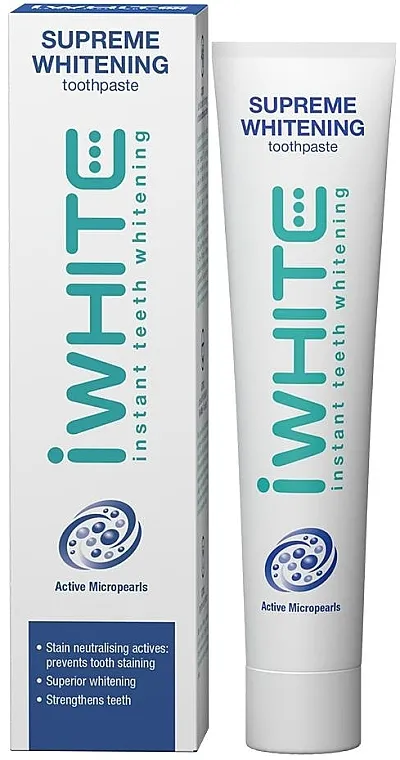
When the primary goal is stain removal, look for toothpastes with powerful stain-fighting ingredients. These products often contain higher concentrations of abrasive agents or whitening compounds. Hydrogen peroxide is a common and effective ingredient for stain removal. Baking soda and activated charcoal are also known for their stain-removing properties. While effective, these toothpastes may be more abrasive. Consider the potential impact on your enamel. Choose a product that balances stain removal with enamel protection. Use the toothpaste as directed. Combining these with other methods can greatly improve stain removal. The best choice is the one that provides the most visible results.
Pros and Cons of Instant Teeth Whitening Toothpaste
Instant teeth whitening toothpastes offer both advantages and disadvantages. Understanding these can help you make an informed decision. Knowing the potential benefits and drawbacks will allow you to set realistic expectations. You can align your choices with your oral health needs. Make sure you know what you are getting into so you can get the best results. These products are readily available and provide a quick and easy way to enhance your smile. However, they may not be suitable for everyone, and the results can vary. Consider both the advantages and disadvantages before deciding whether this option is right for you. Always consult with your dentist if you have any questions or concerns.
Pros
The pros of instant teeth whitening toothpaste include convenience, affordability, and easy accessibility. They are readily available in most stores. They are a quick and easy way to improve your smile. These toothpastes can be incorporated into your daily routine. They can help remove surface stains. They are also cost-effective. They provide an accessible option for those who may not want to invest in more extensive treatments. They can be beneficial as part of an overall oral hygiene routine. If you have a hectic schedule or want a low-cost solution, this may be the best option for you.
Cons

The cons of instant teeth whitening toothpaste involve limitations in effectiveness, potential for sensitivity, and the risk of enamel wear. These toothpastes are primarily effective on surface stains. They may not provide significant whitening for deep-seated discoloration. Some ingredients can cause temporary sensitivity in some individuals. Certain toothpastes contain abrasive particles that may damage the enamel if used excessively. The results are usually not as dramatic as professional treatments. It is essential to use these toothpastes as directed. It is also important to be aware of the potential drawbacks before starting. You can discuss these drawbacks with your dentist.
How to Maximize Results
To maximize the results from instant teeth whitening toothpaste, follow specific guidelines and incorporate complementary practices. Adhering to the recommended usage and combining the toothpaste with other methods can boost the effectiveness. Knowing the best way to proceed can greatly improve your results. These strategies will help you achieve a brighter and healthier smile while minimizing potential risks. The best way is to make sure you are seeing a dentist regularly. Always follow the dentist’s instructions and recommendations.
Proper Brushing Technique
Proper brushing technique is essential for effective results. Brush your teeth for two minutes, twice a day. Use gentle, circular motions. Apply moderate pressure to avoid damaging the enamel. Focus on cleaning all surfaces of your teeth, including the front, back, and chewing surfaces. Be sure to brush along the gumline to remove plaque and bacteria. Replace your toothbrush every three months or sooner if the bristles become frayed. Consider using an electric toothbrush. They can provide consistent pressure and motion. A good brushing technique will help you get the most out of your whitening toothpaste. It also ensures overall oral health. Proper brushing is important for everyone.
Use Consistently

Consistency is critical for achieving the best results. Use the whitening toothpaste as directed on the packaging. Follow the recommended frequency of use. Be patient, as results are often gradual. Do not expect overnight changes. Make the use of whitening toothpaste a part of your daily routine. Regularly use the toothpaste. This will help you maintain a brighter smile over time. Track your progress. If you do not see results after several weeks, consider consulting with your dentist. Consistency will help you get the best results. Proper results require dedication.
Combine with Other Whitening Methods
For enhanced results, consider combining instant teeth whitening toothpaste with other methods. Use a whitening mouthwash to help remove surface stains and freshen your breath. Floss daily to remove plaque and food particles. Avoid or limit stain-causing foods and drinks. This includes coffee, tea, and red wine. Schedule regular dental cleanings and check-ups. Your dentist can remove stains that the toothpaste may not be able to. If you want even better results, you can discuss professional whitening options with your dentist. Make sure that you are getting the most out of your routine. You can boost the effectiveness of your whitening routine by using these methods.