Laser Teeth Whitening Safe? Unveiling the Truth
Laser teeth whitening, also known as power whitening, has become a popular cosmetic procedure promising a dazzlingly white smile. But as with any medical or cosmetic treatment, questions regarding its safety naturally arise. This article delves into the facts surrounding laser teeth whitening, exploring its procedure, potential side effects, and overall safety profile. Understanding the process and the potential risks is crucial before considering this procedure. The goal is to provide a comprehensive overview, enabling you to make an informed decision about whether laser teeth whitening is the right choice for you and to understand the relevant laser teeth whitening safe considerations.
How Laser Teeth Whitening Works
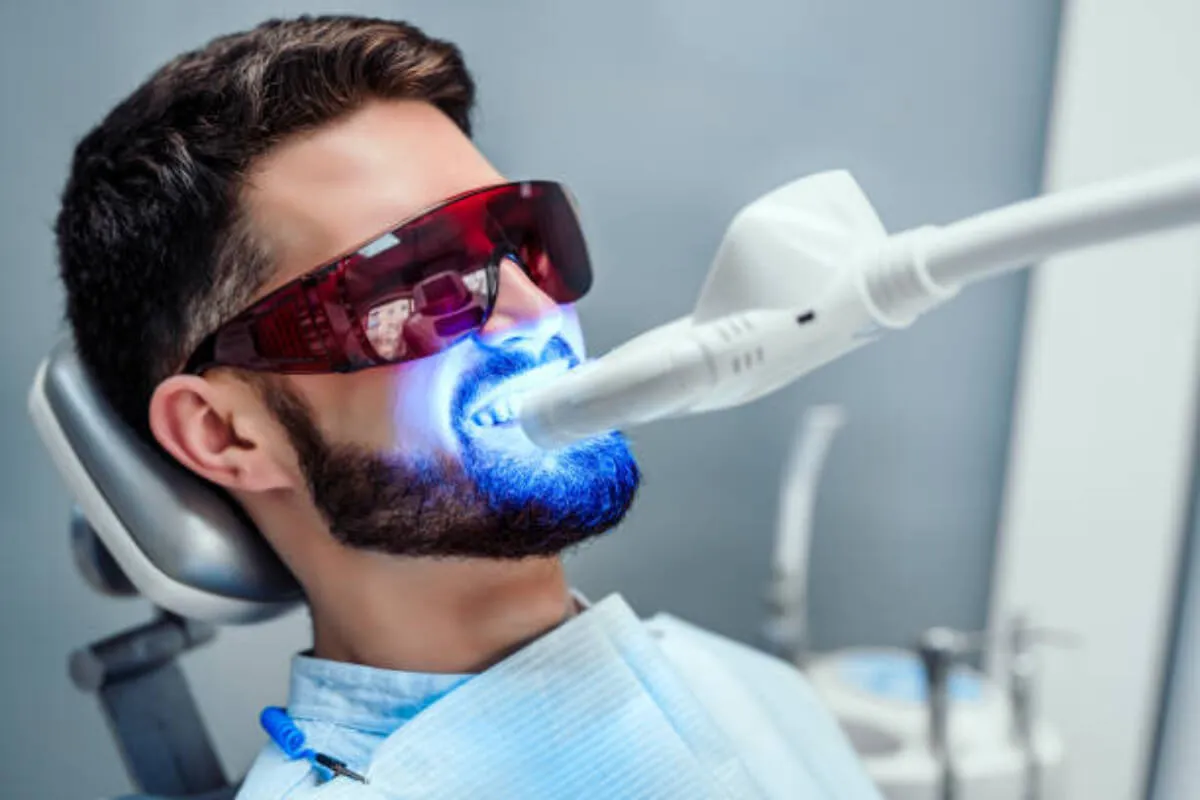
The fundamental principle behind laser teeth whitening involves the use of a bleaching agent, typically hydrogen peroxide, and a laser light to accelerate the whitening process. First, a protective barrier is placed over the gums and soft tissues to prevent irritation. Then, the whitening gel is applied to the teeth. The laser, which is usually a low-intensity light, is directed at the teeth, activating the bleaching agent. This process breaks down stains and discoloration on the enamel, resulting in a noticeably brighter smile. The entire procedure usually takes about an hour, with multiple applications of the bleaching agent and laser exposure during the session. The effectiveness of the procedure varies depending on the individual’s initial tooth shade and the type of stains present.
The Laser Teeth Whitening Procedure

The procedure typically begins with a consultation with a dentist who will assess your oral health and discuss your expectations. They will examine your teeth to check for cavities, gum disease, or other issues that might need to be addressed before the whitening treatment. Next, the dentist will clean your teeth to remove any plaque or surface stains. A cheek retractor is then inserted to keep your mouth open, and a protective barrier is applied to your gums and lips to prevent them from being exposed to the bleaching agent. The whitening gel is applied to the surface of your teeth, and the laser light is directed at the teeth. This process is repeated several times during the session to achieve the desired level of whitening. After the procedure, the dentist will remove the protective barrier and provide you with aftercare instructions, which often include avoiding certain foods and drinks that can stain your teeth.
Is Laser Teeth Whitening Safe?
The safety of laser teeth whitening is a multifaceted issue, and it is crucial to consider several aspects to get a comprehensive understanding. While the procedure has been deemed safe for many people, it’s not without potential risks and side effects. The expertise of the dentist performing the procedure is a critical factor in ensuring its safety. A qualified dentist will assess your oral health, explain the procedure, and take necessary precautions to minimize potential risks. Patients should always discuss their medical history and any sensitivities with their dentist before undergoing laser teeth whitening. It’s also important to manage expectations and understand that the results can vary from person to person.
Fact 1 Potential Side Effects
One of the most common side effects of laser teeth whitening is tooth sensitivity. Many people experience increased sensitivity to hot and cold foods and drinks for a few days after the procedure. This sensitivity is usually temporary and subsides within a few days or weeks. Some patients may experience gum irritation, such as redness or inflammation. This is often caused by the bleaching agent coming into contact with the gums. While the dentist applies protective barriers, some minor irritation can occur. Rarely, some patients may experience mild discomfort or a burning sensation in their teeth or gums. These side effects are generally temporary and resolve on their own. It is always essential to inform your dentist of any side effects you experience.
Fact 2 Sensitivity Issues

As mentioned earlier, tooth sensitivity is a frequent side effect of laser teeth whitening. The bleaching agents can penetrate the enamel and reach the dentin, the layer beneath the enamel, which contains the tooth’s nerves. This can cause temporary sensitivity. The level of sensitivity varies from person to person. Some may experience only mild discomfort, while others may experience more significant sensitivity. Dentists can provide various treatments to help manage sensitivity, such as applying fluoride treatments or prescribing desensitizing toothpaste. Avoiding extremely hot or cold foods and drinks for a few days after the procedure can also help minimize sensitivity. If sensitivity persists or becomes severe, consult your dentist for further evaluation and treatment.
Fact 3 Gum Irritation
Gum irritation is another potential side effect. Even though dentists take precautions to protect the gums, some amount of the bleaching agent can come into contact with the soft tissues, causing irritation. This can manifest as redness, swelling, or mild discomfort. In most cases, gum irritation is mild and resolves within a few days. Rinsing with a saltwater solution can help soothe the gums and promote healing. Avoid brushing the gums aggressively after the procedure. In rare cases, more severe gum irritation may occur, requiring professional treatment. If you experience persistent or severe gum irritation, contact your dentist immediately for advice. Proper technique and the use of protective barriers by the dentist are key factors in minimizing gum irritation.
Fact 4 The Role of the Dentist
The dentist plays a crucial role in ensuring the safety and effectiveness of laser teeth whitening. Before the procedure, the dentist will assess your oral health, examine your teeth, and check for any underlying issues. They will explain the procedure in detail, discuss potential risks and side effects, and answer any questions you may have. During the procedure, the dentist will apply protective barriers to your gums and soft tissues to minimize the risk of irritation. They will carefully control the concentration of the bleaching agent and the duration of laser exposure. Following the procedure, the dentist will provide aftercare instructions and offer advice on managing any side effects. Choosing a qualified and experienced dentist is essential for a safe and successful teeth whitening experience. Make sure the dentist is certified and has a good reputation.
Fact 5 Long-Term Safety and Research

Extensive research has been conducted on the safety of laser teeth whitening, and the general consensus is that it is safe when performed by a qualified dental professional. The American Dental Association (ADA) has reviewed numerous studies and supports the use of professional teeth whitening treatments. Most of the side effects, like tooth sensitivity and gum irritation, are temporary and resolve on their own within a few days or weeks. There is no conclusive evidence to suggest that laser teeth whitening causes any long-term health problems when performed correctly. However, it’s important to note that the long-term effects of repeated whitening treatments are still under investigation. Therefore, it’s recommended to follow your dentist’s advice regarding the frequency of whitening treatments. Always discuss your medical history and any concerns with your dentist before undergoing the procedure.
Alternatives to Laser Teeth Whitening
If laser teeth whitening is not suitable for you, several other teeth whitening options are available. These alternatives offer varying degrees of effectiveness and may be more appropriate for certain individuals. It is important to consult with your dentist to determine the best option for your specific needs and oral health. Understanding these alternatives can help you choose a teeth whitening method that aligns with your preferences and circumstances, ensuring a brighter and healthier smile.
Home Whitening Kits
Home whitening kits are a convenient and cost-effective alternative. These kits typically contain custom-fitted trays and a bleaching gel. The trays are filled with the gel and worn over the teeth for a specified period. The strength of the bleaching agent in home whitening kits is generally lower than that used in professional treatments, making them a slower process. However, they can still effectively lighten teeth over several weeks. It’s important to follow the instructions carefully and consult with your dentist before using a home whitening kit, as misuse can lead to side effects. Home whitening kits are available over-the-counter or can be prescribed by your dentist. The effectiveness of home whitening kits varies depending on the individual and the severity of the stains.
Professional Teeth Whitening Options

In addition to laser teeth whitening, other professional teeth whitening options are available at your dentist’s office. These include in-office bleaching, which may or may not involve the use of a laser. The dentist will apply a high-concentration bleaching agent to the teeth and monitor the process. In-office bleaching is typically more potent and provides faster results than home whitening kits. Another option is custom-fitted whitening trays provided by your dentist, similar to home whitening kits, but with a higher concentration of bleaching agent. Your dentist will also ensure proper fit and offer guidance on the process. Professional teeth whitening options are usually more effective and safer, as they are performed under the supervision of a dental professional. This ensures that any potential side effects are minimized, and the results are optimized. Your dentist can help you decide which option is best suited for you based on your oral health and desired results.
Conclusion Does Laser Teeth Whitening Safe?
In conclusion, laser teeth whitening, when performed by a qualified dental professional, is generally considered safe. While potential side effects like sensitivity and gum irritation can occur, they are typically temporary. The dentist’s expertise, the use of protective measures, and adherence to aftercare instructions are crucial for minimizing risks and achieving optimal results. Alternatives to laser teeth whitening, such as home whitening kits and other professional options, are also available. Consulting with your dentist is essential to determine the best teeth whitening method for your specific needs and to ensure a safe and successful outcome. By understanding the facts and following professional guidance, you can confidently pursue a brighter, healthier smile.