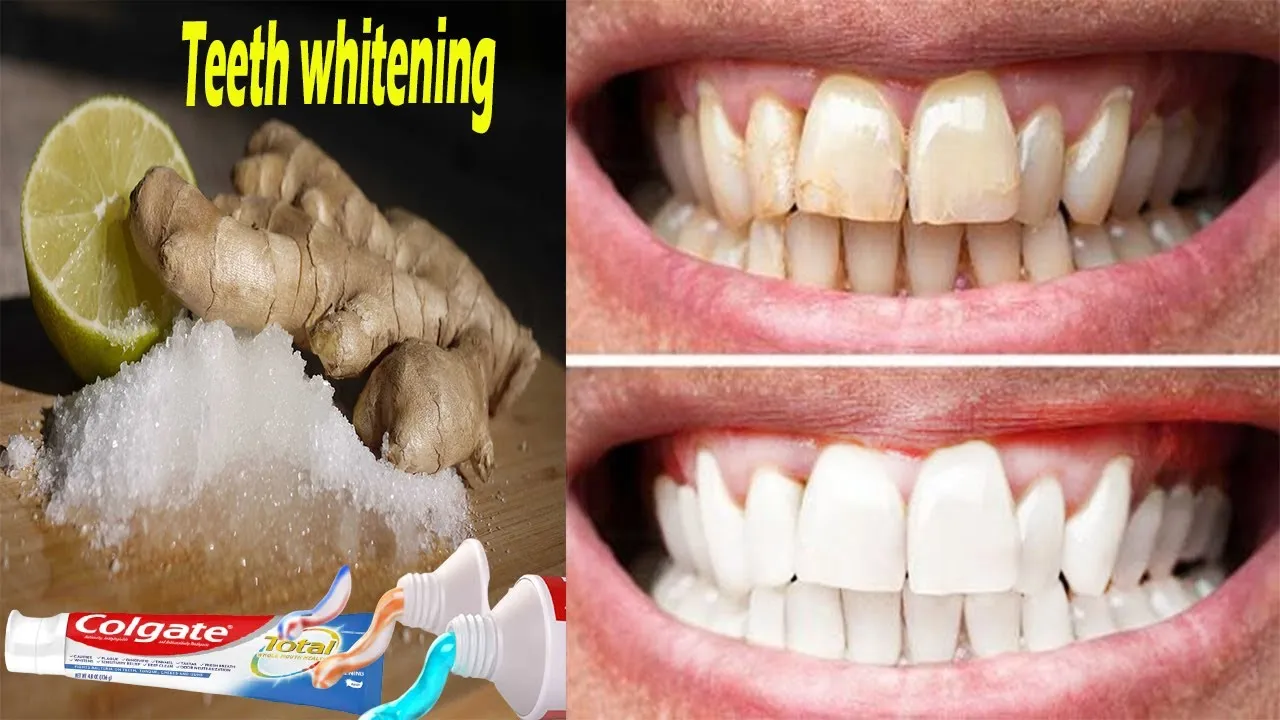
What is Salt and How Does It Work?
Salt, primarily sodium chloride, is a common household ingredient with various uses, extending beyond culinary applications. Its abrasive properties, though gentle, can aid in removing surface stains from teeth. The slight abrasiveness helps to scrub away plaque and food particles that contribute to discoloration. Furthermore, salt possesses natural antibacterial qualities, contributing to overall oral health. These antibacterial properties can help in reducing bacteria in the mouth, potentially leading to fresher breath and a healthier oral environment. However, understanding how salt works on teeth whitening is crucial to ensure its safe and effective use. Salt acts as a mild abrasive, and its ability to remove stains is limited to the surface, and it does not penetrate the enamel itself.
The Science Behind Salt’s Teeth Whitening Effect
The teeth whitening effect of salt is primarily due to its mild abrasive nature and its impact on oral hygiene. The abrasive action of salt helps to remove surface stains caused by coffee, tea, and other foods and drinks. As a result, this process can make teeth appear brighter by eliminating these stains. It’s important to understand that the effectiveness of salt is limited. Salt cannot change the inherent color of teeth, as it doesn’t penetrate the enamel like professional treatments. Furthermore, the mineral composition of salt, specifically sodium chloride, helps to balance the pH levels in the mouth. This can contribute to a healthier oral environment by preventing excessive acidity. The antibacterial qualities of salt can also contribute to improved oral hygiene by reducing the number of bacteria present, potentially minimizing the formation of plaque and tartar, both of which can darken teeth and contribute to oral health issues.
How to Use Salt for Teeth Whitening

Using salt for teeth whitening is a simple process, but it requires careful execution to prevent any potential harm to your teeth and gums. Start by moistening your toothbrush with water. Then, dip the damp bristles into a small amount of fine salt. The amount of salt should be minimal, just enough to lightly coat the bristles. Gently brush your teeth using circular motions. Be careful not to apply too much pressure, as excessive force can damage the enamel. Brush for no more than one to two minutes. After brushing, rinse your mouth thoroughly with water to remove any remaining salt particles. This step is essential to prevent the gritty texture of the salt from lingering in your mouth. Follow up with your regular toothpaste to ensure proper cleaning and freshness. It’s also advisable to use this method no more than once or twice a week to minimize any abrasive effects on your enamel.
Salt and Baking Soda Whitening Paste
Combining salt with baking soda can enhance its teeth whitening capabilities. Baking soda is also a mild abrasive and has natural whitening properties. To prepare this paste, mix a small amount of fine salt with baking soda, ideally in a ratio of 11. Add a few drops of water to form a paste. Ensure the paste is not too thick or too thin, as it should easily adhere to your toothbrush bristles. Apply the paste to your toothbrush and brush your teeth gently, using circular motions. Brush for about one minute, avoiding excessive pressure. Rinse your mouth thoroughly with water to remove any residue. This combination is more abrasive than using salt alone, so it should be used sparingly, no more than once a week. The synergistic effect of salt and baking soda can offer improved stain removal, making it a potentially effective, though cautious, approach to teeth whitening.
Salt and Lemon Juice Whitening Blend
Lemon juice, known for its citric acid content, has natural bleaching properties that can contribute to teeth whitening. However, due to its high acidity, it must be used with extreme caution. Combine a small amount of fine salt with a few drops of fresh lemon juice. The mixture should be thick enough to adhere to your toothbrush bristles. Apply this blend to your teeth and allow it to sit for a maximum of one minute. Avoid brushing your teeth with this mixture, as the lemon juice can erode the enamel if excessive friction is applied. After the minute, rinse your mouth thoroughly with water to remove any residue. The use of lemon juice with salt is potentially effective but also carries the highest risk of enamel erosion. Therefore, it should be reserved for very occasional use. It is recommended to consult a dentist before trying this method. Be aware of the potential harm.
Salt and Hydrogen Peroxide Rinse

Hydrogen peroxide is a well-known bleaching agent, used in many professional teeth whitening treatments. A diluted solution can be incorporated into a salt rinse. To prepare this rinse, mix a small amount of salt with a 3% hydrogen peroxide solution. The hydrogen peroxide should be diluted to a 1.5% or lower concentration to minimize any potential irritation. Swish the mixture in your mouth for about 30 seconds. Ensure that you do not swallow the solution. Rinse your mouth thoroughly with water after use. This method combines the abrasive and antibacterial benefits of salt with the whitening properties of hydrogen peroxide. Hydrogen peroxide can penetrate the enamel and alter the internal color of the teeth, offering a more substantial whitening effect. It is important to use this rinse cautiously, as overuse can lead to sensitivity. It is best to limit its use to a few times a week, and always consult with a dental professional.
Precautions and Safety Tips Using Salt
While salt can be a part of your oral care routine, it’s important to follow precautions to ensure safety and effectiveness. Always use fine salt, as coarser grains can cause excessive abrasion and damage the enamel. Do not apply excessive pressure when brushing your teeth, as this can also lead to enamel wear. Be aware of the sensitivity of your teeth and gums. If you experience any discomfort or sensitivity, stop using salt immediately. The frequency of use is very important; use salt for teeth whitening no more than twice a week to prevent enamel erosion. If you have any pre-existing dental conditions, such as cavities, gum disease, or sensitive teeth, it’s best to consult a dentist before using salt for teeth whitening. Additionally, make sure you rinse your mouth thoroughly after each use to prevent any salt residue. Avoid swallowing the solution as this can cause health issues. Regular dental check-ups are essential to assess your oral health and ensure that the use of salt aligns with your overall dental care strategy.
Potential Risks and Side Effects
The use of salt for teeth whitening, while appearing harmless, carries certain potential risks and side effects that you should be aware of. The most significant risk is enamel erosion. Since salt acts as an abrasive, excessive or improper use can wear down the enamel, making your teeth more sensitive and susceptible to cavities. Gum irritation is another potential side effect. If you brush too aggressively or use too much salt, it can irritate the gums, leading to bleeding or inflammation. Tooth sensitivity can also increase. As the enamel erodes, the underlying dentin is exposed, leading to heightened sensitivity to hot and cold foods and drinks. Excessive use can cause dental problems. Overusing salt, especially in combination with other abrasive substances, can lead to long-term damage, requiring professional dental interventions. Be alert of the specific reactions that your teeth and gums may have and take appropriate actions when problems arise.
When to Consult a Dentist

It’s essential to know when to consult a dentist when using salt for teeth whitening. If you experience increased tooth sensitivity, it’s a sign that your enamel might be wearing down. Discontinue using salt immediately and consult your dentist to assess the extent of the damage and receive appropriate treatment. If your gums become inflamed, bleed excessively, or show signs of recession, this could indicate irritation or damage from improper brushing techniques. Regular dental visits are important, if any changes in your oral health arise. If you notice any changes in the color or appearance of your teeth, it is also advisable to consult your dentist. This could be an indication of underlying issues such as cavities. Your dentist can provide a professional diagnosis and recommend effective treatments to address any potential dental issues. They can also assess the safety and suitability of using salt for teeth whitening in your particular case. Furthermore, if you have any pre-existing dental conditions or concerns, it is always best to consult your dentist before trying any home remedies for teeth whitening.
Alternatives to Salt for Teeth Whitening
There are several alternatives to using salt for teeth whitening, each with varying degrees of effectiveness and safety. Whitening toothpaste is a common and generally safe option. These toothpastes contain mild abrasives and chemicals that help remove surface stains. Over-the-counter whitening strips are another popular choice. They contain a peroxide-based bleaching agent that can lighten the teeth. Another option is activated charcoal. This is a highly absorbent substance that can remove stains by binding to them. However, its effectiveness can vary, and it may be abrasive for some individuals. Professional teeth whitening treatments offer the most significant results. These treatments are performed by dentists and involve the use of high-concentration bleaching agents, such as hydrogen peroxide, and can effectively whiten teeth several shades. Consider professional teeth whitening for faster and more dramatic results. Your dentist can assess your specific needs and recommend the most suitable alternative to meet your expectations and maintain the health of your teeth.
Other Natural Teeth Whitening Methods
Apart from salt, several other natural methods can contribute to teeth whitening. Baking soda is a mild abrasive that can remove surface stains. Mix a small amount with water to form a paste, and brush your teeth gently. Coconut oil pulling is another method. This involves swishing coconut oil in your mouth for about 15-20 minutes to reduce bacteria and potentially remove stains. Fruits like strawberries contain malic acid, which can help remove stains. Crush a strawberry and apply it to your teeth for a few minutes, then rinse thoroughly. Turmeric is also used, but it can stain the toothbrush and might stain the teeth. Proper dental hygiene practices are fundamental to all natural whitening methods. Following a healthy oral care routine, including regular brushing, flossing, and dental check-ups, is the best approach for maintaining healthy teeth. These practices can contribute to whiter teeth by removing stains and preventing new ones from forming. Be sure to consult with a dentist before incorporating any new methods to ensure that they are safe for your oral health.
Professional Teeth Whitening Options

Professional teeth whitening offers the most effective and safest results, performed under the supervision of a dental professional. There are various options available, including in-office treatments and take-home kits. In-office treatments involve the application of a high-concentration bleaching agent to your teeth, often activated by a special light or laser. The dentist monitors the process and ensures that the teeth whitening treatment is done safely and effectively. Take-home whitening kits, provided by your dentist, involve custom-fitted trays that are filled with a bleaching gel. You wear these trays for a set amount of time each day, following your dentist’s instructions. The effectiveness of these options depends on the concentration of the bleaching agents and the duration of the treatment. Professional teeth whitening treatments offer faster and more dramatic results compared to home remedies, often achieving multiple shades of whitening in a single session. Before opting for a professional teeth whitening treatment, consult with your dentist. The dentist will assess your oral health, determine the best course of action, and address any concerns or potential risks. Professional treatments usually result in more predictable results.
Maintaining Your Bright Smile
Maintaining a bright smile requires consistent and proper oral hygiene practices. Brush your teeth at least twice a day, using fluoride toothpaste, to remove plaque and prevent stains. Floss daily to remove plaque and food particles from between your teeth, where a toothbrush cannot reach. Regular dental check-ups and cleanings are essential for removing plaque, tartar, and surface stains that contribute to teeth discoloration. Limit your consumption of staining foods and drinks, such as coffee, tea, red wine, and dark-colored berries. Drink plenty of water throughout the day, as it helps to rinse away food particles and stains. Avoid smoking and tobacco products, as they can significantly stain your teeth and damage your oral health. Consider using a whitening toothpaste or mouthwash to help maintain a brighter smile. Following these practices will help preserve the results of any whitening treatments and keep your teeth looking their best. Remember to discuss any concerns with your dentist, to ensure your oral health plan is optimized.