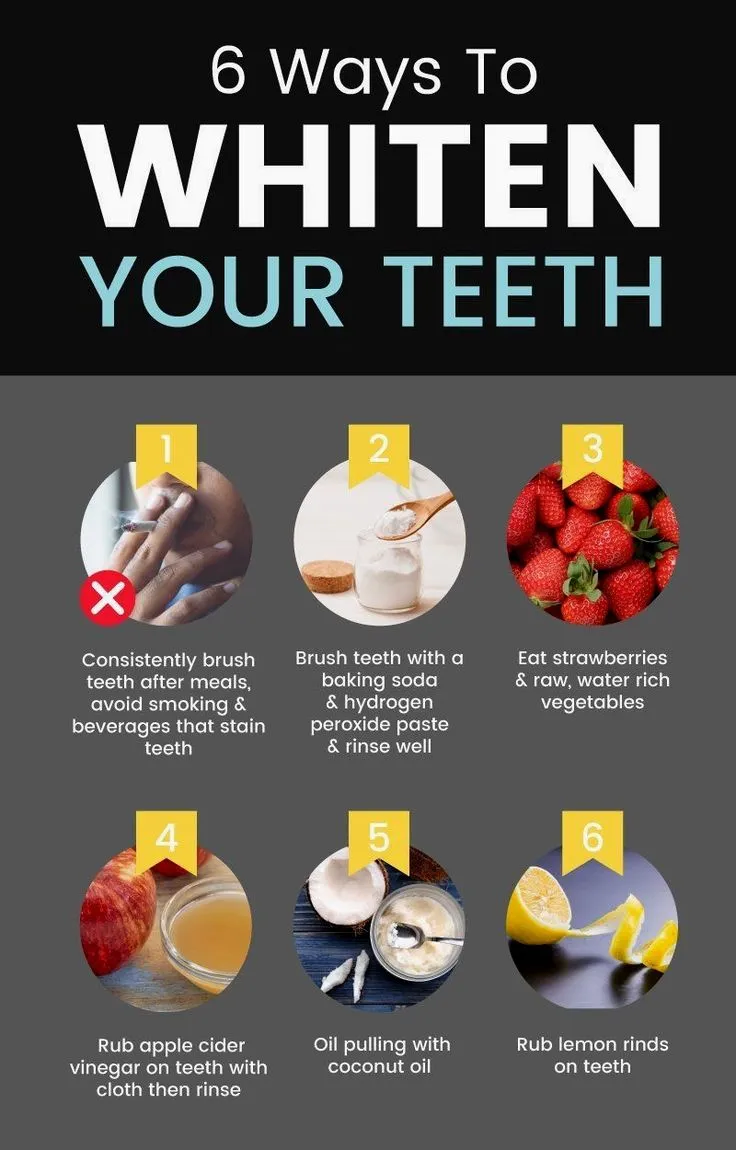
Are you seeking a natural and affordable way to brighten your smile? The combination of salt and lemon juice has been touted as a simple, at-home teeth whitening solution. This guide will delve into the details of using salt and lemon juice for teeth whitening, exploring the science behind it, the potential benefits, how to prepare and apply it, and the risks involved. While this method has gained popularity, it’s important to approach it with caution and be aware of its limitations. This guide is designed to provide a comprehensive overview, empowering you to make an informed decision about your dental care.
What is Salt and Lemon Juice Teeth Whitening?
Salt and lemon juice teeth whitening is a DIY method that involves using a mixture of common household ingredients to remove stains and brighten the appearance of teeth. The practice involves creating a paste or solution and applying it to the teeth, with the aim of achieving a whiter smile. This approach has been around for a while, and proponents suggest it offers a cost-effective alternative to professional teeth whitening treatments or over-the-counter products. However, it’s crucial to understand the underlying principles and potential drawbacks before trying this method. This includes understanding the components of this method and how they can help with whitening.
The Science Behind Salt and Lemon Juice
To understand how salt and lemon juice might affect your teeth, it’s essential to consider the science behind each ingredient. Salt, a common abrasive, can help remove surface stains, while lemon juice, containing citric acid, has natural bleaching properties. However, the strength of these ingredients and their potential impact on your enamel are crucial factors to consider. The method might not be as effective as other methods, and it might have side effects if not handled properly.
How Salt Works

Salt acts as a mild abrasive. When used carefully, it can help remove surface stains from teeth. This abrasive action can assist in polishing the teeth, which leads to a brighter appearance. However, the effectiveness of salt is limited to surface stains, and it cannot change the intrinsic color of your teeth. Overuse of salt, or using coarse salt, can potentially damage the enamel, which is the protective outer layer of your teeth. This is why it’s very important to use the correct type of salt.
How Lemon Juice Works
Lemon juice contains citric acid, a natural bleaching agent. The acid can help break down stains and lighten the color of your teeth. However, citric acid is also highly acidic and can erode tooth enamel. The extended use of lemon juice can lead to tooth sensitivity and an increased risk of cavities. Its use requires careful consideration due to its potential risks, including the weakening of tooth enamel. The use of lemon juice is not without risk, and must be handled with caution.
The Benefits of Salt and Lemon Juice
Despite potential risks, salt and lemon juice teeth whitening has some appealing benefits. It’s essential to consider these along with potential drawbacks to make an informed decision about your dental care. For people who are seeking a cost-effective and accessible way to whiten their teeth, this method offers a tempting option. However, it is not without its share of disadvantages.
Whitening Properties

When used, lemon juice can act as a mild bleaching agent, which can help to remove stains and brighten the appearance of your teeth. The mild abrasiveness of the salt can remove surface stains, contributing to a cleaner look. The combined action of these two ingredients can provide a temporary whitening effect, enhancing the overall appearance of your smile. While these ingredients work well, it is important to handle them with care.
Cost-Effectiveness
One of the primary advantages of salt and lemon juice teeth whitening is its low cost. Both salt and lemons are readily available and inexpensive, making this method a budget-friendly alternative to professional whitening treatments or over-the-counter products. For those who are looking for a quick fix, this is the perfect alternative, as opposed to spending a lot of money. However, it’s important to remember that effectiveness can vary, and it may not provide the same level of whitening as more expensive options.
Ease of Use
The preparation and application of a salt and lemon juice mixture is straightforward. This simple process makes it accessible for at-home use, eliminating the need for appointments or special equipment. The process involves mixing salt and lemon juice into a paste, applying it to the teeth, and rinsing after a short period. The ease of use makes it very appealing for people looking for a quick whitening solution. However, users must follow the instructions carefully to minimize the risks involved.
How to Prepare Salt and Lemon Juice for Whitening

Preparing salt and lemon juice for teeth whitening requires only a few simple steps and readily available ingredients. Accuracy in measurement and adherence to the instructions is very important to ensure effective and safe results. This is very important to achieve the desired results and to protect your oral health. Here is what you need to make a DIY teeth whitening treatment.
Ingredients You Need
To make the mixture, you’ll need fine sea salt and fresh lemon juice. The salt acts as a mild abrasive to remove surface stains, and lemon juice contains citric acid, a natural bleaching agent. Make sure to use fine sea salt to avoid any potential damage to the enamel. Freshly squeezed lemon juice is preferred over bottled juice to maximize its effectiveness. Always use fresh and high-quality products to ensure the best results. Make sure your ingredients are of high quality to achieve desired results.
Step-by-Step Instructions
Mix a small amount of fine sea salt with lemon juice, forming a paste. It’s best to use about a half teaspoon of salt mixed with enough lemon juice to create a paste. Apply the paste to your teeth with a soft-bristled toothbrush. Gently brush for about a minute, ensuring that all surfaces of your teeth are covered. Rinse your mouth thoroughly with water after brushing to remove all traces of the mixture. Follow this procedure no more than once a week to avoid enamel damage.
Application Techniques

The most effective application technique involves using a soft-bristled toothbrush to gently apply the paste to your teeth. This ensures even coverage and helps to avoid excessive abrasion. The paste should be applied carefully and sparingly to prevent potential enamel damage. After brushing, rinse your mouth thoroughly with water to remove any residue. It’s important to avoid swallowing any of the mixture. For best results, be gentle while brushing and thorough while rinsing.
Frequency and Duration
Due to the acidic nature of lemon juice and the abrasive properties of salt, it is crucial to limit the frequency of this treatment. It’s recommended to use the salt and lemon juice mixture no more than once a week. Brushing for more than one minute can increase the risk of enamel erosion and tooth sensitivity. Always monitor your teeth for any signs of damage or sensitivity and adjust the frequency accordingly. Proper usage will ensure the best results for your teeth.
Potential Risks and Side Effects
While salt and lemon juice teeth whitening may seem like a simple solution, it’s important to be aware of the potential risks and side effects. The acidity of lemon juice and the abrasiveness of salt can cause several oral health problems. Understanding the risks associated with this method is very important to make an informed decision. Always consult with a dentist before trying this method, and always take precautions to protect your teeth.
Tooth Sensitivity

One of the most common side effects of using salt and lemon juice for teeth whitening is increased tooth sensitivity. The citric acid in lemon juice can erode the enamel, which protects the underlying dentin. When the enamel is weakened, the dentin becomes exposed, causing sensitivity to hot and cold foods and drinks. If you experience increased sensitivity, discontinue use immediately and consult with a dentist. Be careful when using salt and lemon juice, and always take the necessary precautions.
Enamel Erosion
Enamel erosion is a significant risk associated with the use of salt and lemon juice. The acidity of lemon juice can gradually dissolve the enamel, leading to permanent damage. Salt’s abrasive properties can also contribute to the erosion. Over time, enamel erosion can increase the risk of cavities and other dental problems. Regular use of this mixture can do more harm than good. Always remember to take caution and consult with your dentist.
Gum Irritation
Lemon juice and salt can irritate the gums. The acid in lemon juice can cause inflammation, while the abrasive action of salt can damage the soft tissues. Signs of gum irritation include redness, swelling, and bleeding. People with sensitive gums should be extra cautious when using this method. If you experience any signs of irritation, stop using the mixture immediately and consult with a dentist. Gum irritation can have long-term health effects.
Alternatives to Salt and Lemon Juice

If you’re looking for safer and more effective ways to whiten your teeth, various alternatives are available. These alternatives offer effective whitening without the risks associated with salt and lemon juice. These methods are often more effective and will not have any side effects. Consulting your dentist is the best approach to choose the best whitening method for you.
- Professional Teeth Whitening. This is performed by a dentist, and it uses high-concentration bleaching agents to achieve noticeable results. It is considered the safest and most effective option, providing a superior result.
- Over-the-Counter Whitening Products. These include whitening toothpaste, strips, and gels, which are widely available. These contain lower concentrations of bleaching agents and can provide some whitening effects.
- Whitening Toothpastes. Whitening toothpastes contain mild abrasives that help remove surface stains. They do not change the color of your teeth, but they are effective at removing stains.
- Consulting Your Dentist. Discussing your teeth whitening goals with your dentist can help you determine the safest and most effective options for your specific needs and dental health condition.
In conclusion, while salt and lemon juice teeth whitening may seem like an easy and cost-effective solution, it carries significant risks. The acidic nature of lemon juice and the abrasive qualities of salt can damage the enamel, leading to sensitivity, erosion, and potential dental problems. Alternatives like professional whitening, over-the-counter products, and consulting your dentist offer safer and more effective options. Prioritize your oral health, and always consult a dentist before trying any new teeth whitening method.