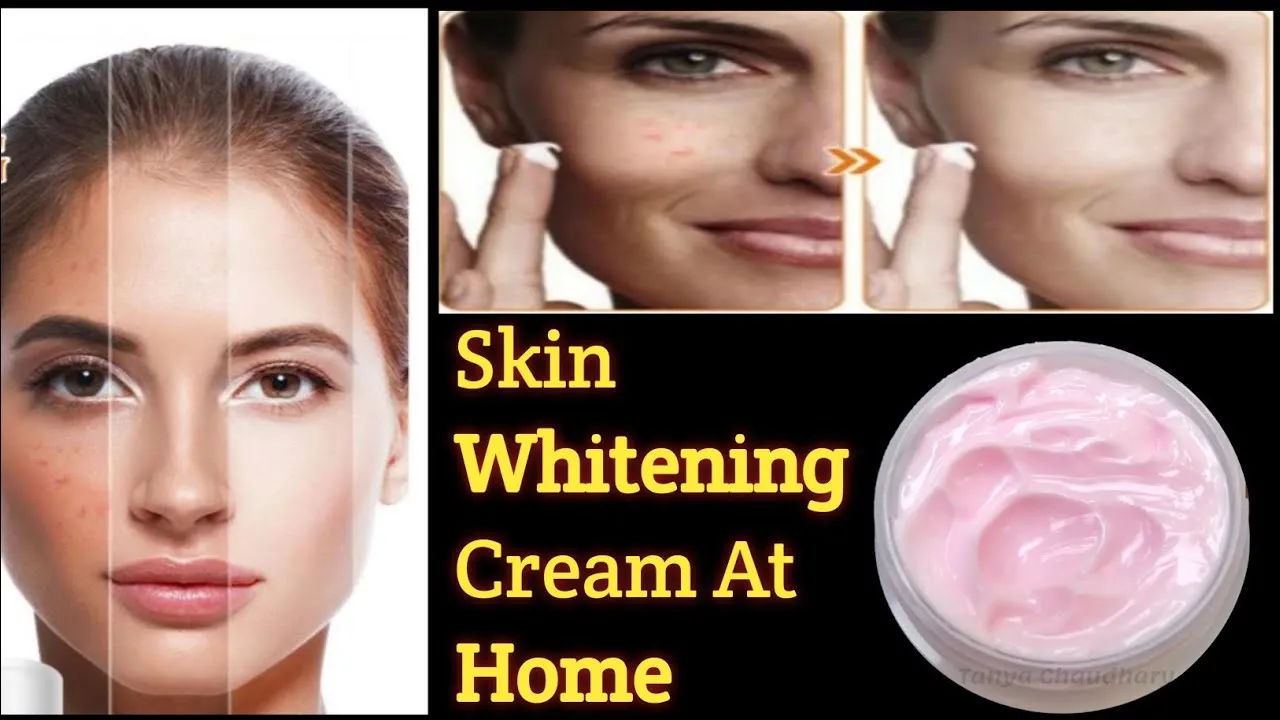
Understanding Skin Whitening
Skin whitening, also known as skin lightening, is a cosmetic practice aimed at achieving a lighter skin tone. This can be done for various reasons, ranging from personal aesthetic preferences to addressing skin issues like hyperpigmentation. It’s essential to approach this topic with a clear understanding of the underlying causes of skin discoloration and the potential methods to address it. This guide provides information on natural methods for achieving a brighter complexion while prioritizing skin health and safety. Before starting any new skincare regimen, it’s always a good idea to consult with a dermatologist, especially if you have sensitive skin or existing skin conditions. This ensures the methods align with your individual needs and skin type.
What Causes Skin Discoloration
Skin discoloration can be triggered by a myriad of factors. The primary culprit is melanin, a pigment produced by melanocytes, which determines skin color. Uneven skin tone, dark spots, and patches can result from excessive melanin production or its uneven distribution. Sun exposure is a major contributor, as UV rays stimulate melanin production to protect the skin, leading to tanning and potentially, hyperpigmentation. Hormonal changes, such as those during pregnancy (melasma) or due to certain medications, can also cause discoloration. Skin injuries, inflammation, and acne scars can leave behind post-inflammatory hyperpigmentation (PIH), leaving dark marks. Aging also plays a role, with age spots (liver spots) becoming more common as we get older. Understanding these causes is the first step in choosing appropriate skin whitening strategies.
The Science Behind Skin Whitening

Skin whitening methods often target the melanocytes and the melanin production process. Many treatments work by either inhibiting melanin production or by accelerating the shedding of pigmented skin cells. Ingredients like Vitamin C and kojic acid are known for their antioxidant properties and ability to reduce melanin synthesis. Chemical exfoliants, such as alpha-hydroxy acids (AHAs) and beta-hydroxy acids (BHAs), help in removing the outer layers of the skin, thus revealing the newer, less pigmented skin beneath. When considering any skin whitening technique, it’s important to use products and treatments that are suitable for your skin type. Always prioritize methods that protect skin health, reduce irritation, and minimize the risk of adverse reactions. Consistency and patience are also key, as most natural skin whitening methods require time and regular application to show visible results. Consider this a marathon, not a sprint.
Tip 1 Exfoliate Regularly
Exfoliation is a key component in any skin whitening regimen because it helps to remove dead skin cells, revealing the brighter, newer skin underneath. Regular exfoliation also helps to promote cell turnover, which aids in the reduction of dark spots and uneven skin tone. This process enables better absorption of skincare products, enhancing their effectiveness. It is important to exfoliate carefully to avoid irritation or damage. When choosing an exfoliant, you should consider your skin type, as this will help you in choosing the right method for you. This ensures you are treating your skin the best way possible.
Why Exfoliation Matters for Skin Whitening
Exfoliation removes the surface layer of dead skin cells that can appear dull and uneven. This process exposes the fresher skin cells underneath. This makes skin appear lighter and more radiant. Regular exfoliation also aids in removing excess melanin from the skin’s surface. This can help to fade dark spots and improve overall skin tone. The removal of dead skin also allows skincare products to penetrate more effectively, boosting their impact. Exfoliation enhances the texture and the appearance of the skin.
Types of Exfoliation

There are two main types of exfoliation, physical and chemical. Physical exfoliation involves using a tool like a scrub, a brush, or a washcloth to manually remove dead skin cells. Chemical exfoliation uses acids, such as AHAs (like glycolic acid and lactic acid) and BHAs (like salicylic acid), to dissolve dead skin cells. The right method depends on your skin type and your goals. People with sensitive skin may want to avoid harsh physical scrubs, while those with oily or acne-prone skin might benefit more from chemical exfoliants. Start with gentle methods and gradually increase the intensity as needed. Always moisturize after exfoliating to keep your skin hydrated.
Tip 2 Use Lemon Juice with Caution
Lemon juice is a popular home remedy for skin whitening due to its natural acidity and Vitamin C content. Vitamin C is a potent antioxidant that can help to reduce melanin production and brighten the skin. Lemon juice has astringent properties that can help to dry out excess oil and clear the skin. Use lemon juice with extreme caution as it can be very harsh. Dilute the lemon juice before applying it to your skin. Always test a small area first to check for any adverse reactions. Applying lemon juice in the evenings can reduce your risk of sun sensitivity, too.
Benefits of Lemon Juice for Skin Whitening
The Vitamin C in lemon juice is crucial for inhibiting melanin production, helping to lighten dark spots and even out skin tone. Lemon juice has natural bleaching properties that can brighten your skin. Additionally, the acidity can act as a mild exfoliant, helping to remove dead skin cells, revealing a brighter complexion. Lemon juice has antibacterial properties, which can help in fighting acne. Regular use of lemon juice might lead to brighter, more radiant skin.
Important Precautions When Using Lemon Juice

Lemon juice is highly acidic and can cause skin irritation, redness, and dryness. Always dilute lemon juice with water or another soothing ingredient like honey or aloe vera. Conduct a patch test on a small area of your skin before applying it to a larger area. Avoid sun exposure after applying lemon juice, as it can increase your skin’s sensitivity to the sun. If you experience any adverse reactions, stop use immediately. Be careful about the frequency of use; using it too often can damage your skin. If the skin gets extremely sensitive, you might have to cease use for a while. Use lemon juice with awareness of potential side effects to ensure safe and beneficial outcomes.
Tip 3 Apply Turmeric Paste
Turmeric, a spice commonly used in Indian cuisine, is known for its anti-inflammatory and antioxidant properties. It contains curcumin, which helps reduce melanin production and brighten the skin. It can also aid in fading dark spots and improving overall skin tone. The spice is a natural ingredient that has many benefits for your skin. Turmeric is useful for fighting off acne. Make sure you follow the proper steps to apply the turmeric paste to get the best results.
The Benefits of Turmeric for Skin
Turmeric is renowned for its anti-inflammatory properties, which help to soothe irritated skin and reduce redness. The curcumin in turmeric is a powerful antioxidant that neutralizes free radicals, which can damage skin cells and contribute to aging. Turmeric also has antibacterial properties, which can help to fight acne-causing bacteria. Regular use can lead to brighter and more even skin tone.
How to Prepare and Apply Turmeric Paste

To prepare a turmeric paste, mix turmeric powder with water, milk, yogurt, or honey to form a thick paste. Apply the paste evenly to your face or other areas of skin you want to brighten. Leave it on for 15-20 minutes. Rinse it off with lukewarm water. Use the paste once or twice a week for best results. Be cautious, as turmeric can stain your skin and clothing. If staining occurs, it will fade over time. This is a great way to add nutrients to the skin.
Tip 4 Incorporate Aloe Vera
Aloe vera is celebrated for its soothing and moisturizing properties. It contains compounds that can help to reduce inflammation, promote healing, and brighten the skin. Regular application can aid in reducing dark spots and improving overall skin tone. Aloe vera is effective at helping to rejuvenate the skin cells. It provides an extra benefit if you are also using other products.
The Power of Aloe Vera for Skin Health
Aloe vera is a natural moisturizer that helps to hydrate and soothe the skin. It has anti-inflammatory properties that reduce redness and irritation. It can help to heal minor skin wounds and burns. The vitamins and minerals in aloe vera promote healthy skin cell growth. It also contains compounds that can help to lighten dark spots and hyperpigmentation, contributing to a more even skin tone. It can aid in skin healing and cell rejuvenation.
How to Use Aloe Vera for Whitening

Extract the gel from an aloe vera leaf. Apply the gel directly to your skin and leave it on for 20-30 minutes. Rinse with cool water. Repeat this process daily for best results. You can also mix aloe vera gel with other ingredients, such as lemon juice or turmeric, to enhance its whitening effects. Always perform a patch test before applying to a large area to check for allergies.
Tip 5 Embrace a Healthy Diet
A healthy diet is fundamental for healthy skin. Consuming a diet rich in vitamins, minerals, and antioxidants can support skin health from the inside out. Nutrient-rich foods help to promote cell regeneration, reduce inflammation, and protect the skin from damage caused by free radicals. By focusing on a healthy diet, you can support your skin whitening goals naturally. It is essential to know what to eat, and what not to eat for the best results for your skin.
Foods That Promote Skin Whitening
Foods rich in Vitamin C, such as citrus fruits, berries, and bell peppers, help to reduce melanin production. Antioxidant-rich foods like leafy greens, nuts, and seeds combat free radicals and protect the skin from damage. Foods high in omega-3 fatty acids, like salmon and flaxseeds, support skin health and reduce inflammation. Hydrating foods like watermelons and cucumbers contribute to skin hydration, promoting a healthy glow.
Foods to Avoid for Better Skin

Processed foods often contain high levels of sugar, which can contribute to skin inflammation and premature aging. Excessive consumption of dairy products might worsen acne. Foods high in unhealthy fats can contribute to skin problems. High intake of alcohol can dehydrate the skin and lead to inflammation. Limiting these foods can significantly improve your skin health.
Tip 6 Stay Hydrated
Hydration is crucial for overall health, and it directly impacts skin health. Proper hydration helps to maintain skin elasticity, reduce dryness, and improve overall skin tone. When the skin is well-hydrated, it appears plumper, more radiant, and less prone to blemishes. Drinking enough water can significantly boost the effectiveness of other skin whitening methods. Make sure you are drinking enough water.
The Importance of Hydration for Skin
Water helps to flush out toxins from the body, which can affect skin clarity. Adequate hydration maintains the skin’s elasticity, preventing dryness and wrinkles. Well-hydrated skin appears more radiant and less prone to inflammation. Proper hydration supports the skin’s natural barrier function, helping to protect against external irritants. It can lead to a visibly healthier complexion.
How Much Water Should You Drink Daily?
The general recommendation is to drink at least eight 8-ounce glasses of water per day. The amount can vary based on your activity level, climate, and overall health. Pay attention to your body’s signals; if you feel thirsty, drink water. You can also increase your water intake by eating hydrating fruits and vegetables, such as watermelon and cucumbers. Carry a water bottle with you throughout the day to remind you to drink water regularly.
Tip 7 Protect Your Skin From the Sun
Sun exposure is a leading cause of skin damage, including hyperpigmentation and uneven skin tone. Protecting your skin from the sun is essential for maintaining a lighter complexion and preventing further darkening. Regular use of sunscreen, seeking shade during peak sun hours, and wearing protective clothing are vital to protect your skin. This helps to maintain and enhance the results of other skin whitening methods. Make sun protection a non-negotiable part of your daily routine.
The Role of Sunscreen in Skin Whitening
Sunscreen protects the skin from harmful UV rays, which stimulate melanin production and cause tanning. By preventing sun damage, sunscreen helps to prevent further darkening of the skin. Sunscreen also aids in preventing the formation of new dark spots and uneven skin tone. Using sunscreen allows you to maintain a lighter and more consistent skin tone. Make sure you put on sunscreen to help.
Choosing the Right Sunscreen
Choose a broad-spectrum sunscreen that protects against both UVA and UVB rays. Opt for a sunscreen with an SPF of 30 or higher. Apply sunscreen generously and reapply every two hours, especially when exposed to the sun. Consider using mineral sunscreens, which contain zinc oxide or titanium dioxide. Apply the sunscreen often when outside.