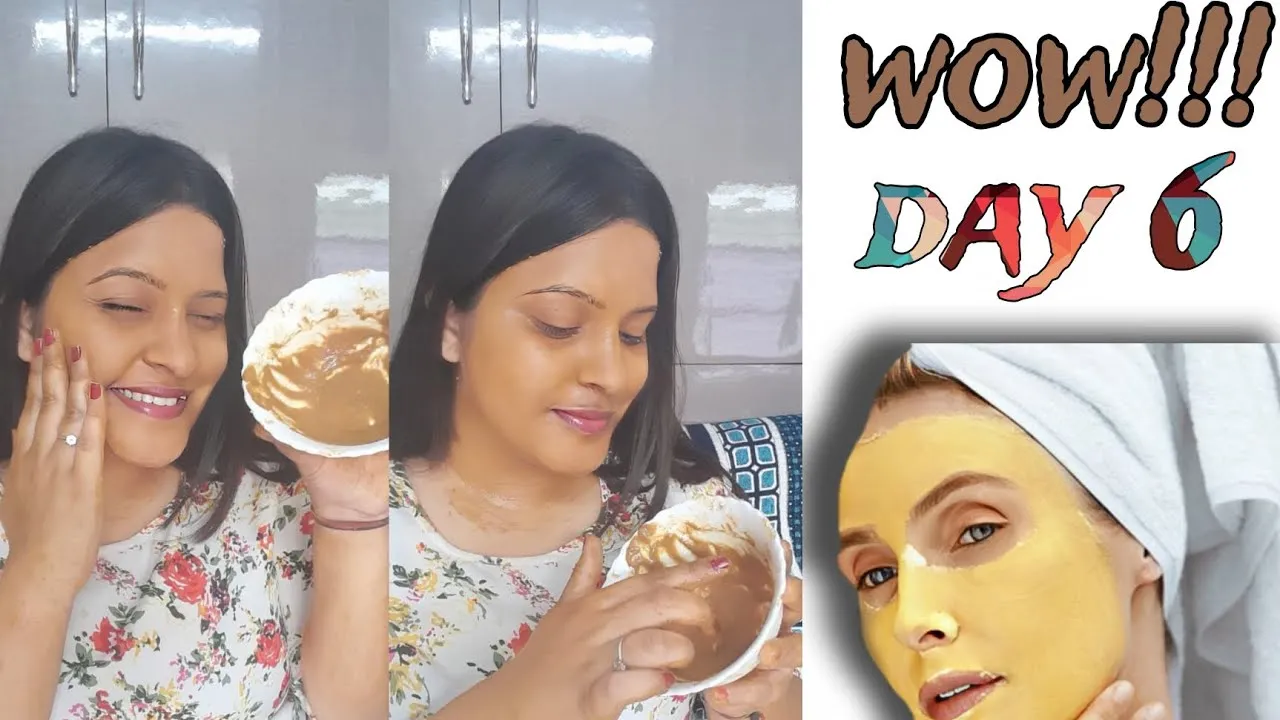
Understanding Skin Whitening
Skin whitening, often used interchangeably with skin brightening, aims to lighten areas of the skin or achieve a more even skin tone. It’s a process that reduces the production of melanin, the pigment responsible for skin color. While the term “whitening” can be controversial, it’s important to approach this topic with the understanding that everyone’s skin is unique, and the goal is often to address uneven skin tone, hyperpigmentation, or discoloration caused by various factors. The primary objective of many skin whitening treatments is to target and inhibit the enzyme tyrosinase, which is crucial for melanin production. Understanding the science behind skin whitening and the factors that influence skin tone is essential to making informed choices about skincare routines and treatments. This knowledge enables one to set realistic expectations and choose the methods that align with the skin’s specific needs, ensuring a safe and effective approach to achieving desired results.
What Causes Skin Discoloration
Skin discoloration, which often prompts individuals to seek skin whitening solutions, can stem from a variety of underlying causes. These factors can range from environmental influences to internal biological processes, each affecting the skin’s pigmentation in unique ways. Recognizing these causes is crucial for understanding the most effective approaches to address and correct uneven skin tones. Common culprits include sun exposure, hormonal changes, and inflammation or injury. Each of these elements interacts with the skin’s melanin production in distinct ways, leading to various types of discoloration such as dark spots, melasma, or post-inflammatory hyperpigmentation. A holistic approach that targets these underlying causes is necessary for achieving lasting and noticeable improvements in skin tone and clarity.
Sun Exposure

Prolonged and unprotected sun exposure is a primary cause of skin discoloration. Ultraviolet (UV) radiation stimulates melanocytes, the cells that produce melanin, leading to increased pigment production. This can result in sunburns, age spots, and an overall darkening of the skin. Consistent sun exposure over time accelerates the aging process and can cause uneven skin tone. Moreover, the sun’s rays can worsen existing pigmentation issues, making them more pronounced. Effective sun protection, including the use of broad-spectrum sunscreen with a high SPF, is crucial in preventing further damage and supporting skin whitening efforts. Additionally, seeking shade during peak sun hours and wearing protective clothing can further mitigate the negative impacts of sun exposure on skin tone.
Hormonal Changes
Hormonal fluctuations, particularly those related to pregnancy (melasma), menopause, or the use of birth control pills, can trigger or worsen skin discoloration. Hormonal imbalances can stimulate melanocytes to produce more melanin, leading to patches of darkened skin, often on the face. This condition, known as melasma, is characterized by symmetrical, blotchy pigmentation. Managing hormonal imbalances through medical consultation and appropriate treatments, along with targeted skincare routines, can help control and lighten these areas. It’s important to understand that hormonal-induced pigmentation can be persistent and may require long-term maintenance to prevent recurrence. Consulting with a dermatologist or healthcare professional can provide personalized strategies to address this complex issue.
Inflammation and Injury
Inflammation and injury to the skin can lead to post-inflammatory hyperpigmentation (PIH), a common form of skin discoloration. This occurs when the skin produces excess melanin in response to trauma such as acne, cuts, burns, or aggressive treatments. The resulting dark spots or patches can persist long after the initial injury has healed. The severity of PIH depends on various factors, including skin type, the depth of the injury, and the inflammatory response. Effective treatment includes avoiding picking or squeezing blemishes, using gentle skincare products, and incorporating ingredients like retinoids, vitamin C, and hydroquinone (under medical supervision). Consistent use of sunscreen is essential to prevent further darkening and to help fade existing pigmentation. Managing and preventing PIH requires patience and a consistent skincare approach.
Effective Skin Whitening Methods

There are several effective methods to achieve skin whitening and a more even skin tone. These methods work by targeting the processes that cause skin discoloration and melanin production. Combining various approaches is often the most effective strategy, but it is important to consult with a dermatologist before starting any new treatment. The choice of treatment depends on the individual’s skin type, the severity of the pigmentation, and the underlying causes. Safe and effective skin whitening typically involves a combination of exfoliation, topical treatments, and lifestyle adjustments. The key is to select treatments that are appropriate for your skin and to use them consistently to achieve the best results. A comprehensive approach, which may include both in-office treatments and at-home care, is often necessary to address skin discoloration effectively.
Exfoliation Techniques for Skin Whitening
Exfoliation is a critical step in any skin whitening routine, as it removes dead skin cells and promotes cell turnover, revealing brighter skin underneath. It also helps in the penetration of topical treatments, making them more effective. Various exfoliation techniques can be employed, ranging from gentle at-home methods to professional treatments. Regular exfoliation can help to reduce the appearance of dark spots and uneven skin tone, leading to a more radiant complexion. The frequency and type of exfoliation should be tailored to individual skin types to avoid irritation. Over-exfoliation can lead to skin sensitivity and damage, so it’s important to proceed with caution and listen to your skin’s response.
Chemical Peels
Chemical peels involve applying a chemical solution to the skin to remove the outer layers and stimulate new skin growth. They come in various strengths, from superficial to deep, and are effective for treating a range of skin concerns, including hyperpigmentation, fine lines, and acne scars. Superficial peels, such as those containing alpha-hydroxy acids (AHAs) like glycolic or lactic acid, can be done regularly with minimal downtime, providing gradual skin lightening and improved texture. Deeper peels, performed by a dermatologist, can provide more dramatic results but require a longer recovery period. Post-peel care is critical, including avoiding sun exposure and using gentle skincare products to support the healing process. Chemical peels should be performed by a qualified professional to ensure safety and effectiveness.
Microdermabrasion

Microdermabrasion is a non-invasive cosmetic procedure that gently exfoliates the skin using a device with a special abrasive tip or by spraying fine crystals onto the skin. This process removes the outermost layer of dead skin cells, revealing a smoother, brighter complexion. It can help reduce the appearance of age spots, sun damage, and fine lines. Microdermabrasion is often combined with other skin whitening treatments to enhance their effectiveness. It typically requires multiple sessions for optimal results, and it is a relatively low-risk procedure with minimal downtime. After the treatment, the skin may be slightly pink and sensitive, so it’s important to use gentle skincare products and protect the skin from sun exposure. Microdermabrasion can be a beneficial addition to a skin whitening regimen, offering noticeable improvements in skin texture and tone.
Topical Treatments for Skin Whitening
Topical treatments are a cornerstone of skin whitening, offering a targeted approach to reducing melanin production and promoting a more even skin tone. These treatments come in various forms, including creams, serums, and lotions, and they contain active ingredients that work to lighten the skin. The effectiveness of these treatments depends on the specific ingredients, their concentration, and consistent use. It’s crucial to select products based on your skin type and consult with a dermatologist to ensure the chosen ingredients are appropriate and safe for your skin. Applying these treatments as directed, along with other skincare practices, will help to achieve the desired results. Remember that patience is key, as it can take several weeks or months to see noticeable improvements.
Hydroquinone
Hydroquinone is a potent skin-lightening agent that works by inhibiting the production of melanin. It is a commonly prescribed medication for treating hyperpigmentation, such as melasma, age spots, and post-inflammatory hyperpigmentation. Hydroquinone typically comes in creams or lotions and is used under the guidance of a dermatologist. The strength of hydroquinone varies, and the recommended usage depends on the individual’s skin type and the severity of the pigmentation. While highly effective, hydroquinone can cause side effects such as skin irritation, redness, and, in rare cases, ochronosis (a blue-black discoloration of the skin) with prolonged use. Therefore, it is generally prescribed for a limited time and should be used with caution and under medical supervision. Regular follow-up appointments with your dermatologist are crucial to monitor progress and adjust the treatment plan as needed.
Retinoids

Retinoids, derived from vitamin A, are another essential ingredient in skin whitening. They increase cell turnover, promote collagen production, and help reduce the appearance of dark spots and uneven skin tone. Retinoids also exfoliate the skin, allowing topical treatments to penetrate more effectively. These ingredients are available in both prescription and over-the-counter formulations. Prescription retinoids are generally stronger and can provide faster results, but they can also cause more irritation and sensitivity. Over-the-counter retinoids, such as retinol, are less potent and gentler on the skin. When starting with retinoids, it is important to begin with a low concentration and gradually increase as tolerated. Consistency is key to seeing improvements, and sunscreen is essential when using retinoids to protect the skin from sun damage.
Vitamin C
Vitamin C, a powerful antioxidant, is a popular ingredient in skincare products for its skin-brightening and anti-aging benefits. It inhibits melanin production and protects the skin from free radical damage caused by sun exposure. Vitamin C serums are widely available and can be incorporated into a daily skincare routine. It helps to even out skin tone, reduce dark spots, and boost the skin’s radiance. For optimal results, use a vitamin C serum in the morning before applying sunscreen. Vitamin C products come in different forms, such as L-ascorbic acid, which is the most potent and effective, or other derivatives, which are gentler on sensitive skin. When choosing a vitamin C serum, consider the concentration, formulation, and packaging to ensure its stability and effectiveness. Consistent use of Vitamin C will result in a brighter skin.
Natural Remedies for Skin Whitening
Natural remedies for skin whitening offer gentler alternatives to conventional treatments and can be a great option for individuals seeking a more natural approach to skincare. These remedies often utilize ingredients found in nature and are generally considered safe for all skin types. While the results may not be as rapid or dramatic as with prescription treatments, natural remedies can provide noticeable improvements in skin tone and texture with consistent use. It’s important to remember that individual results may vary, and it’s always a good practice to test any new remedy on a small area of skin before applying it widely. When selecting natural remedies, choose products that are free from harsh chemicals and preservatives, focusing on ingredients known for their skin-lightening properties.
Lemon Juice

Lemon juice is a common home remedy for skin whitening due to its natural bleaching properties. It contains citric acid, an alpha-hydroxy acid (AHA), which can help exfoliate the skin and reduce the appearance of dark spots. However, lemon juice is highly acidic and can cause irritation, especially for sensitive skin. When using lemon juice, it is important to dilute it with water to reduce its acidity. Apply the diluted lemon juice to the affected areas using a cotton ball, and leave it on for a short period before rinsing it off. Sun exposure should be avoided after using lemon juice, as it can make the skin more sensitive to the sun. Use it cautiously, and discontinue use if any irritation occurs. Always perform a patch test before applying lemon juice to a large area of the skin.
Aloe Vera
Aloe vera is known for its soothing and healing properties, and it also has skin-lightening effects. The gel extracted from the aloe vera plant contains compounds that can inhibit melanin production, thus helping to lighten dark spots and even out skin tone. Aloe vera is gentle and suitable for all skin types. It can be applied directly to the skin or used in combination with other ingredients. Regular use of aloe vera can also help soothe and hydrate the skin, making it a beneficial addition to any skincare routine. For best results, use fresh aloe vera gel from the plant or choose a pure aloe vera gel product. Apply it to the skin and leave it on for about 20-30 minutes before rinsing off.
Yogurt and Honey Mask
A yogurt and honey mask is a natural remedy that offers skin-lightening and moisturizing benefits. Yogurt contains lactic acid, an AHA that exfoliates the skin and promotes cell turnover, while honey has antibacterial and hydrating properties. This combination can help to reduce dark spots, improve skin tone, and keep the skin moisturized. To make the mask, mix plain yogurt and honey, and apply it to the face, leaving it on for about 15-20 minutes before rinsing. This mask is gentle and suitable for most skin types, but it’s advisable to test it on a small area of skin first. Regular use can lead to a brighter, smoother complexion. The lactic acid in the yogurt gently exfoliates, and the honey provides natural moisture, making this a well-rounded treatment.
Diet and Lifestyle for Skin Whitening

A healthy diet and lifestyle play a crucial role in skin whitening and maintaining overall skin health. The food you consume and the habits you maintain have a significant impact on your skin’s appearance and its ability to repair and regenerate itself. Incorporating specific foods and practices into your daily routine can enhance the effectiveness of other skin whitening treatments and promote a naturally radiant complexion. Focusing on a balanced diet rich in essential nutrients, along with consistent sun protection and hydration, forms the foundation for achieving and sustaining a brighter and healthier skin.
Hydration and Skin Health
Staying hydrated is essential for overall health and plays a significant role in skin health. Drinking enough water helps to flush out toxins, improve skin elasticity, and promote a healthy complexion. Dehydration can lead to dry, dull skin, making discoloration more noticeable. Aim to drink at least eight glasses of water a day and incorporate hydrating foods, such as fruits and vegetables, into your diet. Proper hydration also supports the effectiveness of skin whitening treatments by ensuring that the skin cells are functioning optimally. When the skin is well-hydrated, it is better able to repair itself and maintain a healthy, glowing appearance. A consistently hydrated skin will show remarkable improvements in its overall appearance.
Sun Protection and Prevention
Sun protection is paramount in preventing and minimizing skin discoloration. Exposure to UV rays is a primary cause of hyperpigmentation and can worsen existing dark spots. Consistently wearing sunscreen with a broad-spectrum SPF of 30 or higher is crucial, even on cloudy days. Reapply sunscreen every two hours, especially when spending time outdoors or swimming. In addition to sunscreen, consider wearing protective clothing, such as hats and long sleeves, and seek shade during peak sun hours. Making sun protection a non-negotiable part of your daily routine is essential for preventing further damage and supporting the effectiveness of any skin whitening treatments. The sun can negate any progress achieved through skin-whitening treatments, so diligent sun protection is fundamental.
Importance of a Consistent Skincare Routine

A consistent skincare routine is key to achieving and maintaining skin whitening results. A well-structured routine should include cleansing, exfoliating, treating, and moisturizing. Consistency ensures that the active ingredients in your products are effectively absorbed by the skin. Regular use of appropriate products, such as those containing retinoids, vitamin C, or hydroquinone (under medical supervision), is vital for reducing pigmentation and improving skin tone. Avoid harsh products that can irritate the skin and worsen discoloration. Implementing and sticking to a consistent regimen, will give you the best chance for success. Remember that patience is important, as it takes time for skin whitening treatments to show visible results. Make sure that you choose the proper products for your skin type, and be diligent and consistent in its use.