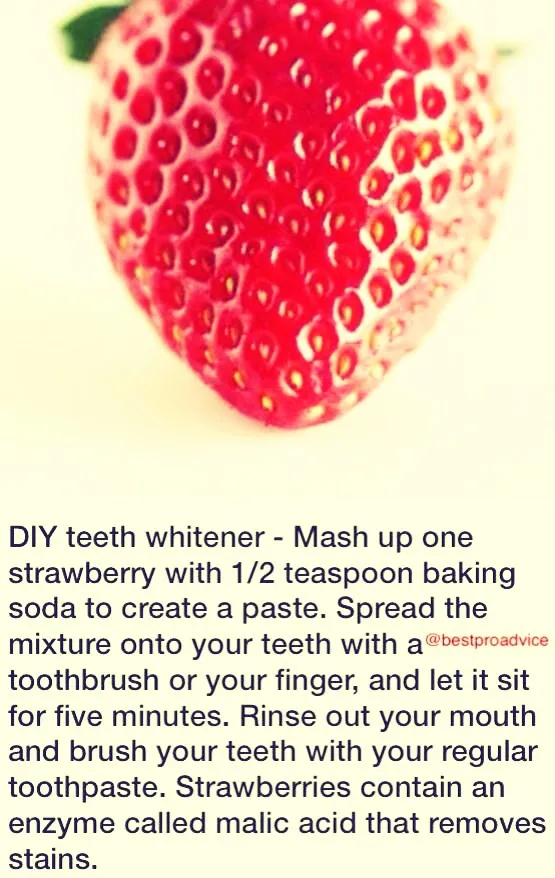
What is Teeth Whitening with Strawberries and Baking Soda?
Teeth whitening is a popular cosmetic procedure aimed at brightening the appearance of teeth and removing stains. Among the various methods available, using a mixture of strawberries and baking soda has gained traction as a natural and accessible option. This DIY approach leverages the natural properties of these two common ingredients. Strawberries contain malic acid, which acts as a natural astringent that may help remove surface stains, while baking soda acts as a mild abrasive and can help polish the teeth. This combination offers a potential solution for those looking to enhance their smile without resorting to professional treatments or commercial products, highlighting the appeal of accessible and natural remedies. The effectiveness, however, is a subject of ongoing discussion within the dental community, with differing views on its long-term impact and benefits, making it important to approach with awareness and care.
The Science Behind Strawberry and Baking Soda Whitening
Acidity and Whitening

Strawberries contain malic acid, a type of alpha-hydroxy acid (AHA) that is also found in other fruits. AHAs are known for their ability to exfoliate and break down certain types of stains. In the context of teeth whitening, the malic acid in strawberries may help to dissolve surface stains and brighten the enamel by gently removing discolored particles. However, it’s important to note that the acidity of strawberries can also be a double-edged sword. While it may contribute to stain removal, excessive exposure to acidic substances can erode tooth enamel over time, potentially leading to increased sensitivity and vulnerability to decay. This underscores the importance of using this method with caution and moderation to avoid damaging the protective layer of the teeth.
Abrasive Action and Stain Removal
Baking soda, or sodium bicarbonate, acts as a mild abrasive when used in oral hygiene. Its slightly gritty texture helps to physically remove surface stains and plaque from the teeth. This abrasive action is a key component of its whitening effect, as it helps to polish the enamel and dislodge particles that cause discoloration. However, the abrasive nature of baking soda also raises concerns about potential damage to the enamel. Over-brushing or using baking soda too frequently can wear down the enamel over time, making teeth more susceptible to sensitivity and decay. Therefore, when using this method, gentle brushing and careful monitoring of enamel condition are crucial. The fine particles of baking soda are designed to provide a gentle polishing action, but it’s important to avoid excessive pressure to minimize the risk of enamel abrasion.
Benefits of Using Strawberries and Baking Soda
Natural and Affordable

One of the primary advantages of using strawberries and baking soda for teeth whitening is that it offers a natural alternative to commercial products, which may contain harsh chemicals. This can be particularly appealing to those who prefer a more holistic approach to oral hygiene. Furthermore, these ingredients are readily available and relatively inexpensive, making this method an accessible option for people of all income levels. The cost-effectiveness of this DIY solution is a significant draw, especially when compared to the price of professional whitening treatments or the ongoing expense of over-the-counter whitening products. The ease of obtaining and using these common household items makes it a convenient and budget-friendly choice for those looking to improve their smile naturally. This combination provides a practical solution for individuals seeking to enhance their oral health without a significant financial investment.
Potential Side Effects and Risks
Enamel Erosion Concerns
A significant concern associated with the frequent use of strawberries and baking soda for teeth whitening is the potential for enamel erosion. The acidity of strawberries, combined with the abrasive nature of baking soda, can gradually wear away the protective enamel layer of the teeth. Enamel erosion leads to increased tooth sensitivity, as the underlying dentin becomes exposed, and it also makes teeth more vulnerable to decay. The long-term consequences of enamel erosion include increased risk of cavities, the need for restorative dental work, and a generally compromised oral health state. It is therefore crucial to use this method sparingly and to monitor for any signs of increased sensitivity or changes in tooth texture. Regular dental check-ups are also essential to assess and address any early signs of enamel damage to maintain optimal oral health.
Gum Sensitivity Issues

Individuals with sensitive gums may experience irritation or inflammation from the use of strawberries and baking soda for teeth whitening. The abrasive action of baking soda can be particularly harsh on delicate gum tissue, leading to redness, swelling, and discomfort. The acidity of strawberries can also contribute to gum irritation, as it can exacerbate existing sensitivities or cause irritation. This can make it difficult to maintain proper oral hygiene and may lead to other oral health problems. Individuals with sensitive gums should exercise extreme caution when considering this method and may want to consult with a dental professional before proceeding. A dentist can assess the condition of the gums and provide personalized advice on the suitability of this treatment, minimizing any potential discomfort or complications.
How to Prepare the Strawberry and Baking Soda Mixture
Choosing the Right Strawberries
Selecting the right strawberries is important for maximizing the effectiveness and minimizing the risks of this teeth whitening method. Choose fresh, ripe strawberries as they contain higher levels of malic acid compared to unripe ones. Ensure the strawberries are free from any signs of mold or spoilage. Wash the strawberries thoroughly to remove any dirt, pesticides, or other contaminants. For optimal results, use organic strawberries whenever possible to avoid exposure to chemicals. The quality of the strawberries directly affects the outcome, so opting for the best-quality fruit ensures the best possible experience. The freshness and ripeness of the strawberries will also influence the taste of the mixture, making the experience more pleasant. The aim is to obtain the best possible results while ensuring safety and effectiveness.
The Importance of Baking Soda Quality

The quality of baking soda plays a crucial role in the effectiveness and safety of this teeth whitening method. Opt for food-grade baking soda to ensure that it is free from any additives or contaminants that could be harmful. Avoid using baking soda that contains aluminum or other additives, as these could potentially damage teeth or irritate the gums. Always check the expiration date to ensure that the baking soda is fresh and effective. Store the baking soda in an airtight container in a cool, dry place to maintain its quality and prevent clumping. Using high-quality baking soda guarantees the best polishing effect and helps to avoid any adverse effects. Always make sure that the product is safe for oral use to protect overall oral health and hygiene.
Step-by-Step Guide to Application
Brushing Technique for Whitening
To apply the strawberry and baking soda mixture, begin by mashing a few ripe strawberries into a pulp. Add a small amount of baking soda, mixing it to create a paste. Using a soft-bristled toothbrush, gently apply the mixture to the teeth. Brush in a circular motion, ensuring that you cover all surfaces of your teeth. It’s important to brush lightly to avoid excessive abrasion, focusing on removing surface stains and plaque. Brush for about two minutes, then rinse your mouth thoroughly with water. Take care to avoid swallowing the mixture, as this can lead to an upset stomach. Following this method consistently and gently is key to achieving the desired results while minimizing the risks. Proper technique ensures that the teeth whitening process is effective, and also protects the enamel, which is crucial for long-term oral health.
Frequency of Use and Recommended Duration

The frequency and duration of using the strawberry and baking soda mixture are critical for minimizing potential risks. It’s generally recommended to use this method no more than once or twice a week. Overuse can significantly increase the risk of enamel erosion and gum irritation. Each brushing session should last no longer than two minutes. This limited exposure time helps to reduce the abrasive effect of the baking soda and the acidic impact of the strawberries on the teeth. When using this method, pay close attention to how your teeth and gums respond. If you experience any increased sensitivity, discomfort, or changes in the appearance of your teeth, discontinue use immediately and consult with a dental professional. Moderation and mindful use are essential to preserving your oral health. Consistency with these guidelines will help achieve the best possible results while protecting the health of your teeth and gums.
Aftercare and Oral Hygiene
Rinsing and Cleaning After Application
After brushing with the strawberry and baking soda mixture, it is essential to rinse thoroughly to remove any remaining residue. Rinse your mouth several times with plain water to ensure all traces of the mixture are gone. Consider using a fluoride-containing mouthwash after rinsing to help remineralize the enamel and protect against decay. This step can help counteract the acidity from the strawberries and the abrasive action of the baking soda. Ensure you brush your teeth properly with regular toothpaste to remove any remaining debris or bacteria. Proper rinsing helps to prevent any further damage to your teeth while removing any residual traces of the mixture. The goal is to ensure that your oral environment remains neutral to help minimize potential risks and maintain the integrity of your enamel.
Maintaining Long-Term Whitening Results

To maintain long-term teeth whitening results and good oral health, it is essential to practice consistent oral hygiene habits. Brush your teeth twice daily with a fluoride toothpaste to remove plaque and food particles. Floss daily to remove debris and plaque from areas your toothbrush cannot reach, which helps maintain a healthy mouth. Avoid excessive consumption of staining foods and drinks, such as coffee, tea, red wine, and berries. Regular dental check-ups and professional cleanings are critical for preventing dental problems and maintaining a bright smile. Consider using over-the-counter whitening products occasionally, but always follow the instructions and consult with your dentist. Maintaining a good oral hygiene routine and getting regular dental check-ups will help ensure that your teeth remain healthy and bright. Proper care and maintenance support sustained results from any teeth-whitening methods.
Alternatives to Strawberries and Baking Soda
Professional Whitening Options
Professional teeth whitening offers a more controlled and often more effective approach to enhancing the brightness of your smile. Dentists can perform in-office whitening treatments using high-concentration bleaching agents that yield faster and more dramatic results. These treatments are closely monitored by professionals, reducing the risk of enamel damage or gum irritation. In-office procedures can lighten teeth several shades in a single session. Another professional option is custom-fitted whitening trays, which are provided by your dentist for use at home. These trays ensure the whitening gel makes direct contact with the teeth, maximizing the effectiveness of the treatment. Professional options offer a safe, effective, and dentist-supervised path to a brighter smile, suitable for those seeking significant improvement. These treatments are often more effective than DIY methods and come with professional guidance to minimize risks.
Over-the-Counter Whitening Products

Various over-the-counter (OTC) teeth whitening products provide accessible alternatives for improving your smile. Whitening strips, toothpastes, and gels are widely available in drugstores and online. Whitening strips are designed to be applied directly to the teeth and contain a bleaching agent that lightens tooth enamel. Whitening toothpastes often contain mild abrasives that help remove surface stains, and some also contain bleaching agents. Whitening gels can be applied using custom or pre-made trays. When choosing an OTC product, it’s important to follow the instructions carefully and select a product that is certified by dental organizations. Although OTC products are generally less potent than professional treatments, they provide a convenient and affordable option for achieving noticeable whitening results. Ensure the product is safe to use by checking the ingredients and following the instructions provided by the manufacturer, this will help you achieve your desired results without compromising oral health.
Conclusion
In summary, using strawberries and baking soda for teeth whitening is a popular DIY approach that leverages the natural properties of both ingredients. While offering an accessible and affordable method for potentially enhancing the appearance of your smile, it is essential to consider the potential risks. The acidity of strawberries and the abrasiveness of baking soda can lead to enamel erosion and gum sensitivity if not used carefully and in moderation. It is recommended to use this method sparingly and with caution. Always prioritize proper oral hygiene and consider professional guidance from a dentist, especially if you have any existing dental issues. Weighing the pros and cons and being informed about the best practices can help ensure the long-term health and beauty of your teeth. Making informed decisions that prioritize overall oral health is crucial.