Top 7 OTC Teeth Whitening Options in Australia
Achieving a brighter smile is a common goal, and in Australia, over-the-counter (OTC) teeth whitening products offer a convenient and accessible solution. With a variety of options available, from whitening strips to toothpastes, selecting the right product can be a daunting task. This guide explores the top 7 OTC teeth whitening options available in Australia, providing insights into their effectiveness, pros, cons, and key considerations. This article aims to help you navigate the market, and make informed decisions to achieve a dazzling, white smile without the need for expensive professional treatments. Choosing the right product that suits your needs and preferences is the first step in achieving a confident, radiant smile. Read on to discover the best OTC teeth whitening solutions available in Australia.
Understanding Over-the-Counter Teeth Whitening
Over-the-counter teeth whitening products are designed to lighten the color of your teeth, reducing stains and discoloration caused by factors such as aging, food, drinks, and tobacco use. These products are readily available at pharmacies and supermarkets across Australia, making them a convenient option for those seeking a brighter smile. However, it’s important to understand how these products work and the different types available to make informed choices. OTC whitening products typically contain bleaching agents, such as hydrogen peroxide or carbamide peroxide, which penetrate the enamel to break down stain molecules. The effectiveness of these products varies depending on the concentration of the active ingredient, the duration of application, and the individual’s dental condition. They offer a more affordable alternative to professional treatments, but may not always deliver the same dramatic results.
How OTC Whitening Works

OTC teeth whitening products work by utilizing chemical agents to break down stains and discoloration within the tooth enamel. The primary active ingredients, hydrogen peroxide or carbamide peroxide, are oxidizing agents that penetrate the enamel. Once inside, these agents release oxygen molecules, which react with the stain molecules, breaking them down and making the teeth appear whiter. The concentration of the active ingredient and the duration of contact influence the whitening results. Products with higher concentrations of peroxide typically offer faster results, but they may also increase the risk of sensitivity. Regular use, as directed by the product instructions, is essential for achieving and maintaining the desired level of whitening. The process is generally safe when used as directed, however, it is essential to adhere to the product’s guidelines to prevent potential side effects.
Types of OTC Teeth Whitening Products
Several types of OTC teeth whitening products are available in Australia, each with its unique application method and effectiveness. Whitening strips are thin, flexible strips coated with a whitening gel that adheres directly to the teeth. Whitening toothpastes contain mild abrasives and sometimes low concentrations of peroxide to remove surface stains. Whitening gels and trays involve applying a gel to custom or pre-formed trays that fit over the teeth. Whitening pens offer a convenient way to apply the whitening gel directly to the teeth. Whitening mouthwashes contain whitening agents that are rinsed around the mouth. Each product type offers varying levels of convenience, efficacy, and suitability for different individuals. Understanding the different product types helps consumers choose an option that best fits their lifestyle and dental needs.
Factors to Consider Before Choosing
Choosing the right OTC teeth whitening product requires careful consideration of several factors. Your current tooth shade, desired level of whitening, sensitivity concerns, and budget all play crucial roles in making the best choice. Understanding these factors helps in selecting a product that is both effective and suitable for your specific needs. Assessing your oral health is also very important before starting any whitening treatment. Addressing any existing dental issues beforehand ensures the best results and prevents potential complications. Consulting with a dentist is always recommended, especially if you have any concerns or underlying dental conditions.
Your Current Tooth Shade

The initial shade of your teeth significantly influences the results you can expect from OTC whitening products. Individuals with darker stains or naturally darker teeth may require more potent products or longer treatment durations to achieve noticeable whitening. Using a shade guide can help you assess your current tooth color and track your progress throughout the whitening process. Taking photos of your teeth before and after use will help you monitor changes. It is important to manage expectations, as OTC products may not achieve the same level of whitening as professional treatments. Recognizing your starting point and setting realistic goals will improve the chances of satisfaction.
Sensitivity Concerns
Tooth sensitivity is a common side effect of teeth whitening, which occurs when the whitening agents penetrate the enamel and irritate the nerves within the teeth. Individuals with sensitive teeth should choose products with lower concentrations of peroxide or those designed to minimize sensitivity. Products containing potassium nitrate or fluoride can help reduce sensitivity. Consider using sensitivity toothpaste before, during, and after whitening treatments. If sensitivity becomes unbearable, stop using the product and consult your dentist. Choosing a product that matches your teeth’s sensitivity level is vital for a comfortable and positive whitening experience. Always follow the product instructions and consult your dentist if you have any concerns.
Budget Considerations
The cost of OTC teeth whitening products varies widely, so it is important to consider your budget when making your selection. Whitening toothpastes are generally the most affordable option, while whitening strips and gels tend to be slightly more expensive. Professional whitening treatments are significantly more costly. Assess your financial resources and determine how much you are willing to spend. Keep in mind that the more expensive products are not always the most effective. Researching different brands, comparing prices, and reading reviews can help you find a product that fits your budget without compromising on quality or safety. It’s also important to weigh the costs against the potential benefits and choose a product that delivers value for your money.
Top OTC Teeth Whitening Products in Australia

Australia offers a range of effective OTC teeth whitening products. Here are some of the top-rated options in each category, and the pros and cons of each one. These products have gained popularity due to their ease of use, effectiveness, and accessibility. Please consult with your dentist before starting any whitening treatment.
Whitening Strips
Whitening strips are a popular choice due to their convenience and ease of use. These thin, flexible strips are coated with a whitening gel and are applied directly to the teeth. They provide a targeted application of the whitening agent, ensuring even coverage. Whitening strips are designed to adhere firmly to the teeth, allowing the bleaching agent to be in contact with the teeth for a specified period. The ease of application and portability of these strips have made them very popular.
Pros and Cons
Pros include their ease of use, noticeable results within a few days, and relatively affordable price. They are readily available in most pharmacies and supermarkets across Australia, offering easy access. However, cons can include potential tooth sensitivity, uneven whitening if not applied correctly, and the inability to whiten teeth in the crevices and gaps. Some users may find the strips uncomfortable, and they may not fit the teeth perfectly. It’s important to follow instructions to maximize effectiveness and minimize side effects. The best results are obtained by regularly using the strips.
Best Whitening Strips Brands

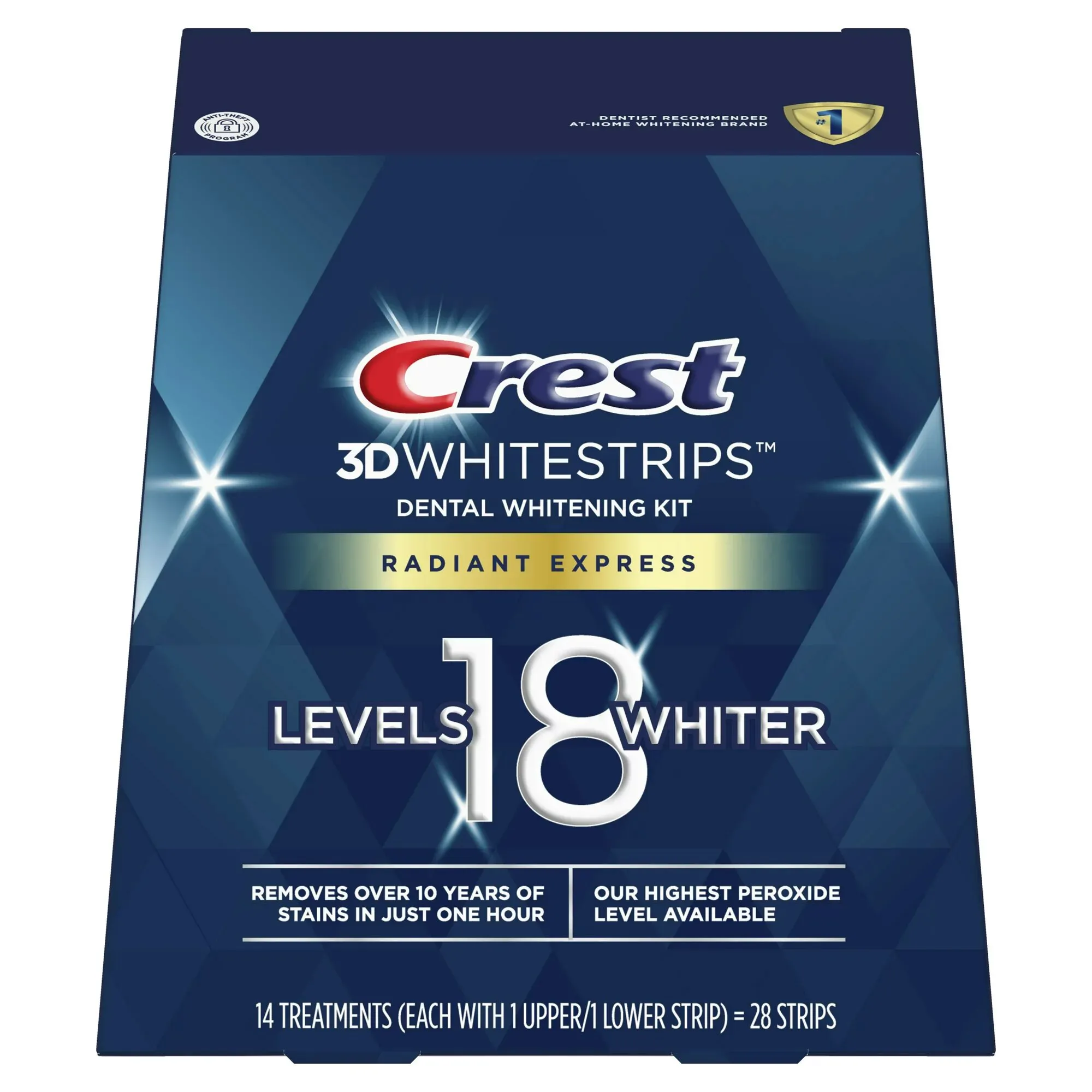
Popular brands in Australia include Crest 3D White Strips and HiSmile Whitening Strips. Crest 3D White Strips offer a wide range of options, from gentle to advanced whitening, catering to different sensitivity levels and desired outcomes. HiSmile is known for its easy-to-use strips and a generally favorable customer experience. Choosing the right brand is a matter of individual preference, as factors such as comfort, ease of application, and taste preferences influence the overall experience. It is recommended to read reviews and compare the offerings of different brands to find the best fit.
Whitening Toothpastes
Whitening toothpastes are a staple in many oral hygiene routines, offering a subtle yet convenient way to whiten teeth. These toothpastes typically contain mild abrasives or chemical agents that help remove surface stains. The abrasives gently scrub away stains, and the chemical agents break down stain molecules, leading to a brighter smile. Whitening toothpastes are often used to maintain the results of other whitening treatments or as a standalone option for minor discoloration. They are easy to incorporate into daily routines and are readily accessible.
Pros and Cons
Pros of using whitening toothpastes include their affordability, ease of use, and the ability to remove surface stains. They also improve oral hygiene by removing plaque. However, cons include that they might not whiten teeth dramatically, can cause sensitivity due to the abrasives, and may not be suitable for everyone, especially those with sensitive teeth. The effectiveness is often limited to the removal of surface stains, and the results are generally less dramatic than those from other whitening treatments. It’s important to choose a whitening toothpaste that is suitable for your individual needs and oral health conditions.
Best Whitening Toothpaste Brands

Popular whitening toothpaste brands in Australia include Colgate Optic White and Sensodyne White Repair. Colgate Optic White is known for its effective stain removal and whitening capabilities, making it a popular choice for consumers. Sensodyne White Repair is formulated for those with sensitive teeth, offering a balance of whitening and sensitivity relief. When choosing a whitening toothpaste, consider your specific needs, sensitivity levels, and oral health conditions. Reading reviews and comparing the formulations of different brands can help you find the most effective and suitable option.
Whitening Gels and Trays
Whitening gels and trays offer a more controlled and customized approach to teeth whitening. This method involves applying a whitening gel to a tray that fits over the teeth, ensuring even distribution of the whitening agent. The trays can be custom-made by a dentist or purchased as pre-formed trays. The effectiveness of whitening gels and trays lies in the contact time and the concentration of the whitening agent. These products offer a good balance between effectiveness and convenience, making them a popular choice for those seeking noticeable results.
Pros and Cons
Pros of using whitening gels and trays include the ability to achieve more noticeable and consistent whitening results compared to some other methods, the ability to control the whitening process and tailor the treatment to individual needs. Cons of these products include the need for proper fitting of trays to avoid uneven whitening or gum irritation. It can be time-consuming, as the trays typically need to be worn for a set period daily. Potential tooth sensitivity is also a possibility, and professional assistance might be required for the best results.
Best Whitening Gel and Tray Brands

Popular brands of whitening gels and trays in Australia include White Glo and Zoom! (often available through dental professionals). White Glo offers various gel and tray kits designed to fit different needs and preferences. Zoom! is a professional-grade whitening system that is available at some dental practices. It is recommended to consult your dentist to find the best option. Selecting the right brand depends on your desired level of whitening, sensitivity considerations, and the overall convenience. Consulting your dentist can provide personalized advice and ensure the most effective and safe approach.
Whitening Pens
Whitening pens provide a convenient and portable method for teeth whitening. They typically contain a whitening gel that is applied directly to the teeth using a brush or applicator. The design of the pen allows for targeted application, making it easy to whiten specific teeth or touch up the whitening process. The ease of use and portability make whitening pens a great option for those on the go. They can be easily incorporated into daily routines, providing a quick and effective solution for maintaining a brighter smile.
Pros and Cons
Pros of whitening pens include their ease of use, convenience, and portability, and their ability to target specific teeth. They also offer a discreet way to whiten teeth, and are often more affordable than professional treatments. Cons include the potential for uneven whitening if not applied properly, and they may not be as effective as other methods for significant discoloration. It is also important to be careful not to over-apply the gel. While whitening pens provide a convenient option, it is important to consider the specific needs and preferences.
Best Whitening Pen Brands
Popular whitening pen brands include Colgate Optic White and HiSmile. These brands are popular in Australia. They are known for their user-friendly design and portability. When choosing a whitening pen, consider the ease of application, the concentration of the whitening agent, and the overall customer reviews. Reading reviews, comparing the features of different products, and consulting with a dentist can help you choose the best option.
Whitening Mouthwashes
Whitening mouthwashes offer a supplementary approach to teeth whitening, working to freshen breath and remove surface stains. These mouthwashes contain mild whitening agents, such as hydrogen peroxide, to help remove stains and freshen breath. Whitening mouthwashes are often used in conjunction with other whitening methods. Their ease of use and ability to enhance oral hygiene make them a suitable option for daily use. It is important to use the mouthwash as directed. Whitening mouthwashes play a supporting role in improving the overall appearance of teeth and promoting oral health.
Pros and Cons
Pros include the ability to freshen breath, help prevent cavities, and remove surface stains. They are also very easy to incorporate into daily oral hygiene routines, offering an accessible option. Cons include the limited whitening power, and the potential for temporary tooth sensitivity. Whitening mouthwashes are often not effective on their own for significant discoloration. It is best to use whitening mouthwashes as a supporting method. Choosing a mouthwash that suits your specific needs and preferences is important.
Best Whitening Mouthwash Brands
Popular whitening mouthwash brands in Australia include Colgate Optic White and Listerine Advanced White. Colgate Optic White is well-regarded for its stain-fighting abilities, providing noticeable whitening benefits. Listerine Advanced White is popular for its dual-action formula. Choosing the right mouthwash depends on your specific needs. It is important to look at the concentration of active ingredients and the product’s other features. Consulting with your dentist can also help you choose the best option for your needs.
Key Ingredients to Look For
Understanding the key ingredients in OTC teeth whitening products is important for making informed choices. The most common active ingredients are hydrogen peroxide and carbamide peroxide, which act as bleaching agents to break down stains. These ingredients’ concentrations and formulations determine the effectiveness and potential side effects of the products. Some products may contain additional ingredients to enhance the whitening process or reduce sensitivity. Always carefully read the product labels to understand the ingredients and their concentrations. Choosing products with effective and safe ingredients is key to achieving desired results.
Hydrogen Peroxide
Hydrogen peroxide is a primary active ingredient in many teeth whitening products, acting as a bleaching agent to lighten the color of teeth. It works by releasing oxygen molecules that break down stain molecules within the enamel. The concentration of hydrogen peroxide affects the whitening results. Higher concentrations can lead to faster and more significant whitening, but they can also increase the risk of sensitivity. Many OTC products use hydrogen peroxide in concentrations ranging from 3% to 10%. Always follow the product instructions. Consider your teeth’s sensitivity before choosing a product containing this ingredient. Consultation with your dentist is always advisable.
Carbamide Peroxide
Carbamide peroxide is another common active ingredient in teeth whitening products. It breaks down into hydrogen peroxide. It is a gentler form of peroxide and is found in many whitening gels and tray systems. The effectiveness of carbamide peroxide depends on its concentration and the duration of application. It typically takes longer to achieve noticeable whitening compared to hydrogen peroxide. Using products with carbamide peroxide can also lead to tooth sensitivity. Consider the ingredient when choosing the product. Always consult your dentist before use. Use it according to the product directions for best results.
Important Considerations and Safety
While OTC teeth whitening products are readily available, it is essential to prioritize safety and be aware of the potential side effects. Understanding these considerations helps you use the products safely and effectively, reducing the risk of adverse effects. It is important to make an informed decision based on your dental health. Following all the directions is also important. Consult with your dentist about your specific needs and dental health status.
Potential Side Effects
The most common side effects of teeth whitening are tooth sensitivity and gum irritation. Tooth sensitivity occurs when the bleaching agents penetrate the enamel and irritate the nerves within the teeth. Gum irritation can result from the whitening product contacting the soft tissues of the mouth. These side effects are usually temporary. If you experience severe sensitivity, stop using the product and consult your dentist. Other side effects may include changes in the enamel surface or the appearance of white spots on the teeth. Always follow the product instructions. If you have any concerns about the product, consult with your dentist.
Consulting Your Dentist
Consulting your dentist is essential before starting any teeth whitening treatment. Your dentist can assess your oral health and determine whether whitening is safe and appropriate for you. They can identify existing dental issues, such as cavities or gum disease, that may require treatment before whitening. Your dentist can offer personalized advice on the best whitening methods, considering your needs and the sensitivity of your teeth. They can also provide professional whitening treatments or recommend suitable OTC products. Scheduling regular dental check-ups and cleanings is crucial to maintaining optimal oral health. Following your dentist’s advice ensures a safe and effective teeth whitening experience.
Maintenance and Aftercare
Maintaining the results of teeth whitening and practicing good oral hygiene are essential for a long-lasting, brighter smile. Proper aftercare helps to prevent stains and discoloration, ensuring that your teeth remain white. Following these guidelines can extend the benefits of the whitening treatment. Maintaining a regular oral hygiene routine is vital, as is making dietary choices to avoid staining foods and drinks. Regular dental check-ups and professional cleanings also contribute to maintaining your brighter smile.
Tips for Maintaining White Teeth
To maintain white teeth, it is very important to establish good oral hygiene habits, including brushing your teeth twice a day, flossing daily, and using an antiseptic mouthwash. Use a soft-bristled toothbrush. Brushing and flossing removes plaque and surface stains. Avoid tobacco products, which can stain teeth significantly. Regular dental check-ups and professional cleanings also help remove stains and keep your teeth bright. Consider using a whitening toothpaste or mouthwash as part of your routine. Following these simple steps helps maintain a brighter and healthier smile long after your teeth whitening treatment is complete.
Avoiding Staining Foods and Drinks
Certain foods and drinks can stain your teeth. Limiting or avoiding these items can help maintain your white smile. Coffee, tea, red wine, and dark-colored sodas are common culprits. Consider using a straw to minimize contact with your teeth. Berries, tomato-based sauces, and soy sauce can also stain teeth. Brushing your teeth soon after consuming these foods and drinks can help reduce staining. You can also rinse your mouth with water after eating or drinking staining items. Being mindful of your diet and practicing good oral hygiene habits helps to keep your teeth bright.