Teeth Whitening Avoid [Top 5] Mistakes
Teeth whitening is a popular cosmetic dental procedure that can significantly enhance your smile. However, achieving and maintaining those pearly whites requires more than just the initial treatment. Many people unknowingly make mistakes after teeth whitening that can diminish the results or even damage their teeth. This article highlights the top five mistakes to avoid after teeth whitening, ensuring you get the most out of your investment and keep your smile dazzling for longer. Understanding these common pitfalls is crucial for anyone considering or who has recently undergone teeth whitening.
Mistake 1 Eating & Drinking After Teeth Whitening
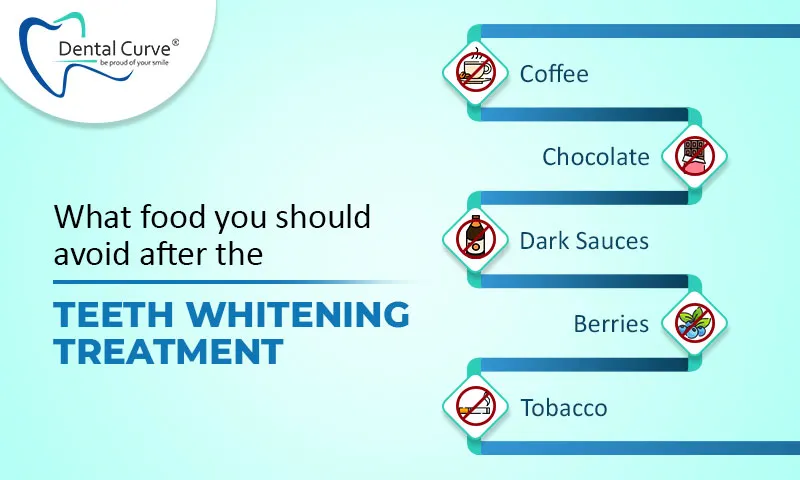
One of the most significant mistakes people make is not paying attention to their diet immediately after teeth whitening. Your teeth are more susceptible to staining during this period because the enamel pores are open. Consuming highly pigmented foods and drinks can easily undo the whitening process. To maximize your results, it’s essential to follow a “white diet” for at least 48 hours, and ideally, for a week or more. This means avoiding anything that could stain a white shirt. Coffee, tea, red wine, and dark sodas are major culprits. Also, be mindful of foods like berries, beets, and soy sauce, which can also stain your teeth. Staying vigilant with your diet after whitening ensures your teeth remain bright and your smile vibrant.
Foods to Avoid for a Brighter Smile

Certain foods are notorious for staining teeth, and should be strictly avoided after teeth whitening. These include deeply colored fruits and vegetables such as blueberries, blackberries, raspberries, and beets. Sauces like soy sauce, balsamic vinegar, and curry also pose a significant threat. Processed foods with artificial colors can also lead to staining. It’s important to read labels carefully and choose foods that are light in color. Opt for white or clear foods such as chicken, fish, rice, and cauliflower. Fruits like bananas and apples are generally safe, but always rinse your mouth with water after consuming any food.
Drinks to Avoid to Protect Your Teeth
Drinks are another major source of potential staining. Coffee and tea, both black and green, are notorious for their staining properties due to their high tannin content. Red wine is another significant risk, as its deep pigment can easily seep into the enamel pores. Dark sodas, such as cola, contain artificial coloring that can stain teeth over time. Even clear sodas can contain acids that can weaken your enamel and make it more susceptible to staining. The best drinks to consume immediately after teeth whitening are clear liquids like water and milk. Milk not only hydrates but also provides calcium, which is beneficial for oral health. Avoid all other drinks to protect the brightness of your newly whitened teeth.
Mistake 2 Poor Oral Hygiene
Maintaining excellent oral hygiene is critical, both before and after teeth whitening. Poor oral hygiene can undermine the effectiveness of the whitening treatment and can also lead to other dental problems. Brushing and flossing regularly are essential to remove plaque and food particles that can cause staining or discoloration. Using the wrong techniques or products, or not brushing and flossing at all, can reverse the positive effects of teeth whitening. A consistent and comprehensive oral care routine is key to sustaining a bright, healthy smile. It’s also essential to be aware of the correct techniques, especially after the treatment.
Brushing Too Hard or Aggressively

Brushing too hard or aggressively can damage your enamel and make your teeth more susceptible to staining. Using a hard-bristled toothbrush can wear down the enamel, exposing the underlying dentin, which is naturally yellow. This can reverse the teeth whitening process. Instead, use a soft-bristled toothbrush and gentle, circular motions to brush your teeth. Avoid applying excessive pressure. Brushing gently but thoroughly helps remove plaque and food particles without damaging your enamel. Pay close attention to your brushing technique, and consider asking your dentist for advice on how to improve it.
Flossing Techniques for Whitened Teeth
Flossing is an essential part of a good oral hygiene routine, especially after teeth whitening. Flossing removes plaque and food particles from between your teeth, where your toothbrush can’t reach. If these particles are not removed, they can lead to staining and discoloration. Be sure to floss at least once a day, preferably before brushing. Use a gentle up-and-down motion, making sure to get the floss all the way down to the gum line. This will help to keep your teeth clean and prevent staining, maintaining the results of your teeth whitening treatment. Ensure you are using the correct technique and don’t rush the process.
Mistake 3 Smoking and Tobacco Use
Smoking and using tobacco products is one of the worst things you can do after teeth whitening. Tobacco contains nicotine and tar, which are major causes of tooth discoloration. The yellow and brown stains from smoking can quickly reverse the whitening process, undoing all the progress made through the treatment. Moreover, smoking and tobacco use can lead to other serious dental problems, such as gum disease and oral cancer, which can further damage your smile. Avoiding tobacco products is a crucial step in protecting and maintaining your newly whitened teeth. It also enhances your overall health, reducing the risk of serious diseases.
The Impact of Smoking on Teeth Whitening

Smoking has a devastating impact on teeth whitening results. The chemicals in tobacco products quickly stain the teeth, and these stains can be very difficult to remove. The nicotine and tar in cigarettes and other tobacco products can penetrate the enamel, causing yellowing and browning. The constant exposure to these substances makes it almost impossible to maintain a bright, white smile. If you smoke, teeth whitening may not be a worthwhile investment, as the results will be short-lived. Even after whitening, smoking will rapidly negate the effects. Quitting smoking is essential to protect your teeth and your overall health, as well as to improve the longevity of your teeth whitening.
Alternatives to Smoking for a Healthier Mouth
Quitting smoking is one of the best things you can do for your teeth and your overall health. There are several alternatives to smoking that can help you maintain a healthy mouth. Nicotine replacement therapy, such as patches, gum, or lozenges, can help reduce cravings and withdrawal symptoms. Consulting with your doctor or a smoking cessation specialist can provide you with a personalized plan. Joining support groups or seeking counseling can also provide the motivation and support you need to quit. Additionally, staying active, practicing relaxation techniques, and engaging in enjoyable activities can help distract you from the urge to smoke. These alternatives will significantly help to protect the results of your teeth whitening and improve your overall well-being.
Mistake 4 Using the Wrong Products
Using the wrong dental products after teeth whitening can compromise your results. Some products can contain ingredients that are too abrasive or contain colors that stain the teeth. It’s essential to choose products that are gentle and specifically designed to maintain the results of teeth whitening. Switching to the right products will help you keep your teeth bright and your smile healthy. Be mindful of the ingredients in your toothpaste and mouthwash, and be sure they are compatible with your whitening treatment.
Choosing the Right Toothpaste

After teeth whitening, it’s important to choose a toothpaste that’s gentle and non-abrasive. Toothpastes with high levels of abrasive ingredients, like silica, can damage your enamel and make your teeth more susceptible to staining. Look for toothpastes that are specifically designed for sensitive teeth, as these tend to be less abrasive. Avoid toothpastes with harsh whitening agents, like baking soda or peroxide, as they can irritate your teeth. Toothpastes with fluoride are generally beneficial for strengthening enamel. Consult your dentist for recommendations on the best toothpaste for your situation. Choosing the right toothpaste can help you maintain your bright smile without causing damage.
Selecting the Right Mouthwash
The right mouthwash is essential to maintain the results of your teeth whitening treatment. Avoid mouthwashes that contain alcohol, as they can dry out your mouth and increase the risk of staining. Alcohol-free mouthwashes are a better option as they are gentler and less likely to cause irritation. Be careful about the color of your mouthwash. Some colored mouthwashes may contain pigments that stain your teeth over time. Look for clear or lightly colored mouthwashes that are designed to freshen breath without staining. Additionally, consider a mouthwash that contains fluoride, as it can help strengthen your enamel and protect your teeth from decay. Ask your dentist for a recommendation to ensure you choose the best mouthwash for your needs.
Mistake 5 Skipping Follow-Up Care
Teeth whitening is not a one-time fix; it requires ongoing care and maintenance. Skipping follow-up appointments and neglecting to address any issues can lead to a decline in your results. Regular dental check-ups and professional cleanings are crucial to maintaining a bright, healthy smile. By having regular check-ups, you can identify and address any potential problems before they worsen, ensuring the longevity of your teeth whitening. Don’t neglect your follow-up care; it’s essential to protect your investment and keep your smile looking its best.
Importance of Regular Dental Check-ups

Regular dental check-ups are an essential part of maintaining your whitened teeth and your overall oral health. During these appointments, your dentist can assess the condition of your teeth and gums, identify any potential issues, and provide professional cleanings to remove plaque and tartar. These cleanings will also help maintain the brightness of your teeth by removing surface stains. Regular check-ups allow you to address any problems before they become severe. Your dentist can also advise you on how to care for your teeth and provide personalized recommendations to keep your smile bright and healthy. Schedule your check-ups regularly to ensure your teeth stay in top condition and your smile continues to shine.