Understanding Teeth Whitening Costs
Teeth whitening is a popular cosmetic dental procedure, and understanding its costs is crucial for anyone considering it. The price of professional teeth whitening can vary significantly depending on several factors, including the type of treatment, the dentist’s location, and the severity of the discoloration. This guide provides a comprehensive overview of the costs associated with professional teeth whitening, helping you make an informed decision. It’s important to weigh the costs against the benefits, which include a brighter, more confident smile and improved self-esteem. The investment in teeth whitening can be a worthwhile one, especially when considering the long-term impact on your oral health and overall appearance.
Types of Professional Teeth Whitening
There are primarily two main types of professional teeth whitening treatments available In-office teeth whitening and at-home kits provided by your dentist. Each option has its own set of costs and benefits. In-office treatments are usually faster and more effective, providing immediate results with stronger bleaching agents. At-home kits, on the other hand, are more gradual, but can offer a more affordable option and greater convenience for some patients. Understanding these different methods is key to determining which one best suits your needs and budget, ultimately helping you achieve the desired level of brightness for your teeth. Consider your lifestyle and the urgency of results when choosing between these options.
In-Office Teeth Whitening Cost

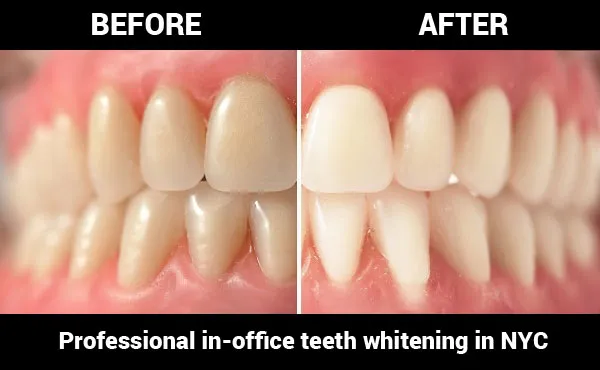
In-office teeth whitening is typically the most expensive option, but it also delivers the quickest and most dramatic results. The cost can range from $500 to $1,000 or more per session, depending on the dentist’s fees and the specific whitening system used. These costs often include the initial consultation, the procedure itself (which usually takes about an hour), and any post-treatment instructions or materials. The higher price reflects the use of stronger bleaching agents and the expertise of the dental professional. The convenience and immediate results often make in-office whitening a preferred choice for individuals looking for a significant enhancement in their smile in a short amount of time. Keep in mind that additional sessions may be needed to achieve the desired level of whiteness, which would increase the overall cost.
At-Home Teeth Whitening Kits from Dentist
At-home teeth whitening kits provided by your dentist offer a more budget-friendly alternative to in-office treatments. These kits typically cost between $100 and $400, making them a more accessible option. The kits usually include custom-fitted trays and professional-strength bleaching gel, which is stronger than over-the-counter options. The dentist will take impressions of your teeth to create these trays, ensuring a proper and comfortable fit. The main advantage of these kits is that they combine the effectiveness of professional-grade products with the convenience of at-home use. While results may take longer to appear compared to in-office treatments, the process allows for gradual and controlled whitening, and can be a practical choice for those seeking a more affordable solution. Follow your dentist’s instructions to maximize results and minimize potential side effects.
Cost Factors Influencing Teeth Whitening
Several factors influence the final cost of teeth whitening, including the dentist’s fees, the severity of the discoloration, and the specific type of treatment chosen. Understanding these factors allows you to anticipate the costs involved and make informed decisions. Different geographical locations have varying costs of living, which directly impacts the dentist’s prices. The type of whitening treatment also plays a crucial role, with in-office procedures typically costing more than at-home kits. Additionally, the complexity of the procedure, such as the need for multiple sessions or additional treatments, can affect the overall expense. Being aware of these influencing elements empowers you to find the best options within your budget and achieve your desired results.
Location and Dentist’s Experience

The location of the dental practice significantly affects the cost of teeth whitening. Dentists in urban areas or regions with a higher cost of living often charge more than those in rural areas. This is due to higher overhead costs, including rent, staff salaries, and supplies. Moreover, the dentist’s experience and expertise can influence the price. Highly experienced dentists with specialized training may charge premium rates due to their proven track record and superior results. It is advisable to research different dental practices in your area to compare prices and evaluate the dentists’ qualifications and patient reviews before making a decision. While it is important to stay within your budget, also consider the value of the expertise and the quality of care you will receive.
The Severity of Discoloration
The severity of the tooth discoloration is a major factor that impacts the cost of teeth whitening. Mild stains caused by coffee, tea, or red wine are typically easier to treat and may require fewer sessions, resulting in lower costs. However, deep-seated stains from aging, genetics, or certain medications may need more intensive treatments, such as multiple in-office sessions or stronger bleaching agents, which will increase the overall expense. Dentists will assess the degree of discoloration during the initial consultation and recommend the appropriate treatment plan based on their findings. It’s important to be realistic about the potential results. Severe stains can take longer and cost more to whiten, so understanding the extent of the discoloration beforehand is crucial to managing your expectations and budget effectively.
Type of Whitening Treatment
The specific type of whitening treatment chosen directly influences the cost. In-office teeth whitening, which uses stronger bleaching agents and is performed by a dentist, typically costs more than at-home kits. The higher price reflects the convenience, immediate results, and the expertise of the dental professional. At-home whitening kits offered by your dentist are more affordable. The treatment approach also has bearing on the costs, as some methods may require multiple sessions or additional treatments to achieve the desired results. For instance, some dentists offer whitening systems that combine in-office treatments with at-home maintenance kits for optimal and long-lasting results. Before starting any treatment, discuss the various options available with your dentist, including the potential costs associated with each, to decide on the best option that suits your needs and budget.
Insurance Coverage and Payment Options

Navigating the financial aspects of teeth whitening involves understanding insurance coverage and exploring different payment options. Since teeth whitening is generally considered a cosmetic procedure, insurance coverage is often limited. However, some dental plans may offer partial coverage or may include whitening as part of a broader cosmetic package. Exploring different payment plans and financing options can help make the treatment more affordable. Understanding your options ensures a smoother and more manageable financial experience.
Does Dental Insurance Cover Teeth Whitening?
Dental insurance typically does not cover teeth whitening, as it is primarily regarded as a cosmetic procedure. However, some dental plans may offer partial coverage if the whitening is deemed medically necessary due to certain conditions, such as tooth discoloration caused by trauma or specific medical treatments. It’s crucial to review your insurance policy carefully and consult with your insurance provider to understand your specific coverage details. Some plans may offer discounts or partial reimbursements for cosmetic procedures, so it is worth inquiring about your policy’s specifics. If your insurance doesn’t cover teeth whitening, consider exploring other financing options to make the treatment more accessible.
Payment Plans and Financing Options
Many dental practices offer payment plans or financing options to help patients manage the cost of teeth whitening. These plans allow you to spread the cost over a set period, making it more affordable. Financing options may include in-house payment plans, third-party financing companies, or credit cards with special financing offers. Discuss these options with your dentist or the practice’s financial coordinator to find a plan that best suits your budget. Comparing different payment options and understanding the terms and conditions, such as interest rates and monthly payments, is crucial to make the best choice. By utilizing these financial tools, you can achieve a brighter smile without putting a strain on your finances.
Alternatives and Additional Costs

Beyond the direct costs of professional teeth whitening, there may be alternatives and additional expenses to consider. Understanding these factors helps create a more realistic budget and plan for your dental health journey. Alternative cosmetic procedures, like veneers or bonding, may be available depending on your specific needs. Maintenance and touch-ups are also important to maintaining the results over time. Considering all these aspects ensures you make an informed decision.
Teeth Whitening Vs Other Cosmetic Procedures
Depending on your goals and the condition of your teeth, other cosmetic procedures may be more suitable or cost-effective than teeth whitening. Veneers, for instance, are thin shells bonded to the front of your teeth to correct discoloration, chips, or gaps. While veneers can provide a dramatic improvement, they are typically more expensive than teeth whitening. Dental bonding, which involves applying a tooth-colored resin, is another option for minor imperfections and staining. Bonding is generally less costly than veneers but may not last as long or provide the same level of improvement. When considering these alternatives, weigh the potential benefits and the cost of each option. Consult with your dentist to determine the most appropriate procedure based on your specific needs and aesthetic goals.
Cost of Maintenance and Touch-Ups
To maintain your bright smile, you will likely need touch-up treatments. The frequency of these touch-ups depends on various factors, including your diet, lifestyle habits, and the type of whitening treatment. People who consume staining foods and beverages (coffee, tea, red wine) may need more frequent touch-ups. The cost of maintenance can vary depending on the method used, and could include the price of at-home whitening kits or additional in-office treatments. The cost is generally lower than the initial whitening procedure. You may also consider using whitening toothpaste and mouthwash as part of your daily oral hygiene routine to help prolong the results. Regular dental check-ups and professional cleanings also help maintain your smile’s brightness. Discuss your maintenance plan with your dentist to get a clear understanding of the ongoing costs associated with maintaining your white teeth.