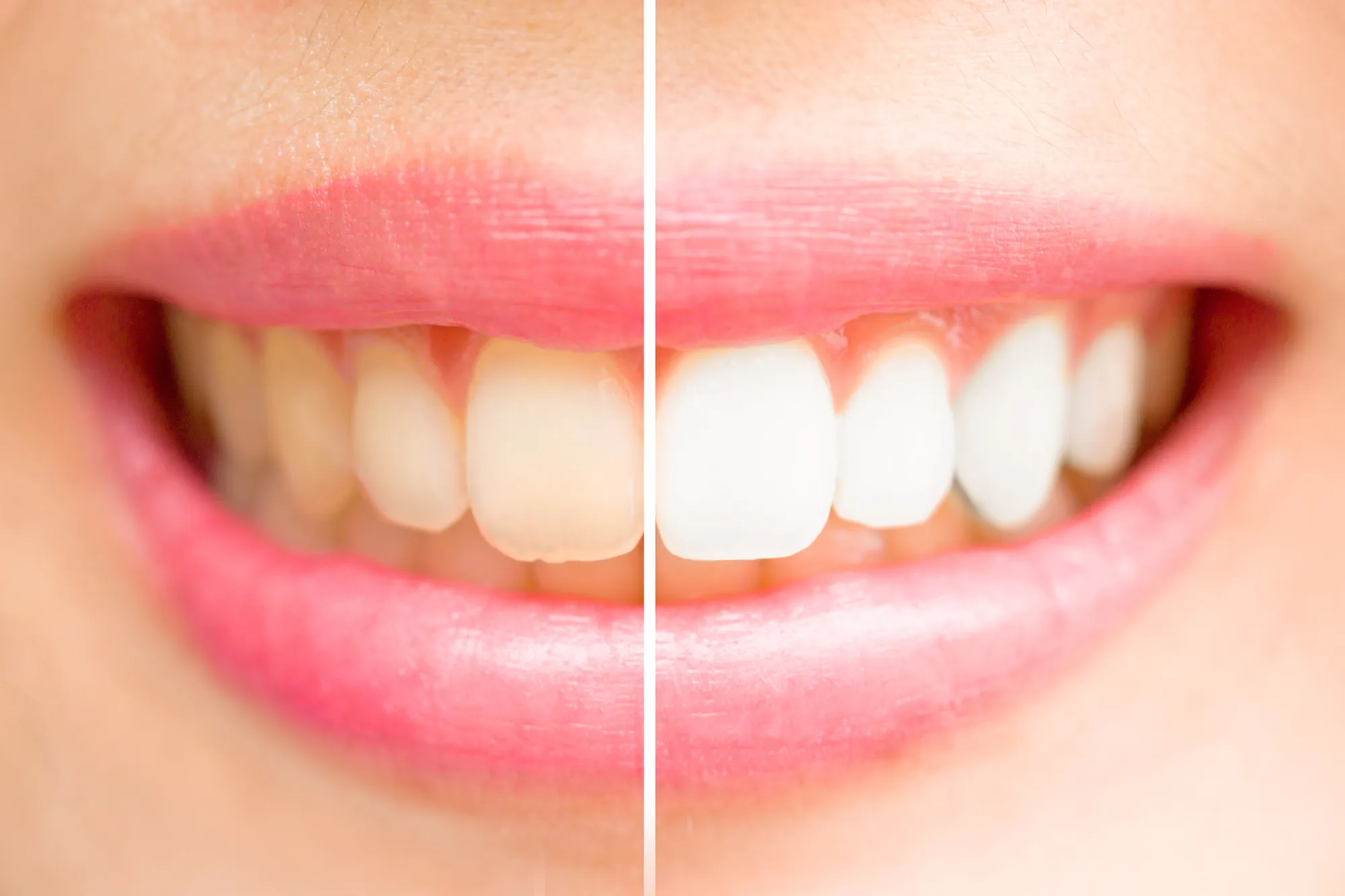
Why Avoid Certain Foods After Teeth Whitening?
Undergoing teeth whitening is a significant investment in your smile, and to preserve those pearly whites, understanding the dos and don’ts of your post-whitening diet is crucial. The process of teeth whitening involves removing stains and discoloration, often by opening the pores in your enamel. During this sensitive period, your teeth are more susceptible to staining. Certain foods and drinks can easily penetrate these pores, re-staining your teeth and diminishing the results of your whitening treatment. This is why it’s essential to be mindful of what you consume immediately after the procedure and for a period recommended by your dentist. By adhering to a specific diet, you can maximize the longevity of your brightened smile and avoid the disappointment of premature staining. Your dentist will guide you through specific dietary recommendations tailored to your individual needs and the type of whitening treatment you’ve received, ensuring you achieve the best and longest-lasting results.
The Impact of Food on Your Teeth’s Shade
The foods you eat directly impact the color of your teeth. Certain substances contain pigments that can easily adhere to the enamel, leading to stains. These pigments seep into the microscopic pores of the enamel, causing discoloration. The intensity of staining varies based on the food’s color, acidity, and the frequency of consumption. Highly pigmented foods like berries, soy sauce, and tomato-based sauces can leave prominent stains. Moreover, acidic foods can erode the enamel, making it more porous and susceptible to staining. For instance, coffee and tea, being dark and acidic, are notorious for staining teeth. Likewise, red wine, known for its rich color and acidity, can quickly compromise the results of a teeth whitening treatment. This underscores the importance of a well-informed diet, especially immediately after a teeth whitening procedure when your teeth are most vulnerable.
Foods to Avoid After Teeth Whitening

To maintain your bright smile, it’s essential to be aware of foods to avoid immediately after a teeth whitening treatment. The following foods are particularly notorious for staining teeth and should be avoided for at least the first 24 to 48 hours, or as recommended by your dentist. This period is critical, as your teeth are most vulnerable to staining during this time. Making the right food choices during this period ensures your whitening results last longer. By avoiding these foods, you help your teeth settle into their new, brighter shade without the interference of staining agents. Remember that the time frame might vary, so always follow your dentist’s specific instructions. Furthermore, be sure to rinse your mouth with water after eating or drinking anything to help remove any potential staining particles.
Coffee and Tea
Coffee and tea are two of the most common culprits when it comes to staining teeth. Both contain tannins, compounds that contribute to the dark color and can easily adhere to the enamel. The tannins create a sticky film on your teeth, making it easier for stains to develop. Even the lighter varieties, like green tea, can cause discoloration over time. If you can’t completely eliminate these beverages, consider drinking them through a straw to minimize contact with your teeth. Rinsing your mouth with water immediately after consumption can also help reduce staining. When you’re trying to maintain a bright smile, it’s advisable to limit or avoid these drinks, especially during the vulnerable period after teeth whitening. Coffee and tea also tend to be acidic, which can further erode enamel and make teeth more susceptible to staining.
Red Wine
Red wine is another major offender, thanks to its deep color and high acidity. The dark pigments in red wine, known as chromogens, readily stain the teeth. Moreover, the acidity in wine can soften the enamel, making it even more prone to staining. Even a small amount of red wine can compromise your whitening results. It’s crucial to avoid red wine, along with other alcoholic beverages that contain colorings, during the initial recovery period after your teeth whitening treatment. If you must drink alcohol, opt for clear spirits and mix them with clear mixers. The more you avoid red wine, the better chance you have of preserving your bright, white smile. Remember to always follow your dentist’s advice to ensure the longevity of your teeth whitening results.
Dark-Colored Berries

Berries, especially those with deep colors like blueberries, blackberries, and raspberries, contain strong pigments that can stain teeth. These pigments, similar to those found in red wine, attach easily to the enamel. While berries are packed with antioxidants and nutrients, they are not ideal for your diet immediately after teeth whitening. Even berry-flavored products, like juices and jams, can pose a risk. It is best to steer clear of these for a while to protect the whitening results. Opting for lighter-colored fruits, such as apples and bananas, can be a safer choice. Additionally, remember to rinse your mouth with water after eating any fruit to minimize staining.
Tomato-Based Sauces
Tomato-based sauces, such as marinara and spaghetti sauce, are highly acidic and contain strong pigments that can stain your teeth. The combination of acidity and color makes these sauces particularly problematic. The acidity can erode your enamel, making your teeth more porous and vulnerable to staining, while the pigments easily cling to the teeth’s surface. Dishes with these sauces, like pasta, pizza, and other Italian foods, should be avoided in the initial days after your teeth whitening procedure. If you decide to consume them later, make sure to brush and floss thoroughly to remove any residue. The same holds true for other tomato-based products, such as ketchup. Consider using a clear sauce instead, if possible, during this sensitive period.
Soy Sauce
Soy sauce, commonly used in Asian cuisine, is another food that can significantly impact the color of your teeth. Its dark color and strong pigments stain teeth quickly, making it a food to avoid post-whitening. Whether it’s used as a dipping sauce or an ingredient in a dish, soy sauce can seep into the pores of your enamel and cause discoloration. Moreover, many Asian dishes often contain other staining ingredients, such as dark vegetables and spices. Consider opting for clear sauces or dishes that don’t contain these ingredients. Being mindful of soy sauce consumption can help preserve your teeth whitening results and maintain a brighter smile for longer.
Tips for Maintaining Your Whitened Smile

Maintaining your whitened smile requires more than just avoiding certain foods; it also involves adopting good habits. Consistent oral hygiene, including regular brushing, flossing, and dental check-ups, is essential. Making informed dietary choices, especially in the initial days after whitening, significantly impacts the longevity of your brighter smile. The tips below can help you keep your teeth looking their best. Implementing these strategies will help prevent staining and keep your teeth whiter for longer, allowing you to enjoy the results of your teeth whitening treatment for an extended period. Remember that these habits complement each other, and combining them can significantly enhance the results and maintain a beautiful smile.
Following a White Diet
Following a ‘white diet’ is a practical approach to protect your teeth after whitening. This involves consuming foods and drinks that are light in color and less likely to stain your teeth. Examples include plain yogurt, white rice, cooked chicken or fish, and clear beverages like water and milk. The white diet helps minimize the risk of staining your teeth during the sensitive post-whitening period. By focusing on these foods, you create a protective environment for your teeth, allowing the whitening treatment to set properly. Consider using a straw for all beverages to minimize direct contact with your teeth. This simple strategy can significantly boost the longevity of your results. Consulting with your dentist can provide a personalized white diet plan tailored to your specific treatment.
Good Oral Hygiene Practices
Good oral hygiene is essential for maintaining a bright, healthy smile. This includes brushing your teeth at least twice a day with a whitening toothpaste and flossing daily to remove food particles and plaque. Brushing helps remove surface stains before they can set in, and flossing gets rid of debris in areas brushing can’t reach. Consider using a soft-bristled toothbrush to avoid damaging the enamel and causing further staining. Rinse your mouth after every meal and snack with water, or use a whitening mouthwash to help maintain a brighter smile. These practices, when done regularly, help remove staining agents and promote overall oral health. It’s also important to replace your toothbrush every three months or when the bristles start to wear.
Regular Dental Check-ups

Regular dental check-ups and professional cleanings are crucial for keeping your teeth white and healthy. During these appointments, your dentist can remove built-up plaque and tartar, which contribute to staining and discoloration. They can also identify and address any potential oral health issues early on. Professional cleanings help polish your teeth, making them appear brighter and smoother. Your dentist may also offer touch-up whitening treatments to maintain the results of your initial procedure. Schedule check-ups every six months for optimal results. During these visits, your dentist can offer personalized advice tailored to your oral health needs and whitening goals, ensuring you maintain a bright, beautiful smile.