Understanding Teeth Whitening
Teeth whitening, also known as teeth bleaching, is a cosmetic dental procedure that aims to lighten the color of your teeth. It’s one of the most popular and effective ways to enhance your smile. The process involves removing stains and discoloration, resulting in a brighter, more youthful appearance. Understanding the basics of teeth whitening, including the different methods available and the factors that affect the results, is the first step toward achieving a dazzling smile. This guide will walk you through everything you need to know about teeth whitening, from the causes of discoloration to the best methods for achieving a brighter, whiter smile.
What Causes Tooth Discoloration
Tooth discoloration can be caused by a variety of factors, both internal and external. Understanding these causes is crucial for determining the best teeth whitening approach. Discoloration can range from surface stains to deeper changes within the tooth structure. Factors such as age, genetics, and overall health also play a significant role. Knowing the source of your tooth discoloration will help you choose the most effective whitening method and manage expectations regarding the final outcome. Let’s delve into the common causes of tooth discoloration to help you better understand how to achieve a brighter smile. See image of tooth discoloration.
Extrinsic Stains (on the surface)

Extrinsic stains are those that affect the enamel surface of your teeth. These are typically caused by substances that come into direct contact with your teeth. Common culprits include coffee, tea, red wine, and tobacco products. These stains are usually easier to remove with professional cleanings and over-the-counter whitening products. Regular brushing, flossing, and avoiding stain-causing foods and drinks can prevent extrinsic stains from forming in the first place. These surface stains accumulate over time and gradually dull the brightness of your smile. Fortunately, they are often the easiest to treat and reverse with the proper care. See image of Extrinsic Stains.
Intrinsic Stains (inside the tooth)
Intrinsic stains originate within the tooth structure, deep inside the enamel and dentin. These stains are often caused by factors like aging, certain medications (such as tetracycline), excessive fluoride exposure, and trauma to the tooth. Intrinsic stains are more challenging to treat than extrinsic stains and often require more aggressive whitening methods. In some cases, intrinsic stains may not be fully reversible with teeth whitening alone. The severity of intrinsic stains also depends on various factors. Consider options such as professional whitening or dental veneers to combat intrinsic stains and restore your smile’s brilliance. See image of Intrinsic Stains.
Professional Teeth Whitening Options
Professional teeth whitening offers a more potent and effective way to brighten your smile compared to over-the-counter options. Dentists use stronger bleaching agents and specialized techniques to achieve dramatic results. These treatments are safe and supervised by trained professionals, minimizing the risk of side effects like tooth sensitivity. Professional whitening is often the best choice for individuals with severe staining or those seeking a significant improvement in their teeth’s color. There are two main types of professional whitening treatments available, and each offers its own set of advantages. Let’s explore the two main options to help you achieve a brighter, whiter smile.
In-Office Whitening

In-office whitening, also known as chair-side bleaching, is performed by a dentist in their clinic. This method uses a high-concentration bleaching agent, often activated by a special light or laser. The process typically involves multiple applications, and the entire procedure can be completed in a single appointment. In-office whitening offers immediate and noticeable results, making it a popular choice for those seeking a quick smile transformation. Your dentist will take measures to protect your gums and soft tissues during the procedure, ensuring a safe and comfortable experience. Following the procedure, you may experience some sensitivity. See image of In-Office Whitening.
At-Home Whitening Kits
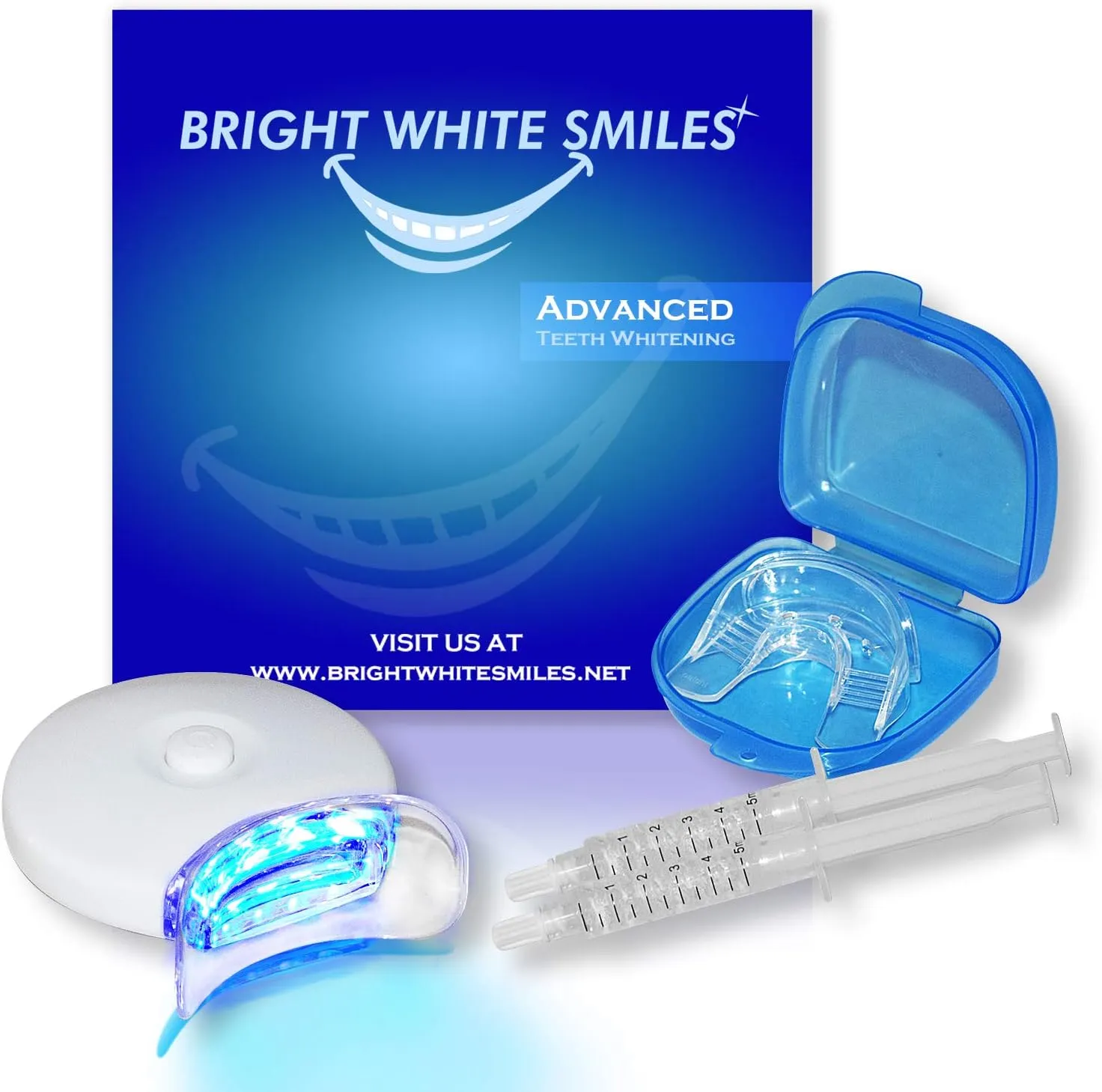
At-home whitening kits involve custom-fitted trays provided by your dentist, which are filled with a lower concentration bleaching agent. You wear these trays for a specified amount of time each day, typically for several weeks. This method allows you to whiten your teeth in the comfort of your own home, at your own pace. Your dentist will guide you through the process and monitor your progress. The results of at-home whitening are gradual but can be just as effective as in-office treatments, depending on the severity of the stains and the chosen product. It’s important to follow your dentist’s instructions to achieve the best results and minimize potential sensitivity. See image of At-Home Whitening Kits.
How to Use Whitening Strips Effectively
Whitening strips are a popular over-the-counter option for teeth whitening, offering convenience and affordability. These thin, flexible strips are coated with a peroxide-based whitening agent that you apply directly to your teeth. They are easy to use and require no special equipment or professional assistance. However, following the instructions carefully is crucial to achieving the desired results and avoiding potential side effects. Ensure you understand the application process and any associated precautions before starting. Following these guidelines will help you to maximize the effectiveness of the strips and to maintain your oral health. See image of Whitening Strips.
Step-by-Step Application

Before applying the strips, brush your teeth gently to remove any food particles or debris. Peel the strips carefully from their backing, making sure not to touch the adhesive side too much. Apply the longer strip to your upper teeth and the shorter strip to your lower teeth, aligning them along the gumline. Gently press the strips onto your teeth, ensuring good contact. Leave the strips on for the recommended time, typically 30 minutes to an hour. After the time is up, remove the strips and discard them. Rinse your mouth with water to remove any residual gel. For best results, use the strips consistently for the duration specified in the product instructions.
Maintaining Your White Smile
Maintaining your newly whitened smile involves a combination of good oral hygiene habits and lifestyle choices. This includes regular brushing, flossing, and dental checkups, as well as being mindful of the foods and drinks that can stain your teeth. Following these practices will help prolong the effects of your teeth whitening treatment and keep your smile looking bright and healthy. You can enjoy a lasting, brilliant smile with consistent care and attention. Small adjustments to your daily routine can make a big difference in the longevity of your teeth whitening results.
Dietary Considerations
Certain foods and drinks can stain your teeth, reversing the effects of your whitening treatment. To maintain your bright smile, limit your consumption of coffee, tea, red wine, and dark-colored juices. These beverages contain chromogens, which are pigment-producing substances that can adhere to your teeth. Avoid or minimize consumption of highly pigmented foods such as berries, soy sauce, and balsamic vinegar. Consider using a straw for staining drinks and rinsing your mouth with water immediately after consuming them. Eating a diet rich in calcium and vitamins, along with the use of these preventive measures, can support your oral health and prolong your whitening results.
Oral Hygiene Practices

Maintaining good oral hygiene is fundamental to preserving your bright smile. Brush your teeth twice a day with a whitening toothpaste that is designed to remove surface stains. Floss daily to remove plaque and food particles from between your teeth, where your toothbrush can’t reach. Consider using a mouthwash with whitening properties to further enhance the brightness of your teeth. Regular brushing and flossing remove surface stains and keep your teeth healthy and white. These essential practices will help you enjoy a healthy, radiant smile for years to come.
The Importance of Regular Dental Checkups
Regular dental checkups and professional cleanings are essential for maintaining a healthy and bright smile. During these visits, your dentist can remove any plaque, tartar, or surface stains that may have accumulated. They can also assess the overall health of your teeth and gums, and identify any potential issues. Dental professionals can apply fluoride treatments to strengthen your enamel and protect against sensitivity. Regular checkups help you to keep your smile looking its best. Having professional dental checkups contributes to the overall health and longevity of your brighter, whiter smile. See image of dental checkups.