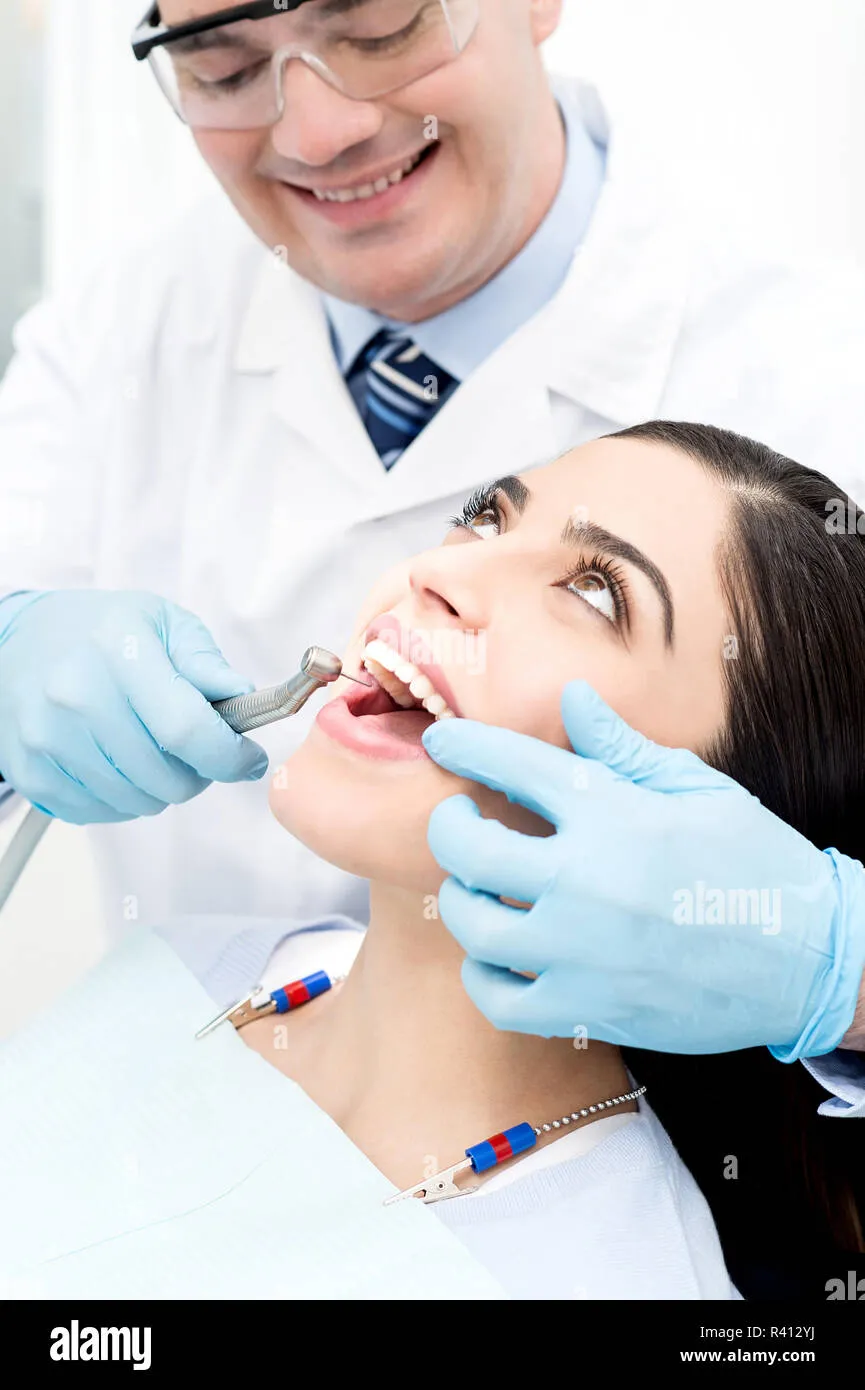
What is Teeth Whitening
Teeth whitening is a popular cosmetic dental procedure designed to lighten the color of your teeth and remove stains and discoloration. Over time, teeth can become stained due to various factors like aging, diet, smoking, and certain medications. Professional teeth whitening in a dental office offers a safe and effective way to restore your smile’s natural brightness and enhance your overall appearance. The process involves using a bleaching agent, typically containing hydrogen peroxide, to break down the stains and lighten the enamel. This treatment can significantly boost your confidence and help you achieve a more youthful and radiant smile. Teeth whitening is a non-invasive procedure that can deliver dramatic results, making it a sought-after solution for those seeking a brighter, more appealing smile. The procedure is performed by a trained dental professional, ensuring the safety and effectiveness of the treatment.
How Teeth Whitening Works
The process of teeth whitening involves a chemical reaction that breaks down the molecules causing stains on your teeth. The primary agent used in professional teeth whitening is hydrogen peroxide, which penetrates the enamel and dentin of the teeth. As the hydrogen peroxide breaks down, oxygen molecules enter the enamel, effectively bleaching the discolored substances. This process does not harm the tooth structure but instead lifts the stains, resulting in a whiter smile. The concentration of hydrogen peroxide used in a dental office is much higher than that found in over-the-counter products, leading to faster and more noticeable results. The dentist carefully controls the application and duration of the treatment to ensure optimal results while minimizing sensitivity. In-office whitening often utilizes a special light or laser to accelerate the bleaching process, further enhancing the effectiveness and speed of the treatment.
The Advantages of In-Office Teeth Whitening

In-office teeth whitening offers several advantages over at-home methods. First and foremost, it provides immediate and more dramatic results. The higher concentration of bleaching agents used in a dental office, combined with professional application, can whiten teeth several shades in a single session. Furthermore, the procedure is performed under the supervision of a dental professional, ensuring the safety and health of your teeth and gums. Dentists can also identify and address any potential issues, such as tooth sensitivity or gum irritation, minimizing the risk of complications. Professional whitening is also more effective in removing stubborn stains caused by coffee, tea, tobacco, and other factors. The treatment is tailored to your specific needs and dental condition, guaranteeing optimal results and a more personalized experience. In addition, in-office treatments are often faster and more convenient, saving you time and effort compared to the lengthy process of at-home kits.
Professional vs At-Home Whitening
Choosing between professional and at-home teeth whitening depends on your individual needs and goals. Professional whitening, as discussed, offers faster and more significant results under the guidance of a dentist. It is ideal for those seeking immediate and dramatic improvements in their smile. At-home whitening options include over-the-counter products like whitening strips, gels, and trays. These methods are generally more affordable and convenient but often require a longer treatment period to achieve noticeable results. The concentration of bleaching agents in these products is lower, making them less effective for severe staining. While at-home whitening can be a good option for maintaining results or addressing mild discoloration, it is crucial to consult with your dentist before starting any whitening treatment. They can assess your oral health, determine the most suitable method, and provide guidance to avoid potential risks. The dentist will recommend the best course of action after evaluating the patient.
The Teeth Whitening Process in a Dental Office
The process of teeth whitening in a dental office typically involves several steps designed to ensure safety and optimal results. The procedure usually begins with an initial consultation and examination to assess your oral health and determine the suitability of the treatment. Next, the dentist will prepare your teeth and gums for the whitening process. This includes isolating the teeth and protecting the gums to prevent irritation. The whitening agent, usually a high-concentration hydrogen peroxide gel, is then applied to the teeth. A special light or laser may be used to accelerate the bleaching process. The gel is left on the teeth for a specific period, and the process may be repeated several times during a single session. Finally, after the treatment, the dentist will provide post-treatment instructions and recommendations for maintaining your results.
Initial Consultation and Examination

Before undergoing teeth whitening, a thorough initial consultation and examination are essential. Your dentist will assess your overall oral health, looking for any underlying issues such as cavities, gum disease, or existing dental work. These conditions need to be addressed before whitening to prevent complications. The dentist will also discuss your expectations and goals for the treatment, explaining the process, potential results, and any possible side effects, such as tooth sensitivity. This consultation allows the dentist to determine if you are a suitable candidate for teeth whitening and recommend the most appropriate treatment plan. They will also take photos of your teeth to document the initial shade and track the progress throughout the whitening process. During this phase, the dentist will address all the concerns and questions the patient might have. This step ensures the treatment’s safety and effectiveness while aligning with the patient’s goals.
Preparing for the Whitening Procedure
Preparing for the teeth whitening procedure involves several steps to ensure a safe and comfortable experience. The dentist will start by cleaning your teeth to remove any plaque, tartar, or surface stains, which can interfere with the whitening process. Your gums and soft tissues will be protected using a special barrier, such as a rubber dam or liquid dam, to prevent the bleaching agent from causing irritation. A cheek retractor may be used to keep your mouth open and provide better access to your teeth. Before the whitening agent is applied, the teeth are dried. This helps the whitening agent adhere properly to the tooth surface, maximizing its effectiveness. This preparation phase is crucial to minimizing the risk of complications and enhancing the whitening outcome. The patient will also receive detailed instructions on how to care for their teeth after the treatment.
The Whitening Treatment
The actual teeth whitening treatment involves applying a high-concentration hydrogen peroxide gel to the teeth. The dentist carefully applies the gel, ensuring even coverage of the tooth surfaces. A special light or laser may then be used to activate and accelerate the bleaching process. This light helps break down the stain-causing molecules and lift the discoloration from the enamel. The gel is typically left on the teeth for a specific duration, often in increments of 15 to 20 minutes, with the process repeated several times during a single session. Throughout the treatment, the dentist closely monitors the patient for any signs of sensitivity or discomfort. The entire procedure usually takes about one to two hours, offering immediate and noticeable results. After the treatment, the teeth are rinsed, and the results are assessed. The patient will be provided with post-treatment instructions and recommendations for maintaining the brighter smile.
Post-Treatment Care and Maintenance

Following the teeth whitening procedure, proper post-treatment care is crucial to maintain the results and minimize any potential side effects. Your dentist will provide detailed instructions on how to care for your teeth in the days following the treatment. It’s recommended to avoid foods and drinks that can stain your teeth, such as coffee, tea, red wine, and dark berries, for at least a week. Smoking should also be avoided. Using a desensitizing toothpaste can help alleviate any tooth sensitivity that may occur. Practicing good oral hygiene, including brushing and flossing regularly, is essential to maintain a healthy and bright smile. Your dentist may recommend a touch-up treatment or at-home whitening maintenance kit to keep your teeth looking their best. Regular dental check-ups and cleanings are also important for overall oral health and to help preserve your dazzling smile.
Achieving Lasting Results
Achieving lasting results from teeth whitening requires a combination of professional treatment and consistent maintenance. The initial in-office whitening can provide dramatic improvements, but it’s essential to maintain the results. Following your dentist’s recommendations for post-treatment care, such as avoiding stain-causing foods and drinks and practicing good oral hygiene, is crucial. Using an at-home whitening maintenance kit, as recommended by your dentist, can help keep your teeth bright and white. Regular dental check-ups and cleanings can also help to remove surface stains and maintain your smile’s radiance. The longevity of the results can vary depending on individual factors like diet, lifestyle, and oral hygiene habits. However, with proper care and maintenance, you can enjoy a dazzling smile for years to come. Consistency and adherence to the dentist’s advice are key to sustaining the benefits of the teeth whitening procedure.
Maintaining Your Dazzling Smile
Maintaining your dazzling smile after teeth whitening involves making a few lifestyle adjustments and practicing good oral hygiene. Limit your consumption of stain-causing foods and drinks, such as coffee, tea, red wine, and dark-colored berries. If you consume these items, rinse your mouth with water afterward or brush your teeth to minimize staining. Avoid smoking and using tobacco products, as these can significantly stain your teeth. Brush your teeth twice a day with a whitening toothpaste and floss daily to remove plaque and food particles. Consider using an at-home whitening maintenance kit, as recommended by your dentist, to touch up your results. Schedule regular dental check-ups and cleanings to keep your teeth healthy and bright. By following these tips, you can enjoy a beautiful and confident smile for years to come. A consistent and diligent approach to oral care is essential for preserving the results of your teeth whitening treatment.