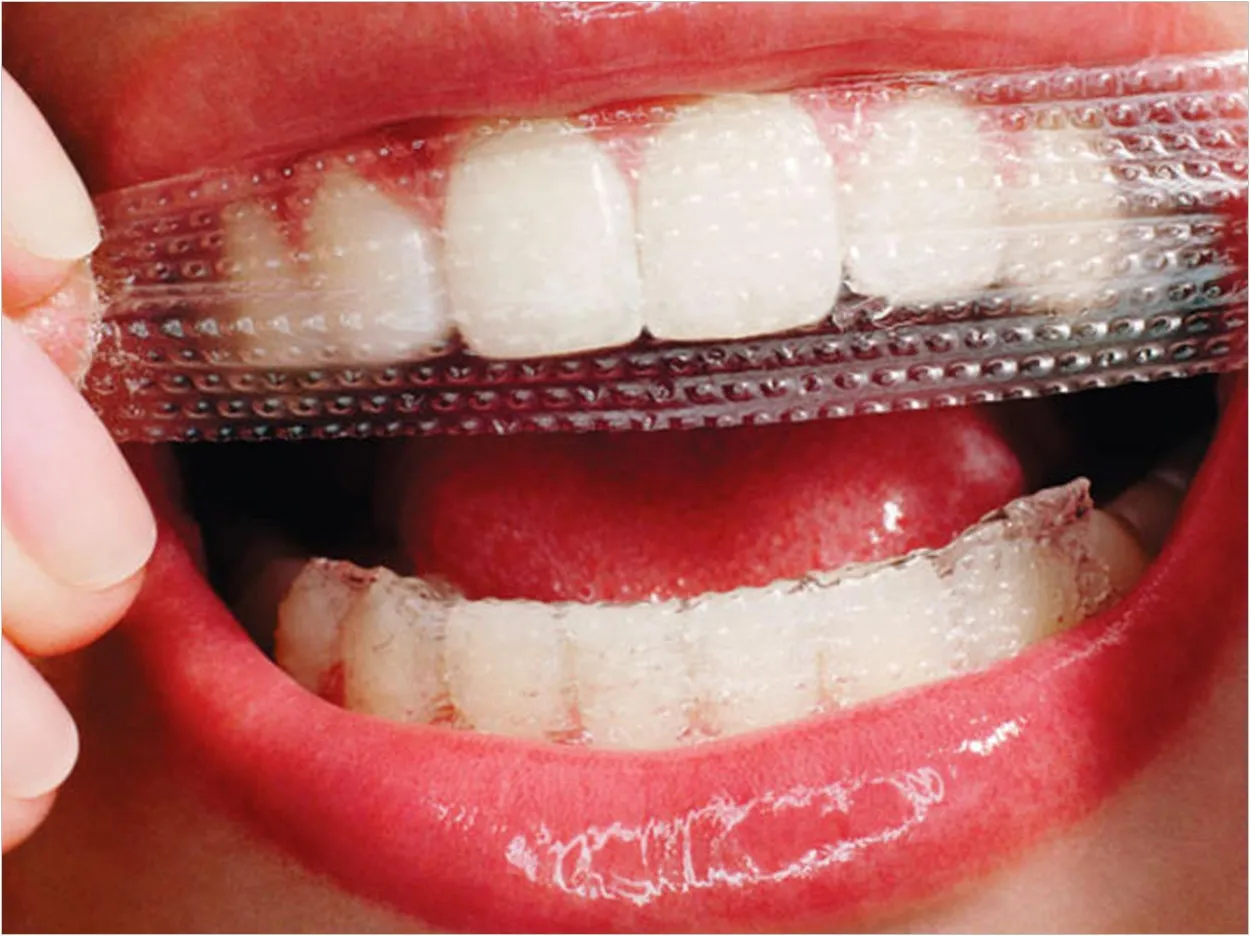
Understanding Teeth Whitening
Teeth whitening has become a popular cosmetic procedure, offering a brighter, more confident smile. However, it’s crucial to approach teeth whitening with a clear understanding of the process and potential risks. This article delves into the details of teeth whitening, helping you understand how it works, the potential damage it can cause, and, most importantly, how to minimize those risks. By being informed and proactive, you can achieve a beautiful, white smile while protecting your oral health. The quest for a dazzling smile often leads individuals to explore various teeth whitening options, but it is essential to know exactly what it entails.
How Teeth Whitening Works
Teeth whitening typically involves the use of bleaching agents, most commonly hydrogen peroxide or carbamide peroxide. These chemicals penetrate the enamel, breaking down the stains and discoloration that have accumulated over time. The effectiveness of teeth whitening depends on several factors, including the type of stain, the concentration of the bleaching agent, and the duration of the treatment. There are different methods for teeth whitening, including professional treatments performed by dentists and at-home kits available over the counter. The specific mechanism of action involves the peroxide molecules entering the porous enamel structure and reacting with the stain molecules, which results in the breakdown of these stain molecules into smaller, colorless ones. The outcome is a brighter tooth appearance.
Potential Risks of Teeth Whitening

While teeth whitening can deliver impressive results, it is not without potential risks. Understanding these risks is essential to making informed decisions and taking appropriate precautions. The most common side effects are temporary, but some can lead to more serious issues if not managed properly. These risks include tooth sensitivity, gum irritation, and in rare cases, enamel erosion. The extent of these risks can vary depending on the individual, the whitening method used, and how closely the patient adheres to the instructions provided. It is crucial to consult with a dental professional to assess your oral health and determine if teeth whitening is suitable for you.
Tooth Sensitivity
Tooth sensitivity is a frequent side effect of teeth whitening. This occurs when the bleaching agents penetrate the enamel and reach the dentin, which contains nerve endings. This can result in increased sensitivity to hot, cold, sweet, or acidic foods and drinks. The intensity of the sensitivity varies from person to person and usually subsides within a few days after the whitening treatment is completed. However, for some, it can be more severe. Using desensitizing toothpaste containing potassium nitrate before and during the whitening process can help minimize sensitivity. Additionally, avoiding overly hot or cold beverages during the treatment can also help alleviate discomfort. If the sensitivity is severe, it is important to consult with your dentist.
Gum Irritation
Gum irritation, or gingivitis, is another potential side effect of teeth whitening. This can occur if the bleaching agent comes into contact with the gums. The symptoms may include redness, swelling, and soreness. Gum irritation is more likely to occur with at-home whitening kits if the trays do not fit properly, allowing the bleaching agent to leak onto the gums. Professional whitening treatments are typically performed with careful precautions to protect the gums, such as the use of protective barriers. To prevent gum irritation, ensure that trays fit properly or that you follow your dentist’s instructions, and avoid overfilling the trays with the whitening gel. If irritation occurs, gently rinsing the mouth with water and avoiding the use of irritating mouthwashes can help soothe the gums.
Enamel Erosion

Enamel erosion is a less common but more serious risk associated with teeth whitening. Enamel is the hard, protective outer layer of your teeth. Overuse or misuse of whitening products can weaken the enamel, making your teeth more susceptible to decay and sensitivity. This is especially true with high concentrations of bleaching agents or prolonged use. The risk of enamel erosion can be mitigated by following the instructions carefully, consulting with a dentist, and avoiding the overuse of whitening products. It is essential to monitor your teeth for any signs of erosion, such as increased sensitivity or a change in the texture of your teeth. If erosion is suspected, stop the whitening treatment and consult your dentist immediately.
How to Minimize Whitening Damage
Fortunately, there are several steps you can take to minimize the risks associated with teeth whitening. By taking these precautions, you can achieve a brighter smile while safeguarding your oral health. The key is to be informed, proactive, and to work closely with your dentist. From selecting the right whitening method to maintaining good oral hygiene, these strategies can help ensure a safe and effective teeth whitening experience. Proactive steps are essential for protecting your teeth during the process. This involves a holistic approach that considers both the whitening treatment itself and your overall oral care routine. By diligently following these steps, you can significantly reduce the likelihood of experiencing any adverse effects from teeth whitening.
Choose Professional Whitening
Professional teeth whitening, performed by a dentist, offers several advantages over at-home kits. Dentists can assess your oral health and determine if teeth whitening is appropriate for you. They can also use stronger bleaching agents safely, achieving more dramatic results. Professional treatments typically involve the use of protective measures to minimize the risk of gum irritation and enamel damage. Moreover, dentists can monitor your progress and address any issues that may arise during the treatment. Choosing professional whitening is often the safest and most effective way to achieve a brighter smile while minimizing potential risks. Dentists have the expertise and tools to ensure that the process is tailored to your specific needs and oral health conditions.
Use Whitening Products Safely

If you choose to use at-home whitening products, it is essential to follow the instructions carefully. Never exceed the recommended amount of product or the duration of treatment. Make sure that any custom trays fit properly to prevent the bleaching agent from contacting your gums. Avoid using whitening products if you have existing dental issues, such as cavities or gum disease, without consulting your dentist first. Always consult with your dentist before using any over-the-counter whitening products. They can advise you on the safest and most effective options for your specific situation. Understanding the concentration of the bleaching agent and how it interacts with your teeth is critical to ensuring safe use. Careful use of whitening products can help achieve the desired results while minimizing potential harm.
Maintain Good Oral Hygiene
Maintaining good oral hygiene is crucial for protecting your teeth during and after teeth whitening. Brush your teeth twice a day with fluoride toothpaste and floss daily to remove plaque and food particles. Regular dental check-ups and cleanings are essential for maintaining healthy teeth and gums. Avoid sugary and acidic foods and drinks, as they can erode enamel and increase sensitivity. Consistent oral hygiene practices help to strengthen your enamel, reduce sensitivity, and maintain the results of your whitening treatment. A healthy mouth is more resilient to the potential effects of whitening. Proper oral hygiene not only helps to reduce the risk of dental problems but also enhances the longevity of your brightened smile.
Alternatives to Teeth Whitening
If you are concerned about the risks of teeth whitening or if your teeth are not suitable for whitening, there are alternative options to consider. Dental veneers are thin shells that are placed over the front surface of your teeth, providing a permanent solution for discoloration and other cosmetic issues. Dental bonding involves applying a tooth-colored resin to your teeth to improve their appearance. Professional teeth cleaning can also remove surface stains and improve the brightness of your smile. Talk to your dentist about these options to find the best solution for your needs and oral health. They will be able to guide you toward the best treatment option to achieve the smile you have always wanted.
Conclusion

Teeth whitening can be a powerful way to enhance your smile, but it’s essential to approach it with caution and a thorough understanding of the potential risks. By understanding how teeth whitening works, the potential side effects, and the ways to minimize them, you can make informed decisions and achieve a brighter, healthier smile. Always consult with your dentist before starting any teeth whitening treatment to ensure it’s right for you. Prioritizing your oral health and following the guidelines outlined in this article will help you enjoy a beautiful, white smile for years to come. Your dentist can provide you with the support and guidance necessary to ensure that your teeth whitening journey is safe and successful.