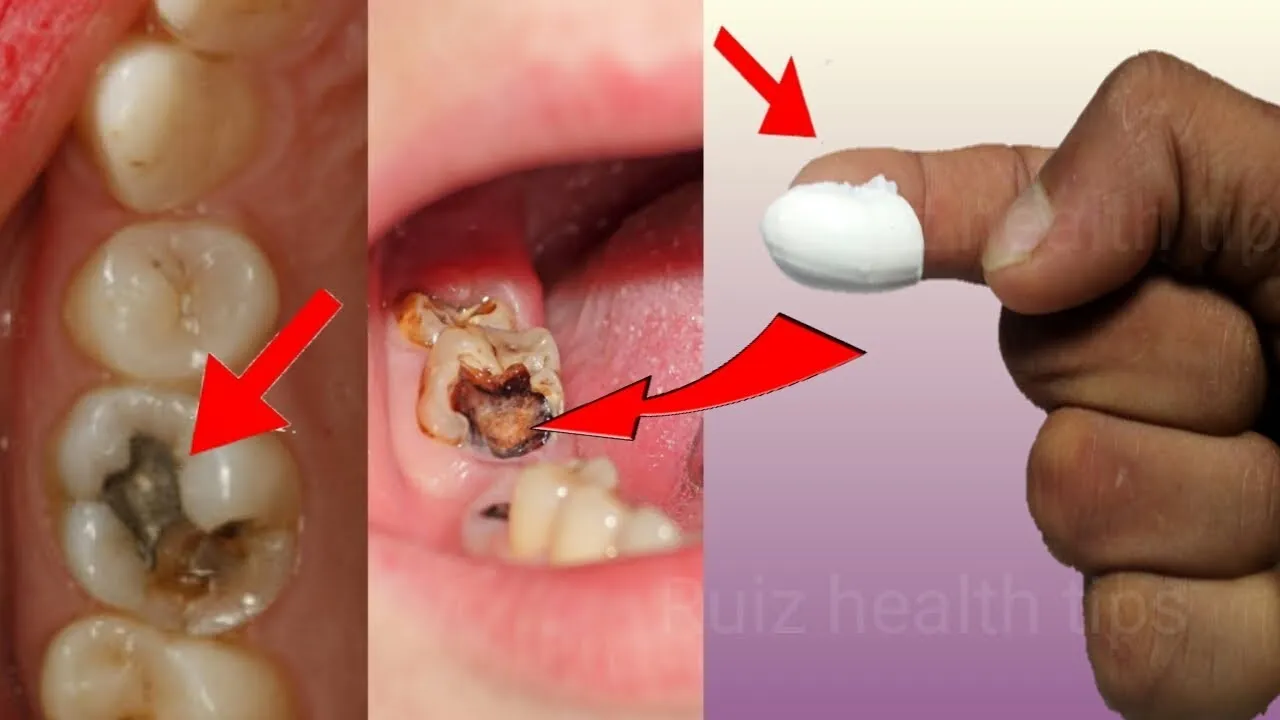
What is Teeth Whitening
Teeth whitening is a popular cosmetic dental procedure designed to lighten the shade of your teeth and enhance your smile. It involves using bleaching agents to remove stains and discoloration caused by various factors, such as aging, diet, and lifestyle choices. The goal is to achieve a brighter, more aesthetically pleasing smile. This procedure is a common request in dental practices, as many individuals desire to improve the appearance of their teeth. Understanding the process and the factors affecting the outcome is crucial for anyone considering teeth whitening. The process can range from simple over-the-counter treatments to more intensive professional procedures performed by a dentist, each with its own set of advantages and potential side effects.
How Does Teeth Whitening Work
Teeth whitening works by using bleaching agents, typically hydrogen peroxide or carbamide peroxide, to break down the stain molecules within the enamel and dentin of your teeth. These agents penetrate the tooth’s surface and react with the discolored compounds, effectively lightening the overall shade. The effectiveness of the process depends on the concentration of the bleaching agent, the duration of its application, and the method used. Professional treatments often use higher concentrations for quicker results, while home methods use lower concentrations for safety. The chemical reaction releases oxygen radicals that break up the stain molecules, leading to a brighter appearance. The process does not physically remove any of the tooth structure but rather alters the color, resulting in a whiter smile. It is important to know that the whitening process is not permanent and will require maintenance.
Types of Teeth Whitening

There are several types of teeth whitening options available, catering to different needs and preferences. These include professional teeth whitening performed by a dentist, over-the-counter whitening strips and gels, and whitening toothpastes. Professional treatments offer the most dramatic results due to the higher concentrations of bleaching agents and the supervision of a dental professional. Over-the-counter products provide a convenient and affordable option, although the results may be less significant and take longer to achieve. Whitening toothpastes work by removing surface stains and can help maintain the whiteness of your teeth. The choice of method depends on your budget, the severity of your stains, and the desired level of brightness. Consulting with a dentist can help you determine the most suitable whitening approach for your specific situation.
Professional Teeth Whitening Procedures
Professional teeth whitening procedures are performed in a dental office and offer the most effective and fastest results. These procedures typically involve applying a high-concentration bleaching agent to the teeth, followed by the use of a special light or laser to accelerate the whitening process. The dentist will protect your gums and soft tissues during the procedure to minimize any potential irritation. The entire process usually takes about an hour, and the results can be dramatic, often lightening the teeth several shades. This method ensures that the procedure is carried out safely and effectively, under the supervision of a trained dental professional. After the treatment, you may experience some tooth sensitivity, which usually subsides within a few days. The professional teeth whitening is a great option to get a faster result, with a healthy looking smile.
Home Teeth Whitening Methods
Home teeth whitening methods provide a convenient and cost-effective way to brighten your smile. These methods typically involve using over-the-counter products such as whitening strips, gels, or trays. Whitening strips are easy to use, with strips applied to the teeth for a specified time. Whitening gels can be applied using custom-fitted trays provided by your dentist or with generic trays. The key is to follow the instructions carefully to ensure the safety and effectiveness of the product. The results are generally less dramatic than professional treatments but can still provide noticeable improvements over several weeks. It is important to choose products that are approved by dental associations and to be aware of potential side effects, such as tooth sensitivity or gum irritation. If you have any questions, consult your dentist for guidance.
The Connection between Teeth Whitening and Cavities

Teeth whitening procedures themselves do not directly cause cavities. However, the process can potentially increase the risk of sensitivity, which may lead to changes in oral hygiene practices. If the bleaching agents used during whitening come into contact with areas of the teeth that are already weakened or have small cavities, it can cause sensitivity or discomfort. Moreover, if you experience tooth sensitivity after whitening, you might alter your brushing habits, which can contribute to the development of cavities. It is essential to maintain good oral hygiene practices, including regular brushing, flossing, and dental check-ups, both before and after teeth whitening. Before the whitening, make sure that you address any existing cavities or dental issues to ensure that the treatment is safe and effective.
Preventing Cavities After Teeth Whitening
Preventing cavities after teeth whitening involves maintaining good oral hygiene and adopting a healthy lifestyle. Brush your teeth twice a day with fluoride toothpaste, and floss daily to remove plaque and food particles. Regular dental check-ups and professional cleanings are crucial for early detection and treatment of any dental issues. Limit your intake of sugary and acidic foods and drinks, as they can erode enamel and increase the risk of cavities. Consider using a fluoride rinse to strengthen your enamel and protect against decay. Additionally, be sure to drink plenty of water to keep your mouth hydrated and rinse away food particles. Following these practices will help you maintain a healthy, bright smile after teeth whitening.
Maintaining Your Sparkling Smile
Maintaining your sparkling smile after teeth whitening requires a consistent and proactive approach. Avoid foods and drinks that can stain your teeth, such as coffee, tea, red wine, and dark-colored berries. If you consume these items, brush your teeth afterward or rinse your mouth with water. Use a whitening toothpaste or mouthwash to help remove surface stains and maintain brightness. Schedule regular dental check-ups and professional cleanings to address any potential issues and keep your teeth healthy. Consider touch-up treatments to maintain the results of your whitening procedure. By adopting these habits, you can enjoy a beautiful, bright smile for a long time.
Dietary Considerations for a Brighter Smile

Your diet plays a significant role in maintaining a brighter smile after teeth whitening. Avoid foods and drinks that can stain your teeth, such as coffee, tea, red wine, and dark-colored sauces. If you consume these items, try to do so in moderation or use a straw to minimize contact with your teeth. Include foods that naturally clean and brighten your teeth, such as apples, celery, and carrots. These foods stimulate saliva production, which helps wash away food particles and bacteria. Eat plenty of calcium-rich foods, like dairy products or leafy green vegetables, to strengthen your enamel. Stay hydrated by drinking plenty of water, which helps rinse away food particles and keeps your mouth clean. A balanced diet not only supports your overall health but also helps preserve your beautifully whitened teeth.
Oral Hygiene Practices for Long-Lasting Results
Effective oral hygiene practices are essential for maintaining the results of your teeth whitening and overall dental health. Brush your teeth twice a day for two minutes each time, using a fluoride toothpaste. Floss daily to remove plaque and food particles from between your teeth and under the gumline. Use an antimicrobial mouthwash to further reduce bacteria and freshen your breath. Schedule regular dental check-ups and professional cleanings every six months to detect and address any potential issues. Consider using an electric toothbrush, which can be more effective at removing plaque and debris. Avoid tobacco products, as they can stain your teeth and increase your risk of dental problems. By adhering to these practices, you can enjoy a long-lasting, sparkling smile and maintain excellent oral health.