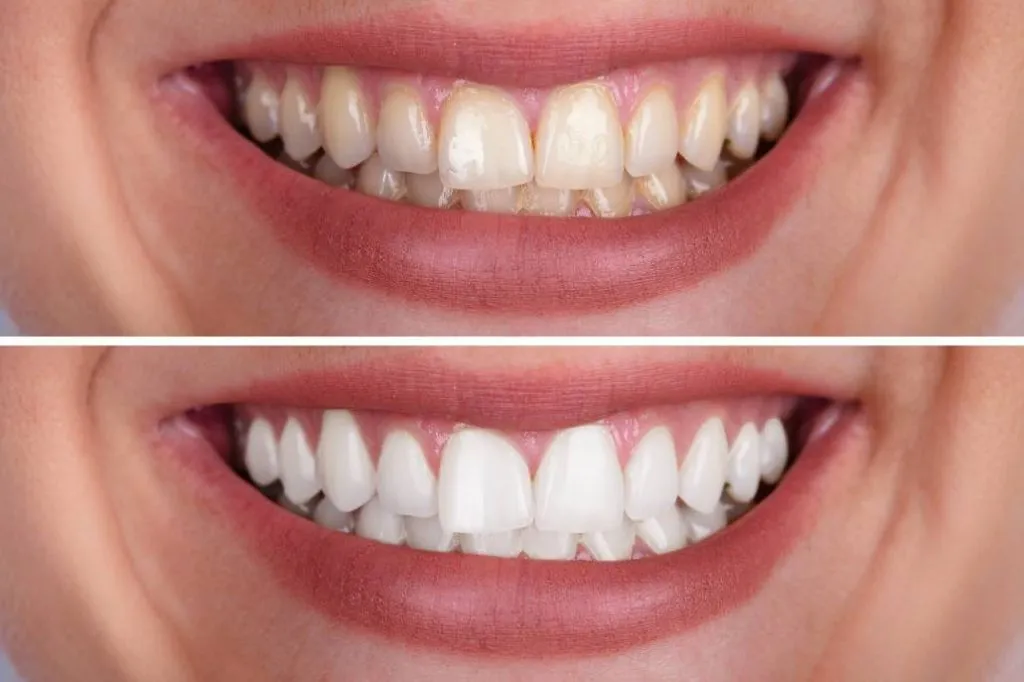
Understanding Teeth Whitening Pain
Teeth whitening is a popular cosmetic procedure, but it can sometimes lead to temporary tooth sensitivity or pain. This discomfort, while usually short-lived, can range from mild twinges to more significant aching. Understanding the causes of this pain is the first step toward finding effective relief and ensuring a comfortable whitening experience. Knowing what triggers the pain and how it works will help you manage the discomfort more effectively. This article explores the common causes and provides practical tips to alleviate the pain associated with teeth whitening.
Common Causes of Teeth Sensitivity After Whitening
Several factors contribute to the pain experienced after teeth whitening. Understanding these causes helps in choosing the right remedies and preventive measures. The primary causes revolve around changes in the tooth’s structure and exposure to whitening agents.
The Role of Tooth Enamel

Tooth enamel, the hard outer layer of your teeth, protects the sensitive inner layers. Whitening treatments can temporarily affect the enamel, making it more porous. This porosity allows whitening agents to penetrate more deeply, but it also increases the tooth’s sensitivity to temperature changes and other stimuli. When enamel is compromised, the underlying dentin, which contains nerve fibers, becomes more exposed, leading to pain.
Irritation From Whitening Agents
The active ingredients in teeth whitening products, such as hydrogen peroxide or carbamide peroxide, can irritate the soft tissues of the teeth and gums. This irritation can cause inflammation and sensitivity. The higher the concentration of the whitening agent, the greater the potential for irritation. This is why professional treatments, which often use stronger formulas, may lead to more pronounced sensitivity than over-the-counter products.
Top 5 Secrets for Pain Relief
If you’re experiencing pain after teeth whitening, several strategies can help alleviate the discomfort. These methods are easy to implement and can provide significant relief, allowing you to enjoy your brighter smile without the hassle of pain.
Secret 1 Use Sensitivity Toothpaste

Sensitivity toothpaste is specially formulated to provide relief from tooth sensitivity. It works by blocking the tubules in your teeth or by depositing minerals that strengthen the enamel. Using sensitivity toothpaste is a proactive approach that can significantly reduce pain.
How Sensitivity Toothpaste Works
Sensitivity toothpaste typically contains ingredients like potassium nitrate or stannous fluoride. Potassium nitrate helps to block the nerve signals that cause pain, while stannous fluoride can help to strengthen the enamel. Regular use allows these ingredients to build up a protective layer, reducing sensitivity over time.
Choosing the Right Sensitivity Toothpaste
When selecting sensitivity toothpaste, consider the active ingredients and your personal preferences. Look for products containing potassium nitrate or stannous fluoride. It may take a few weeks of consistent use to experience the full benefits, so be patient. Consult with your dentist for recommendations.
Secret 2 Apply Fluoride Treatment

Fluoride treatments can strengthen tooth enamel and reduce sensitivity. This can be done at home or in a dental office, providing an effective way to protect your teeth and minimize discomfort after whitening.
Benefits of Fluoride for Teeth
Fluoride strengthens tooth enamel, making it more resistant to acids and other irritants. It also helps to remineralize the enamel, which can repair minor damage and reduce sensitivity. Using fluoride can create a more robust barrier against the factors causing pain.
Types of Fluoride Treatments
Fluoride treatments come in various forms, including toothpaste, mouthwashes, and professional treatments. Your dentist may apply a high-concentration fluoride varnish or gel to provide more immediate relief. At-home options such as fluoride mouthwash can provide ongoing protection.
Secret 3 Try Over the Counter Pain Relievers

Over-the-counter pain relievers can provide temporary relief from tooth pain. They can help manage discomfort while you wait for other treatments to take effect or for your teeth to adjust.
Best Pain Relievers for Teeth Pain
Common over-the-counter pain relievers include ibuprofen (Advil, Motrin) and acetaminophen (Tylenol). These medications can help reduce inflammation and alleviate pain. They are easily accessible and can be taken as needed to manage discomfort.
Dosage and Precautions
Always follow the recommended dosage instructions on the packaging. Do not exceed the maximum daily dose. If you have any underlying health conditions or are taking other medications, consult your doctor or pharmacist before use. If the pain persists or worsens, seek professional dental care.
Secret 4 Avoid Trigger Foods and Drinks

Certain foods and drinks can exacerbate tooth sensitivity. Avoiding these triggers can significantly reduce pain and help your teeth recover.
Foods and Drinks to Avoid
Common triggers include hot or cold beverages, sugary foods, and acidic foods. Examples are ice cream, coffee, citrus fruits, and carbonated drinks. These items can cause a sharp, shooting pain if your teeth are sensitive. It’s best to avoid these items during and immediately after your whitening treatment.
Alternatives to Consider
Instead of trigger foods and drinks, opt for room-temperature meals and beverages. Drinking through a straw can also help bypass sensitive teeth. Choose soft, bland foods that won’t irritate your teeth, such as yogurt or smoothies.
Secret 5 Use a Soft-Bristled Toothbrush

A soft-bristled toothbrush is gentler on sensitive teeth and can help prevent further irritation. The right brushing technique is also essential.
Benefits of Soft-Bristled Toothbrushes
Soft-bristled toothbrushes are designed to be less abrasive, reducing the risk of enamel erosion and irritation. They are ideal for those experiencing sensitivity as they clean effectively without causing additional pain.
Proper Brushing Technique
Use gentle, circular motions to brush your teeth, ensuring that you reach all surfaces. Avoid scrubbing too hard, as this can further damage your enamel and irritate your gums. Brush twice daily for two minutes each time.
Additional Tips For Pain Management
In addition to the top 5 secrets, there are other steps you can take to manage pain effectively. These extra precautions can enhance your comfort and help your teeth recover more quickly.
Consulting with a Dentist
Regular dental check-ups are important for maintaining oral health. Your dentist can provide specific advice for managing tooth sensitivity and identify any underlying issues contributing to your pain. Professional guidance is crucial for ensuring that your teeth remain healthy and comfortable.
When to Seek Professional Help
If your pain is severe, prolonged, or accompanied by other symptoms such as bleeding gums or swelling, it’s essential to seek professional help. These symptoms may indicate a more serious issue that needs prompt attention. Your dentist can diagnose the underlying cause and provide appropriate treatment to resolve the problem.
In conclusion, managing teeth whitening pain involves understanding the causes, implementing proactive measures, and seeking professional advice when needed. By following the top 5 secrets – using sensitivity toothpaste, applying fluoride treatments, taking over-the-counter pain relievers, avoiding trigger foods and drinks, and using a soft-bristled toothbrush – you can significantly reduce discomfort and enjoy a brighter, healthier smile. Remember that consistent care and professional guidance are key to successful and pain-free teeth whitening.