What Causes Teeth Whitening Pain?
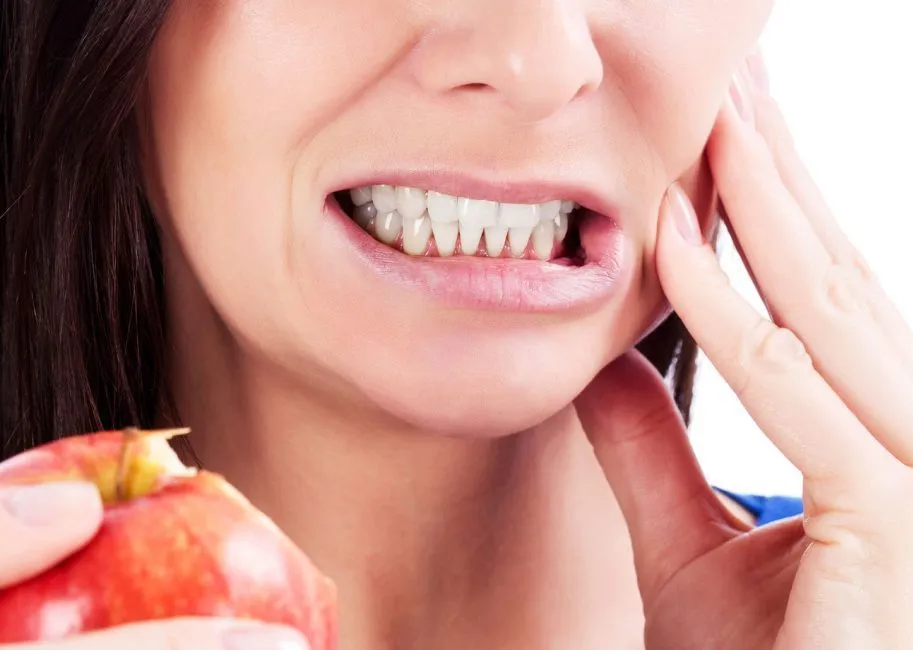
Teeth whitening is a popular cosmetic procedure, but it can sometimes lead to discomfort. Understanding the underlying causes of teeth whitening pain is crucial for managing it effectively. The pain associated with teeth whitening often stems from the bleaching agents used in the process. These agents, typically hydrogen peroxide or carbamide peroxide, work by breaking down stains and discoloration on the teeth. However, this process can also penetrate the enamel and reach the dentin, the layer beneath the enamel that contains tiny tubules leading to the tooth’s nerve. This interaction is what triggers sensitivity and, consequently, pain. Several factors can influence the severity of the pain, including the concentration of the whitening agent, the duration of the treatment, and the individual’s existing oral health conditions. Recognizing these factors is the first step in mitigating potential discomfort and ensuring a more pleasant teeth whitening experience.
Sensitivity to Whitening Agents
The primary culprit behind teeth whitening pain is the sensitivity to the whitening agents themselves. As mentioned earlier, hydrogen peroxide and carbamide peroxide are the active ingredients that lift stains from your teeth. These chemicals work by oxidizing the stain molecules, breaking them down and making them less visible. However, during this process, the whitening agents can permeate the enamel and irritate the nerves within the teeth. This irritation manifests as sensitivity, which can range from mild twinges to sharp, intense pain, especially when exposed to hot, cold, sweet, or acidic foods and drinks. The concentration of the whitening agent plays a significant role; stronger solutions tend to cause more sensitivity. Also, the duration of exposure is important; the longer the agent is in contact with the teeth, the greater the potential for pain. Individuals with naturally thin enamel or existing dental issues are often more susceptible to this type of sensitivity.
Over-Whitening

Over-whitening is a common mistake that can lead to increased teeth pain. This occurs when teeth are exposed to whitening agents for too long or too frequently. The desire for a dazzling white smile can lead some individuals to overuse whitening products, thinking that more is better. However, this approach can damage the enamel and increase tooth sensitivity. Overuse can erode the enamel, making the teeth more porous and vulnerable to irritation from the whitening agents. It can also lead to dehydration of the tooth, which can further intensify the pain and sensitivity. The result can be not only discomfort but also a less attractive appearance if the teeth become overly translucent or develop an unnatural color. It’s essential to follow the instructions on whitening products carefully and consult with a dentist to determine the appropriate whitening regimen for your specific needs and oral health condition.
Pre-Existing Dental Conditions
Pre-existing dental conditions can significantly increase the likelihood and severity of teeth whitening pain. Individuals with underlying issues such as cavities, gum disease (gingivitis or periodontitis), receding gums, or cracked teeth are more prone to experiencing discomfort during and after teeth whitening. Cavities expose the sensitive inner layers of the tooth, making them highly susceptible to irritation from whitening agents. Gum recession exposes the roots of the teeth, which lack the protective enamel of the crown, leading to increased sensitivity. Similarly, cracks in the teeth can create pathways for the whitening agents to penetrate, causing pain. Before undergoing teeth whitening, it’s crucial to have a dental check-up to address any existing problems. Your dentist can treat cavities, manage gum disease, and advise you on whether teeth whitening is suitable, given your oral health situation.
How Long Does Teeth Whitening Pain Last?
The duration of teeth whitening pain can vary significantly from person to person. In most cases, the sensitivity and discomfort are temporary, subsiding within a few days to a week after the whitening treatment is completed. The severity of the pain, the whitening method used, and individual sensitivity levels all play a role in determining how long the pain lasts. For some, the pain might be mild and resolve within a day or two. For others, particularly those with sensitive teeth or those who have undergone more aggressive whitening procedures, the discomfort might persist for a week or longer. If the pain is severe or prolonged, it is essential to consult a dentist. They can assess the situation, rule out any underlying issues, and recommend appropriate treatments to alleviate the pain and prevent further complications. Proper aftercare, such as using sensitive toothpaste and avoiding trigger foods, can also help reduce the duration of the pain.
Managing Teeth Whitening Pain

Managing teeth whitening pain involves a combination of preventative measures and remedies to alleviate discomfort when it arises. There are several strategies you can implement before, during, and after the whitening process. First and foremost, consult with your dentist to determine the best approach for your oral health condition. They may recommend a less potent whitening solution or a shorter treatment duration to minimize sensitivity. Before whitening, your dentist might suggest applying fluoride treatments to strengthen your enamel and reduce sensitivity. During the process, consider using a desensitizing toothpaste containing potassium nitrate, which helps block the nerve signals that cause pain. After the whitening treatment, continue using the desensitizing toothpaste and avoid trigger foods that can exacerbate sensitivity. If the pain persists, your dentist may recommend professional treatments such as fluoride varnish applications or prescribe pain relievers.
Using Sensitive Toothpaste
One of the most effective methods for managing teeth whitening pain is using sensitive toothpaste. These toothpastes are specially formulated to reduce tooth sensitivity by blocking the tubules in the dentin that lead to the tooth’s nerve. The active ingredients in sensitive toothpastes, such as potassium nitrate or stannous fluoride, help to desensitize the nerves and provide relief from pain. It is recommended to start using sensitive toothpaste a few weeks before your teeth whitening treatment to allow it to build up its protective effect. Continue using the toothpaste throughout and after the whitening process. Apply a small amount of the toothpaste to your sensitive areas and gently brush your teeth. When choosing a sensitive toothpaste, look for one that is recommended by your dentist and is designed for sensitive teeth. Consistency is key; the regular use of sensitive toothpaste can significantly reduce sensitivity and make your teeth whitening experience much more comfortable.
Avoiding Cold and Hot Foods
Avoiding extremely cold and hot foods and drinks is crucial for minimizing teeth whitening pain. After teeth whitening, your teeth become more sensitive to temperature changes. Cold foods and drinks, such as ice cream, ice water, and chilled beverages, can trigger sharp, sudden pain. Hot foods and drinks, such as coffee, tea, and soup, can have a similar effect. To minimize discomfort, it’s wise to temporarily avoid these types of foods and drinks during and immediately after the teeth whitening treatment. Choose lukewarm options instead. When you do consume cold or hot items, do so cautiously, taking small bites or sips. Consider using a straw for cold drinks to minimize contact with your teeth. Give your teeth time to adjust to the temperature. By being mindful of your dietary choices, you can significantly reduce the likelihood of experiencing pain and allow your teeth to recover comfortably after whitening.
Over-the-Counter Pain Relief

Over-the-counter (OTC) pain relievers can provide effective relief from teeth whitening pain. If you experience mild to moderate discomfort, medications like ibuprofen (Advil, Motrin) or acetaminophen (Tylenol) can help reduce inflammation and alleviate pain. Always follow the dosage instructions on the packaging, and do not exceed the recommended amount. These medications are generally safe for most people, but it’s always a good idea to consult your doctor or dentist if you have any underlying health conditions or take other medications. Applying a cold compress to the outside of your cheek can also help soothe the pain and reduce inflammation. Place the compress on the affected area for 15-20 minutes at a time, several times a day. If the pain is severe or persistent, and OTC pain relievers are not providing adequate relief, seek professional dental care. The dentist can assess the situation, determine the cause of the pain, and recommend appropriate treatments.
When to See a Dentist
While some discomfort is normal after teeth whitening, there are situations where you should consult your dentist. If the pain is severe, lasts longer than a week, or is accompanied by other symptoms such as swelling, bleeding, or pus, it is important to seek professional dental care. These symptoms might indicate an underlying dental issue, such as an infection or nerve damage, that requires immediate attention. If you have any concerns, it’s always best to err on the side of caution and schedule an appointment with your dentist. They can perform a thorough examination, diagnose the cause of the pain, and recommend appropriate treatments. Your dentist might suggest specific treatments, such as fluoride treatments, to strengthen your enamel, or prescribe stronger pain relief medication. Ignoring persistent or severe pain can potentially lead to more serious oral health problems. Regular dental check-ups and prompt attention to any discomfort or unusual symptoms are essential for maintaining good oral health and ensuring a positive teeth whitening experience.