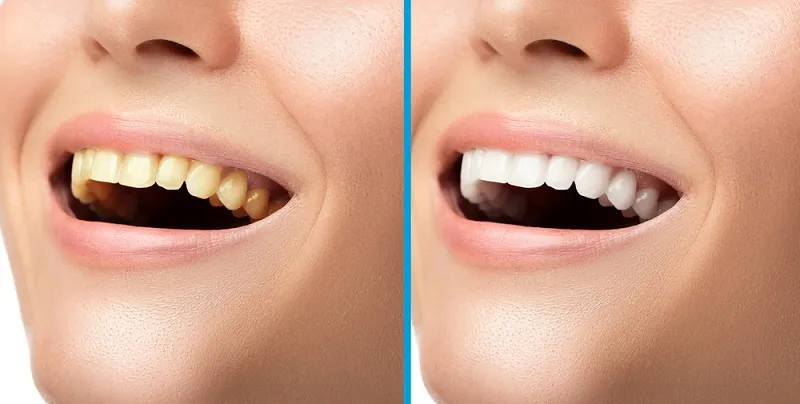
Understanding Teeth Whitening Side Effects
Teeth whitening is a popular cosmetic procedure to enhance the brightness of your smile. While it’s generally safe, it’s crucial to be aware of potential teeth whitening side effects before undergoing treatment. Understanding these side effects allows you to make informed decisions and take necessary precautions. This article explores the top 5 side effects associated with teeth whitening, providing insights into their causes, symptoms, and management strategies. Whether you’re considering professional treatments or at-home kits, knowing the potential downsides can help you achieve a brighter smile while minimizing risks and ensuring a positive experience. Taking the time to research and consult with your dentist will allow you to keep your smile healthy and bright for a long time.
Tooth Sensitivity After Whitening
One of the most frequently reported teeth whitening side effects is tooth sensitivity. This discomfort can range from mild to moderate and typically occurs during or shortly after the whitening treatment. It is often described as a sharp, sudden pain when consuming hot, cold, sweet, or acidic foods and drinks. The intensity of the sensitivity can vary based on the concentration of the whitening agent, the duration of exposure, and individual tooth sensitivity levels. While it’s usually temporary, understanding the causes and how to manage it is vital for a comfortable whitening experience. Many people experience this, so knowing how to handle it will make the process more manageable.
Causes of Tooth Sensitivity

Tooth sensitivity is primarily caused by the whitening agents, such as hydrogen peroxide or carbamide peroxide, used in the whitening products. These chemicals penetrate the enamel and reach the dentin, which contains tiny tubules that lead to the nerve of the tooth. This process can irritate the nerve and cause sensitivity. People with pre-existing conditions like receding gums, enamel erosion, or micro-cracks in their teeth are more prone to sensitivity. Higher concentrations of whitening agents and prolonged exposure can exacerbate this effect, making it crucial to follow instructions carefully and consult with your dentist if you have any concerns. The exposure will affect the teeth, but taking precautions and being mindful of your teeth will help with this process.
Managing Tooth Sensitivity
Fortunately, there are several ways to manage tooth sensitivity after teeth whitening. Using a desensitizing toothpaste containing ingredients like potassium nitrate can help block the nerve signals and reduce discomfort. Applying fluoride treatments, either over-the-counter or prescribed by your dentist, can strengthen the enamel and minimize sensitivity. Avoiding excessively hot or cold foods and drinks for a few days after the treatment can also help. Over-the-counter pain relievers like ibuprofen or acetaminophen can alleviate pain. If sensitivity persists or is severe, consult your dentist, as they may recommend professional treatments like fluoride varnish or other desensitizing agents. Careful and considerate actions will help your teeth stay healthy.
Gum Irritation and Inflammation
Another common teeth whitening side effect is gum irritation and inflammation. This can manifest as redness, swelling, and soreness of the gums, particularly around the areas where the whitening agent comes into contact. This side effect is more prevalent with at-home whitening kits due to potential improper fitting of the trays, leading to the whitening gel leaking onto the gums. Professional treatments often use protective measures, such as gingival barriers, to prevent the gel from contacting the gums directly. Understanding the symptoms and how to treat gum irritation will help you manage the process better and allow you to make a sound decision before starting the process.
Symptoms of Gum Irritation
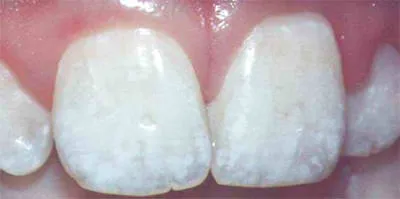
The symptoms of gum irritation and inflammation are typically noticeable shortly after the whitening treatment. Common symptoms include redness and swelling of the gums, which might appear puffy or inflamed. You may experience a burning or stinging sensation. The gums might also feel tender to the touch, and you may notice increased sensitivity when brushing or flossing. In some cases, the gums might bleed easily. These symptoms are usually temporary and resolve within a few days, but if they persist or worsen, it’s essential to consult your dentist to rule out any other underlying issues. Always be mindful of the condition of your gums, and reach out to your dentist if you have any doubts.
Treating Gum Irritation
Fortunately, gum irritation is often easily managed. Rinsing your mouth with a saltwater solution several times a day can help soothe and reduce inflammation. Avoiding irritating substances like alcohol-based mouthwashes can also help. Using a soft-bristled toothbrush and gentle brushing techniques can prevent further irritation. If the irritation is more severe, your dentist may recommend a topical anti-inflammatory medication or a prescription mouthwash. It is essential to ensure the whitening trays fit properly to minimize the risk of future irritation. If you are concerned about the irritation, it’s best to consult with your dentist to get personalized recommendations and care.
Enamel Damage and Risks
While teeth whitening is generally safe, there are risks of enamel damage if not performed correctly or if the whitening products are used excessively. The enamel is the hard, protective outer layer of the tooth, and its integrity is essential for overall dental health. Overuse or misuse of whitening agents can weaken the enamel, making teeth more vulnerable to cavities and sensitivity. It is important to follow the instructions provided with your whitening product and consult your dentist before starting any whitening treatment, to assess your teeth and recommend a suitable treatment plan. Understanding how the process works will allow you to make sound decisions and ensure the safety of your teeth.
How Whitening Affects Enamel

The whitening agents, usually hydrogen peroxide or carbamide peroxide, work by breaking down the stains in the enamel. However, excessive use of these chemicals can strip the enamel of its minerals, leading to demineralization. This process can make the enamel porous and weaker. The enamel may become more susceptible to erosion and damage from acids in foods and drinks. Furthermore, weakened enamel can cause increased tooth sensitivity, as the dentin underneath becomes more exposed. Professional treatments often use higher concentrations of whitening agents, so it’s important to follow your dentist’s instructions to minimize the risk of enamel damage. Understanding how the whitening process works will allow you to make sound decisions for your dental health.
Preventing Enamel Damage
Preventing enamel damage involves several key strategies. Following the instructions provided with your whitening product or prescribed by your dentist is crucial. Avoid overuse of whitening treatments and stick to the recommended frequency and duration. Use a toothpaste with fluoride, which helps remineralize the enamel and strengthen the teeth. Limit your consumption of acidic foods and drinks, such as citrus fruits, soda, and coffee, as they can erode the enamel. Consider using a desensitizing toothpaste if you experience increased sensitivity. Regular dental check-ups and professional cleanings can also help monitor the health of your enamel. Your dentist will be able to monitor your health and recommend the best course of action.
Uneven Whitening and Blotches
Uneven whitening and blotches can be a frustrating side effect of teeth whitening. This can occur for several reasons, leading to an inconsistent appearance in the treated teeth. It’s essential to understand the causes and solutions to ensure you achieve a brighter, more uniform smile. While not always preventable, knowing what to expect and how to address these issues can help you achieve the desired results. Several factors may affect the whitening of the teeth, so understanding them is essential for a successful process. If you are concerned, you should consult with your dentist to find the best course of action for you.
Causes of Uneven Whitening

Uneven whitening can be caused by several factors. Differences in the natural shade of teeth can lead to inconsistent results. Some teeth may be naturally darker or have different staining patterns. Existing dental work, such as fillings, crowns, or veneers, does not respond to whitening agents, resulting in noticeable color differences. Certain types of stains, such as those caused by tetracycline antibiotics, can be more resistant to whitening and may lead to blotchy results. Additionally, improper application of whitening products, such as inconsistent coverage or uneven distribution of the gel, can cause unevenness. If you are concerned, consult your dentist to find the best treatment.
Solutions for Uneven Results
If you experience uneven whitening, several solutions are available. Professional whitening treatments often provide more consistent results due to the dentist’s expertise and controlled application. Your dentist may recommend custom whitening trays to ensure even coverage. In cases of resistant stains, your dentist might recommend more potent whitening agents or alternative treatments, like internal whitening for non-vital teeth. If the unevenness is due to dental work, your dentist may suggest replacing the fillings or veneers to match the whitened teeth. It’s essential to discuss your concerns with your dentist, who can assess the situation and recommend the most appropriate solution for your specific needs. Always work closely with your dentist.
Allergic Reactions and Other Issues
While rare, allergic reactions and other issues can occur with teeth whitening. Understanding the potential side effects beyond the common ones, such as sensitivity and gum irritation, is essential for a safe and comfortable experience. Although most people tolerate teeth whitening well, being aware of less common issues and how to address them will help you ensure a positive outcome. Always be mindful of the process, and be sure to work closely with your dentist if you have any concerns.
Identifying Allergic Reactions

Allergic reactions to teeth whitening products are not common, but they can occur. Symptoms may include swelling of the lips, tongue, or throat, hives, itching, and difficulty breathing. If you experience any of these symptoms, seek immediate medical attention. Less severe reactions may involve skin rashes or a general feeling of unwellness. If you suspect an allergic reaction, stop using the product immediately and consult your dentist or a healthcare professional. Always read the ingredients on the packaging, and be sure that you are not allergic to any of the components. Your dentist can offer advice and insight.
Other Potential Side Effects
In addition to the main side effects discussed, other less common issues may arise from teeth whitening. Some people may experience changes in taste or a metallic taste in their mouth during or after the treatment. Ulcers or sores can develop in the mouth if the whitening agent comes into contact with soft tissues for an extended period. Although rare, temporomandibular joint (TMJ) discomfort has been reported in some cases. If you experience any unusual or persistent symptoms, consult your dentist to determine the cause and receive appropriate treatment. Always err on the side of caution and work closely with your dentist to ensure proper care.
Final Thoughts
Teeth whitening can be a great way to enhance your smile, but it is essential to be aware of the potential side effects. By understanding the common issues like tooth sensitivity, gum irritation, and the risks of enamel damage, you can make informed decisions and take steps to minimize the impact. Always follow the instructions provided with your whitening product, and consult your dentist before starting any treatment, especially if you have pre-existing dental issues or sensitive teeth. If you experience any adverse reactions, seek professional advice promptly. With proper care and attention, you can achieve a brighter smile while maintaining good oral health. Always consult your dentist if you have any concerns.