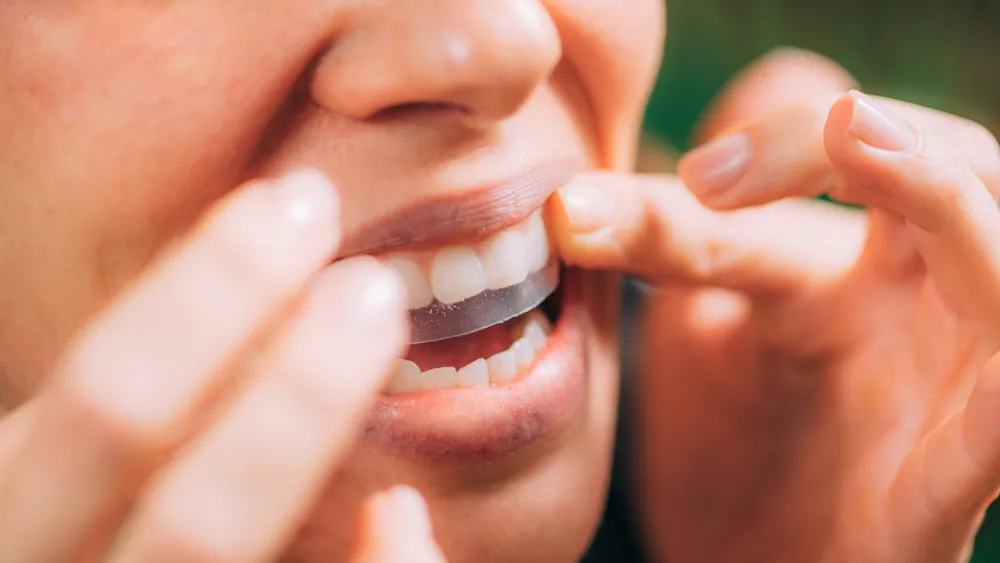
Why Do Teeth Hurt After Whitening Strips?
Teeth whitening strips have become a popular method for achieving a brighter smile, but sometimes, the experience can be less than pleasant. Many users report experiencing tooth sensitivity or even pain after using these strips. While a certain degree of sensitivity is normal, significant discomfort is a sign that something may not be quite right. Understanding the reasons behind this pain is crucial for ensuring a comfortable and effective teeth whitening experience. This article delves into the common causes of pain associated with whitening strips, offering insights and solutions to help you achieve a dazzling smile without the agony.
The Chemical Composition of Whitening Strips
The active ingredient in most teeth whitening strips is hydrogen peroxide or carbamide peroxide. These chemicals work by penetrating the enamel of your teeth and breaking down the stain molecules that cause discoloration. The concentration of these chemicals can vary between different brands and products, with higher concentrations often leading to more dramatic whitening results but also potentially increasing the likelihood of sensitivity and pain. The process of breaking down stains involves a chemical reaction, and it’s this reaction that can sometimes irritate the nerves within your teeth.
Hydrogen Peroxide and Tooth Sensitivity

Hydrogen peroxide, the primary bleaching agent, can cause sensitivity by penetrating the enamel and reaching the dentin layer of the tooth. Dentin contains tubules that lead directly to the tooth’s nerve, and when these tubules are stimulated by the peroxide, it can trigger pain signals. The higher the concentration of hydrogen peroxide, the more likely and severe the sensitivity will be. It’s essential to choose strips with an appropriate concentration for your teeth’s sensitivity level.
Understanding Enamel and Dentin
Your teeth have several layers enamel, dentin, and pulp. Enamel is the hard, protective outer layer, while dentin lies beneath it, containing tiny tubules that lead to the tooth’s nerve. When the enamel is compromised or the dentin is exposed, the whitening agents can more easily penetrate to the nerve, causing sensitivity. Healthy enamel acts as a barrier, but factors like erosion, thinning, or micro-cracks can reduce its protective capabilities, thereby increasing the risk of pain during whitening.
Sensitivity from Whitening Strips
Sensitivity from whitening strips can manifest in several ways. Some individuals experience a sharp, shooting pain when exposed to cold air or hot liquids. Others may feel a dull ache or throbbing sensation in their teeth. This sensitivity is usually temporary, subsiding within a few days after stopping the use of the strips. However, persistent or severe pain warrants consultation with a dentist to rule out underlying dental issues or damage.
Gum Irritation and Whitening Strips

Whitening strips are designed to adhere to the teeth, but if they come into contact with your gums, they can cause irritation and inflammation. The peroxide in the strips can burn the soft tissues of the gums, leading to redness, swelling, and tenderness. This is often caused by strips that are too large, improperly applied, or by the use of excessive amounts of product. Ensuring the strips fit your teeth properly and avoiding direct contact with your gums is vital to prevent this issue.
Improper Application Techniques
Incorrect application can significantly contribute to both tooth sensitivity and gum irritation. This can happen if the strips are not properly aligned with your teeth, allowing the whitening agent to seep onto the gums. Also, if you use more product than recommended or leave the strips on for longer than directed, you increase the risk of adverse effects. Always follow the instructions provided with your whitening strips and consult with a dental professional if you’re unsure about the proper application method.
Overuse of Whitening Strips
Using whitening strips too frequently can exacerbate tooth sensitivity. Following the recommended usage guidelines is critical, as overusing them can lead to prolonged exposure to the bleaching agents. This can weaken the enamel, making the teeth more susceptible to sensitivity and increasing the risk of other dental problems. It’s essential to give your teeth a break between whitening treatments and to consult with your dentist for a customized whitening plan that suits your needs and sensitivity levels.
Using Whitening Strips Too Frequently

Adhering to the recommended usage frequency is crucial to prevent overexposure and potential damage to your teeth. The instructions on the product packaging typically specify how often and for how long you should use the strips. Overuse can strip the enamel, leading to increased sensitivity and potential long-term harm. If you’re aiming for a brighter smile, it’s better to take a patient approach and stick to a schedule that your teeth can tolerate. If you desire more whitening, space out your treatments and consult with your dentist.
Underlying Dental Issues
Sometimes, pain during or after using whitening strips can be a sign of underlying dental problems. Issues like cavities, gum disease, or cracked teeth can make your teeth more sensitive in general, and the whitening process can exacerbate these existing problems. It’s always a good idea to have a dental check-up before starting any whitening treatment to ensure your teeth are healthy and ready for the process. Addressing any existing dental issues is important to ensure a comfortable and effective whitening experience.
Pre-existing Sensitivity or Dental Problems
If you already have sensitive teeth or other dental issues, using whitening strips can intensify the pain. Individuals with conditions like gingivitis, receding gums, or enamel erosion are more prone to sensitivity. Before you start using whitening strips, talk to your dentist about your dental history and any existing sensitivities. They can recommend suitable whitening options or suggest ways to manage the pain and discomfort.
Cracked or Damaged Teeth

Cracked or damaged teeth are especially vulnerable during the whitening process. Cracks provide pathways for the whitening agents to reach the nerves directly, causing significant pain. Also, damaged teeth may have exposed dentin, which is more sensitive to the chemicals in whitening strips. If you suspect you have any cracks or damage to your teeth, a dental examination is essential before you use whitening strips. Your dentist can assess the damage and recommend appropriate treatment.
Addressing and Preventing Pain
Fortunately, there are several strategies you can use to address and prevent pain associated with teeth whitening strips. Many over-the-counter products and professional treatments can help reduce sensitivity. Additionally, choosing the right type of whitening strips and following the proper application techniques can significantly minimize the risk of discomfort. If you’re experiencing pain, it’s important to stop using the strips and consult with your dentist for advice and solutions.
Choosing the Right Whitening Strips
When selecting whitening strips, consider the concentration of the active ingredients. If you have sensitive teeth, it’s best to choose strips with a lower concentration of hydrogen peroxide. You may also want to opt for strips designed specifically for sensitive teeth, as these often contain ingredients to help reduce sensitivity. Researching different brands and reading reviews can also help you find strips that are well-regarded for being gentle and effective.
Proper Application Techniques

Proper application is key to minimizing sensitivity. Always read and follow the instructions provided with your whitening strips. Make sure your teeth are clean and dry before applying the strips, and avoid touching your gums. Carefully align the strips along your gum line, ensuring they cover the teeth without overlapping onto your gums. Do not leave the strips on for longer than the recommended time. After removing the strips, rinse your mouth with water and avoid eating or drinking anything for at least 30 minutes.
Post-Whitening Care
Taking care of your teeth after whitening can help soothe any pain and minimize sensitivity. Avoid extremely hot or cold foods and drinks for a few days, as these can trigger discomfort. You can also use a toothpaste designed for sensitive teeth, which can help to desensitize the nerves. Moreover, your dentist may recommend fluoride treatments to strengthen your enamel. Good oral hygiene practices are always essential for maintaining a healthy and beautiful smile.