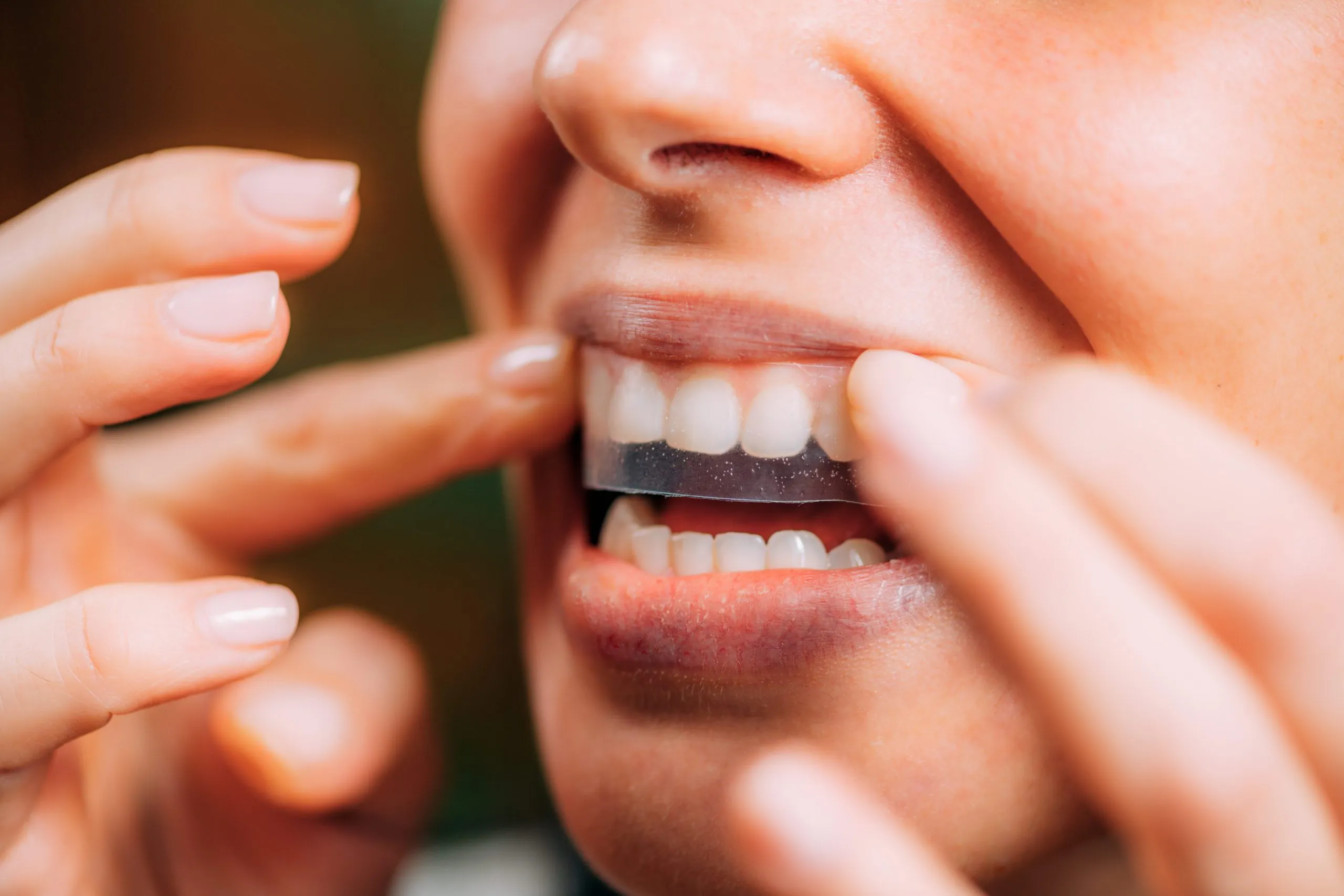
Teeth Whitening Strips Pain? Top 5 Facts
Teeth whitening strips are a popular and convenient way to achieve a brighter smile. However, they can sometimes cause discomfort, ranging from mild sensitivity to more significant pain. Understanding the reasons behind this pain and knowing how to manage it can help you achieve a whiter smile without the unnecessary suffering. This article explores the top 5 facts about teeth pain related to whitening strips, providing insights into causes, prevention, and alternative solutions. It is essential to approach teeth whitening with knowledge and caution, ensuring your oral health remains a top priority.
What Causes Teeth Pain From Whitening Strips?
Several factors can contribute to the pain and sensitivity experienced when using teeth whitening strips. These factors are often interconnected, and understanding them can help in finding the right approach for your specific situation. From the chemicals used in the strips to the condition of your teeth and gums, several elements play a role in the pain you might feel during and after treatment.
Hydrogen Peroxide Sensitivity

Hydrogen peroxide is the active ingredient in most whitening strips, responsible for breaking down stains on your teeth. However, it can also cause sensitivity. The peroxide penetrates the enamel and dentin, reaching the nerves within the teeth. This can result in temporary sensitivity, particularly to hot or cold temperatures. The higher the concentration of hydrogen peroxide, the greater the potential for sensitivity. Many people experience some level of sensitivity during or after using whitening strips containing this chemical. It is the most common cause of the pain.
Enamel Erosion
Enamel erosion, or the wearing away of the protective outer layer of your teeth, makes them more vulnerable to sensitivity. If your enamel is already thin or weakened, the hydrogen peroxide can more easily penetrate the dentin and irritate the nerves. This can lead to increased sensitivity and pain. Factors like excessive brushing, acidic foods and drinks, and certain medical conditions can contribute to enamel erosion. Regular dental check-ups are crucial to identify and address any enamel issues early on.
Gum Irritation
Whitening strips can sometimes irritate your gums, leading to pain and inflammation. The chemicals in the strips, particularly hydrogen peroxide, can cause a burning sensation or redness if they come into contact with your gums. This can be exacerbated if the strips are too large, improperly applied, or left on for too long. Gum irritation can range from mild discomfort to significant soreness, making it essential to follow the instructions carefully and take precautions to protect your gums.
Pre-existing Dental Issues

If you have pre-existing dental issues, such as cavities, cracks, or gum disease, whitening strips can exacerbate the pain. These issues can expose the nerves in your teeth, making them more sensitive to the whitening agents. Furthermore, if you have untreated cavities, the whitening agents can penetrate the tooth more easily, causing significant pain. Before starting a whitening regimen, it is always best to address any dental issues with your dentist to ensure a safe and comfortable experience.
Top 5 Facts About Teeth Whitening Strips Pain
Fact 1 Sensitivity to Hydrogen Peroxide
Hydrogen peroxide is the active agent causing sensitivity in many users. The higher the concentration, the more likely you are to experience pain. It is best to start with a lower concentration of hydrogen peroxide if you have sensitive teeth.
Fact 2 Enamel Erosion

Thin or eroded enamel increases the risk of sensitivity. Excessive brushing and acidic foods contribute to enamel erosion. If your enamel is damaged, whitening strips can cause more pain.
Fact 3 Gum Irritation
Whitening strips can irritate gums, causing redness and soreness. Ensure proper application to avoid gum contact. Trim strips if needed to fit your teeth properly.
Fact 4 Pre-existing Dental Conditions
Cavities, cracks, and gum disease can worsen pain. Get these issues treated before whitening. Always consult a dentist before starting any whitening treatment.
Fact 5 Incorrect Usage

Using strips incorrectly, such as leaving them on too long, increases sensitivity. Always follow the instructions on the product packaging. Make sure to store your whitening strips correctly and replace them if needed.
How to Manage and Prevent Whitening Strip Pain
Choosing the Right Whitening Strips
Select strips with a lower concentration of hydrogen peroxide if you have sensitive teeth. Look for products specifically designed for sensitive teeth. Check reviews and ratings from other users to get an idea of potential sensitivity levels. Consider professional guidance from your dentist to choose the right product.
Proper Application Techniques

Carefully follow the instructions provided with the whitening strips. Ensure your teeth are clean and dry before application. Avoid contact with your gums by applying the strips correctly. Do not leave the strips on for longer than the recommended time. If you have any issues, remove the strips immediately.
Consulting a Dentist
Consult your dentist before starting any teeth whitening treatment. They can assess your oral health and recommend the most suitable options. Regular check-ups can identify and treat pre-existing dental issues that could increase sensitivity. Your dentist can provide professional teeth whitening options if strips are unsuitable for you.
Alternatives to Whitening Strips
Professional Teeth Whitening

Professional teeth whitening performed by a dentist can be a more controlled and effective option. Dentists can use higher concentrations of whitening agents under controlled conditions. This can be a great option if you’re looking for a quick, safe, and efficient whitening process. They can also address sensitivity issues more effectively. It ensures the safety of your gums and enamel.
Other Whitening Options
Consider other whitening options like whitening toothpaste, mouthwashes, or custom-fitted trays. These alternatives often have lower concentrations of whitening agents and are gentler on your teeth. Your dentist can advise you on the best options to suit your specific needs and oral health condition. Many over-the-counter options are available if you are looking for convenience and affordability.
In conclusion, while teeth whitening strips can be a convenient way to brighten your smile, it is essential to be aware of the potential for pain and sensitivity. Understanding the causes, taking preventive measures, and considering alternative options can help you achieve a whiter smile without unnecessary discomfort. Always consult with your dentist before starting any whitening treatment to ensure it is safe and appropriate for your oral health.