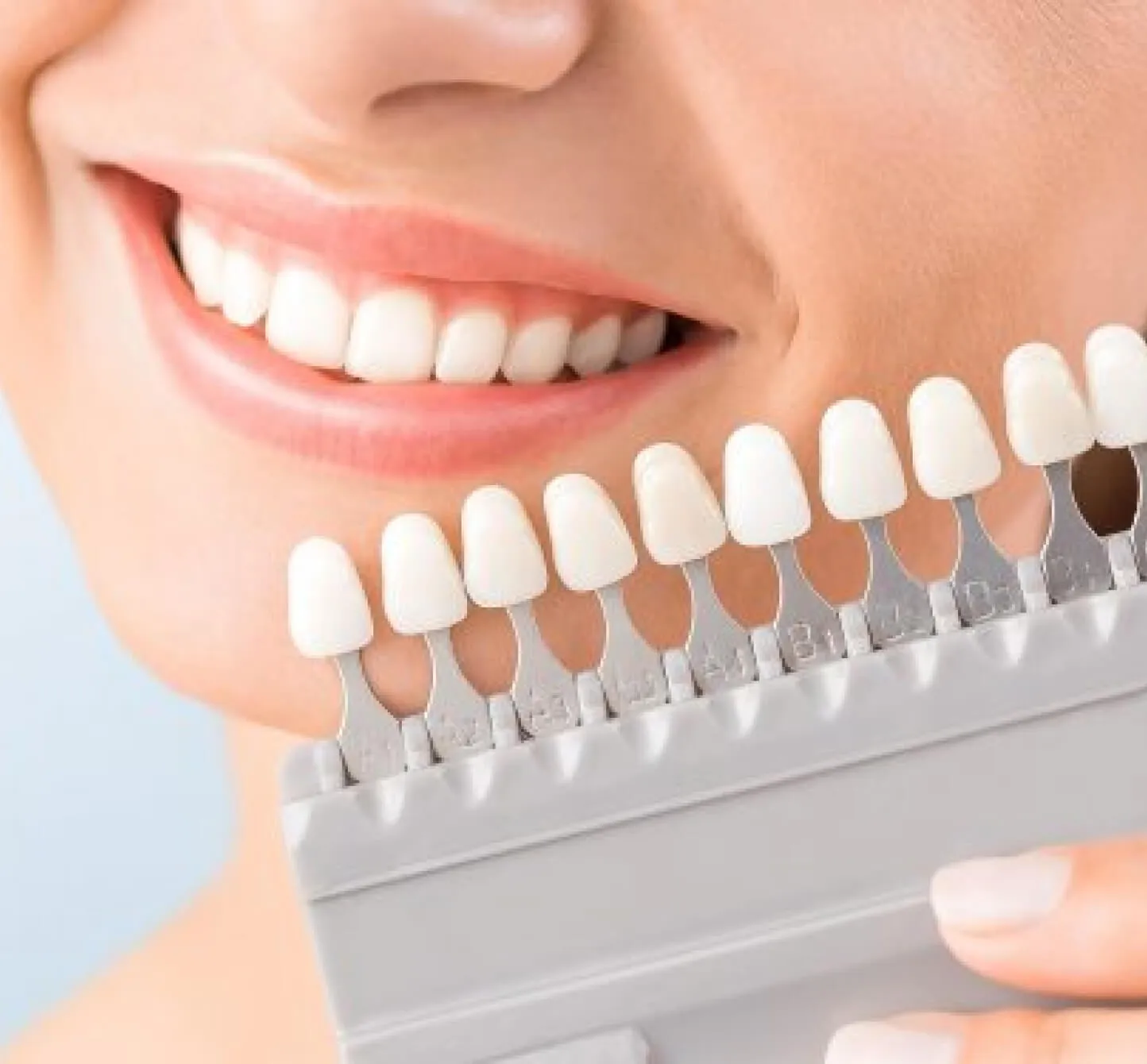
Understanding Teeth Whitening The Basics
Teeth whitening has become a popular cosmetic procedure in the UK, with many individuals seeking brighter, more aesthetically pleasing smiles. But before diving into the various methods, it’s essential to understand the fundamental principles of teeth whitening. This guide aims to provide a comprehensive overview of the subject, covering everything from the causes of tooth discoloration to the most effective whitening techniques available. By understanding the basics, you can make informed decisions and choose the best teeth whitening options for your needs and preferences. A radiant smile can significantly boost your self-confidence and overall well-being. Explore the world of teeth whitening and discover how to achieve a brighter, more confident you.
What Causes Tooth Discoloration
Tooth discoloration can arise from a multitude of factors, both internal and external. Understanding these causes is crucial for effective whitening. The primary culprits include the consumption of staining foods and drinks like coffee, tea, red wine, and berries. These substances contain chromogens, which adhere to the enamel, causing stains. Smoking and tobacco use are also major contributors due to the presence of nicotine and tar. Additionally, poor oral hygiene, such as infrequent brushing and flossing, allows stains to accumulate over time. Certain medical conditions and medications, such as tetracycline antibiotics, can also lead to internal discoloration. Finally, aging naturally causes enamel thinning, revealing the yellowish dentin underneath.
Common Staining Foods and Drinks

Certain foods and beverages are notorious for staining teeth. Coffee and tea, staples in many UK households, are highly pigmented and can leave behind stubborn stains. Red wine contains tannins, which bind to the enamel and promote staining. Berries, such as blueberries and raspberries, are rich in color and can easily discolor teeth. Dark sauces like soy sauce and balsamic vinegar, as well as curries and other richly colored foods, can also contribute to staining. Regular consumption of these items, without adequate oral hygiene, can lead to a gradual darkening of the teeth. Being mindful of your diet and practicing good oral care can help minimize the impact of these staining agents on your smile.
The Role of Genetics in Tooth Shade
Genetics play a significant role in determining the natural shade of your teeth. Some individuals are predisposed to having naturally brighter enamel than others. The thickness of the enamel, which is genetically influenced, also affects tooth color. Thicker enamel tends to appear whiter because it allows less of the underlying dentin (which is naturally yellowish) to show through. Conversely, those with thinner enamel may have teeth that appear more yellow. Genetic factors also influence the size and shape of teeth, which can affect how light reflects off the surface and, consequently, how white they appear. While teeth whitening can improve the appearance, the baseline shade is often genetically determined.
Top 5 Teeth Whitening Methods in the UK
The UK offers a wide array of teeth whitening methods, ranging from professional treatments to at-home solutions. The best choice depends on individual needs, budget, and desired results. This section explores the top five proven methods, each with its own advantages and considerations. From the precision of professional whitening to the convenience of over-the-counter kits, understanding these options will help you choose the most effective approach for a brighter, more confident smile. Remember to consult with a dental professional to determine the most appropriate treatment for your specific situation and ensure optimal oral health throughout the process.
Professional Teeth Whitening by Dentist

Professional teeth whitening, performed by a dentist, is often the most effective and reliable method. This procedure typically involves applying a high-concentration bleaching agent to the teeth, which is then activated by a special light or laser. The entire process usually takes about an hour and can significantly lighten teeth in a single session. Dentists can also offer customized treatments to address specific staining issues. While professional whitening can be more expensive than at-home options, it provides the best results, especially for stubborn stains. The dentist can also monitor the procedure to ensure the safety of the gums and teeth. Moreover, a dentist can provide a comprehensive oral health check and address any underlying issues before the whitening process.
Process and Benefits
The professional teeth whitening process begins with a thorough examination of the teeth and gums to ensure they are healthy and suitable for whitening. A protective barrier is then applied to the gums to prevent irritation from the bleaching agent. The whitening agent, typically a hydrogen peroxide or carbamide peroxide solution, is applied to the teeth. A special light or laser may be used to accelerate the whitening process. The dentist monitors the progress and adjusts the treatment as needed. Benefits include immediate and dramatic results, professional expertise, and the ability to treat various types of stains effectively. The dentist’s supervision ensures the process is safe and minimizes potential side effects.
Potential Risks and Side Effects
While generally safe, professional teeth whitening can have potential risks and side effects. The most common side effect is tooth sensitivity, which usually subsides within a few days after the procedure. Gum irritation or inflammation is another possible side effect, especially if the bleaching agent comes into contact with the gums. In rare cases, more severe complications, such as changes in the tooth structure or nerve damage, may occur, particularly if the procedure is not performed correctly. It’s crucial to discuss these risks with your dentist before undergoing the treatment and to follow all aftercare instructions diligently. Individuals with sensitive teeth or gum disease may not be ideal candidates for this type of whitening.
At-Home Whitening Kits

At-home whitening kits are a convenient and cost-effective option for teeth whitening. These kits typically include whitening strips or trays containing a bleaching agent. They offer a flexible approach, allowing individuals to whiten their teeth at their own pace and in the comfort of their homes. While not as powerful as professional treatments, at-home kits can still deliver noticeable results, especially for mild to moderate staining. It’s essential to follow the instructions carefully and be patient, as it may take several weeks to achieve the desired level of whitening. Consider the concentration of the bleaching agent and the application time, as these factors will affect the effectiveness of the whitening process. At-home kits are a great option for those looking for a more affordable and accessible teeth whitening solution.
Types of At-Home Kits Available
Several types of at-home whitening kits are available in the UK. Whitening strips are a popular choice, as they are easy to use and widely accessible. These strips are coated with a thin layer of bleaching agent and are applied directly to the teeth for a specified amount of time. Whitening trays, which are custom-fitted or pre-formed, also offer a convenient approach. They are filled with a whitening gel and worn for a certain period. Some kits include whitening pens, which allow for targeted application of the whitening agent. The choice of kit depends on personal preference, the severity of staining, and the desired level of convenience. Be sure to read reviews and check the product’s safety and efficacy before use. Consider kits that contain enamel-strengthening ingredients to minimize sensitivity.
How to Use Whitening Strips and Trays Effectively
To use whitening strips effectively, start by brushing your teeth gently and drying them thoroughly. Apply the strips to the upper and lower teeth, following the manufacturer’s instructions for placement and wear time. Avoid eating or drinking during this time. After the recommended time, remove the strips and rinse your mouth. For whitening trays, fill the trays with the recommended amount of whitening gel and insert them into your mouth, ensuring they fit snugly. Wear the trays for the duration specified in the kit’s instructions, usually ranging from 30 minutes to several hours. After use, remove the trays and rinse your mouth, as well as the trays themselves. Consistency is key, and adhering to the instructions is crucial for achieving the best results. Also, be aware of potential sensitivity and adjust the application time if needed.
Whitening Toothpastes and Mouthwashes

Whitening toothpastes and mouthwashes offer a convenient and everyday approach to maintaining a brighter smile. These products typically contain mild abrasives or chemical agents that help remove surface stains. While they may not provide the dramatic whitening effects of professional treatments, they can help remove surface stains and prevent new ones from forming. The regular use of these products can contribute to a subtle improvement in tooth color and can complement other whitening methods. Choosing a whitening toothpaste or mouthwash that is gentle on the enamel and contains fluoride is essential for maintaining good oral health. Be sure to consult your dentist to determine the best product for your needs and ensure it complements your overall oral care routine.
Effectiveness and Limitations
The effectiveness of whitening toothpastes and mouthwashes is generally limited to removing surface stains. They are most effective for stains caused by food, drinks, and tobacco use. These products cannot significantly alter the intrinsic color of the teeth or address deep-seated discoloration. The whitening effect is usually subtle, and consistent use is needed to see noticeable results. These products are not a substitute for professional teeth whitening, especially for individuals with severe staining. It’s crucial to manage expectations and understand the limitations of these over-the-counter options. Consider using these products as part of a comprehensive oral hygiene routine, in conjunction with other teeth whitening methods for optimal results.
Ingredients to Look For
When choosing whitening toothpastes and mouthwashes, consider the active ingredients. Look for products containing mild abrasives, such as silica, which help remove surface stains without damaging the enamel. Hydrogen peroxide or carbamide peroxide are also common whitening agents. Some products contain ingredients like sodium hexametaphosphate, which help prevent new stains from forming. Fluoride is an essential ingredient for strengthening the enamel and preventing cavities. Avoid products with harsh abrasives or excessive amounts of whitening agents, as they may cause sensitivity. Choose products that are clinically tested and recommended by dental professionals. Always read the product label carefully and follow the instructions for safe and effective use.
Teeth Whitening with Natural Remedies

Natural remedies for teeth whitening have gained popularity, with many people seeking alternatives to commercial products. While some natural methods can help remove surface stains, it’s essential to approach them with caution, as their effectiveness and safety can vary. Some of the most popular natural remedies include baking soda, lemon juice, and oil pulling. When considering natural remedies, prioritize safety and consult with a dental professional to ensure they are appropriate for your individual needs. Remember that natural methods may not deliver the same dramatic results as professional treatments. Be mindful of potential risks and always follow best practices for oral health.
The Truth about Baking Soda and Lemon Juice
Baking soda is a mild abrasive that can help remove surface stains when used in moderation. However, excessive use can erode the enamel, leading to tooth sensitivity and increased risk of decay. Lemon juice, being highly acidic, can also whiten teeth. However, the acid can erode the enamel, making teeth more vulnerable to damage. The combination of baking soda and lemon juice is often touted as a natural whitening remedy, but its use is even more concerning. It is important to use these remedies sparingly and only after consulting with a dentist. For those who choose to use baking soda, using it once or twice a week is the best practice. Remember that the long-term effects of using these remedies are still unclear.
Oil Pulling and Its Impact on Teeth
Oil pulling is an ancient practice that involves swishing oil, typically coconut oil, in the mouth for a specific period. Advocates claim that oil pulling can remove bacteria and toxins, potentially improving oral health and whitening teeth. While some studies suggest potential benefits, such as reducing plaque and gingivitis, the scientific evidence supporting its teeth whitening effect is limited. The mild abrasive action of the oil may help remove surface stains, but it’s unlikely to significantly alter the intrinsic color of the teeth. Oil pulling should not replace regular brushing and flossing. It may be used as a complementary practice, but always maintain good oral hygiene and consult with your dentist to ensure it’s appropriate for your needs. Oil pulling alone will not provide substantial teeth whitening results.
Maintaining Your White Smile

Maintaining a white smile requires a commitment to good oral hygiene and lifestyle choices. The steps taken to prevent staining and discoloration are just as important as the whitening process itself. This section provides essential tips for preserving the results of teeth whitening treatments and keeping your smile looking its best. From dietary adjustments to regular dental visits, incorporating these practices into your routine will help ensure a lasting, radiant smile. Remember, consistency is key, and making these practices a part of your everyday life will pay off in the long run, promoting both oral health and a beautiful smile.
Best Practices for Long-Term Whitening Results
To maximize the longevity of your teeth whitening results, adopt these best practices. Practice excellent oral hygiene, including brushing your teeth twice daily with a fluoride toothpaste and flossing at least once a day. Rinse your mouth with water after eating or drinking staining foods and beverages. Avoid smoking and tobacco products, as they are major contributors to tooth discoloration. Consider using a straw when drinking dark-colored beverages to minimize contact with your teeth. Schedule regular dental check-ups and cleanings to maintain your oral health and address any new staining. Follow any specific aftercare instructions provided by your dentist or the manufacturer of your whitening product. A consistent approach to these practices will help to keep your smile bright for the long term.
Foods and Drinks to Avoid or Limit
Certain foods and drinks can compromise the results of teeth whitening. Minimize your consumption of staining culprits like coffee, tea, red wine, and dark-colored berries. Be cautious with dark sauces such as soy sauce and balsamic vinegar. Smoking and chewing tobacco should be strictly avoided. If you do consume staining foods and drinks, rinse your mouth with water immediately afterward. Consider using a straw for drinks like coffee and soda to reduce contact with your teeth. By making mindful dietary choices, you can significantly extend the life of your whitening results. Prioritizing a diet that supports oral health will also contribute to your overall well-being.
Regular Dental Check-ups and Cleanings
Regular dental check-ups and professional cleanings are essential for maintaining a healthy and bright smile. During a check-up, your dentist will assess your overall oral health, detect any potential problems, and provide personalized advice. Professional cleanings remove plaque and tartar that brushing and flossing alone cannot eliminate. These cleanings also help remove surface stains, which can contribute to the overall brightness of your teeth. Schedule check-ups and cleanings at least twice a year, or more frequently if recommended by your dentist. Maintaining consistent dental care is an investment in your oral health, preventing future issues and helping to keep your smile looking its best. Trust the expertise of your dentist for optimal oral care.
Conclusion
Teeth whitening is a powerful tool for enhancing your smile and boosting your confidence. By understanding the basics of teeth whitening, including the causes of tooth discoloration and the various treatment options available in the UK, you can make informed decisions and achieve the brighter smile you desire. Whether you choose professional treatments, at-home kits, or natural remedies, always prioritize your oral health and consult with a dental professional for personalized guidance. Remember that maintaining a white smile requires consistent oral hygiene, mindful dietary choices, and regular dental check-ups. Embrace the journey to a brighter, more confident you, and enjoy the transformative power of a beautiful smile.