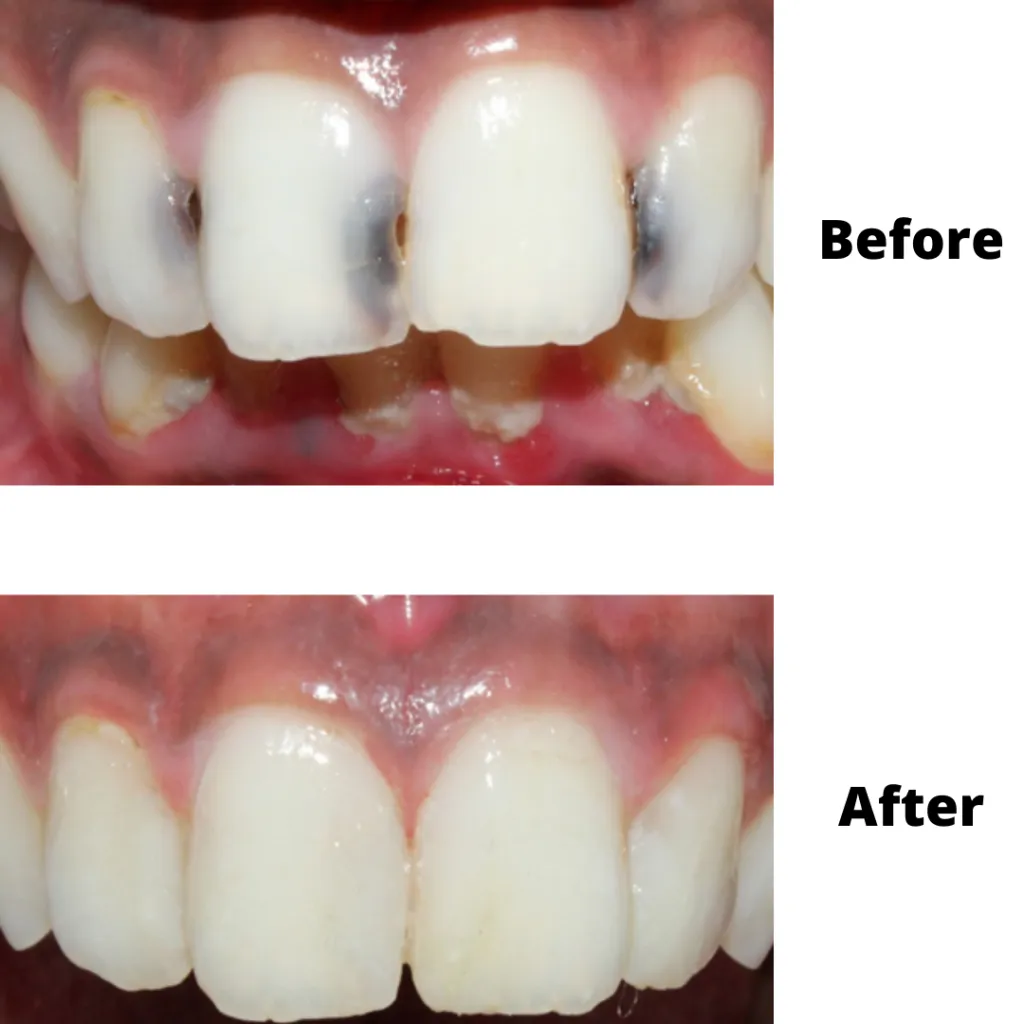
Understanding Teeth Whitening with Fillings
Teeth whitening is a popular cosmetic procedure aimed at brightening the shade of your teeth. However, when you have dental fillings, the process becomes a bit more complex. Fillings, made from materials like composite resin or amalgam, do not respond to teeth whitening treatments in the same way natural tooth enamel does. Understanding this difference is crucial before you consider whitening your teeth if you have fillings. This article explores the facts about teeth whitening with fillings, the options available, and what you need to know to achieve a brighter smile.
The Impact of Fillings on Whitening
The primary issue with teeth whitening and fillings is that the whitening agents used in these treatments only affect natural tooth enamel. Fillings, on the other hand, are made of different materials that do not contain the same porous structure as enamel. As a result, the whitening agents cannot penetrate the filling material, leaving the fillings unchanged while the surrounding enamel becomes lighter. This can lead to a mismatched appearance, where the fillings appear darker than the newly whitened teeth. This difference in response is a critical factor to consider when planning any teeth whitening procedure if you have fillings.
Types of Fillings and Their Whitening Response

The material your fillings are made of also influences the outcome of teeth whitening. Different materials respond to whitening treatments differently. Here’s a breakdown of the common types of fillings.
Amalgam Fillings
Amalgam fillings, often referred to as silver fillings, are made from a mixture of metals, including silver, tin, copper, and mercury. These fillings do not whiten with standard teeth whitening treatments. They remain the same color and can make the surrounding teeth appear even lighter in comparison, thus making them more noticeable. While amalgam fillings are durable, their aesthetic limitations are a factor when considering whitening.
Composite Fillings
Composite fillings, made from a resin material, are designed to match the color of your natural teeth. However, like amalgam fillings, they do not whiten during teeth whitening procedures. The surrounding enamel will lighten, but the composite fillings will stay the same, potentially leading to a color mismatch. This is a major consideration for those seeking a uniform, brighter smile.
Other Filling Materials

Other filling materials, like glass ionomer, also do not respond to teeth whitening treatments. They are designed for specific dental applications, such as fillings in areas where the aesthetic appearance is not the primary concern. The same principle applies here as with other filling materials the whitening agents will not affect the filling material.
Fact 1 Teeth Whitening Doesn’t Whiten Fillings
The most important fact to remember is that teeth whitening treatments do not whiten fillings. This is because the materials used in fillings, such as composite resin or amalgam, are not porous like natural tooth enamel. The whitening agents, which contain peroxide, work by penetrating the enamel and breaking down the stain molecules. Since fillings lack this porous structure, the whitening agents cannot affect them. This is why it’s essential to understand that if you have fillings and want a brighter smile, teeth whitening alone may not give you the results you expect.
Fact 2 Whitening Options to Consider
While teeth whitening won’t change the color of your fillings, you still have several options to brighten your smile, even with fillings. These include professional treatments and at-home kits, but it’s important to understand that they will only affect your natural teeth and not the fillings. Consider these two methods.
Professional Whitening Treatments

Professional teeth whitening is usually done in a dentist’s office and involves a higher concentration of whitening agents. The dentist will apply a protective barrier to your gums and then apply the whitening solution to your teeth. The process may also involve the use of a special light to accelerate the whitening process. This is the most effective way to whiten your teeth, but remember, it won’t affect the fillings. Your dentist can assess the situation and discuss the best approach, which might involve replacing fillings after whitening to match the new shade of your teeth. Consult your dentist before moving forward with the whitening.
At-Home Whitening Kits
At-home whitening kits, available over-the-counter or prescribed by your dentist, offer a more convenient option. These kits typically include whitening trays and a gel with a lower concentration of whitening agents than professional treatments. Like professional treatments, at-home kits will only whiten the natural teeth and not the fillings. It’s crucial to follow the instructions carefully and consult your dentist before using any at-home whitening product, especially if you have fillings, to ensure the best and safest results.
Fact 3 Potential Risks and Side Effects
Teeth whitening, whether professional or at-home, can come with certain risks and side effects, particularly for individuals with fillings. It’s crucial to be aware of these potential issues before undergoing any whitening treatment.
Tooth Sensitivity

Tooth sensitivity is a common side effect of teeth whitening. The whitening agents can make your teeth more sensitive to hot and cold temperatures. If you have fillings, this sensitivity might be more pronounced, particularly if the fillings are close to the nerve of your tooth. It’s advisable to use toothpaste designed for sensitive teeth and to discuss any concerns with your dentist.
Gum Irritation
Gum irritation is another possible side effect. Whitening agents can cause your gums to become inflamed and irritated. This is more likely if the whitening solution comes into contact with your gums. Your dentist will use a protective barrier to shield your gums during professional treatments, but at-home kits require careful application to avoid contact with the gums. If you experience gum irritation, stop the treatment and consult your dentist.
Fact 4 Alternatives to Teeth Whitening with Fillings
Since teeth whitening doesn’t change the color of fillings, there are alternative cosmetic dental procedures you can explore to achieve a brighter, more uniform smile, especially if you’re looking to address the mismatch between your natural teeth and fillings.
Veneers

Veneers are thin shells, typically made of porcelain, that are custom-made to cover the front surface of your teeth. They are an excellent option for those with fillings, as they can be made to match the shade of your whitened teeth, effectively covering the fillings and creating a consistent appearance. Veneers are durable and can significantly improve the aesthetics of your smile. Consult with your dentist to determine if veneers are right for you.
Bonding
Dental bonding involves applying a tooth-colored resin to the tooth and hardening it with a special light. Bonding can be used to repair chips, cracks, or discoloration. It’s a good option for small areas, but it’s not as durable as veneers. Like veneers, bonding material can be matched to the color of your whitened teeth, offering an alternative way to address the color discrepancy with fillings. Bonding can be a cost-effective solution for minor cosmetic issues.
Replacement of Fillings
If you have composite fillings, another option is to replace them after your teeth have been whitened. Your dentist can remove the old fillings and replace them with new ones that match the shade of your newly whitened teeth. This ensures a uniform color across all your teeth. Replacing fillings is a more straightforward approach, especially if the fillings are old or need to be replaced anyway.
Fact 5 Maintaining a Bright Smile with Fillings

Once you’ve addressed the color mismatch and achieved a brighter smile, maintaining it requires consistent oral hygiene and regular dental check-ups. These practices will help you keep your natural teeth white and your fillings in good condition.
Proper Oral Hygiene
Brushing your teeth twice a day with fluoride toothpaste and flossing daily are fundamental to maintaining a bright smile. Brushing helps remove surface stains and plaque, while flossing removes food particles and plaque from between your teeth, preventing staining and decay. These practices are essential to keeping your teeth white and your fillings in good shape.
Regular Dental Check-ups
Regular dental check-ups are crucial for monitoring your oral health and maintaining your bright smile. Your dentist can professionally clean your teeth to remove any stains or buildup that brushing and flossing might miss. During these check-ups, your dentist can also assess the condition of your fillings and recommend any necessary replacements or repairs, ensuring your smile remains healthy and aesthetically pleasing.
In conclusion, while teeth whitening doesn’t whiten fillings, there are several options to achieve a brighter smile with fillings. Understanding the limitations, considering alternatives, and maintaining good oral hygiene are essential steps in the process. Always consult with your dentist to determine the best approach for your specific needs and to achieve the best possible results.