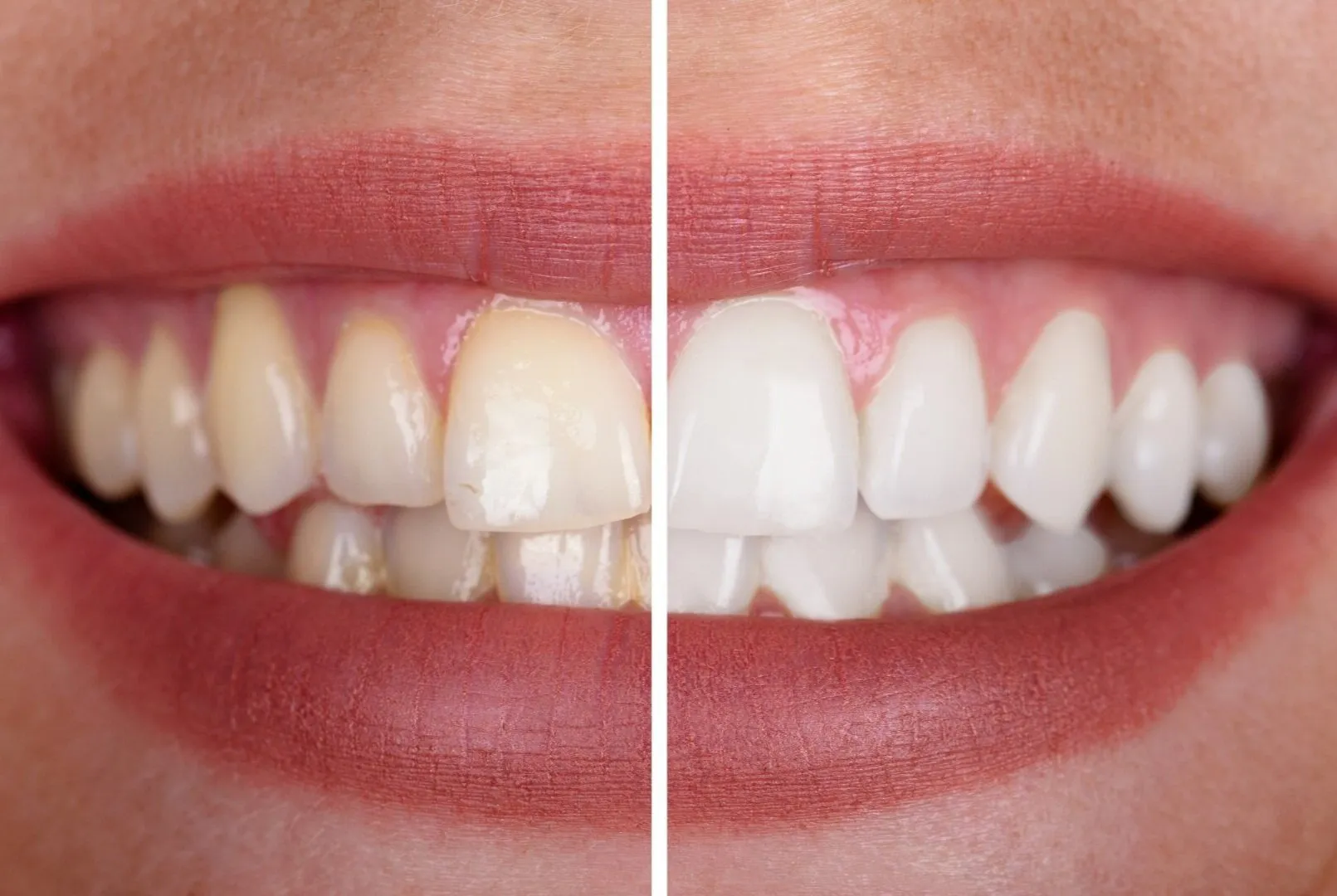
What is Teeth Whitening with Implants?
Teeth whitening with implants involves the process of improving the brightness and color of natural teeth alongside dental implants. It’s a common concern for individuals who have undergone implant procedures and are looking to achieve a uniformly bright smile. The challenge lies in the fact that unlike natural teeth, dental implants, typically made of materials like titanium and ceramic, do not respond to traditional teeth whitening treatments. Therefore, the approach to whitening teeth in the presence of implants requires a nuanced understanding of the materials involved, the whitening methods available, and the realistic expectations one should have. The primary goal is to create a harmonious and aesthetically pleasing result where the natural teeth match the color of the implant crown, leading to a confident and beautiful smile.
Understanding Dental Implants
Dental implants are essentially artificial tooth roots, typically made of biocompatible materials like titanium, that are surgically placed into the jawbone to support replacement teeth. The implant itself fuses with the jawbone in a process known as osseointegration, providing a stable foundation for a dental crown, bridge, or denture. The crown, which is the visible part of the implant, is often made of ceramic materials such as porcelain. The strength and durability of dental implants make them a long-lasting solution for replacing missing teeth. However, the color and shade of the implant crown are selected at the time of placement and cannot be altered in the same way as natural teeth can be whitened. This is a crucial distinction to understand when considering teeth whitening with implants, because it directly impacts the treatment options and outcomes.
The Basics of Teeth Whitening

Teeth whitening, also known as bleaching, is a cosmetic dental procedure designed to lighten the color of teeth and remove stains and discoloration. This process usually involves the use of bleaching agents, typically containing hydrogen peroxide or carbamide peroxide, which penetrate the enamel and dentin to break down stain molecules. Teeth whitening can be performed professionally by a dentist, using stronger concentrations of whitening agents, or at home with over-the-counter products like whitening strips or trays. The effectiveness of teeth whitening depends on the type and severity of stains, as well as the individual’s tooth structure and natural tooth color. It’s important to consult with a dentist before starting any teeth whitening treatment to determine the best approach and rule out any underlying dental issues.
Can You Whiten Implant Teeth?
The short answer is no; you generally cannot whiten the implant itself. The ceramic or porcelain material used for the crown of a dental implant does not respond to teeth whitening agents in the same way as natural tooth enamel. The whitening agents work by breaking down the stains and discoloration in the enamel, but they do not have the same effect on the materials used for implant crowns. Any whitening treatments will only affect the natural teeth surrounding the implant. This means that if you’re seeking a uniformly bright smile, the dentist must address the color match between the natural teeth and the implant crown. Options may include replacing the crown to match the newly whitened teeth or adjusting the shade of the natural teeth to match the existing implant crown.
Implant Materials and Whitening
The materials used in dental implants, particularly the crown, play a critical role in the teeth whitening process. The implant itself is usually made of titanium, which is a biocompatible metal that integrates with the jawbone. However, the visible part of the implant, the crown, is most often made of porcelain or zirconia. These materials are chosen for their durability, strength, and aesthetic properties. While these materials are stain-resistant, they do not lighten in response to whitening agents. Therefore, it is essential to understand that the existing color of the implant crown is the color you will maintain unless replaced. This understanding is vital when considering teeth whitening, as the focus shifts to the natural teeth and how to achieve a harmonious color match with the implant crown.
What to Expect During the Whitening Process

When undergoing teeth whitening with implants, the process is slightly different compared to whitening natural teeth alone. Before starting, your dentist will assess your overall oral health, including the condition of your implants and natural teeth. They will determine the appropriate whitening method for your natural teeth, considering the desired shade and the color of the implant crown. During the whitening procedure, your dentist may use a high-concentration whitening agent and take steps to protect your gums and any exposed root surfaces. You might experience some tooth sensitivity during and after the treatment, which is a common side effect of teeth whitening. The results will vary depending on the individual, but the goal is to lighten the natural teeth to match or complement the implant crown for a cohesive and aesthetically pleasing smile.
Teeth Whitening Methods for Natural Teeth
There are several teeth whitening methods available for natural teeth, ranging from professional treatments at the dentist’s office to at-home options. Professional whitening often involves a high-concentration bleaching agent applied by a dentist, with immediate results. At-home options include whitening strips, trays, and toothpastes containing mild bleaching agents. The effectiveness of each method depends on factors such as the concentration of the whitening agent, the duration of the treatment, and the severity of the stains. Your dentist can guide you on the most suitable method for your specific needs and the desired outcome, ensuring that the whitening process is safe and effective while accounting for the presence of dental implants.
Teeth Whitening Methods for Implanted Teeth
Since the implant crown itself doesn’t whiten, the focus when whitening with implants is on the surrounding natural teeth. Professional teeth whitening is often used in the dentist’s office, where stronger bleaching agents can be applied safely. Custom-made trays are also made to apply a whitening gel at home, using a lower concentration over a longer duration. These methods must be carefully managed to prevent any uneven results, as the natural teeth will lighten while the implant crown remains unchanged. The ultimate goal is to create a seamless transition between the natural teeth and the implant crown, making the smile appear bright and unified. It may be necessary to replace the implant crown to match the newly whitened shade of the natural teeth, to achieve a consistent and aesthetically pleasing outcome.
Top 5 Things to Consider

- Material Compatibility
- Consultation is Key
- Maintenance and Aftercare
- Realistic Expectations
- Potential Risks and Complications
Material Compatibility
Understanding the materials involved is crucial. The crown material (usually porcelain or zirconia) won’t whiten, so focus on your natural teeth. This influences your whitening method and the desired results. The choice of whitening agent must be compatible with your existing restorations, and a dentist can help you evaluate this. The materials must be chosen based on their biocompatibility and durability, ensuring long-term aesthetic and functional success. Proper compatibility will avoid damage to your existing dental work and achieve the best color match between your natural and artificial teeth.
Consultation is Key
Always consult with your dentist before starting any teeth whitening treatment, especially when you have dental implants. A thorough examination is essential to evaluate your overall oral health, the condition of your implants, and the shade of your natural teeth and implant crown. This will allow the dentist to recommend the most suitable whitening method for your individual needs, as well as help you understand the potential outcomes and limitations of the procedure. The consultation is a vital step to discuss any potential risks and set realistic expectations, ensuring that you are well-informed and comfortable with the proposed treatment plan.
Maintenance and Aftercare

Proper maintenance and aftercare are crucial to maintain the results of your teeth whitening treatment and to ensure the longevity of your dental implants. Following your dentist’s instructions is critical, which might involve using a special toothpaste, avoiding staining foods and drinks, and attending regular dental check-ups and cleanings. Proper oral hygiene, including brushing and flossing, is essential to remove plaque and prevent staining. Regular visits to your dentist will help maintain the whiteness of your natural teeth and ensure the overall health and aesthetics of your smile, while also preserving the integrity of your dental implants.
Realistic Expectations
It is essential to have realistic expectations about the outcomes of teeth whitening with implants. Remember that the implant crown itself will not change color, and the goal is to create a cohesive, natural-looking smile. The whitening process will affect only your natural teeth. Therefore, your dentist might recommend replacing the implant crown to match the newly whitened shade of your natural teeth. Understanding the limitations of the procedure will help you make informed decisions and be satisfied with the final results, leading to a more positive experience and a beautiful smile.
Potential Risks and Complications
Teeth whitening, even with implants, can have potential risks and complications. While it’s generally safe, some individuals may experience temporary tooth sensitivity or gum irritation. It’s important to be aware of these possibilities and to discuss them with your dentist. In some cases, teeth whitening can lead to an uneven color match if the natural teeth lighten while the implant crown remains the same shade. Your dentist will take steps to mitigate these risks, but you should be prepared for possible complications, and know how to care for them. Regular dental check-ups will ensure that any potential issues are addressed promptly, maintaining your oral health and the aesthetics of your smile.
Gum Sensitivity

Gum sensitivity is a common side effect of teeth whitening, as the bleaching agents can irritate the soft tissues in your mouth. This sensitivity can range from mild to moderate and may last for a few days after the whitening treatment. To manage gum sensitivity, your dentist may recommend desensitizing toothpaste or fluoride treatments. It’s essential to follow the dentist’s instructions on how to use the whitening products correctly and to avoid overuse, as this can exacerbate the sensitivity. If you experience persistent or severe sensitivity, contact your dentist immediately for further guidance.
Color Mismatch
A color mismatch can occur when the natural teeth are whitened, but the implant crown remains the original shade. This can make the implant crown appear darker than the surrounding teeth, leading to an uneven smile. To avoid a color mismatch, your dentist will carefully assess the shade of the natural teeth and the implant crown before starting the whitening process. In some cases, it might be necessary to replace the implant crown with a new one that matches the whitened teeth. Careful planning and communication with your dentist are crucial to achieve a harmonious and aesthetically pleasing result.
Alternatives to Teeth Whitening
If teeth whitening is not the ideal solution or if you have significant discoloration or damage to your teeth, there are alternative cosmetic dental procedures you can consider. These procedures can address a wider range of issues and offer a more comprehensive approach to enhancing your smile. Consulting your dentist to determine the most suitable option for your specific needs and aesthetic goals is important. Some of these include veneers and bonding.
Veneers

Dental veneers are thin shells, typically made of porcelain, that are bonded to the front surface of your teeth. They can be used to correct various cosmetic issues, such as discoloration, chips, cracks, and gaps. Veneers can also provide a more natural and aesthetic result compared to other options. They are custom-made to match the shade and shape of your natural teeth, offering a long-lasting solution for enhancing your smile. Veneers provide a durable and aesthetically pleasing result, requiring minimal maintenance and providing an enhanced smile.
Bonding
Dental bonding is a cosmetic procedure where a tooth-colored resin is applied to the tooth and hardened with a special light, bonding it to the tooth. This can be used to repair chips, cracks, and other minor imperfections. It can also improve the shape and color of the teeth. Bonding is a less invasive and more affordable option than veneers, and it can be completed in a single visit. It is best suited for minor cosmetic issues, and is a good option for quick improvements, offering a convenient solution for enhancing your smile.
Conclusion
Teeth whitening with implants requires a careful understanding of the procedure, the materials involved, and realistic expectations. While you cannot whiten the implant crown itself, the focus is on whitening the surrounding natural teeth to achieve a harmonious, beautiful smile. Consulting with your dentist is essential for a thorough assessment, personalized recommendations, and a safe, effective whitening experience. With proper care, maintenance, and a clear understanding of the process, you can achieve a bright and confident smile, even with dental implants. By understanding the nuances of teeth whitening in conjunction with implants and staying informed, you are well-equipped to make the best decisions for your dental health.