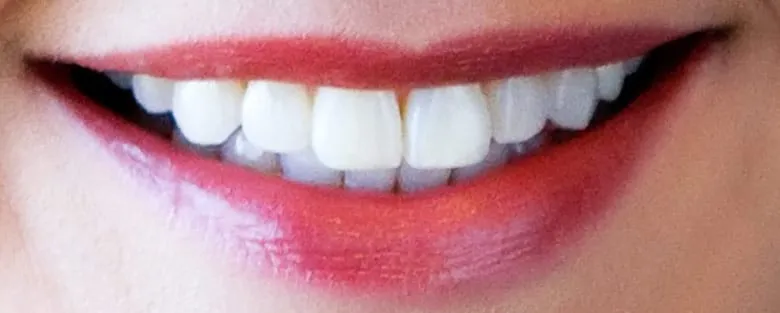
Understanding Tooth Whitening
Tooth whitening is a popular cosmetic dental procedure designed to lighten the shade of your teeth and enhance your smile. Over time, teeth can become stained or discolored due to factors like aging, dietary habits, smoking, and certain medications. Tooth whitening treatments aim to restore a brighter, more youthful appearance to your teeth. This guide provides a comprehensive overview of the different types of tooth whitening procedures, their potential risks, and how to achieve a dazzling smile while prioritizing your oral health.
What is Tooth Whitening
Tooth whitening, also known as teeth bleaching, involves using bleaching agents to remove stains and discoloration from the enamel and dentin of your teeth. These agents typically contain hydrogen peroxide or carbamide peroxide, which break down into oxygen molecules that penetrate the tooth’s surface. These oxygen molecules react with the stain molecules, breaking them apart and making them less visible, thereby lightening the overall shade of the tooth. The effectiveness of tooth whitening can vary depending on the type of stains, the concentration of the bleaching agent, and the duration of the treatment. Different methods, such as in-office procedures and at-home kits, offer different levels of control and results.
Types of Tooth Whitening Procedures

There are several methods for tooth whitening, each offering different levels of convenience, cost, and results. These methods generally fall into two main categories in-office whitening and at-home whitening. The best choice for you will depend on your individual needs and the recommendations of your dentist. Understanding the various options allows you to make an informed decision and achieve the desired results safely and effectively. It is always best to consult with your dentist to discuss the most appropriate type of tooth whitening treatment for your specific situation.
In-Office Whitening
In-office whitening, also known as professional teeth whitening, is performed by a dentist or dental hygienist in a dental office. This method typically involves a stronger concentration of bleaching agents than at-home kits, yielding faster and more dramatic results. The procedure often includes isolating the gums and soft tissues to protect them from the bleaching agent. The whitening gel is then applied to the teeth, and a special light or laser might be used to accelerate the process. In-office whitening can provide a significant improvement in tooth shade in a single visit, making it a convenient option for those seeking immediate results. The professional setting allows for careful monitoring and management of potential side effects like tooth sensitivity.
At-Home Whitening
At-home whitening options offer greater flexibility and convenience, allowing you to whiten your teeth in the comfort of your own home. These methods typically involve custom-fitted trays provided by your dentist or over-the-counter whitening products such as strips and toothpastes. Dentist-provided trays often use a lower concentration of bleaching agent compared to in-office procedures, requiring several days or weeks of treatment to achieve desired results. Over-the-counter products are generally less potent and may provide more gradual whitening. It is important to follow the instructions carefully and consult with your dentist to ensure you are using the product safely and effectively, minimizing the risk of side effects.
Whitening Toothpaste and Products

Whitening toothpastes and other over-the-counter products can also contribute to a brighter smile. These products often contain mild abrasives or chemical agents that help remove surface stains. While they can be effective at removing mild stains and maintaining the whiteness of your teeth, they typically do not alter the intrinsic color of the teeth like professional whitening treatments. The effectiveness of these products varies, and it is essential to choose a toothpaste that is gentle on your enamel to avoid excessive abrasion. Whitening toothpastes are best used as a part of your daily oral hygiene routine to help keep your teeth looking bright.
Does Tooth Whitening Damage Teeth
The question of whether tooth whitening damages teeth is a common concern. While tooth whitening is generally considered safe, it’s important to understand the potential risks and how to minimize them. The safety of tooth whitening depends on several factors, including the type of whitening method used, the concentration of the bleaching agent, and the individual’s oral health. While some side effects are common and temporary, certain practices can increase the risk of long-term damage. Always consult your dentist to make sure that tooth whitening is safe and effective for your specific needs. They will evaluate your current oral health and guide you through the safest whitening options.
The Science Behind Tooth Sensitivity
Tooth sensitivity is one of the most common side effects of tooth whitening. The bleaching agents used in whitening penetrate the enamel and dentin, which can temporarily irritate the nerves in your teeth. This can cause sensitivity to hot or cold foods and beverages. The level of sensitivity varies from person to person and depends on factors such as the concentration of the bleaching agent and the length of the treatment. Typically, tooth sensitivity resolves shortly after the whitening treatment is completed. Your dentist can provide recommendations for managing tooth sensitivity, such as using desensitizing toothpaste or fluoride treatments to help reduce the sensitivity.
How Whitening Affects Enamel

The enamel is the outer protective layer of your teeth, and it is essential to maintain its integrity to prevent damage. The bleaching agents used in tooth whitening can temporarily dehydrate the enamel, making it more porous. This can make the teeth more susceptible to staining and can increase sensitivity. However, the enamel typically rehydrates and remineralizes after the whitening process, returning to its normal state. It’s important to follow your dentist’s instructions carefully and avoid excessive use of whitening products to minimize any potential impact on the enamel. Using a fluoride-rich toothpaste and maintaining good oral hygiene can also help strengthen your enamel.
Factors Influencing Tooth Damage
Several factors can influence the potential for tooth damage during tooth whitening. Using a high concentration of bleaching agent or prolonged treatment can increase the risk of tooth sensitivity and enamel damage. Existing dental issues, such as cavities, cracks, or gum disease, can also make your teeth more vulnerable to the effects of whitening. Additionally, if you have pre-existing tooth sensitivity or thin enamel, you may be more likely to experience discomfort or damage. It is important to disclose your medical history to your dentist. They will consider these factors when recommending a whitening treatment and will provide you with the right product and instructions to ensure a safe and effective experience.
Side Effects of Tooth Whitening
While tooth whitening is generally safe, it is important to be aware of the potential side effects. These side effects are often temporary and can be managed with proper care and guidance from your dentist. Understanding the common side effects can help you prepare for the procedure and minimize any discomfort. Your dentist can help you choose the safest and most effective whitening treatment for your specific situation, considering any pre-existing conditions or sensitivity.
Tooth Sensitivity

Tooth sensitivity is the most common side effect of tooth whitening. This can manifest as a sharp pain or discomfort when consuming hot or cold foods and beverages. The intensity of sensitivity varies from person to person and usually subsides within a few days after completing the whitening treatment. Using desensitizing toothpaste containing potassium nitrate or fluoride can help reduce tooth sensitivity. Your dentist may also recommend other treatments, such as fluoride treatments or special gels, to provide relief. Avoiding acidic foods and beverages can also help manage tooth sensitivity during the whitening process.
Gum Irritation
Gum irritation is another common side effect of tooth whitening, particularly if the bleaching agent comes into contact with the gums. This can result in mild inflammation, redness, and tenderness. In-office whitening procedures carefully protect the gums with barriers, such as rubber dams or cheek retractors, to minimize this risk. With at-home whitening treatments, using custom-fitted trays can help prevent the bleaching agent from leaking onto the gums. If gum irritation occurs, it typically resolves within a few days after stopping the treatment. Rinse your mouth with water or a saline solution, and consult with your dentist if the irritation is severe or persistent.
Other Potential Risks
Besides tooth sensitivity and gum irritation, other potential, though less common, risks of tooth whitening include uneven whitening, allergic reactions, and damage to existing dental work. Uneven whitening can occur if some areas of the teeth whiten more than others or if the whitening agent doesn’t penetrate evenly. Existing dental work, such as fillings, crowns, or veneers, will not whiten with the same process. Allergic reactions to the bleaching agents are rare but can occur. Consulting your dentist before undergoing any whitening treatment is essential, especially if you have pre-existing dental work or any known allergies. They will assess your oral health and guide you to the safest treatment options.
How to Minimize Risks and Damage

Taking steps to minimize the risks and potential damage from tooth whitening is crucial for maintaining your oral health. Consulting with your dentist and following their recommendations are key steps. Choosing the appropriate whitening method, practicing good oral hygiene, and following aftercare instructions can all help ensure a safe and effective whitening experience. When you’re diligent in these practices, you can achieve a brighter smile without compromising your dental health. Always prioritize the advice of your dentist and seek professional guidance to maintain a healthy and beautiful smile.
Choosing the Right Whitening Method
Selecting the right tooth whitening method depends on several factors, including your desired results, your budget, and your individual oral health. In-office whitening offers faster results and is performed under the supervision of a dentist, while at-home whitening provides more flexibility and convenience. Over-the-counter products like strips and toothpastes can be effective for mild stains and maintaining the whiteness of your teeth. Considering the potential risks and benefits, and consulting with your dentist, is the best way to make an informed decision. They will assess your teeth and recommend the most appropriate and safe treatment based on your individual needs and dental health.
Consulting a Dentist
Consulting with your dentist before undergoing any tooth whitening treatment is essential. Your dentist can evaluate your oral health, identify any underlying issues, and recommend the most appropriate whitening method for you. They can also discuss the potential risks and benefits of each treatment option and help you manage any side effects. Professional guidance from a dentist ensures you receive the safest and most effective whitening experience. They can provide custom trays, assess your teeth for sensitivity, and monitor your progress throughout the whitening process. Regular dental checkups are crucial for maintaining a healthy smile.
Aftercare and Maintenance

Proper aftercare is crucial to maintain your whitened smile and minimize any potential risks. Following your dentist’s instructions is essential. This typically includes avoiding staining foods and beverages like coffee, tea, red wine, and dark-colored sauces for a certain period after the treatment. Maintain good oral hygiene by brushing twice a day with a soft-bristled toothbrush, flossing daily, and using a fluoride toothpaste. Using a desensitizing toothpaste can help manage any tooth sensitivity. Regular dental checkups and cleanings are also essential for maintaining your bright smile and overall oral health. Following the dentist’s instructions ensures long-lasting results and good oral health.
Alternatives to Tooth Whitening
If tooth whitening is not suitable for your situation, or if you are looking for other ways to enhance your smile, there are several alternatives to consider. These include dental veneers, dental bonding, and other cosmetic procedures. Consulting your dentist is the best way to determine the most appropriate option for your specific needs and desired results. They can assess your oral health and discuss the potential benefits and risks of each alternative. Making an informed decision will ensure you achieve the desired outcome safely and effectively. Each of these options can give you a brighter and more aesthetically pleasing smile.
Dental Veneers
Dental veneers are thin, custom-made shells that are bonded to the front surface of your teeth. They are typically made of porcelain or composite resin and can be used to correct a variety of cosmetic issues, including discoloration, chips, cracks, and gaps. Veneers offer a durable and natural-looking solution for enhancing your smile. They are resistant to stains and can last for many years with proper care. The process involves preparing the teeth by removing a small amount of enamel, taking impressions, and then bonding the veneers. Veneers can significantly improve the aesthetics of your smile.
Dental Bonding

Dental bonding is a cosmetic procedure where a tooth-colored resin is applied to your teeth to improve their appearance. This procedure is often used to repair chipped or cracked teeth, close gaps, or change the shape or color of teeth. The bonding process involves preparing the tooth, applying the resin, shaping it to match your teeth, and then hardening it with a special light. Bonding is a cost-effective option compared to veneers, but it is not as durable. It can be a good choice for minor cosmetic imperfections and provides a relatively quick and simple way to enhance your smile. Always discuss the best option for your teeth with your dentist.
Other Options
Beyond veneers and bonding, other cosmetic dental options include teeth reshaping, dental implants, and full mouth reconstructions. Teeth reshaping involves altering the shape of teeth to improve their appearance. Dental implants are used to replace missing teeth. Full mouth reconstructions combine various procedures to address multiple dental issues and restore the overall health and aesthetics of your smile. The best option depends on your needs and your dentist’s recommendations. Your dentist will assess your teeth and recommend the most effective and appropriate solution to improve your smile and oral health.