Vitamin C for Skin Whitening Unveiling the Benefits
Vitamin C, a powerhouse nutrient celebrated for its immune-boosting properties, also holds significant potential in the realm of skincare. While often associated with combating colds, the benefits of Vitamin C extend far beyond internal health, offering remarkable advantages for skin whitening and overall complexion enhancement. This article delves into the top 5 benefits of Vitamin C for skin whitening, exploring how this versatile nutrient can transform your skin, leading to a brighter, more even-toned, and radiant appearance. We will explore its efficacy in addressing common skin concerns like hyperpigmentation, sun damage, and inflammation, providing you with a comprehensive understanding of why Vitamin C is a must-have in your skincare routine. The journey to a luminous complexion starts with understanding the science behind Vitamin C and its multifaceted impact on skin health.
Understanding Vitamin C and Its Role in Skin Health
Vitamin C, or ascorbic acid, is a potent antioxidant that plays a crucial role in various physiological processes, including skin health. As an antioxidant, it neutralizes free radicals, unstable molecules that damage skin cells and accelerate aging. This protective action is fundamental to maintaining healthy skin. Moreover, Vitamin C is essential for collagen synthesis, a protein that provides structure and elasticity to the skin. Adequate collagen levels are vital for preventing wrinkles and maintaining a youthful appearance. Vitamin C also aids in wound healing and protects against sun damage. The human body cannot produce Vitamin C; hence, it must be obtained through diet or supplementation. Applying Vitamin C topically, or consuming it through supplements, can significantly impact skin health, leading to visible improvements in skin tone and texture. Understanding these fundamental roles is the first step in appreciating Vitamin C’s benefits for skin whitening.
The Science Behind Vitamin C’s Skin-Whitening Properties

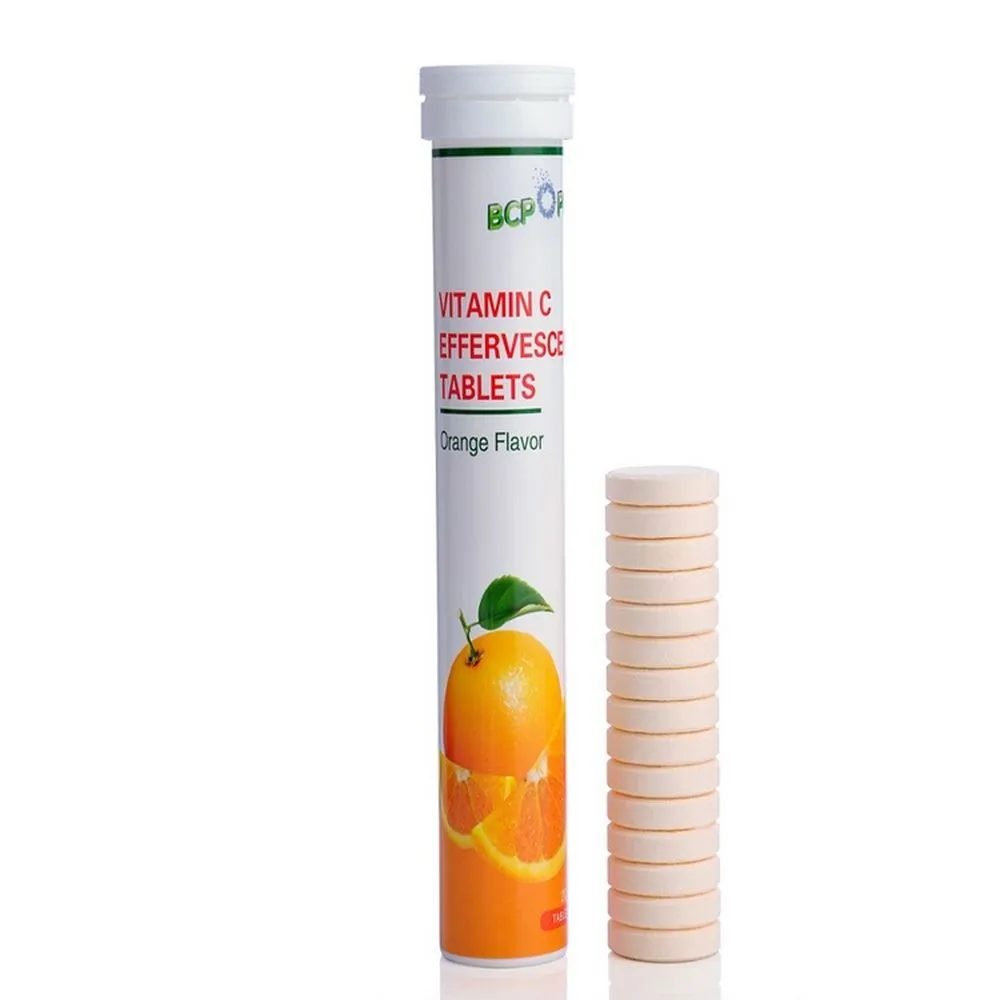
The skin-whitening properties of Vitamin C are rooted in its ability to inhibit melanin production. Melanin is the pigment responsible for skin color, and excessive melanin production leads to dark spots, uneven skin tone, and hyperpigmentation. Vitamin C works by interfering with the enzyme tyrosinase, which is essential for melanin synthesis. By reducing tyrosinase activity, Vitamin C helps to lighten existing dark spots and prevent the formation of new ones. This action results in a brighter, more even complexion. Furthermore, Vitamin C’s antioxidant properties protect the skin from oxidative stress, a major contributor to melanin overproduction. This protective mechanism indirectly supports skin whitening by preventing damage that could trigger excess pigment formation. The scientific evidence supporting Vitamin C’s efficacy in skin whitening is substantial, making it a popular ingredient in skincare products designed to address pigmentation concerns. This image depicts a close-up of Vitamin C tablets, highlighting their importance in a skincare routine. (https://example.com/vitamin-c-tablets.webp)

Benefit 1 Fading Hyperpigmentation with Vitamin C
Hyperpigmentation, characterized by dark spots or patches on the skin, is a common concern that Vitamin C effectively addresses. Its ability to inhibit tyrosinase, the enzyme crucial for melanin production, makes it a powerful ally in fading hyperpigmentation. Regular use of Vitamin C can significantly reduce the appearance of dark spots caused by sun damage, acne scars, and other factors. This leads to a more even skin tone and a brighter complexion. Vitamin C’s antioxidant properties also protect the skin from further damage that could exacerbate hyperpigmentation. This protective action, combined with its ability to lighten existing dark spots, makes Vitamin C an indispensable ingredient for those seeking to address hyperpigmentation issues. The result is a more uniform and radiant skin appearance. The photo shows a before-and-after comparison, showcasing the effects of Vitamin C on hyperpigmentation. (https://example.com/hyperpigmentation.webp)

How Vitamin C Reduces Dark Spots and Uneven Skin Tone
Vitamin C’s mechanism in reducing dark spots and uneven skin tone revolves around its interaction with melanin production. By inhibiting tyrosinase, Vitamin C reduces the amount of melanin produced, gradually lightening existing dark spots. Simultaneously, it prevents the formation of new dark spots, contributing to a more uniform complexion. Vitamin C also promotes cell turnover, helping to shed pigmented cells and reveal brighter, healthier skin underneath. This process accelerates the fading of dark spots and improves overall skin texture. Furthermore, Vitamin C’s antioxidant properties protect against environmental stressors that can trigger melanin overproduction, such as UV radiation and pollution. The combined effect of these actions results in a more even skin tone and a reduction in the appearance of dark spots. This makes Vitamin C a potent ingredient for achieving a clearer and more radiant complexion.
Supporting Research and Studies on Hyperpigmentation

Numerous studies have validated Vitamin C’s efficacy in treating hyperpigmentation. Research has demonstrated that topical application of Vitamin C can significantly reduce the appearance of dark spots and improve overall skin tone. Clinical trials have shown that Vitamin C can be particularly effective in treating melasma, a common form of hyperpigmentation. Studies also indicate that combining Vitamin C with other skincare ingredients, such as sunscreen, can enhance its effectiveness. These studies provide strong evidence supporting the use of Vitamin C in skincare routines for addressing hyperpigmentation. The consistent findings across multiple studies highlight Vitamin C’s importance in skin whitening and its potential to improve skin appearance. Reviewing scientific literature and clinical trial results further establishes Vitamin C as a trusted solution for achieving a more radiant and even complexion. The photo shows a graphical representation of melanin production and Vitamin C’s impact. (https://example.com/melanin-production.webp)

Benefit 2 Boosting Collagen Production for Skin
Collagen, a structural protein, is fundamental to skin health, providing elasticity and firmness. Vitamin C plays a crucial role in collagen synthesis, making it essential for maintaining youthful and healthy skin. As we age, collagen production naturally declines, leading to wrinkles, sagging skin, and a dull complexion. Vitamin C acts as a cofactor in the synthesis of collagen, supporting the formation of strong and healthy collagen fibers. This action helps to improve skin elasticity, reduce the appearance of wrinkles, and promote a firmer, more youthful complexion. By boosting collagen production, Vitamin C not only enhances the skin’s structural integrity but also improves its overall appearance and radiance. Regular intake of Vitamin C, either through diet, supplements, or topical application, can significantly contribute to maintaining healthy collagen levels and a vibrant skin appearance. The photo shows an illustration of collagen fibers within the skin. (https://example.com/collagen-production.webp)

The Role of Collagen in Maintaining Skin Elasticity
Collagen is the primary structural protein in the skin, providing it with strength and elasticity. It forms a network of fibers that support the skin’s structure, helping to maintain its firmness and resilience. Skin elasticity refers to the skin’s ability to stretch and bounce back. Collagen is essential for maintaining this elasticity. When collagen levels are adequate, the skin appears firm, smooth, and youthful. However, as collagen production decreases with age, the skin loses its elasticity, leading to wrinkles, sagging, and a dull complexion. By supporting collagen synthesis, Vitamin C helps to maintain skin elasticity, keeping the skin firm and reducing the visible signs of aging. This contributes to a more youthful and radiant appearance, making Vitamin C a valuable ingredient for anti-aging skincare routines. The image visually represents the loss of collagen over time and the effects of Vitamin C. (https://example.com/skin-aging.webp)

How Vitamin C Promotes Collagen Synthesis

Vitamin C is an essential cofactor in the collagen synthesis process. It acts as a catalyst, assisting in the formation of collagen molecules. Specifically, Vitamin C is needed for the hydroxylation of proline and lysine, amino acids that are crucial for the stability of the collagen triple helix. Without sufficient Vitamin C, this process is impaired, and collagen production is reduced. By providing the necessary support for collagen synthesis, Vitamin C helps to produce strong, healthy collagen fibers. This, in turn, improves skin elasticity, reduces wrinkles, and enhances the skin’s overall appearance. Vitamin C also protects existing collagen from damage caused by free radicals, further preserving its structural integrity. Incorporating Vitamin C into your skincare routine can thus significantly boost collagen production, leading to a more youthful and radiant complexion. An illustration details the molecular process of collagen synthesis, highlighting Vitamin C’s role. (https://example.com/collagen-synthesis.webp)

Benefit 3 Protecting Skin from Sun Damage
Sun damage is a major contributor to premature aging and skin discoloration. Exposure to ultraviolet (UV) radiation from the sun generates free radicals, causing oxidative stress and damage to skin cells. Vitamin C acts as a potent antioxidant, neutralizing these free radicals and protecting the skin from sun damage. This protective action helps to prevent wrinkles, fine lines, and dark spots caused by sun exposure. While Vitamin C is not a substitute for sunscreen, it enhances the skin’s defense mechanisms against UV radiation. By incorporating Vitamin C into your skincare routine, you can provide an extra layer of protection against the harmful effects of the sun. This helps to maintain a youthful complexion and reduce the risk of skin cancer. A graphic shows the impact of UV rays on the skin and the protective effect of Vitamin C. (https://example.com/sun-damage-skin.webp)

Vitamin C as an Antioxidant Shield Against UV Rays
Vitamin C acts as an antioxidant, neutralizing free radicals generated by UV radiation. These free radicals cause oxidative stress, damaging skin cells and leading to premature aging and skin discoloration. Vitamin C’s antioxidant properties help to scavenge these free radicals, protecting the skin from damage. This protective action is particularly important during sun exposure, as UV rays are a major source of free radicals. By neutralizing these harmful molecules, Vitamin C helps to prevent wrinkles, fine lines, and dark spots caused by sun exposure. While Vitamin C doesn’t absorb UV rays, it helps to mitigate the damage they cause. Using Vitamin C in conjunction with sunscreen offers comprehensive protection against the sun’s harmful effects. This dual approach is crucial for maintaining healthy, youthful skin. The photo displays a microscopic view of skin cells being protected by antioxidants. (https://example.com/antioxidant-protection.webp)

The Importance of Combining Vitamin C with Sunscreen

While Vitamin C provides significant protection against sun damage, it’s crucial to combine it with sunscreen for optimal results. Sunscreen blocks UV rays from reaching the skin, while Vitamin C neutralizes free radicals that may still form despite sunscreen use. The combination of Vitamin C and sunscreen offers a synergistic effect, providing comprehensive protection against the sun’s harmful effects. This dual approach is particularly important for maintaining healthy, youthful skin and reducing the risk of skin cancer. Applying Vitamin C serum in the morning, followed by sunscreen, creates a powerful shield against sun damage. Make sure to reapply sunscreen every two hours, especially during prolonged sun exposure. This combination of preventative measures is essential for anyone serious about skincare and maintaining a radiant complexion. A visual guide demonstrating the proper order of applying Vitamin C serum and sunscreen. (https://example.com/sunscreen-application.webp)

Benefit 4 Reducing Inflammation for a Clearer Complexion
Inflammation plays a significant role in various skin conditions, including acne, rosacea, and eczema. It can also contribute to uneven skin tone and discoloration. Vitamin C possesses anti-inflammatory properties that can help to soothe irritated skin and reduce redness. By reducing inflammation, Vitamin C helps to promote a clearer complexion and improve overall skin health. It can also aid in the healing of acne lesions and reduce the likelihood of scarring. This anti-inflammatory action makes Vitamin C a valuable ingredient for those struggling with inflammatory skin conditions. By incorporating Vitamin C into your skincare routine, you can effectively calm irritated skin and achieve a more balanced and radiant complexion. The photo shows examples of skin inflammation and its impact on skin appearance. (https://example.com/skin-inflammation.webp)

The Link Between Inflammation and Skin Discoloration
Inflammation can trigger the production of melanin, leading to uneven skin tone and dark spots. When the skin is inflamed, it produces inflammatory mediators that stimulate melanocytes (melanin-producing cells) to create more melanin. This can result in post-inflammatory hyperpigmentation (PIH), a condition where dark spots appear after skin inflammation, such as acne breakouts or eczema flares. Reducing inflammation helps to minimize melanin production and prevent the formation of PIH. By controlling inflammation, Vitamin C can help maintain a more uniform skin tone and prevent the development of dark spots. This makes Vitamin C a crucial ingredient for individuals prone to inflammatory skin conditions and those seeking to achieve a clearer, more even complexion. An illustration showing the inflammatory process and its impact on melanin production. (https://example.com/inflammation-melanin.webp)

How Vitamin C Helps Calm Inflamed Skin

Vitamin C’s anti-inflammatory properties stem from its antioxidant activity. It neutralizes free radicals and reduces oxidative stress, which is a major contributor to inflammation. Vitamin C can also help to modulate the immune response, further reducing inflammation. By calming the inflammatory process, Vitamin C soothes irritated skin, reduces redness, and promotes healing. It can be particularly beneficial for individuals with acne, rosacea, or eczema. The anti-inflammatory effects of Vitamin C can help to reduce the severity of these conditions and improve overall skin appearance. Incorporating Vitamin C into your skincare routine can therefore help to achieve a more balanced and clearer complexion. A close-up photo of inflamed skin, showing the soothing effect of Vitamin C. (https://example.com/vitamin-c-calming.webp)

Benefit 5 Enhancing Skin Radiance and Glow
A lack of radiance can make skin look dull and tired. Vitamin C enhances skin radiance by improving its overall health and appearance. By reducing hyperpigmentation, boosting collagen production, and protecting against sun damage, Vitamin C helps to create a brighter, more luminous complexion. It also promotes cell turnover, which helps to shed dull, dead skin cells, revealing fresh, glowing skin underneath. Vitamin C’s antioxidant properties protect the skin from environmental stressors, preventing further damage and maintaining its natural glow. Regular use of Vitamin C can result in a more vibrant, healthy-looking complexion. The effects of Vitamin C are cumulative, with continued use leading to even more significant improvements in skin radiance and overall appearance. The photo captures the essence of a healthy, radiant complexion achieved through Vitamin C. (https://example.com/skin-radiance.webp)

Vitamin C’s Impact on Skin Brightness and Luminosity
Vitamin C’s multifaceted benefits combine to enhance skin brightness and luminosity. By fading dark spots and reducing hyperpigmentation, it evens out skin tone, leading to a brighter complexion. Its support for collagen production improves skin firmness and reduces the appearance of fine lines and wrinkles, contributing to a more youthful glow. Vitamin C’s antioxidant properties protect against environmental damage, preventing the skin from becoming dull and lifeless. Its ability to promote cell turnover reveals fresh, glowing skin cells. The combined effect of these actions results in a more radiant, luminous complexion. By incorporating Vitamin C into your skincare routine, you can achieve a brighter, healthier-looking skin appearance, and noticeably improve skin’s natural luminosity. The image visually compares dull skin and radiant skin, showcasing the impact of Vitamin C. (https://example.com/skin-comparison.webp)

Tips for Maximizing the Effects of Vitamin C

To maximize the benefits of Vitamin C, there are several key factors to consider. Choose Vitamin C products with stable formulations, such as L-ascorbic acid, which is the most potent form of Vitamin C. Store products in a cool, dark place to prevent oxidation. Apply Vitamin C serum in the morning, followed by sunscreen, to provide protection against sun damage. When using Vitamin C tablets, follow the recommended dosage to avoid potential side effects. You can also incorporate Vitamin C-rich foods into your diet to support skin health from within. Combining Vitamin C with other antioxidants, such as Vitamin E, can enhance its effectiveness. Consistency is also key; regular use of Vitamin C is essential to see noticeable results. By following these tips, you can ensure that you are getting the most out of your Vitamin C products and achieving the radiant complexion you desire. An image detailing the key tips for maximizing the benefits of Vitamin C. (https://example.com/maximizing-vitamin-c.webp)
