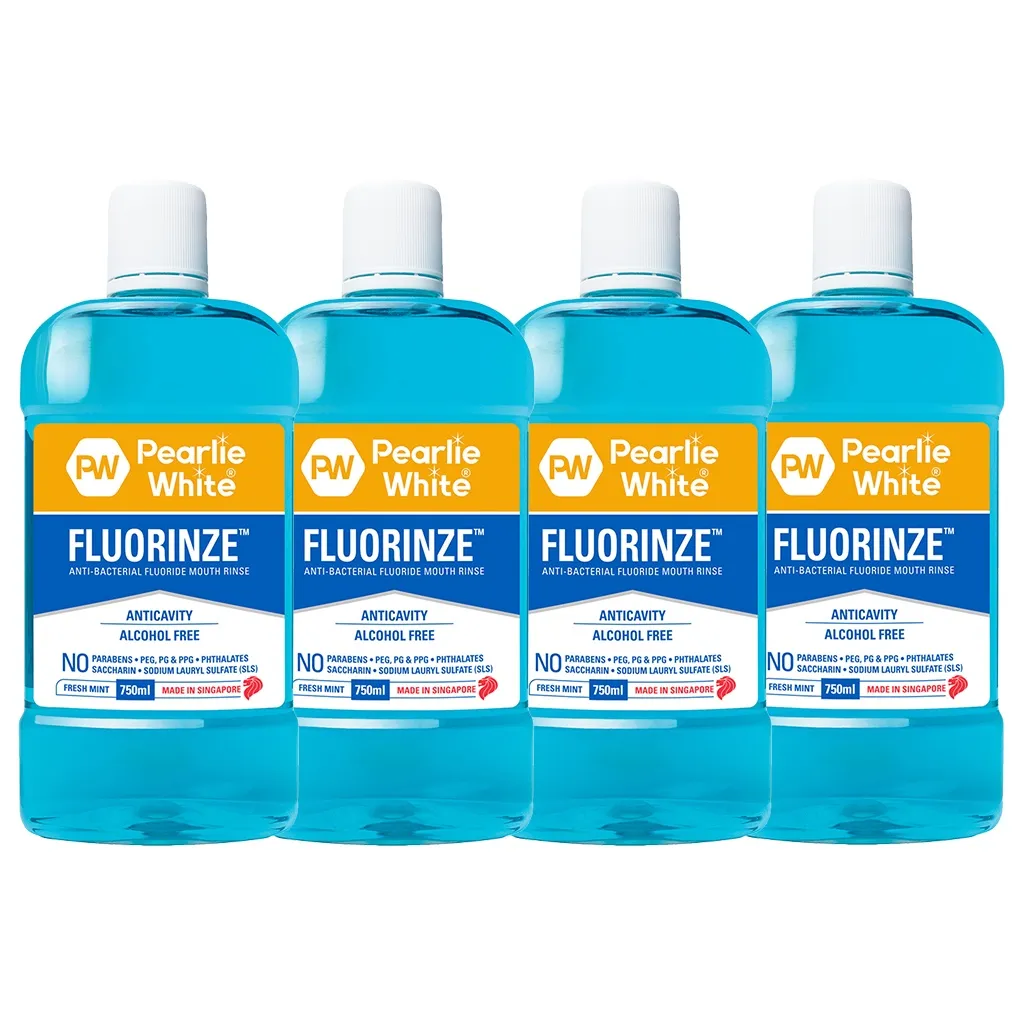
Understanding the Science of Whitening Mouthwash
Achieving a brighter, whiter smile often involves a combination of dental care practices, and one of the most accessible tools in this pursuit is whitening mouthwash with fluoride. But how does it work? The science behind this product is fascinating, focusing on both stain removal and enamel strengthening. Whitening mouthwash employs various active ingredients designed to address discoloration on the tooth’s surface. Simultaneously, fluoride plays a crucial role in strengthening the enamel, which is vital for long-term oral health. This dual action makes whitening mouthwash a compelling option for those seeking a whiter smile and improved dental well-being. The key lies in understanding these processes and how the right product can contribute to a more confident, radiant smile. When selecting a product, understanding the science behind the ingredients will help you pick the best choice, one that’s both effective and gentle on your teeth.
How Fluoride Enhances Whitening
Fluoride, a naturally occurring mineral, is a cornerstone in dental care, and its role extends beyond cavity prevention to support the whitening process. The presence of fluoride in mouthwash strengthens tooth enamel, making it more resistant to stains and erosion. When enamel is robust, it reflects light more effectively, contributing to a brighter appearance. Furthermore, fluoride helps to reduce tooth sensitivity, which can be a side effect of whitening treatments. By reinforcing the enamel structure, fluoride creates a smoother surface less prone to trapping staining particles. This dual action – strengthening enamel and reducing stain adherence – makes fluoride an essential component of any effective whitening mouthwash, offering benefits beyond just a brighter smile. Additionally, fluoride helps in the process of remineralization, which aids in repairing microscopic damage to the enamel caused by acids from food and drinks.
The Role of Fluoride in Remineralization

Remineralization is the process of replenishing minerals in tooth enamel, and fluoride is a key catalyst in this process. Daily activities like eating and drinking introduce acids that can erode the enamel, leading to demineralization, which weakens the teeth and makes them more susceptible to stains and decay. Fluoride aids in the remineralization process by attracting calcium and phosphate ions, which are essential for rebuilding the enamel structure. This not only strengthens the teeth but also reduces the visibility of early-stage stains. By encouraging the redeposition of minerals, fluoride reverses the early effects of acid erosion, contributing to a healthier, more resilient smile. Regular use of fluoride-containing mouthwash supports this ongoing process, offering a proactive approach to maintaining oral health and enhancing the effectiveness of whitening treatments. This is how fluoride helps to not only whiten, but also protect and strengthen your teeth.
Active Ingredients in Whitening Mouthwash
Whitening mouthwashes feature a variety of active ingredients designed to tackle tooth discoloration. One common ingredient is hydrogen peroxide, a mild bleaching agent that helps to lift stains from the tooth’s surface. Other key components include enamel-strengthening agents like fluoride, which supports overall oral health and contributes to the whitening process. Some mouthwashes also contain ingredients such as zinc citrate, which helps to prevent the formation of new stains by inhibiting the growth of stain-causing bacteria. The combination of these active ingredients provides a multi-faceted approach to whitening. Each ingredient plays a vital role in achieving a brighter smile, from breaking down existing stains to fortifying the enamel and preventing future discoloration. When choosing a mouthwash, it’s important to understand the purpose of each active ingredient to ensure it aligns with your specific oral health needs and goals.
Hydrogen Peroxide’s Impact on Teeth
Hydrogen peroxide is a key player in many whitening mouthwashes, acting as a gentle bleaching agent to remove stains. It works by penetrating the enamel and breaking down the molecules that cause discoloration. This process effectively lightens the shade of the teeth, offering a noticeable whitening effect over time. However, it is essential to use hydrogen peroxide-based mouthwashes as directed, as excessive use can potentially lead to increased tooth sensitivity. The concentration of hydrogen peroxide in mouthwash is typically low, making it safe for regular use when following product instructions. It’s advisable to consult with a dentist to understand the potential effects and ensure the chosen product suits your individual needs. The efficacy of hydrogen peroxide is often enhanced when combined with other active ingredients, such as fluoride, that promote overall enamel health, ensuring a brighter, healthier smile.
Other Key Components and Their Functions

Beyond hydrogen peroxide and fluoride, whitening mouthwashes often incorporate other ingredients to enhance their effectiveness. Many contain anti-plaque and anti-gingivitis agents to promote overall oral health. Some products include special abrasives that gently scrub away surface stains, but these are usually carefully formulated to avoid damaging the enamel. Ingredients like xylitol, a natural sweetener, are also added, not only for taste but also for their ability to reduce plaque formation. Certain mouthwashes may feature enzymes that help to break down organic debris, further assisting in stain removal. When selecting a whitening mouthwash, consider the presence of additional beneficial ingredients tailored to address your specific oral health needs. This comprehensive approach, combining whitening with other essential oral care elements, ensures optimal results and long-term benefits for your smile.
Choosing the Right Whitening Mouthwash
Selecting the right whitening mouthwash requires careful consideration of your individual needs and preferences. Different products offer varying levels of whitening effectiveness and include different ingredients. Start by identifying your specific goals - whether you want to remove surface stains or achieve a more significant whitening effect. Consider factors such as the sensitivity of your teeth, which may influence the concentration of active ingredients you can tolerate. Reading product labels is crucial, as it helps you understand the ingredients and their concentrations. Look for products with a balance of whitening agents like hydrogen peroxide and enamel-strengthening components like fluoride. Taking the time to research and compare different mouthwash types, including those specifically designed for sensitive teeth or those with a focus on natural ingredients, can ensure you choose a product that is both effective and suitable for your oral health needs. This will help you to obtain the best possible results and achieve a beautiful, healthy smile.
Identifying Your Needs and Goals
Before selecting a whitening mouthwash, take the time to assess your current oral health and desired outcomes. Are you primarily concerned with removing surface stains caused by coffee, tea, or tobacco? Or are you looking for a more dramatic whitening effect? If you have sensitive teeth, you’ll need to choose a formula with a lower concentration of whitening agents. Evaluating your overall dental health, including any existing conditions like gum disease or enamel erosion, is also essential. Consider your lifestyle and dietary habits, as these can impact the effectiveness and longevity of your results. By clearly defining your needs and goals, you can narrow down your choices and find a product that aligns perfectly with your individual requirements. This approach will help you achieve the best possible outcome and maintain a brighter, healthier smile.
Reading Labels and Understanding Ingredients

A crucial step in choosing the right whitening mouthwash is carefully reading and understanding the product label. Pay close attention to the active ingredients, such as hydrogen peroxide or other whitening agents, and their concentrations. These details determine the product’s effectiveness and can influence the speed of whitening. Also, look for the presence of fluoride, which helps to strengthen your teeth and protect against sensitivity. Check for any potential allergens or ingredients that you may be sensitive to. Examine the instructions for use, paying attention to the recommended frequency and duration of use to maximize its benefits. Comparing the ingredient lists of different products will help you make an informed decision. Taking the time to understand what is in your mouthwash will empower you to choose the right product for your oral health needs and goals.
Comparing Different Mouthwash Types
Whitening mouthwashes come in various formulations, each with unique benefits and potential drawbacks. Some are designed for sensitive teeth, featuring lower concentrations of whitening agents and ingredients to soothe sensitivity. Others focus on natural ingredients, offering a more gentle approach to whitening. When comparing different types, consider factors like the presence of alcohol, which can sometimes cause dryness, and the addition of other active ingredients like anti-plaque agents or breath fresheners. Read reviews and gather insights from dental professionals to understand the potential benefits and side effects of each type. Compare prices and consider whether a specific product aligns with your oral health needs and personal preferences. The goal is to choose a mouthwash that provides the best balance of effectiveness, safety, and comfort, leading to a brighter and healthier smile.
Proper Usage and Application
For effective whitening, it is essential to use your mouthwash correctly. Always follow the instructions on the product label, as different brands may have specific recommendations. Generally, you should rinse with the mouthwash for the recommended duration, typically 30 to 60 seconds. Be sure to swish the liquid thoroughly around your mouth, ensuring it reaches all surfaces of your teeth. Avoid swallowing the mouthwash, and spit it out after rinsing. For best results, use the mouthwash after brushing and flossing, but check the label for any specific instructions on the timing of use. Consistency is key, so incorporate the mouthwash into your daily routine, using it as frequently as recommended. By carefully following these steps, you can maximize the effectiveness of your whitening mouthwash and achieve a brighter, healthier smile.
Step-by-Step Instructions for Effective Use

To get the most out of your whitening mouthwash, follow these step-by-step instructions. First, brush and floss your teeth thoroughly to remove any plaque or food particles. Pour the recommended amount of mouthwash into the cap, usually around 20 ml. Swish the mouthwash vigorously around your mouth for the duration specified on the product label, typically 30 to 60 seconds, ensuring that it reaches all surfaces of your teeth and gums. After rinsing, spit out the mouthwash; do not swallow it. Avoid eating or drinking for at least 30 minutes after use to allow the active ingredients to work effectively. Repeat this process as recommended on the product label, usually once or twice daily, for optimal results. By following these guidelines, you can maximize the effectiveness of your whitening mouthwash and achieve a brighter, more confident smile.
Timing and Frequency for Optimal Results
The timing and frequency of using whitening mouthwash significantly impact its effectiveness. Most products recommend use once or twice daily, ideally after brushing and flossing. Following the instructions on the product label is crucial, as some mouthwashes are designed for use in the morning and evening. Consider incorporating the mouthwash into your morning and evening oral hygiene routines for consistency. Avoid using the mouthwash immediately after eating or drinking acidic foods or beverages, as this could potentially weaken the enamel. For best results, use it consistently and maintain a regular schedule. Adjusting the timing and frequency based on the specific mouthwash and your oral health needs may be necessary, so follow the product instructions and consult with your dentist for personalized guidance. Doing so will help you achieve the most effective whitening results while maintaining healthy teeth and gums.
Avoiding Common Mistakes
While using whitening mouthwash can be beneficial, avoiding common mistakes is essential. Do not overuse the product, as excessive use can lead to increased tooth sensitivity or irritation. Avoid swallowing the mouthwash, as it is not meant for ingestion. Do not rinse with water immediately after use, as this can dilute the active ingredients and reduce their effectiveness. If you experience any unusual discomfort or side effects, such as excessive sensitivity or gum irritation, discontinue use and consult your dentist. Be sure to brush and floss thoroughly before using the mouthwash. Ensure that you are storing the mouthwash properly, away from direct sunlight and in a cool, dry place, to maintain its effectiveness. By avoiding these common errors, you can ensure a safe and effective whitening experience, enhancing your smile without compromising your oral health.
Potential Side Effects and Precautions

While whitening mouthwash is generally safe, being aware of potential side effects and taking necessary precautions is crucial. The most common side effect is increased tooth sensitivity, which can occur due to the action of whitening agents on the enamel. If you experience sensitivity, consider using a mouthwash specifically formulated for sensitive teeth or reducing the frequency of use. Gum irritation can also occur, particularly if the mouthwash is too strong or used excessively. If you experience gum inflammation, discontinue use and consult your dentist. People with existing dental conditions or restorations should consult their dentist before use. Store the product properly, and keep it away from children. Before incorporating whitening mouthwash into your oral care routine, being mindful of the potential risks and taking appropriate precautions will help you to maintain a healthy and beautiful smile.
Sensitivity and How to Manage It
Tooth sensitivity is a common side effect of whitening mouthwash, often caused by the active ingredients interacting with the enamel. If you experience sensitivity, there are several ways to manage it. Use a mouthwash specifically formulated for sensitive teeth, which typically contains lower concentrations of whitening agents and desensitizing ingredients. Reduce the frequency of use or dilute the mouthwash with water, if instructed by your dentist. Avoid consuming very hot or cold foods and drinks, as they can exacerbate sensitivity. Use a soft-bristled toothbrush and brush gently to avoid further irritation. You can also use a toothpaste designed for sensitive teeth to help remineralize your enamel and reduce discomfort. Consult your dentist for additional advice and potential treatments. By taking these steps, you can manage tooth sensitivity effectively and continue to enjoy a brighter smile.
When to Consult a Dentist
It’s important to know when to consult a dentist when using whitening mouthwash. If you experience persistent tooth sensitivity, gum irritation, or any other unusual side effects, discontinue use and seek professional advice. If you have existing dental conditions, such as cavities, gum disease, or restorations, consult your dentist before starting any whitening treatment. A dental professional can assess your oral health, recommend suitable products, and ensure that the whitening process is safe and effective for your specific needs. If the whitening process isn’t producing the desired results, a dentist may recommend alternative treatments or adjust your approach. Regular dental check-ups are essential to monitor your oral health and identify any potential issues. Consulting a dentist ensures that you maintain a healthy smile while achieving your whitening goals.
Maintaining a Bright Smile Long-Term

After achieving a whiter smile with whitening mouthwash, it’s essential to implement strategies for long-term maintenance. Consistency is key, so continue practicing good oral hygiene habits, including brushing twice a day and flossing daily. Regular dental check-ups and cleanings are crucial for removing plaque and tartar, and they help to maintain the brightness of your teeth. Consider using a maintenance mouthwash that contains fluoride to continue strengthening your enamel. Address any dental issues promptly to prevent further staining or discoloration. Be mindful of staining foods and drinks, such as coffee, tea, and red wine, and practice moderation. Using a straw can also help to minimize contact with your teeth. By adopting these practices, you can enjoy a long-lasting, radiant smile and prevent future discoloration.
Dietary Considerations
Your diet plays a significant role in maintaining a bright smile. Certain foods and drinks can stain your teeth, so it’s important to be mindful of your consumption. Minimize the intake of coffee, tea, red wine, and dark-colored berries. Consider using a straw when consuming these beverages to reduce direct contact with your teeth. Incorporate tooth-friendly foods into your diet, such as crunchy fruits and vegetables, which can help to naturally clean your teeth. Dairy products, rich in calcium, help to strengthen the enamel. Stay hydrated by drinking plenty of water, which helps rinse away food particles and promotes saliva production, which can help to neutralize acids. By making conscious dietary choices, you can support the whitening effects of your mouthwash and enjoy a healthy, bright smile for years to come.
Oral Hygiene Practices Beyond Mouthwash
While whitening mouthwash is effective, incorporating other oral hygiene practices will enhance its benefits and help to maintain a bright smile. Brush your teeth thoroughly twice a day using fluoride toothpaste, ensuring you reach all surfaces of your teeth. Floss daily to remove plaque and food particles from between your teeth and along the gumline. Consider using an electric toothbrush, which can provide a more effective and consistent cleaning. Use a tongue scraper to remove bacteria and freshen your breath. Rinse your mouth with water after meals to help remove food particles. Schedule regular dental check-ups and professional cleanings to remove plaque and tartar, and to address any dental issues. By combining whitening mouthwash with these comprehensive oral hygiene practices, you can maximize your oral health and achieve a radiant, long-lasting smile.