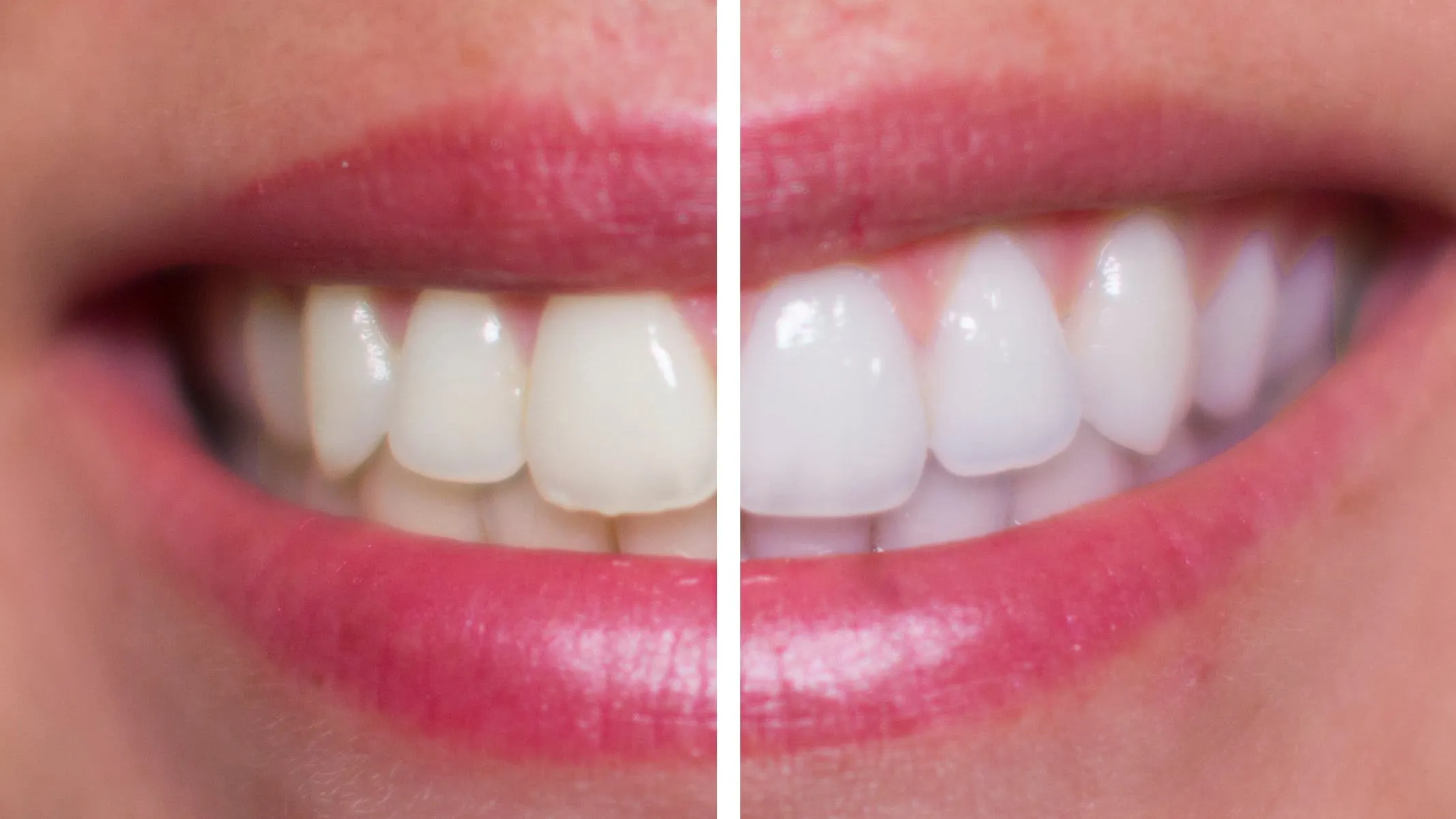
Understanding Teeth Whitening with Peroxide
The quest for a brighter, whiter smile is a common one, and hydrogen peroxide has emerged as a popular solution in teeth whitening. But what exactly is it, and how does it work its magic? Understanding the basics is crucial before embarking on this path. Teeth naturally darken over time due to factors like aging, diet, and lifestyle choices such as smoking. Peroxide offers a relatively accessible way to combat these stains, but it’s important to approach it with knowledge and caution. This guide explores the ins and outs of using peroxide for teeth whitening, providing you with the information needed to make informed decisions about your oral health. It will also cover the best practices, potential risks, and alternative methods to help you achieve the radiant smile you desire.
What is Hydrogen Peroxide and How Does it Work?
Hydrogen peroxide (H2O2) is a chemical compound that acts as a mild oxidizing agent. It’s the active ingredient found in many teeth-whitening products, including mouthwashes, toothpastes, and even some DIY treatments. The whitening effect comes from its ability to break down stain molecules. When peroxide comes into contact with the discolored enamel of your teeth, it releases oxygen molecules. These oxygen molecules then penetrate the enamel, breaking the bonds that hold the stain molecules together. This process effectively lightens the stains, making your teeth appear whiter. The concentration of peroxide is a significant factor. Higher concentrations tend to produce quicker results, but they also come with an increased risk of side effects. This is why following proper guidelines and being cautious about the concentration levels is extremely important.
The Science Behind Peroxide for Whitening

The science of teeth whitening with peroxide involves understanding the tooth’s structure. The outer layer of a tooth is called enamel, and it’s porous, meaning it has tiny holes. These pores can trap stain molecules from foods, drinks, and tobacco, leading to discoloration. Peroxide works by entering these pores and undergoing an oxidation process. During oxidation, the peroxide breaks down the stain molecules, transforming them into smaller, less noticeable compounds. The effectiveness of this process depends on several factors, including the concentration of peroxide, the duration of application, and the specific type of stain. Professional whitening treatments use higher concentrations of peroxide, often activated with a special light to accelerate the process. Home-based treatments typically use lower concentrations to minimize the risk of side effects. Understanding this science helps you appreciate the nuances of teeth whitening and make informed decisions about your approach.
Top 7 Secret Hacks for Teeth Whitening with Peroxide
Hack 1 Dilution is Key
One of the most important secrets to successful and safe peroxide teeth whitening is dilution. Using a highly concentrated solution directly can lead to gum irritation and tooth sensitivity. The ideal concentration for home use is typically between 1.5% and 3%. Higher concentrations should only be used under professional dental supervision. Always dilute the peroxide with water to achieve the desired concentration. Start with a lower concentration and gradually increase it, if needed, while monitoring your teeth’s sensitivity. It’s better to have a slower process with fewer risks. Always consult with your dentist before beginning any teeth-whitening regimen. They can assess your teeth and gums to make personalized recommendations.
Hack 2 Proper Application Techniques

The method of application also affects the outcome. There are several ways to apply diluted peroxide to your teeth. You can use a cotton swab to apply the solution directly to each tooth, ensuring even coverage. Alternatively, you can create a mouthwash by mixing the diluted peroxide with water and swishing it around your mouth for a short period. For both methods, avoid getting the solution on your gums to minimize irritation. The application time is also essential. Limit the contact time to a few minutes to avoid potential damage. After application, rinse your mouth thoroughly with water. Brushing your teeth immediately after application is not recommended, as it can exacerbate sensitivity. Proper application techniques are critical for achieving the best results safely.
Hack 3 Choose the Right Peroxide Concentration
The concentration of the hydrogen peroxide solution you use is a critical factor in both the effectiveness and safety of your teeth whitening efforts. Over-the-counter products typically range from 3% to 10% and should be used with caution, following the package instructions. It’s crucial to start with a lower concentration and monitor your teeth for any signs of sensitivity or irritation. If you decide to use a higher concentration, do so under the guidance of your dentist. They can determine the appropriate concentration for your needs and provide you with professional advice. Be mindful of the strength and adjust the frequency of the treatments accordingly. Gradual whitening is often safer and can yield more stable, long-lasting results.
Hack 4 Combine with Baking Soda
Many people combine hydrogen peroxide with baking soda to enhance the whitening effect. Baking soda is a mild abrasive that helps remove surface stains, and when combined with peroxide, it creates a powerful cleaning action. To use this hack, mix a small amount of baking soda with hydrogen peroxide to form a paste. Use this paste to brush your teeth gently for about two minutes. However, avoid using this method frequently, as excessive abrasion can damage the enamel. Limit the use of this combination to once or twice a week to minimize any potential risks. Always rinse your mouth thoroughly after brushing. If you have sensitive teeth or gums, consult your dentist before using this technique.
Hack 5 The Importance of Consistency

Consistency is key to achieving and maintaining a whiter smile with peroxide. You won’t see dramatic results overnight, but regular, consistent application will gradually improve the color of your teeth. Follow your chosen method consistently, whether it’s using a mouthwash, applying with a cotton swab, or using a whitening toothpaste containing peroxide. The frequency depends on the concentration of peroxide used and your dentist’s recommendation. It’s essential to be patient and avoid overdoing it. Overuse can lead to increased sensitivity and other adverse effects. Track your progress and adjust your routine as needed, but always prioritize the health of your teeth and gums. The goal is to attain a brighter smile, not to harm your dental health.
Hack 6 Protect Your Gums
Protecting your gums is an essential part of the teeth whitening process. Hydrogen peroxide can cause gum irritation and sensitivity, leading to discomfort and inflammation. When applying the solution, avoid direct contact with your gums. If you are using a DIY method, carefully apply the peroxide only to your teeth, avoiding the gum line. If you use whitening trays, ensure they fit well and don’t overflow onto your gums. Consider using a barrier, such as petroleum jelly, to protect your gums before applying the peroxide. If you experience any irritation, discontinue the treatment immediately and consult your dentist. Proper gum protection is critical for a safe and comfortable teeth whitening experience.
Hack 7 Maintain Your Results
Once you achieve your desired level of whiteness, maintaining the results is critical. Avoid or limit foods and drinks that stain teeth, such as coffee, tea, red wine, and berries. Rinse your mouth with water after consuming these items. Regular brushing and flossing are essential for removing surface stains and maintaining your bright smile. Consider using a whitening toothpaste to help maintain the results. You can also schedule occasional touch-up treatments with peroxide to keep your teeth looking their best. Maintain a good oral hygiene routine, including regular dental check-ups, to ensure the longevity of your whitening efforts and overall oral health. The goal is to make your bright smile last longer.
Potential Risks and Side Effects

Gum Sensitivity and Irritation
One of the most common side effects of peroxide teeth whitening is gum sensitivity and irritation. This can manifest as redness, swelling, or soreness of the gums. The high concentrations of peroxide can cause chemical burns on gum tissues. This is why it’s crucial to use diluted solutions and apply the peroxide carefully, avoiding direct contact with the gums. If you experience any gum irritation, discontinue the treatment and consult your dentist. They may recommend a desensitizing toothpaste or other treatments to alleviate the symptoms. Proper application techniques and the use of protective measures can help minimize the risk of gum sensitivity and irritation.
Tooth Sensitivity
Tooth sensitivity is another potential side effect of teeth whitening. The peroxide can penetrate the enamel and reach the dentin layer, which contains nerve endings. This can cause temporary sensitivity to hot or cold temperatures. Sensitivity usually subsides within a few days after stopping the treatment. If you experience tooth sensitivity, you can try using a desensitizing toothpaste containing potassium nitrate. Avoid consuming very hot or cold foods and drinks. The sensitivity level varies depending on the individual, concentration of peroxide used, and the application frequency. If the sensitivity is severe or prolonged, it’s essential to consult your dentist for guidance.
Enamel Erosion and Damage

While less common when following proper guidelines, excessive or improper use of hydrogen peroxide can potentially lead to enamel erosion. Enamel is the hard, protective outer layer of the tooth. Overuse of peroxide, especially at high concentrations, can weaken or damage the enamel over time. This can make your teeth more vulnerable to decay and sensitivity. It’s crucial to adhere to the recommended guidelines and consult your dentist. They can assess the condition of your teeth and advise on the safety and suitability of using peroxide for whitening. If enamel erosion occurs, it might require professional dental treatments to restore the enamel and protect your teeth.
Alternatives to Peroxide Teeth Whitening
Professional Whitening Treatments
If you want a more effective and safer solution than at-home treatments, consider professional teeth whitening treatments. Dentists offer various whitening options, including in-office procedures and custom-made trays. In-office whitening typically uses a high concentration of peroxide, applied by a dental professional, and often activated by a special light. This can produce dramatic results in a single session. Custom-made trays are designed to fit your teeth perfectly and used at home with a professional-strength whitening gel. Professional treatments are generally more effective and safer because they are administered by trained professionals. They also offer added benefits, such as gum protection and personalized advice to reduce potential risks and enhance the overall results.
Over the Counter Whitening Products

If professional whitening isn’t an option, there are several over-the-counter (OTC) products available, such as whitening strips, toothpastes, and mouthwashes. Whitening strips are thin, flexible strips coated with a peroxide-based whitening agent, applied directly to your teeth. Whitening toothpastes contain mild abrasives or chemical agents to remove surface stains. Whitening mouthwashes also contain a low concentration of peroxide. While these OTC products can be effective in removing surface stains, they may not produce the same dramatic results as professional treatments. Always follow the product instructions, and consult your dentist for advice on which products are best for your teeth. Before using these products, make sure to have your dentist check your teeth for any potential issues.
Conclusion
Whitening your teeth with peroxide can be a viable option for achieving a brighter smile, but it is crucial to approach it with caution and knowledge. Understanding the science behind peroxide whitening, following proper application techniques, and being aware of the potential risks are all essential. Dilution is key, and consistency is critical for success. Gum protection and regular dental check-ups are also vital components of the process. Explore the alternatives to find the best method for your needs, always prioritizing the health of your teeth and gums. By following these hacks and guidelines, you can safely and effectively whiten your teeth with peroxide and unlock a more radiant smile. Remember, a beautiful smile is a healthy smile.