Understanding Teeth Whitening and Its Importance
A bright, white smile is often associated with youth, health, and attractiveness. Teeth whitening has become increasingly popular, with many people seeking ways to enhance their smiles. Beyond aesthetics, healthy teeth and gums are crucial for overall well-being. Whitening treatments can significantly boost confidence and positively impact social interactions. Maintaining good oral hygiene is not only important for a beautiful smile but also prevents various dental problems. Regular dental check-ups and proper care can address potential issues early, preserving dental health and preventing extensive treatments in the future. Therefore, exploring teeth whitening options can provide a healthier and more appealing smile, enhancing quality of life.
The Science Behind Teeth Whitening
Teeth whitening involves removing stains and discoloration from the enamel, the outermost layer of the tooth. The process typically works by using bleaching agents, most commonly hydrogen peroxide or carbamide peroxide. These agents penetrate the enamel and break down the stain molecules, making the teeth appear whiter. The effectiveness of whitening treatments depends on various factors, including the type and severity of stains, the concentration of the bleaching agent, and the duration of treatment. There are different types of stains which can affect your teeth, extrinsic stains, are surface stains that are caused by food, drinks, and smoking. Intrinsic stains occur within the tooth structure and can be caused by aging, medications, or trauma. Understanding the science behind whitening helps in choosing the most appropriate method and managing expectations.
What Causes Tooth Discoloration

Tooth discoloration can result from various factors, influencing the color of your teeth. Food and beverages, such as coffee, tea, red wine, and berries, contain pigments that can stain tooth enamel over time. Smoking and tobacco use also contribute significantly to discoloration due to the presence of nicotine and tar. Poor oral hygiene allows plaque and tartar to accumulate, leading to staining and a yellowish appearance. Aging naturally causes enamel to thin, revealing the underlying dentin, which is darker. Certain medical conditions, medications, and dental procedures can also lead to discoloration. Recognizing these causes helps in preventing and addressing the issue effectively. Regular dental check-ups and proper oral hygiene habits are essential for maintaining the natural color of your teeth and avoiding unwanted staining.
Top 7 Whitening Remedies at Home
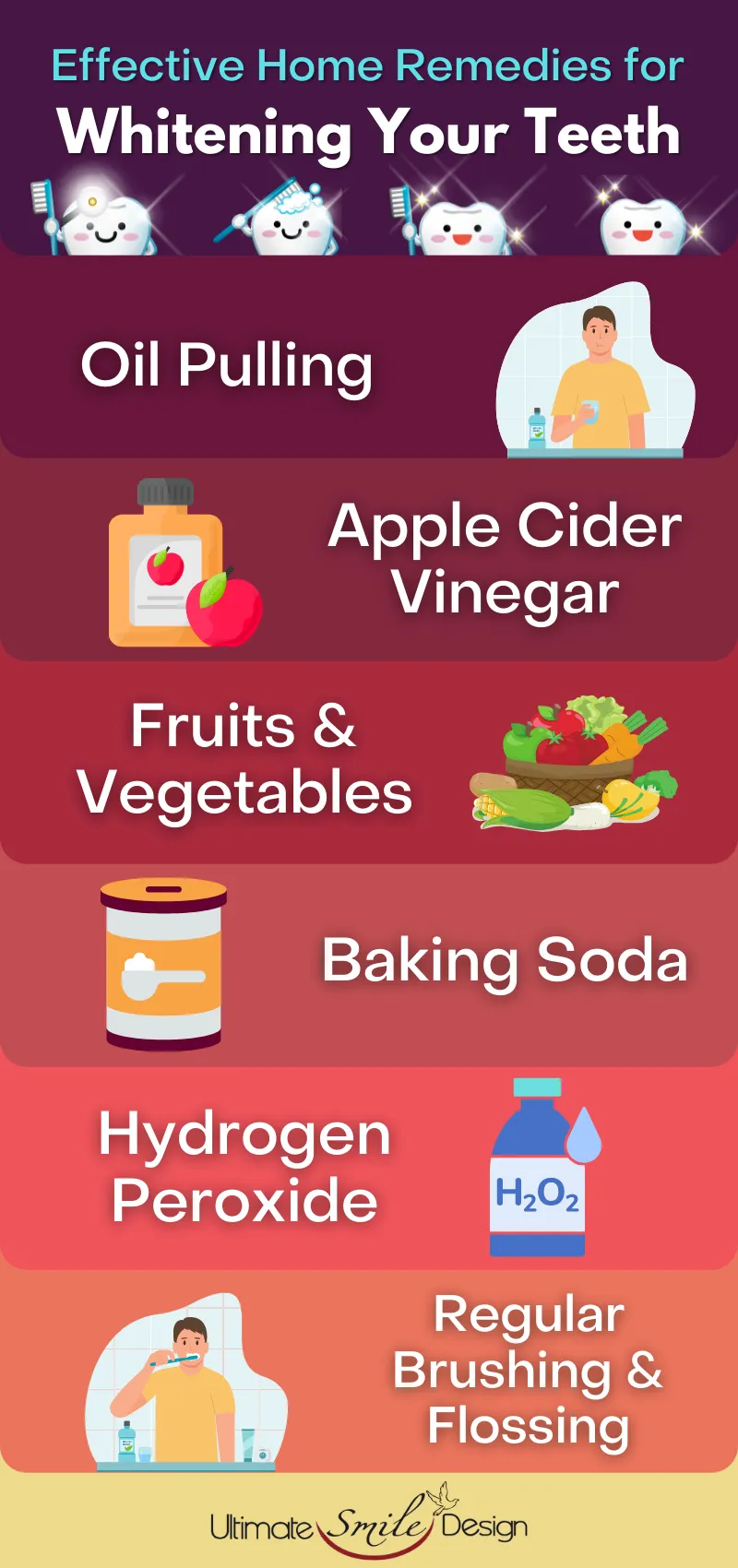
Several effective and affordable teeth whitening remedies can be used at home. These methods offer a convenient way to enhance your smile without visiting a dentist. This section will explore seven popular remedies and provide detailed instructions for their use. Each remedy has specific benefits and potential limitations; therefore, it’s essential to choose the one that best suits your needs and oral health. Remember to follow the instructions carefully and be patient, as results may vary depending on the individual. If you have any existing dental issues, consult your dentist before using these remedies. By following these guidelines, you can safely and effectively brighten your smile from the comfort of your home.
Hydrogen Peroxide for Whitening
Hydrogen peroxide is a common bleaching agent found in many over-the-counter teeth whitening products. It works by oxidizing the stain molecules on the tooth surface, making them less visible. A low concentration of hydrogen peroxide can be used for at-home whitening. Typically, a 3% solution, which is the strength commonly available in drugstores, is suitable for this purpose. It is often incorporated into toothpaste or mouthwashes designed for whitening. Regular use of hydrogen peroxide can gradually brighten your teeth over time. Its effectiveness depends on the concentration used and the duration of application, as well as individual factors such as the type of stains present. Following recommended guidelines and being patient can maximize its benefits.
How to Use Hydrogen Peroxide Safely

To use hydrogen peroxide safely for teeth whitening, start by diluting the 3% solution with equal parts water to reduce its concentration. You can use it as a mouth rinse after brushing your teeth. Swish the diluted hydrogen peroxide in your mouth for about 30-60 seconds, then spit it out and rinse your mouth with water. Avoid swallowing the solution. Alternatively, you can mix hydrogen peroxide with baking soda to create a paste and brush your teeth with it. However, use this method no more than once or twice a week to prevent enamel erosion. Always prioritize the safety and well-being of your teeth and gums, follow instructions carefully, and be mindful of any changes or discomfort.
Baking Soda for Teeth Whitening
Baking soda is a mild abrasive that helps remove surface stains from teeth. It is a popular home remedy due to its effectiveness and accessibility. Baking soda works by gently scrubbing the enamel, removing stains caused by food, drinks, and tobacco. Regular use can make teeth appear whiter, but it’s crucial to use it in moderation to avoid damaging the enamel. The abrasive nature of baking soda can wear down enamel over time if used excessively. It’s important to combine baking soda with other ingredients, such as water or hydrogen peroxide, to create a paste for brushing. Using baking soda in the right way can be an effective way to improve the appearance of your smile and maintain oral hygiene without harmful side effects.
How Baking Soda Works on Stains
Baking soda works on stains through a combination of mechanical and chemical actions. The abrasive particles of baking soda physically scrub the surface of the teeth, helping to remove the stains and plaque that cause discoloration. At the same time, baking soda is a mild alkaline, which can neutralize acids in the mouth, preventing further damage to the enamel. The chemical properties of baking soda can also help break down stain molecules, contributing to a whitening effect. Although baking soda is effective, it should be used carefully. Overuse can erode the enamel, leading to increased sensitivity and a higher risk of decay. Using the appropriate brushing technique and frequency is essential to maximize benefits and minimize potential risks.
Activated Charcoal for Whitening

Activated charcoal has gained popularity as a teeth whitening remedy due to its absorbent properties. It works by attracting and binding to stains on the teeth, effectively removing them. Activated charcoal is made from substances like coconut shells, wood, or other materials that have been heated to create a porous structure. When used for teeth whitening, activated charcoal helps to remove surface stains caused by food, drinks, and other substances. It’s generally applied as a paste, created by mixing the charcoal powder with water, and brushed onto the teeth for a few minutes. After brushing, the mouth is rinsed thoroughly to remove any remaining charcoal particles. The effectiveness of activated charcoal varies, but many users report noticeable results. However, it is very important to use it cautiously and be aware of potential risks.
The Benefits of Activated Charcoal
Activated charcoal offers several potential benefits for teeth whitening. Its primary advantage is its ability to absorb stains and toxins from the teeth. The porous structure of activated charcoal binds to stain-causing compounds, leading to a brighter smile. It is a natural alternative to chemical whitening treatments, appealing to those seeking a more organic approach. Activated charcoal can help remove plaque and bacteria, contributing to improved oral hygiene. It may also help freshen breath due to its ability to absorb odor-causing compounds. Although the benefits are attractive, it is important to note that more scientific evidence is needed to support all these claims. Using the right product is important and follow the instructions carefully.
Coconut Oil Pulling for Whitening
Coconut oil pulling is an ancient Ayurvedic practice that involves swishing oil in your mouth to remove bacteria and improve oral health. Coconut oil is a popular choice due to its antibacterial properties, which can help reduce plaque and whiten teeth. The practice involves swishing one to two tablespoons of coconut oil in your mouth for 15-20 minutes. The oil is then spit out, and the mouth is rinsed with water. Coconut oil pulling is believed to help remove toxins, reduce inflammation, and improve gum health, in addition to whitening teeth. The effectiveness of coconut oil pulling can vary depending on individual oral health. This method offers a natural approach to oral hygiene, with potential benefits beyond teeth whitening, such as healthier gums and fresher breath.
The Process of Oil Pulling

The process of oil pulling is relatively simple but requires consistency for optimal results. Start by taking one to two tablespoons of coconut oil, preferably organic and cold-pressed, into your mouth. Swish the oil around your mouth, ensuring it reaches all areas, including between your teeth and along your gums. Continue swishing for 15-20 minutes; it is important to avoid swallowing the oil, as it contains the toxins and bacteria it is meant to remove. After swishing, spit the oil into a trash can to avoid clogging your sink. Rinse your mouth thoroughly with water and brush your teeth as usual. Regular oil pulling, ideally daily, can contribute to whiter teeth, improved oral hygiene, and fresher breath. The long-term practice should be coupled with other oral hygiene practices like brushing and flossing.
Lemon Juice for Teeth Whitening
Lemon juice is a natural remedy that can be used to whiten teeth due to its high acidity. The citric acid in lemon juice helps to break down stains and brighten the enamel. However, the high acidity can also erode the enamel, leading to sensitivity and increased risk of cavities. To use lemon juice for whitening, you can mix it with baking soda to create a paste, or apply it directly to your teeth with a cotton swab. After a few minutes, rinse your mouth thoroughly with water. Using lemon juice should be done very sparingly and with caution. The potential benefits must be weighed against the risk of enamel damage. It is crucial to follow proper precautions and be aware of potential side effects to maintain oral health while trying to whiten your teeth.
Risks and Precautions of Using Lemon Juice
Using lemon juice for teeth whitening carries several risks that users should be aware of. The high acidity of lemon juice can erode tooth enamel over time, making teeth more susceptible to cavities and sensitivity. Enamel erosion also leads to a loss of the protective layer of your teeth, exposing the dentin, which is softer and more prone to decay. Prolonged or frequent use can cause significant enamel damage. People with sensitive teeth should avoid using lemon juice or consult their dentist beforehand. Using lemon juice can also irritate gum tissues, causing discomfort. If you choose to use lemon juice for whitening, do so sparingly and follow the recommended precautions. It is best to limit its application to once or twice a week, and always rinse your mouth with water after use. It is important to monitor for any signs of sensitivity or discomfort.
Apple Cider Vinegar for Whitening

Apple cider vinegar (ACV) is another home remedy that has gained popularity for teeth whitening. ACV contains acetic acid, which can help to remove stains and whiten teeth. Like lemon juice, apple cider vinegar is acidic, so it must be used with caution to prevent enamel erosion. To use ACV for whitening, you can mix it with water and use it as a mouth rinse or apply it directly to your teeth with a cotton swab. After application, rinse your mouth thoroughly with water. It is essential to dilute the ACV to reduce its acidity and prevent potential damage to your teeth. While some people find ACV effective for whitening, its potential risks should be carefully considered. Before using ACV for teeth whitening, consult with a dentist to ensure it is a suitable option for your oral health.
How to Use Apple Cider Vinegar
To use apple cider vinegar (ACV) safely for teeth whitening, it’s crucial to dilute it properly to minimize the risk of enamel erosion. Start by mixing one teaspoon of ACV with a cup of water. Swish this diluted mixture in your mouth for about 30 seconds, then rinse thoroughly with plain water. You can also use ACV as a pre-brushing rinse. Before brushing, swish the diluted ACV solution in your mouth. Then, brush your teeth as usual. The frequency of use should be limited to once or twice a week to avoid excessive acid exposure to your teeth. It is essential to monitor your teeth for any signs of increased sensitivity or enamel erosion. If you experience any discomfort, discontinue use immediately and consult your dentist. Make sure to consult your dentist before you start.
Whitening with Strawberries
Strawberries contain malic acid, which acts as a natural astringent and can help remove surface stains. Some people use strawberries as a home remedy for teeth whitening. The malic acid helps to break down the stains on the teeth’s surface, leading to a brighter appearance. Using strawberries for whitening involves mashing a strawberry and mixing it with baking soda to create a paste. This paste is then applied to the teeth and left for a few minutes before rinsing thoroughly. While strawberries can offer some whitening benefits, they should be used with caution due to their acidity. The sugar content in strawberries can potentially promote tooth decay. It’s important to remember that using strawberries is not as effective as professional treatments.
The Best Way to Use Strawberries for Whitening

To use strawberries for teeth whitening effectively and safely, mash a fresh, ripe strawberry into a paste. Add a small amount of baking soda to the mashed strawberry to enhance its stain-removing capabilities. Apply the paste evenly over your teeth, and allow it to sit for a few minutes. Rinse your mouth thoroughly with water to remove all traces of the mixture. It’s best to use this method sparingly, perhaps once a week at most, to avoid potential enamel damage. Always brush your teeth thoroughly after using the strawberry paste to remove any remaining sugar and acid. Consider consulting your dentist for personalized advice.
Maintaining Your White Smile
Maintaining a white smile requires consistent oral hygiene habits and lifestyle choices. Regular brushing and flossing are essential for removing plaque and preventing stains. Use a toothpaste with fluoride and consider a whitening toothpaste. Limiting the consumption of staining foods and drinks, such as coffee, tea, red wine, and berries, can help prevent discoloration. Avoid smoking and tobacco products, as they are major contributors to tooth staining. Regular dental check-ups and cleanings are vital for professional maintenance. Drinking water after consuming staining foods and drinks can help rinse away pigments. Following these practices ensures a bright, healthy smile.
Essential Tips for Long-Lasting Results
To ensure long-lasting teeth whitening results, follow essential tips to maintain your bright smile. Practice consistent oral hygiene by brushing twice a day and flossing daily to remove plaque and prevent stains. Regular dental check-ups and professional cleanings can help to remove surface stains and address any potential dental issues. Limit the consumption of staining foods and beverages, such as coffee, tea, and red wine. Avoid smoking and tobacco products, as they significantly contribute to discoloration. Using a straw for beverages can help to minimize contact with your teeth. Consider using a whitening toothpaste or mouthwash as part of your daily routine. Following these tips helps preserve the results of whitening treatments and promotes a healthy, beautiful smile for years to come.