The Risks of Whitening Mouthwash with Braces
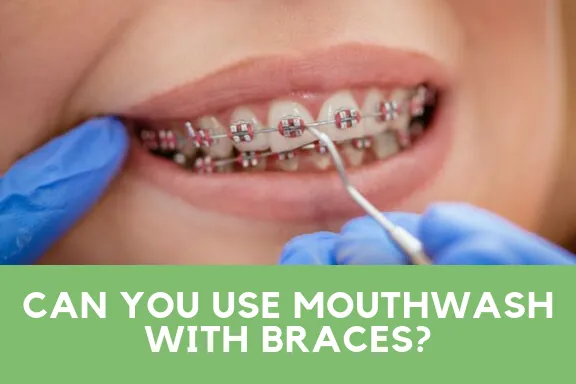
The pursuit of a brighter smile is a common goal, and whitening mouthwash often seems like an easy solution. However, if you’re undergoing orthodontic treatment with braces, using whitening mouthwash can pose several risks. It’s essential to understand these potential problems before incorporating it into your oral hygiene routine. Whitening mouthwashes contain active ingredients that can affect both your teeth and the appliances used for straightening them. This article will explore the top five risks associated with using whitening mouthwash while wearing braces, helping you make informed decisions about your dental care.
Damage to Braces and Appliances
One of the primary concerns is the potential for damage to your braces and other orthodontic appliances. Whitening mouthwashes often contain chemicals like hydrogen peroxide or carbamide peroxide. These substances can corrode or weaken the adhesives used to attach brackets to your teeth. This could lead to brackets becoming loose, requiring additional dental visits for repairs. The materials of the braces themselves, particularly if they are made of certain plastics or composites, can be affected, leading to discoloration or structural damage. Always consider this potential impact on your investment in orthodontic treatment before using whitening mouthwash.
Weakening of Enamel

While the goal of a bright smile seems appealing, the ingredients in whitening mouthwashes can unfortunately weaken your enamel. The acids and bleaching agents present in some of these products can erode the enamel over time, making your teeth more vulnerable to cavities and sensitivity. Enamel erosion is a gradual process, but using whitening mouthwash frequently, especially in conjunction with braces, can accelerate it. Braces already present challenges for maintaining optimal oral hygiene, and if enamel is weakened, it becomes much easier for bacteria to thrive. Furthermore, the weakened enamel might not be able to protect the teeth properly.
Tooth Sensitivity
Increased tooth sensitivity is another common side effect. The active ingredients in whitening mouthwash can make your teeth more sensitive to hot and cold temperatures. This sensitivity is caused by the temporary opening of the pores in your enamel, which allows the whitening agents to penetrate to the dentin layer. Because braces can already cause some level of tooth sensitivity due to the movement of teeth, adding whitening mouthwash can exacerbate this problem. This increased sensitivity can make eating and drinking uncomfortable, which may be a daily experience. If you experience significant tooth sensitivity while using whitening mouthwash with braces, it’s crucial to stop using it immediately and consult your dentist.
Uneven Whitening
Whitening mouthwash can lead to uneven whitening, creating an undesirable aesthetic effect. The brackets on your teeth create a barrier, preventing the mouthwash from reaching the entire surface of the tooth. The areas covered by the brackets will not whiten as quickly or as effectively as the exposed areas. This can result in a patchy appearance, where the teeth appear lighter in some areas and darker in others. Once the braces are removed, the contrast will become more pronounced, potentially requiring additional whitening treatments to correct the unevenness. This can make the entire orthodontic process more complicated.
Soft Tissue Irritation

The strong chemicals in whitening mouthwash can irritate the soft tissues of your mouth, including your gums and cheeks. This can cause inflammation, redness, and even sores. Braces can already make it more difficult to maintain good oral hygiene, increasing the risk of irritation. If the mouthwash comes into contact with sensitive areas, the irritation may become worse. Some people with braces find that whitening mouthwash causes a burning sensation or changes the taste in their mouth. This potential for irritation is another reason to be cautious with whitening mouthwash while you have braces.
How Whitening Mouthwash Works
The Active Ingredients
Whitening mouthwashes typically use one or more active ingredients to achieve their effect. The most common of these is hydrogen peroxide, which breaks down into water and oxygen, with the oxygen acting as a bleaching agent. Carbamide peroxide is another ingredient, also breaking down into hydrogen peroxide. These ingredients are designed to penetrate the enamel and remove stains that have discolored the teeth. They work by oxidizing the stain molecules, breaking them down, and making them less visible. The concentration of these ingredients varies among different brands and formulations, with higher concentrations often leading to faster results, but also potentially greater risks.
How Whitening Agents Affect Teeth

Whitening agents affect teeth by penetrating the enamel and dentin layers. The enamel is the outer protective layer, and the dentin is the layer beneath it that contains microscopic tubules. Whitening agents enter these tubules and react with the stain molecules present, lightening them and making the teeth appear brighter. However, this process can also affect the structure of the enamel. It can temporarily dehydrate the teeth, making them more porous and susceptible to staining in the future. Overuse of whitening agents can lead to the risks discussed earlier, including sensitivity and enamel damage. Therefore, the process must be used very carefully.
Why Braces Change the Equation
The presence of braces complicates the use of whitening mouthwash because it creates physical barriers on the teeth. The brackets and wires cover a significant portion of the tooth surface, preventing the mouthwash from reaching those areas directly. This can lead to uneven whitening, as only the exposed parts of the teeth will lighten. Additionally, the braces can trap the whitening agents, increasing the contact time and potentially intensifying the effects on the enamel and soft tissues. The overall impact is that braces not only change the aesthetics of whitening but also increase the risks of harm.
Protecting Your Smile with Braces
Maintaining excellent oral hygiene is crucial while wearing braces. This includes brushing at least twice a day with fluoride toothpaste, flossing daily, and using an antimicrobial mouthwash that doesn’t contain whitening agents. It’s vital to ensure that you remove food particles and plaque effectively, as these can become trapped around the brackets and wires. Regular dental checkups and professional cleanings are even more important during orthodontic treatment. Your dentist can monitor your oral health and address any issues before they become serious. This comprehensive approach to oral care will help protect your teeth and gums while you’re wearing braces.
Alternatives to Whitening Mouthwash

There are several safer alternatives to whitening mouthwash that you can use while you have braces. Your orthodontist may recommend a fluoride mouthwash to strengthen your enamel and protect against cavities. Certain types of toothpaste designed for braces can help remove plaque and maintain a clean mouth. Consider using a water flosser, which can effectively clean around your brackets and wires. Discuss with your orthodontist the best options for your specific needs and the length of your orthodontic treatment. These alternatives provide effective oral care without the risks associated with whitening agents.
Proper Oral Hygiene with Braces
Proper oral hygiene is paramount when wearing braces. This includes brushing your teeth after every meal, especially to remove food particles trapped in the brackets and wires. Use a soft-bristled toothbrush and hold it at a 45-degree angle to the gum line. Floss daily, using floss threaders or interdental brushes to clean between the teeth and under the wires. Rinse your mouth thoroughly with water or an antimicrobial mouthwash to remove any remaining debris. You can also use a small, interdental brush to clean around the brackets and wires. Proper oral hygiene with braces will prevent cavities, gum disease, and bad breath.
Consulting Your Orthodontist
The best course of action is to consult with your orthodontist before using any whitening products while wearing braces. Your orthodontist can assess your specific situation, including the type of braces you have, the condition of your teeth, and the potential risks involved. They can provide tailored recommendations on safe alternatives, such as fluoride mouthwash. They may suggest other professional treatments, such as in-office whitening after your braces are removed. Your orthodontist is the best resource for advice on maintaining a healthy and beautiful smile during orthodontic treatment.