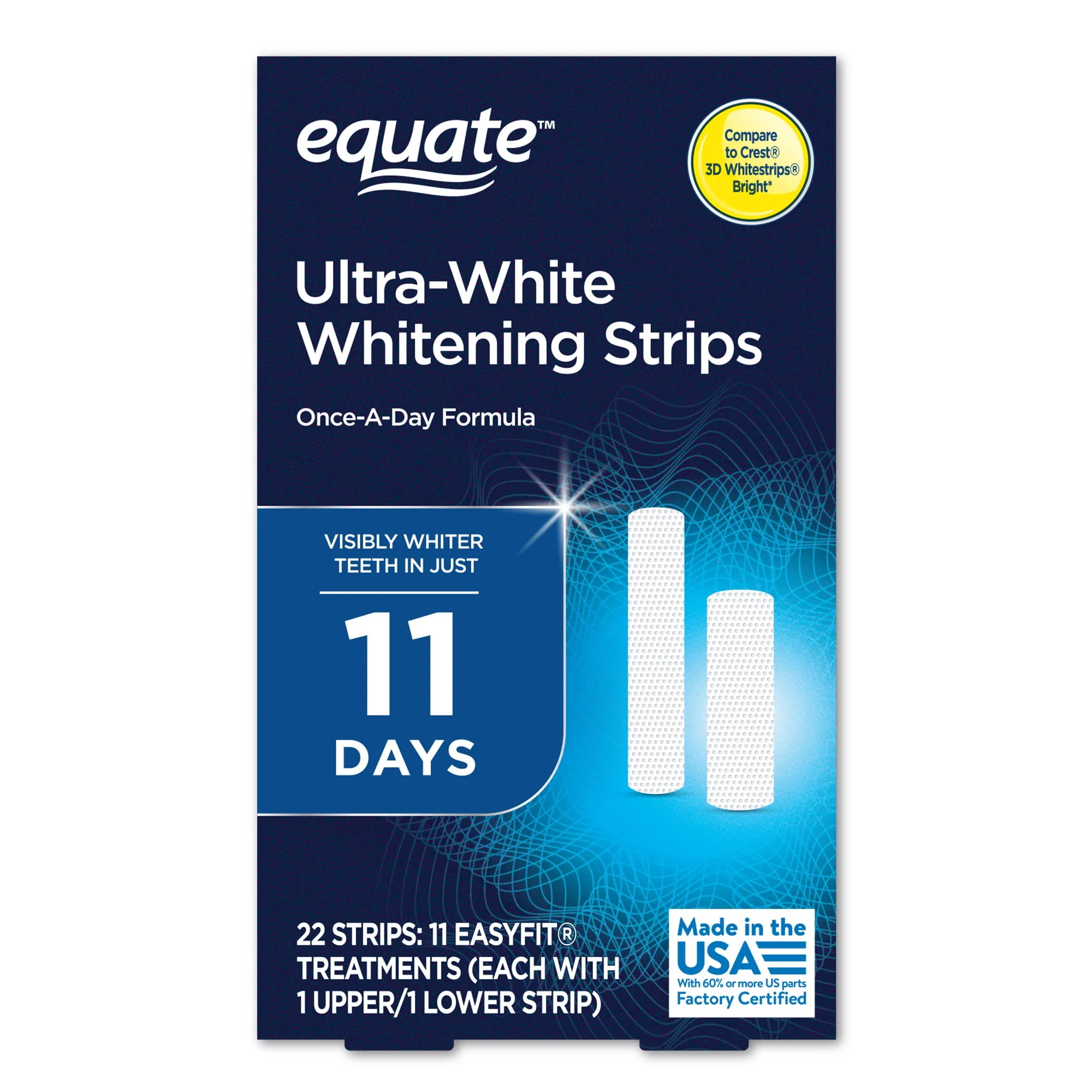
Achieving a brighter, more confident smile is a goal for many, and whitening strips have emerged as a popular, convenient, and relatively affordable solution. These easy-to-use strips promise to lighten teeth and remove stains, making them a staple in many oral care routines. But how do they work, and are they the right choice for you? This comprehensive guide will explore everything you need to know about whitening strips, from how they function to how to choose the best ones and maintain your dazzling results. Whether you’re looking to enhance your smile for a special occasion or simply want to boost your self-esteem, understanding whitening strips is the first step towards a radiant grin.
Why Use Whitening Strips
Whitening strips offer a convenient and accessible way to enhance your smile without the need for professional dental treatments. Their ease of use is a major draw, as you can apply them at home, fitting them seamlessly into your daily routine. Moreover, they are generally more affordable than in-office whitening procedures, making them a budget-friendly option for many. The effectiveness of whitening strips in removing surface stains from coffee, tea, and other common culprits is well-documented, providing noticeable results within a few weeks. The increased confidence that comes with a brighter smile is another significant benefit, positively impacting both personal and professional interactions. With the ability to quickly and effectively improve your teeth’s appearance, whitening strips are a practical solution for achieving a more radiant smile.
How Do Whitening Strips Work
Whitening strips work by utilizing a bleaching agent, typically hydrogen peroxide or carbamide peroxide, which penetrates the enamel of your teeth to break down stain molecules. The active ingredient in the strip oxidizes the discolored compounds, effectively lightening the shade of your teeth. This process, known as oxidation, chemically alters the stains, making them less visible. The concentration of the bleaching agent varies between different brands and formulations, which can influence the whitening power and the time needed to achieve desired results. The strip’s design is crucial; it adheres closely to the teeth’s surface, ensuring the bleaching agent remains in contact with the enamel for the recommended duration. Over time, as the bleaching agent interacts with the stained molecules, the teeth gradually appear whiter.
The Science Behind Teeth Whitening

The science of teeth whitening revolves around the chemical reaction between the bleaching agent and the staining compounds within the tooth’s enamel. The enamel, which is the outermost layer of the tooth, is porous, allowing the bleaching agent to penetrate and interact with the discoloration. Hydrogen peroxide, a common ingredient in whitening strips, releases oxygen molecules, which break the bonds of the stain molecules, causing them to dissipate. This process does not damage the enamel; instead, it alters the color by removing the staining compounds. The effectiveness of the whitening process depends on the concentration of the bleaching agent, the duration of application, and the type of stains present. While surface stains from food and drinks are relatively easy to remove, deeper stains may require stronger treatments or more extended use of whitening strips.
Factors to Consider Before Using Strips
Before starting your whitening journey, several factors should be considered to ensure the best results and minimize potential issues. Assess your current oral health condition; if you have untreated cavities, gum disease, or any other dental problems, address them before using whitening strips, as these could exacerbate your condition or lead to increased sensitivity. Evaluate the cause of your teeth discoloration. Stains caused by coffee, tea, and tobacco are more likely to respond well to whitening strips than those caused by internal factors, such as medication or injury. Consider your expectations; whitening strips generally produce subtle to moderate improvements. Be realistic about the outcomes and understand that results may vary based on the individual’s teeth structure and staining levels. Finally, consult with your dentist, especially if you have dental work, to determine if whitening strips are appropriate and safe for your specific situation.
Teeth Sensitivity and Whitening Strips
Teeth sensitivity is a common side effect of using whitening strips. The bleaching agents can penetrate the enamel and irritate the nerves within the teeth. Sensitivity typically manifests as temporary discomfort or pain when consuming hot or cold foods and drinks. To manage sensitivity, consider using strips with lower concentrations of the active ingredient or reducing the duration of application. Using a toothpaste designed for sensitive teeth, which contains ingredients like potassium nitrate, can also help. Avoiding acidic foods and drinks during treatment can minimize discomfort. If the sensitivity becomes excessive or prolonged, discontinue use and consult your dentist. They may recommend a fluoride treatment or other desensitizing methods to alleviate the issue and make your whitening experience more comfortable.
How to Choose the Right Whitening Strips

Choosing the right whitening strips involves considering several factors to meet your individual needs and preferences. The first step is to identify the concentration of the active ingredient (usually hydrogen peroxide). Higher concentrations may produce faster results but can increase the risk of sensitivity. Start with a lower concentration, especially if you have sensitive teeth, and gradually increase if needed. Consider the application time; some strips require only a few minutes of use per day, while others require longer durations. Select a product that fits your schedule and lifestyle. Look for strips that fit your teeth comfortably and cover the visible surfaces effectively; some brands offer flexible strips that mold easily to the teeth. Read reviews and check customer ratings to gauge the product’s effectiveness and user experiences. Also, check for certifications from reputable dental organizations to ensure product safety and quality.
Different Types of Whitening Strips
Whitening strips come in various formulations and designs, each offering distinct features and benefits. Some strips are designed for daily use, offering a gentler approach with lower concentrations of the active ingredient. Others provide more intense whitening over a shorter period. There are strips specifically formulated for sensitive teeth, containing lower levels of bleaching agents and incorporating ingredients to reduce sensitivity. Some strips incorporate innovative features, such as flexible molds or advanced adhesion technology, to ensure a better fit and more effective whitening. Professional-grade strips, often available through your dentist, contain higher concentrations of bleaching agents and offer more dramatic results. Choosing the right type depends on your individual needs, sensitivity levels, and desired outcomes. Always consult with your dentist to determine the best option for your oral health.
Whitening Strip Application Steps
Correct application is crucial for achieving the best results from whitening strips. Follow the product instructions precisely to ensure safe and effective whitening. Before starting, read the instructions carefully to understand the recommended application duration and frequency. Before applying the strips, brush your teeth gently to remove any surface debris, but avoid using whitening toothpaste, as it may interfere with the strip’s effectiveness. Handle the strips with clean, dry hands to prevent contamination. Apply the strip to the upper and lower teeth, aligning them with the gum line. Make sure the strip adheres securely to the tooth surfaces. Avoid contact with the gums to reduce the risk of irritation. Keep the strip in place for the duration recommended by the manufacturer, and then remove it carefully and dispose of it properly. After removing the strips, rinse your mouth to remove any residual gel. This thorough approach maximizes the whitening effect and minimizes potential side effects.
Step 1 Preparation

Before applying whitening strips, proper preparation is key to maximizing their effectiveness and minimizing potential side effects. First, ensure your teeth are clean by brushing them gently with a regular toothpaste. Avoid using whitening toothpaste immediately before applying the strips, as the additional whitening agents in the toothpaste might interfere with the strip’s performance. After brushing, rinse your mouth with water to remove any excess toothpaste. Next, carefully read the instructions that come with your whitening strips to understand the recommended application duration and frequency. Make sure your hands are clean and dry before handling the strips to prevent contamination. Finally, inspect your teeth to ensure there are no open sores or other issues that could be aggravated by the bleaching agent. By following these preparatory steps, you set the stage for an efficient and comfortable whitening experience.
Step 2 Applying the Strips
The application process is critical for the success of whitening strips. After preparing your teeth, carefully remove the strips from their packaging. The strips typically come in two parts: one for the upper teeth and one for the lower teeth. Gently peel the strip from its backing and apply it to your teeth. Align the strip with your gum line, ensuring that the whitening surface is in contact with the teeth. Press the strip firmly onto your teeth to secure it in place, paying attention to the edges to prevent the bleaching agent from coming into contact with your gums, which can cause irritation. Fold any excess strip material behind your teeth to ensure a snug fit. Avoid touching the strips once applied, as this can affect their effectiveness. Follow the instructions regarding the application time precisely, as overexposure can lead to increased sensitivity. By applying the strips correctly, you maximize the whitening effect and minimize any potential risks.
Step 3 Post-Application Care
Post-application care is as important as the application itself to achieve the best results and maintain your oral health. After removing the whitening strips, rinse your mouth with water to remove any residual gel. Avoid brushing your teeth immediately after removing the strips, as the enamel may be temporarily more susceptible to damage. It is best to wait at least 30 minutes before brushing. Throughout the whitening treatment, it is advisable to avoid foods and drinks that can stain your teeth, such as coffee, tea, red wine, and berries. Additionally, if you experience any sensitivity, consider using a toothpaste designed for sensitive teeth to help alleviate the discomfort. Follow the manufacturer’s instructions regarding the frequency of application and the duration of the treatment. Maintaining a good oral hygiene routine, including brushing and flossing regularly, will also contribute to maintaining your newly whitened smile and overall oral health.
Tips to Maximize Whitening Results

To maximize the effectiveness of whitening strips, combine their use with good oral hygiene practices and smart lifestyle choices. Before applying the strips, ensure your teeth are thoroughly cleaned. After applying, adhere strictly to the recommended application duration, avoiding both under-application, which may reduce effectiveness, and over-application, which may lead to increased sensitivity. During your whitening treatment, avoid foods and beverages known to cause staining, like coffee, tea, red wine, and dark-colored berries. Quit or reduce tobacco use, as smoking and chewing tobacco can significantly diminish the results of teeth whitening. Maintain a regular dental hygiene routine, brushing and flossing twice daily to remove plaque and debris. Consider using a straw when consuming staining beverages to minimize contact with your teeth. Finally, be patient and consistent; the best results from whitening strips often come with consistent use over several weeks.
Maintaining Your Bright Smile
Maintaining your newly whitened smile requires an ongoing commitment to good oral hygiene and mindful lifestyle choices. Continue to practice regular brushing and flossing to keep your teeth clean and free of staining agents. Consider using a whitening toothpaste to help maintain the brightness of your smile, but alternate it with a regular toothpaste to avoid over-whitening. Limit your consumption of staining foods and drinks, such as coffee, tea, and red wine. If you do consume these items, rinse your mouth with water or brush your teeth afterward to minimize staining. Consider the use of a straw for staining beverages to reduce contact with your teeth. Schedule regular dental checkups and cleanings to keep your teeth healthy and bright. Your dentist can also provide professional whitening treatments to help maintain your results. With consistent effort, you can enjoy your brighter smile for a long time.
Potential Side Effects and How to Manage Them
While whitening strips are generally safe, they can cause some side effects, the most common of which is tooth sensitivity. This can range from mild to moderate discomfort when consuming hot or cold foods and drinks. To manage sensitivity, consider using a toothpaste designed for sensitive teeth, which contains ingredients like potassium nitrate to help block the nerve signals in your teeth. Reduce the duration of application of the whitening strips or use them less frequently. Another potential side effect is gum irritation, which can manifest as redness or soreness. To prevent this, avoid letting the whitening strips come into contact with your gums; carefully apply the strips to your teeth only. If irritation occurs, discontinue use and consult your dentist. Ensure you follow all instructions carefully to reduce your risk of experiencing side effects. Being aware of potential side effects and knowing how to manage them will help you enjoy a more comfortable whitening experience.
When to Consult a Dentist

While whitening strips are available over-the-counter, there are situations when consulting a dentist is recommended. If you experience persistent or severe tooth sensitivity, it is essential to seek professional advice. A dentist can determine the cause of the sensitivity and recommend appropriate treatments. If you have existing dental work, such as fillings, crowns, or veneers, consult your dentist before using whitening strips. Whitening strips will not lighten these restorations, and you may end up with uneven results. If you are not achieving the desired results with over-the-counter strips, your dentist can offer professional whitening treatments, which often provide more dramatic and longer-lasting results. Also, if you have any underlying dental issues, such as gum disease or cavities, you should address them with your dentist before starting a whitening treatment. Regular dental checkups are crucial for maintaining your oral health and ensuring that teeth whitening is safe and effective for you.
In conclusion, whitening strips offer a convenient and accessible method for achieving a brighter smile. By understanding how they work, choosing the right product, and following application and maintenance guidelines, you can effectively enhance your teeth’s appearance. However, it is crucial to consider your individual needs, oral health, and potential side effects. Prioritize your dental health and be sure to consult with your dentist if you have any concerns. With the right approach, whitening strips can be a valuable tool in your quest for a confident and radiant smile.