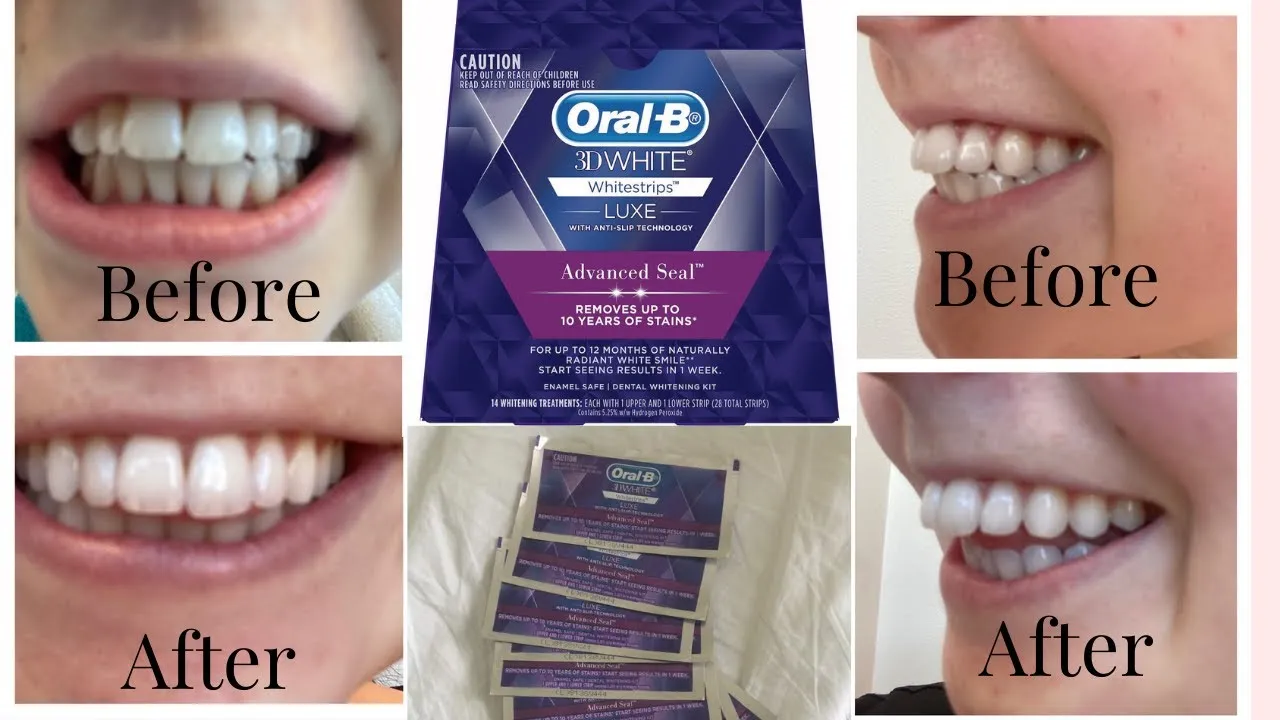
What are Whitening Strips?
Whitening strips are a popular cosmetic dental product designed to lighten the shade of your teeth. They are thin, flexible strips coated with a bleaching agent, typically hydrogen peroxide or carbamide peroxide. These strips are applied directly to the teeth and are intended to be worn for a specific amount of time, as directed by the product instructions. They offer a convenient and accessible way to achieve a brighter smile, with many over-the-counter options available for home use. The popularity of whitening strips stems from their ease of use and relatively low cost compared to professional teeth whitening procedures. However, it’s important to understand how these strips work, their potential side effects, and how to use them safely to achieve the best results.
How Do Whitening Strips Work?
Whitening strips work by using a chemical reaction to break down stains and discoloration on the surface of your teeth. The active ingredient, usually a peroxide-based compound, penetrates the enamel and dentin, reaching the discolored molecules within. The peroxide releases oxygen molecules, which react with the stain molecules, breaking them into smaller, less visible components. This process effectively lightens the overall shade of the teeth. The duration of the application and the concentration of the active ingredient influence the whitening effect. Consistent use, as per the product instructions, is crucial to achieving and maintaining the desired level of brightness. It is a gradual process, and results vary depending on the individual’s tooth structure and the type of stains present.
Active Ingredients in Whitening Strips
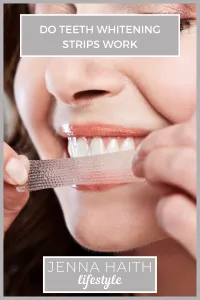
The primary active ingredients in most whitening strips are hydrogen peroxide and carbamide peroxide. Hydrogen peroxide is a strong oxidizing agent that effectively bleaches the teeth. Carbamide peroxide, on the other hand, breaks down into hydrogen peroxide and urea, providing a slower release of the bleaching agent. The concentration of these ingredients varies between different brands and product lines, with higher concentrations potentially leading to faster results but also increasing the risk of sensitivity. Other ingredients in the strips may include adhesives to help them stick to the teeth, as well as flavoring agents to improve the taste. Always check the product label to understand the specific ingredients and their concentrations, and follow the manufacturer’s instructions carefully to minimize potential side effects and ensure safe use.
Top 5 Facts About Whitening Strips
Fact 1: Swallowing and Whitening Strips
One of the most common concerns regarding whitening strips is what happens if you swallow the product. While it is generally recommended to avoid swallowing any part of the strip or the gel, small amounts of the whitening agent are unlikely to cause serious harm. However, swallowing larger quantities of the peroxide-based gel can lead to stomach upset, nausea, and, in rare cases, more severe complications. The active ingredients can irritate the digestive system. Therefore, it’s essential to try to minimize swallowing and to rinse your mouth thoroughly with water after removing the strips. If you experience any adverse reactions after swallowing a significant amount of the gel, seek medical advice.
The potential risks of swallowing

Swallowing the gel from whitening strips can pose several potential risks, the most common being stomach irritation, leading to symptoms like nausea, vomiting, and abdominal discomfort. The amount of peroxide ingested is a key factor. Small amounts are usually not harmful, but larger quantities can cause significant digestive upset. In rare instances, excessive ingestion can lead to more severe complications, highlighting the importance of careful use and avoiding swallowing the gel. The degree of the risk also depends on the concentration of the active ingredient and an individual’s sensitivity to the chemicals. Always adhere to the product’s instructions to minimize the risk of swallowing and its associated health effects.
Fact 2: Effectiveness of Whitening Strips
The effectiveness of whitening strips varies depending on the product, the concentration of the active ingredients, and the type and severity of the stains on your teeth. Generally, whitening strips are effective at removing surface stains caused by coffee, tea, and other foods and drinks. Results can typically be seen within a few days of consistent use, with the most noticeable improvements occurring within the first few weeks. However, the degree of whitening will vary from person to person. For deep-set stains or more severe discoloration, professional teeth whitening procedures performed by a dentist may be more effective. Consistency in following the product instructions is crucial for achieving the desired results. It is also important to note that whitening strips do not work on dental work like crowns or fillings; these will not change color.
Fact 3: Sensitivity and Whitening Strips
Tooth sensitivity is a common side effect of using whitening strips. The peroxide in the strips can penetrate the enamel and irritate the nerves in the teeth, leading to temporary discomfort or sensitivity, especially to cold or hot temperatures. This sensitivity is usually temporary and resolves within a few days after stopping or reducing the frequency of use. Some products contain ingredients like potassium nitrate to help reduce sensitivity. If you experience significant sensitivity, it is advisable to consult your dentist. They may recommend using a toothpaste designed for sensitive teeth or adjusting the frequency of your whitening treatments. Proper application, avoiding contact with the gums, and not overusing the strips can help minimize sensitivity.
Fact 4: Types of Whitening Strips

There are several different types of whitening strips available, each with its own characteristics and intended use. The most common are those containing hydrogen peroxide or carbamide peroxide as the active bleaching agent. Some strips are designed for daily use, offering a lower concentration of the active ingredient, while others are designed for more intense, shorter-term treatments. There are also strips designed specifically for sensitive teeth, containing lower concentrations of peroxide or added ingredients to minimize sensitivity. Some brands offer strips that adhere more securely to the teeth or have a longer contact time. When selecting a whitening strip, consider your individual needs, the severity of the stains on your teeth, and any existing sensitivity issues. Always choose a product from a reputable brand and follow the instructions carefully for optimal results.
Fact 5: Proper Application and Usage
Proper application and usage of whitening strips are crucial for achieving the best results and minimizing potential side effects. Before applying the strips, brush your teeth gently to remove any surface debris, but avoid brushing immediately before. This helps the strips adhere better. Carefully peel the strips from their backing and apply them to your teeth, ensuring they cover the visible surfaces. Avoid touching your gums as the whitening agents can irritate them. Follow the product instructions regarding the wear time. After removing the strips, rinse your mouth with water to remove any remaining gel. Avoid eating or drinking anything except water for at least 30 minutes after application. Consistent use, as directed by the manufacturer, is essential for achieving the desired whitening effect, but do not overuse the strips, as this can increase sensitivity.
Potential Side Effects of Whitening Strips
While whitening strips are generally safe when used as directed, they can cause several potential side effects. The most common is tooth sensitivity, as mentioned earlier. Gum irritation is another potential side effect, which can manifest as redness, swelling, or soreness of the gums. This is often caused by the whitening agent coming into contact with the gum tissue. Some individuals may experience mild discomfort, such as a tingling sensation or a burning feeling in their mouth. Allergic reactions are rare, but some people may be allergic to ingredients in the strips. If you experience any severe or persistent side effects, such as significant pain or irritation, discontinue use and consult your dentist.
How to Minimize Side Effects

Several steps can be taken to minimize the potential side effects of whitening strips. To reduce tooth sensitivity, use a toothpaste designed for sensitive teeth, both before and during the whitening process. Avoid brushing your teeth immediately after removing the strips, as this can increase sensitivity. Ensure the strips are applied correctly, avoiding contact with the gums. If gum irritation occurs, reduce the application time or frequency. Consider using a lower-strength whitening strip or consulting with your dentist about alternative whitening options. Drink plenty of water to stay hydrated and to help remove any residual gel from your teeth and mouth. If you have pre-existing dental issues, such as cavities or gum disease, it’s essential to address these issues with your dentist before using whitening strips.
Alternatives to Whitening Strips
If whitening strips are not the right option for you, several alternatives can help you achieve a brighter smile. Whitening toothpastes contain mild abrasives and whitening agents, which can help remove surface stains. Whitening mouthwashes can also contribute to maintaining a brighter smile. Tray-based whitening systems, which involve custom-fitted trays and a stronger bleaching agent, offer more effective whitening. These are often prescribed by dentists. Over-the-counter whitening gels applied with a tray are also available. For more significant discoloration, professional teeth whitening performed by a dentist provides the most dramatic results. The best option depends on your individual needs, the degree of discoloration, and your budget. Discussing your options with a dentist can help you determine the most suitable and effective method for achieving your desired results.
Professional Teeth Whitening
Professional teeth whitening, also known as in-office whitening, is performed by a dentist and offers the most significant and long-lasting results. During the procedure, a highly concentrated bleaching agent is applied to the teeth, and a special light or laser may be used to accelerate the whitening process. The dentist will also protect the gums and soft tissues from the bleaching agent. Professional whitening can typically lighten teeth several shades in a single session. This method is ideal for individuals with significant discoloration or those seeking rapid and dramatic results. The benefits include faster results, professional supervision, and the ability to address more complex staining issues. While professional whitening is more expensive than over-the-counter options, it provides the most effective and controlled whitening experience.
Other Options for a Brighter Smile

In addition to whitening strips and professional treatments, several other options can contribute to a brighter smile. Maintaining good oral hygiene practices, including brushing twice a day and flossing daily, is essential for preventing stains and maintaining the natural whiteness of your teeth. Limiting the consumption of stain-causing foods and drinks, such as coffee, tea, and red wine, can also help prevent discoloration. Consider using a straw for beverages to minimize contact with your teeth. Dental veneers, which are thin shells bonded to the front of your teeth, can provide a permanent solution for both whitening and cosmetic improvements. Bonding, which involves applying a tooth-colored resin to the teeth, can also be used to cover stains and imperfections. Discuss your options with your dentist to determine the best approach for achieving your desired smile.
Conclusion
Whitening strips can be a convenient and affordable way to enhance your smile. However, it is crucial to use them correctly and be aware of the potential risks, such as tooth sensitivity and gum irritation. Minimize the risk of swallowing the whitening agent. If you have any concerns or experience significant side effects, consult your dentist for guidance. Exploring alternatives, such as professional teeth whitening or other cosmetic procedures, may be necessary for more dramatic or long-lasting results. By understanding the facts and taking appropriate precautions, you can safely achieve a brighter and more confident smile with whitening strips.