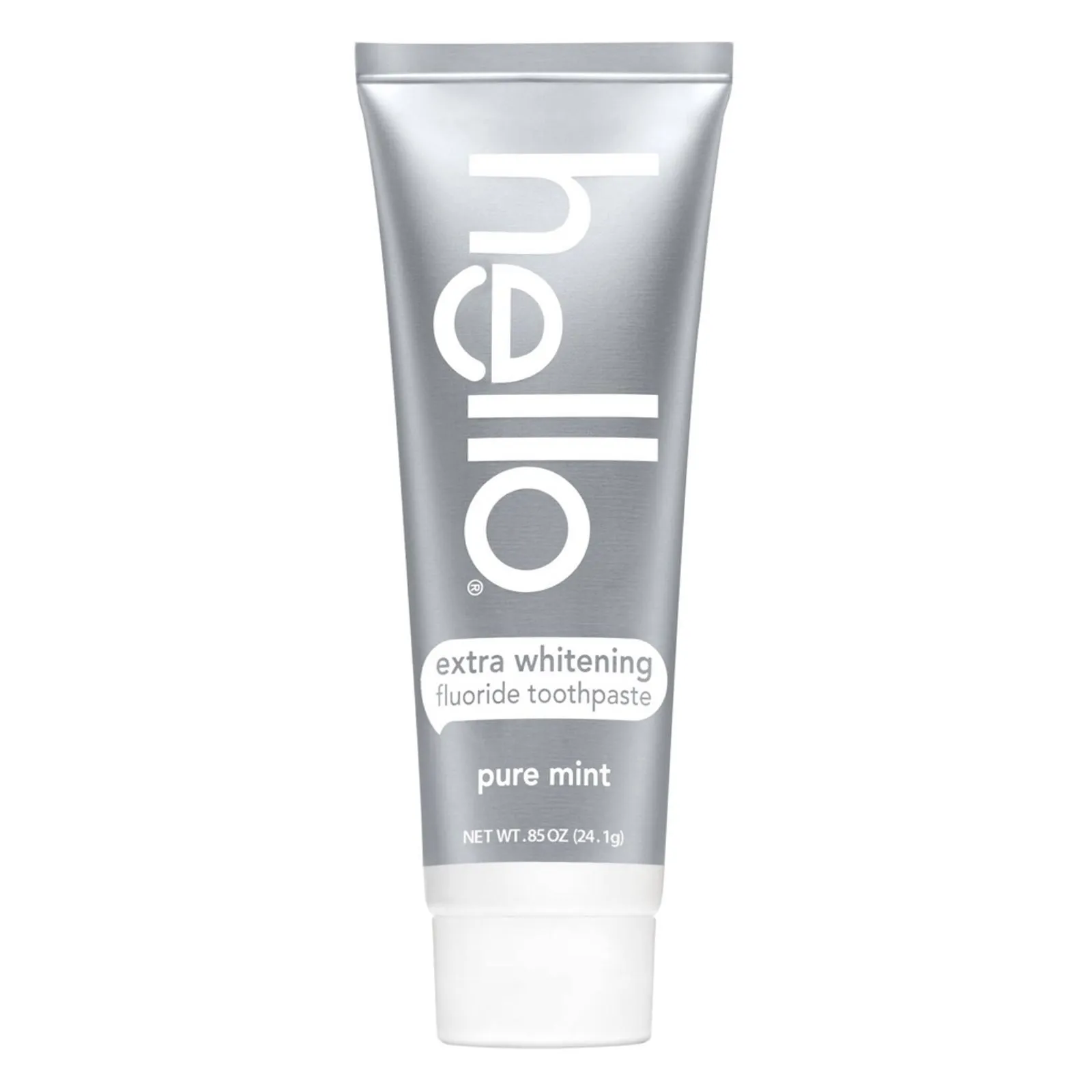
Achieving a brighter, whiter smile is a common goal, and the market is flooded with whitening toothpaste options. But how do you choose the best one for your needs? Understanding the key ingredients, how they work, and what to consider can help you make an informed decision. This guide will walk you through the essential factors to consider when selecting a whitening toothpaste, ensuring you can achieve and maintain a dazzling smile. Choosing the right toothpaste is a critical step in your oral hygiene routine, and this guide will help you to identify products that will best meet your needs.
What to Look for in Whitening Toothpaste
When evaluating whitening toothpaste, several factors should guide your decision. The presence of specific active ingredients is paramount, but it’s equally important to consider the overall formulation, your oral health needs, and any potential sensitivities. Look for products that are ADA (American Dental Association) approved, as this indicates that the toothpaste has been tested and proven safe and effective. Furthermore, consider the flavor, texture, and any additional benefits like cavity protection or sensitivity relief. The packaging should also be easy to use and store, making it a seamless part of your daily routine. Keep in mind that whitening toothpaste is just one component of a comprehensive oral care strategy.
Key Ingredients for Teeth Whitening
The effectiveness of a whitening toothpaste largely depends on its active ingredients. These substances work in various ways to remove surface stains and, in some cases, slightly lighten the shade of your teeth. Understanding these components will help you choose the best toothpaste to match your whitening goals. The concentration of these ingredients often varies, influencing the speed and intensity of the whitening results. It’s important to understand the role of each component and how it works to achieve the desired outcome, keeping in mind the overall impact on your oral health.
Hydrogen Peroxide

Hydrogen peroxide is a potent bleaching agent, commonly used in professional teeth whitening treatments. In toothpaste, it’s typically present in lower concentrations. It works by penetrating the enamel and dentin to break down stain molecules. While effective, higher concentrations can increase tooth sensitivity. Toothpastes with hydrogen peroxide often provide noticeable whitening results over time, but the extent of whitening may depend on the initial shade of your teeth and the frequency of use. Regular use is essential to get the best possible outcomes.
Carbamide Peroxide
Carbamide peroxide is another bleaching agent, similar in action to hydrogen peroxide. When it comes into contact with water, it breaks down into hydrogen peroxide, providing a gradual release of the bleaching agent. Toothpastes containing carbamide peroxide provide a sustained whitening effect, which can be beneficial for those with mild to moderate staining. The gentler release can also reduce the risk of sensitivity. The effectiveness of carbamide peroxide depends on the concentration and frequency of use, so it’s essential to follow the instructions on the product label. Consistent use of the product will achieve optimal results.
Baking Soda
Baking soda (sodium bicarbonate) acts as a mild abrasive, helping to scrub away surface stains from your teeth. It has a natural ability to neutralize acids in the mouth, which can contribute to enamel erosion. Baking soda is often found in combination with other whitening agents to boost the overall effectiveness. While baking soda is generally safe, excessive use of abrasive toothpastes can lead to enamel damage over time. It’s important to choose a toothpaste with a balanced formula to minimize any risks. Baking soda is a traditional ingredient that is generally safe for use. It can also help freshen breath.
Fluoride Importance

Fluoride is a crucial mineral that plays a critical role in protecting teeth against decay. Most whitening toothpastes also contain fluoride to provide cavity protection, a vital component of any oral care routine. Fluoride strengthens the enamel, making it more resistant to acid attacks from bacteria and food. Incorporating fluoride in your routine is essential, especially if you are prone to cavities or consume a lot of sugary foods. The benefits of fluoride are substantial in maintaining long-term oral health.
How Fluoride Works
Fluoride works by remineralizing the tooth enamel. It replaces lost minerals and strengthens the tooth structure. Fluoride also inhibits the growth of harmful bacteria in the mouth, reducing the production of acids that cause tooth decay. Regular use of fluoride toothpaste ensures that your teeth are continuously protected against these threats. The protection fluoride provides is essential for maintaining a healthy smile. It is an important part of your overall health routine.
Benefits of Fluoride
The benefits of fluoride include cavity prevention, enamel strengthening, and reduced tooth sensitivity. It is a crucial component of maintaining good oral health. Fluoride is a key part of any daily oral care. By incorporating fluoride toothpaste into your routine, you can significantly lower your risk of cavities and maintain a healthy, bright smile. Fluoride is a very important component of good oral hygiene.
Other Whitening Agents

In addition to the main whitening agents, several other ingredients contribute to the whitening effects of toothpaste. These additional components can work in different ways, from removing surface stains to providing a gentle abrasive action. Understanding these components provides you with a more complete view of the whitening process and helps you to make an informed choice when selecting toothpaste.
Activated Charcoal
Activated charcoal is a popular ingredient in many whitening toothpastes. It is a highly porous substance that can absorb surface stains and impurities. While it can effectively remove surface stains, there is limited scientific evidence supporting its long-term whitening effectiveness. Use activated charcoal toothpaste with caution, as it can be abrasive and may potentially damage the enamel. It’s often used as a supplementary ingredient in whitening toothpaste. Excessive use may cause adverse effects.
Microabrasives
Microabrasives are tiny particles that gently polish the surface of your teeth, removing surface stains. Common microabrasives include hydrated silica and dicalcium phosphate dihydrate. These agents work by physically removing the staining particles, and their abrasiveness is carefully controlled to avoid damaging the enamel. The effectiveness depends on the abrasiveness of the particles and the frequency of brushing. Microabrasives are an integral part of the cleaning process.
Choosing the Right Toothpaste for You

Choosing the right whitening toothpaste involves considering your individual needs and oral health status. There is no one-size-fits-all solution. It’s essential to understand your specific dental situation to find the most effective and safe product. Factors such as tooth sensitivity, existing dental work, and the type of stains you have can all influence your choice. Taking these factors into account is the most important step to the best possible outcome. Consulting a dentist can provide personalized advice, making the process of selecting a toothpaste less challenging.
Consider Your Sensitivity
If you have sensitive teeth, it is essential to choose a whitening toothpaste specifically designed for sensitive teeth. These toothpastes often contain lower concentrations of bleaching agents and may include desensitizing ingredients like potassium nitrate. Always be aware of any discomfort when using a new whitening toothpaste. If you experience any increase in sensitivity, consult your dentist to determine the best course of action. Your comfort is an important factor in choosing the right toothpaste.
Addressing Specific Needs
Consider your overall oral health when making your choice. If you have any specific needs, such as a tendency for cavities or gingivitis, choose a toothpaste that addresses those issues. Some toothpastes combine whitening properties with cavity protection or gum health benefits. If you have any specific oral health issues, consult your dentist for personalized recommendations. Make sure you select a product that meets your specific needs.
Stain Removal vs. Whitening

Understand the difference between stain removal and teeth whitening. Stain-removing toothpastes primarily target surface stains, while whitening toothpastes may also lighten the shade of your teeth. If you only have surface stains, a stain-removing toothpaste might be sufficient. For more significant discoloration, a whitening toothpaste with bleaching agents may be necessary. Evaluating the origin of your stains is an essential factor. Making the correct assessment can lead to the best result.
How to Use Whitening Toothpaste Effectively
Using whitening toothpaste correctly is just as important as choosing the right product. Proper brushing techniques and frequency of use are essential for achieving and maintaining results. Following the instructions on the product label and incorporating good oral hygiene habits will maximize effectiveness and minimize any potential risks. A consistent and diligent approach to oral care will help you get the most out of your chosen product.
Proper Brushing Techniques
Brush your teeth for at least two minutes, twice a day. Use gentle, circular motions, and ensure that you reach all surfaces of your teeth, including the back molars. Avoid brushing too hard, as this can damage your enamel and gums. If using an electric toothbrush, follow the manufacturer’s guidelines for proper use. The technique is vital for a good result. Correctly using the correct technique will give you the most success.
Brushing Frequency

Brush your teeth twice a day, ideally once in the morning and once before bed. Consistent brushing helps to remove surface stains and maintain the whitening effect. Avoid excessive brushing, as this can erode enamel. Follow your dentist’s advice regarding the best brushing frequency. Consistency is critical for seeing real results. Good oral hygiene involves regular brushing to maintain the health of your teeth.
Maintaining Results
Maintaining the results of your whitening toothpaste requires ongoing effort and good oral hygiene practices. The lifestyle choices you make and the professional dental care you receive both contribute to the longevity of your brighter smile. A holistic approach to dental care helps to ensure a long-lasting outcome.
Lifestyle Choices Affecting Whitening
Certain lifestyle choices can impact the effectiveness of your whitening efforts. Limiting your consumption of stain-causing foods and drinks, such as coffee, tea, red wine, and dark-colored berries, can help prevent new stains from forming. Avoiding tobacco products is also crucial, as they contribute significantly to tooth discoloration. Being mindful of these factors can help maintain your brighter smile.
Regular Dental Check-ups
Regular dental check-ups and professional cleanings are essential for maintaining the results of your whitening toothpaste. Your dentist can remove stubborn stains and assess the overall health of your teeth and gums. Professional cleanings can also help prevent the buildup of plaque and tartar. Schedule regular appointments to keep your smile healthy and bright. Your dentist will also detect any problems early and provide the right treatment. Regular visits are essential to long-term oral health.
Choosing the best whitening toothpaste involves understanding the ingredients, considering your needs, and practicing good oral hygiene. By following these guidelines, you can make an informed decision and achieve a brighter, healthier smile. Remember that consistency and a holistic approach to oral care are key to success. Taking care of your teeth is a commitment that will make you look good and will also benefit your overall health. Consistent effort will reward you with a beautiful smile.