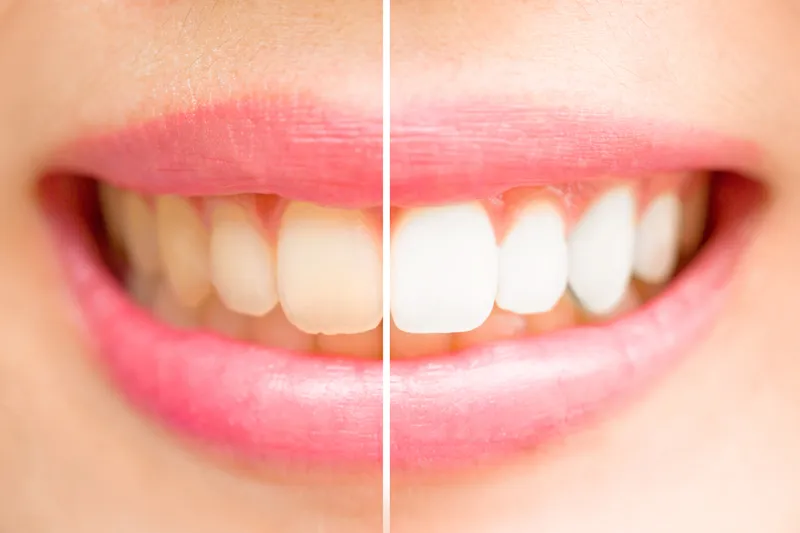
What are Whitening Toothpastes?
In a world obsessed with a dazzling white smile, the market for teeth whitening products has exploded. Among the plethora of options, whitening toothpastes are a popular and readily accessible choice. But what exactly are they, and how do they differ from regular toothpastes? Whitening toothpastes are specifically formulated to remove surface stains and, in some cases, to provide a brighter appearance to the teeth. Unlike professional whitening treatments that alter the intrinsic color of the teeth, whitening toothpastes primarily target extrinsic stains caused by factors like coffee, tea, wine, and smoking. They offer a convenient and affordable way to enhance your smile, but understanding their mechanisms and limitations is crucial for setting realistic expectations.
Ingredients in Whitening Toothpastes
The effectiveness of whitening toothpastes lies in their unique ingredients. While they share some common elements with regular toothpastes, such as fluoride for cavity protection, they also contain specific components designed for stain removal and whitening. These ingredients work in different ways, from gently polishing the teeth to chemically breaking down stain molecules. Understanding the roles of these key ingredients will provide insight into how these toothpastes achieve their whitening effects. The most common and important ingredients include abrasives, peroxides, and other whitening agents. These are specifically included to make sure it has an impact on the teeth and removes some of the stains that may have accumulated over the years.
Abrasives

Abrasives are a critical component of whitening toothpastes, playing a primary role in stain removal. They act as gentle polishing agents, physically removing surface stains from the enamel. Common abrasives include hydrated silica, calcium carbonate, dicalcium phosphate, and baking soda. These substances are designed to be effective at scrubbing away stains without excessively abrading the enamel. The level of abrasiveness varies among different brands of whitening toothpaste; higher levels can lead to more significant stain removal, but also increase the risk of enamel erosion, especially with aggressive brushing. Therefore, it’s important to choose a toothpaste with a moderate abrasivity level and to use a soft-bristled toothbrush and proper brushing technique.
Peroxides
Peroxides are a chemical component found in some whitening toothpastes, especially those claiming a stronger whitening effect. Hydrogen peroxide is a common ingredient and acts as a bleaching agent, capable of penetrating the enamel and breaking down stain molecules. Although the concentration of peroxide in whitening toothpastes is generally lower than in professional whitening treatments, they can still contribute to noticeable whitening over time. Peroxide-based toothpastes require more care because excessive use can potentially lead to tooth sensitivity and gum irritation. It’s important to follow the instructions on the product label and to consult with a dentist if you experience any adverse effects. Hydrogen peroxide works in a chemical reaction and provides a bleaching effect on the teeth.
Other Whitening Agents
In addition to abrasives and peroxides, whitening toothpastes may contain other agents designed to enhance their whitening capabilities. Some toothpastes include ingredients such as polyphosphates, which help to prevent new stains from forming by interfering with the attachment of stain-causing compounds to the tooth surface. Another ingredient found in some toothpastes is activated charcoal, which is believed to adsorb stains and impurities. However, the effectiveness of activated charcoal for whitening is still debated, with limited scientific evidence to support its claims. The use of these additional agents can vary across different brands, and the overall whitening effect depends on the combination of all the active ingredients.
How Whitening Toothpastes Work

Whitening toothpastes employ a multifaceted approach to brighten your smile. The primary mechanism involves removing surface stains, thereby restoring the natural color of the teeth. This process is achieved through a combination of physical abrasion and chemical reactions. The abrasives, like silica and calcium carbonate, act as gentle polishers, physically scrubbing away stains. The peroxides, if present, penetrate the enamel and break down stain molecules through oxidation. The combined effect of these ingredients is to make the teeth appear cleaner and brighter. It’s important to note that whitening toothpastes do not change the inherent color of the teeth, but primarily work on surface stains. This is why it’s not a replacement for a dental visit.
Surface Stain Removal
Surface stain removal is the core function of most whitening toothpastes. The abrasives in the toothpaste play a key role, physically removing stains that have accumulated on the enamel surface. This process is similar to polishing a car to remove scratches. In addition to abrasives, some whitening toothpastes contain chemical agents, such as peroxides, that can break down the stain molecules. The effectiveness of surface stain removal varies depending on the type and severity of the stains, as well as the specific ingredients and abrasivity of the toothpaste. Regular use of whitening toothpastes can effectively remove stains caused by coffee, tea, wine, and tobacco, leading to a visibly brighter smile.
The Limitations of Whitening Toothpastes
While whitening toothpastes can significantly improve the appearance of your teeth, it’s essential to be aware of their limitations. The primary limitation is that they primarily target surface stains and do not alter the intrinsic color of the teeth. This means that they are less effective on stains that are deep within the enamel or dentin, or on teeth that have a naturally darker shade. Moreover, the whitening effects of these toothpastes are generally subtle and may take several weeks or months of consistent use to become noticeable. Professional whitening treatments performed by a dentist offer a much more dramatic and consistent result. Furthermore, excessive use of whitening toothpastes with high abrasivity can potentially damage the enamel, leading to increased sensitivity and an increased risk of cavities.
Intrinsic vs Extrinsic Stains

Understanding the difference between intrinsic and extrinsic stains is essential to managing expectations regarding whitening toothpastes. Extrinsic stains are those that appear on the surface of the teeth, caused by external factors such as food, drinks, and tobacco use. These stains are relatively easy to remove with whitening toothpastes. Intrinsic stains, on the other hand, are those that originate within the tooth structure. These can be caused by factors such as aging, genetics, certain medications, or dental trauma. Whitening toothpastes have limited effects on intrinsic stains, and more powerful treatments, such as professional bleaching, are typically required to address these deeper discolorations. It is important to distinguish between both of the stains, because they are the key differentiators when it comes to getting a solution.
Are Whitening Toothpastes Effective?
The effectiveness of whitening toothpastes varies depending on several factors, including the specific ingredients, the severity and type of stains, and individual oral hygiene habits. In general, whitening toothpastes are most effective at removing surface stains and can provide a noticeable improvement in the appearance of your teeth, particularly for those who regularly consume staining foods and beverages or who smoke. However, their effectiveness is limited when it comes to intrinsic stains. For those seeking more dramatic results, professional teeth whitening treatments remain the gold standard. Consistent use of a whitening toothpaste, combined with proper brushing technique and a healthy oral hygiene routine, can contribute to a brighter, healthier smile.
Top 5 Whitening Toothpastes
Choosing the right whitening toothpaste can feel overwhelming, given the vast array of products available. Here’s a look at some of the top-rated whitening toothpastes on the market, known for their effectiveness and safety.
Toothpaste 1

This toothpaste is known for its effective stain removal and gentle approach to whitening. It typically contains a combination of abrasives and mild whitening agents, making it suitable for everyday use. It is often recommended by dentists and is known for its ability to remove surface stains caused by coffee and tea. Additionally, it usually contains fluoride to help protect against cavities, and has a pleasant taste.
Toothpaste 2
This option often stands out for its use of hydrogen peroxide as a whitening agent. It often offers a more noticeable whitening effect compared to toothpastes that rely solely on abrasives. This toothpaste should be used with caution, as it can cause sensitivity. Always follow the manufacturer’s instructions and consult a dentist if you experience any adverse effects.
Toothpaste 3
This toothpaste is often praised for its inclusion of activated charcoal. While the efficacy of activated charcoal is still debated, it can help to absorb surface stains and freshen breath. It’s essential to choose a toothpaste with a moderate abrasivity level to avoid damaging the enamel. Always prioritize a toothpaste that is gentle on your teeth.
Toothpaste 4

This toothpaste is typically formulated for people with sensitive teeth. It combines effective stain removal with ingredients designed to minimize sensitivity. This toothpaste usually contains low abrasivity and ingredients that help soothe sensitive gums, providing a comfortable whitening experience. The primary function is to prioritize comfort when whitening.
Toothpaste 5
This brand is often formulated with natural ingredients, catering to those who prefer a more holistic approach. They often contain ingredients like baking soda and essential oils, making it a popular choice for those seeking a more natural whitening solution. While these toothpastes can effectively remove surface stains, it’s important to choose a product that also includes fluoride to help prevent cavities.
Conclusion
Whitening toothpastes are a convenient and affordable option for enhancing your smile, but it’s essential to approach them with realistic expectations. They effectively remove surface stains, but their impact on intrinsic stains is limited. Understanding the ingredients and how they work will help you choose the best product for your needs and ensure you maintain healthy oral hygiene habits. While whitening toothpastes can be a valuable part of your dental care routine, it’s always best to consult with a dentist for personalized advice and to address any underlying dental issues. A brighter smile is within reach with the right approach and products, so incorporating whitening toothpaste can be a great choice!