Achieving a brighter, more confident smile is easier than ever with the help of whitening trays. These at-home solutions offer a convenient and effective way to combat stains and discoloration, revealing a more radiant you. However, to get the best results and avoid potential pitfalls, it’s essential to know how to use whitening trays like a pro. This comprehensive guide will walk you through everything you need to know, from understanding the benefits and different types of trays to mastering the application process and aftercare.
Understanding Whitening Trays and Their Benefits
Whitening trays are custom-fitted or pre-fabricated dental appliances used to apply a bleaching agent to the teeth. They are designed to whiten teeth by removing stains caused by coffee, tea, tobacco, certain foods, and aging. The primary benefit of using whitening trays is their ability to deliver professional-grade whitening results in the comfort of your own home. This makes them a convenient and cost-effective alternative to in-office whitening treatments. Moreover, whitening trays can target specific areas of discoloration, providing a more even and natural-looking result. Regular use, as directed, can significantly enhance your smile’s brightness and boost your self-esteem.
How Whitening Trays Work
Whitening trays work by delivering a bleaching agent, typically containing hydrogen peroxide or carbamide peroxide, to the surface of your teeth. The whitening gel penetrates the enamel, breaking down stain molecules and lightening the overall shade of your teeth. The effectiveness of the whitening process depends on the concentration of the bleaching agent, the duration of application, and the individual characteristics of your teeth. The tray ensures that the whitening gel remains in contact with the teeth for the specified amount of time, allowing for optimal results. Over time, the consistent application of the gel can lead to a noticeably brighter and whiter smile. It is important to follow the instructions provided by your dentist or the product manufacturer to ensure safe and effective use.
Types of Whitening Trays Available

There are two main types of whitening trays available to consumers, each offering different advantages and considerations. Understanding the differences between these types is crucial for selecting the best option for your individual needs and preferences.
Custom Whitening Trays
Custom whitening trays are created by a dentist based on impressions of your teeth. This ensures a perfect fit, maximizing contact between the whitening gel and your teeth while minimizing gel leakage and gum irritation. Custom trays are generally considered to be more effective because they provide a more even distribution of the whitening agent and are less likely to cause discomfort. While custom trays may be more expensive upfront, the superior fit and effectiveness can lead to better results and a more comfortable whitening experience. The dentist will also be able to advise on the correct strength of whitening gel to use, based on your individual needs.
Pre-made Whitening Trays
Pre-made whitening trays are readily available over-the-counter and are often a more affordable option. These trays typically come in a generic size and shape, designed to fit most mouths. While pre-made trays can be convenient, they may not offer the same level of precision and comfort as custom trays. They may not fit as snugly, potentially leading to uneven whitening or gel leakage. However, pre-made trays can still provide noticeable whitening results, especially when used consistently and as directed. These are best used when you are looking for quick results and do not want to spend as much money, but you should be aware that they will not fit as perfectly as a custom made tray.
Selecting the Right Whitening Tray

Choosing the right whitening tray depends on your individual needs, budget, and preferences. Custom trays are often the preferred choice for optimal results and comfort, especially if you have sensitive teeth or specific whitening goals. Pre-made trays offer a more cost-effective and readily available option, suitable for those seeking a more convenient solution or are new to teeth whitening. Consulting with your dentist is always recommended before starting any whitening treatment to determine the best option for your oral health and aesthetic goals. They can assess your teeth, gums, and overall oral health to ensure that whitening is a safe and appropriate option for you.
Preparing for Whitening Tray Usage
Proper preparation is essential for achieving the best results and minimizing potential complications. Taking the time to prepare properly will ensure a smooth and effective whitening experience, maximizing your chances of achieving a brighter, more confident smile. This includes consulting with your dentist and gathering the necessary supplies.
Consulting with Your Dentist
Before starting any teeth whitening treatment, it is crucial to consult with your dentist. They can examine your teeth and gums to assess your oral health and determine if whitening is suitable for you. Your dentist can also identify any existing dental issues, such as cavities or gum disease, that may need to be addressed before starting the whitening process. They can also advise you on the best type of whitening tray and the appropriate strength of the whitening gel for your needs. Consulting your dentist ensures a safe and effective whitening experience and helps you achieve the best possible results.
Gathering Necessary Supplies

Once you have consulted with your dentist and chosen your whitening tray, you will need to gather the necessary supplies. This typically includes the whitening trays themselves, the whitening gel (as prescribed by your dentist or as recommended by the product), a soft-bristled toothbrush, toothpaste, and a mirror. Some people may also want to purchase a desensitizing toothpaste to help manage any potential tooth sensitivity. Having all of these supplies on hand will make the whitening process more convenient and efficient, ensuring that you can follow the instructions properly and achieve the desired results. Make sure to read all product instructions thoroughly before beginning.
The Step by Step Guide to Using Whitening Trays
Using whitening trays effectively involves following a specific set of steps to ensure optimal results and minimize potential side effects. Adhering to these steps will maximize the whitening effect and reduce the risk of complications. Here’s a detailed guide to the process:
Step 1 Cleaning Your Teeth
Before applying the whitening gel, thoroughly brush and floss your teeth to remove any food particles or debris. This ensures that the whitening gel can effectively reach the enamel surface. Use a soft-bristled toothbrush and gentle circular motions to avoid irritating your gums. Rinse your mouth with water to remove any remaining toothpaste residue. Thorough cleaning prepares your teeth for optimal whitening results.
Step 2 Applying the Whitening Gel

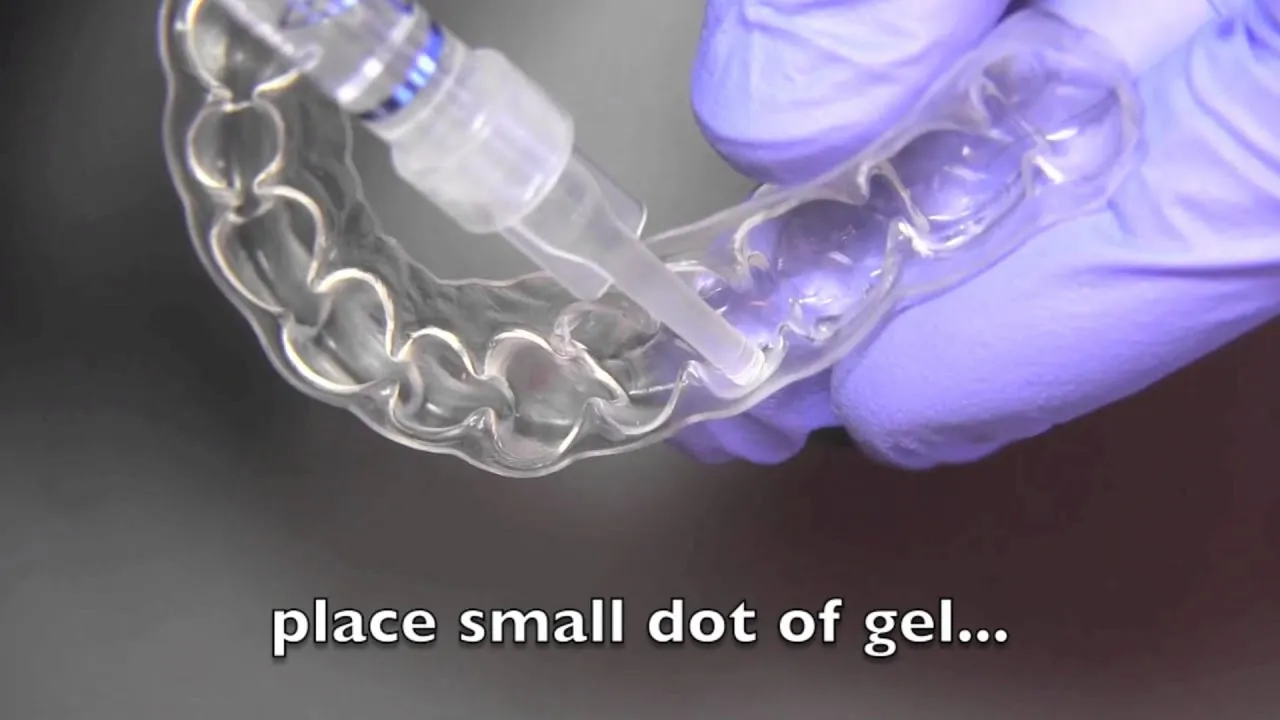
Carefully apply a small amount of whitening gel to the inner surface of the tray, following the instructions provided by your dentist or the product. Typically, a small bead of gel is placed along the front surface of each tooth impression in the tray. Avoid overfilling the tray, as this can lead to gel leakage and gum irritation. Be careful not to get the gel on your gums, as it can cause sensitivity. Use the correct amount of gel to ensure the best results while minimizing the risk of side effects.
Step 3 Inserting the Tray
Gently insert the tray into your mouth, ensuring that it fits comfortably over your teeth. Seat the tray firmly against your teeth, making sure that the whitening gel covers the entire surface of your teeth. Remove any excess gel that may have seeped out of the tray with a clean cotton swab or your finger. Proper insertion ensures that the whitening gel is evenly distributed and in contact with the teeth for the specified duration.
Step 4 Wearing Time and Duration
Follow the recommended wearing time and duration specified by your dentist or the product instructions. This is typically between 30 minutes to several hours, depending on the concentration of the whitening gel and the severity of the staining. Do not exceed the recommended wearing time, as this can increase the risk of gum irritation and tooth sensitivity. Consistency is key; adhering to the recommended schedule is essential for achieving optimal results. Your dentist will tell you how long to use the trays each day and for how many days.
Step 5 Removing and Cleaning the Tray

After the recommended wearing time, remove the tray from your mouth and rinse it thoroughly under cool water. Use a soft-bristled toothbrush to gently remove any remaining gel from the tray. Avoid using hot water, as it can damage the tray. Properly cleaning the tray prevents the buildup of bacteria and ensures that it remains hygienic for future use. Store the clean tray in a dry, safe place until your next whitening session.
Step 6 Rinsing Your Mouth
Rinse your mouth thoroughly with water to remove any remaining whitening gel. Avoid swallowing the gel, as it is not intended for ingestion. If you experience any discomfort or sensitivity, rinse your mouth with water and consult with your dentist. This final step ensures that all traces of the whitening agent are removed from your mouth and helps to prevent potential side effects. After rinsing, you may brush your teeth again if you wish.
Aftercare and Maintenance for Optimal Results
Proper aftercare is just as important as the whitening process itself. Following these guidelines will help you maintain your newly whitened smile and prevent future staining. This will also ensure that the whitening trays have done their job in the best possible way.
Avoiding Staining Foods and Drinks

During and after the whitening treatment, it’s important to limit your consumption of staining foods and drinks. This includes coffee, tea, red wine, dark-colored sodas, berries, and heavily pigmented sauces. These items can stain your teeth, undoing the effects of the whitening treatment. Consider using a straw for beverages to minimize contact with your teeth. If you do consume staining foods or drinks, brush your teeth immediately afterward to help prevent staining.
Maintaining Oral Hygiene
Maintaining good oral hygiene is crucial for preserving your whitened smile. Brush your teeth twice a day with a fluoride toothpaste and floss daily to remove plaque and bacteria. Regular dental check-ups and cleanings are also essential for maintaining your overall oral health. This will help to keep your teeth bright and healthy. Good oral hygiene practices will protect your smile and prevent future discoloration.
Dealing with Sensitivity
Tooth sensitivity is a common side effect of teeth whitening. If you experience sensitivity, consider using a desensitizing toothpaste containing potassium nitrate. You can also reduce the wearing time of your whitening trays or take a break from the treatment. Your dentist may also recommend a fluoride treatment to help strengthen your enamel and reduce sensitivity. If sensitivity persists or becomes severe, consult with your dentist.
Potential Side Effects and Solutions

While whitening trays are generally safe and effective, some side effects may occur. Understanding these potential issues and how to manage them will ensure a positive whitening experience.
Gum Irritation and How to Manage It
Gum irritation is a common side effect of whitening treatments, often caused by the whitening gel coming into contact with the gums. To manage gum irritation, ensure that you are not overfilling the trays and that they fit properly. If irritation occurs, stop the treatment and consult with your dentist. They may recommend a lower concentration of whitening gel or suggest using a different type of tray. Applying a small amount of vitamin E oil to the irritated area can also help to soothe the gums.
Tooth Sensitivity
Tooth sensitivity is another common side effect. This can occur because the whitening agent temporarily opens the pores in your enamel. To manage tooth sensitivity, use a desensitizing toothpaste containing potassium nitrate for at least two weeks before starting the whitening treatment. Reduce the wearing time of your trays or take a break from the treatment if sensitivity becomes excessive. You can also try using a fluoride rinse to help strengthen your enamel. If sensitivity persists, consult with your dentist for further advice.
When to Seek Professional Advice
While most people can safely use whitening trays at home, there are certain situations when you should seek professional advice. If you experience severe tooth sensitivity, persistent gum irritation, or any other unusual symptoms, consult with your dentist immediately. If you have existing dental work, such as fillings, crowns, or veneers, discuss your whitening goals with your dentist before starting treatment, as these restorations will not whiten. If you are unsure about any aspect of the whitening process, do not hesitate to seek guidance from your dentist to ensure the best possible outcome and protect your oral health.
By following these guidelines, you can confidently use whitening trays like a pro and achieve a brighter, more confident smile. Remember to always consult with your dentist for personalized advice and to ensure that teeth whitening is a safe and effective option for your individual needs. With proper care and maintenance, you can enjoy a radiant smile for years to come.