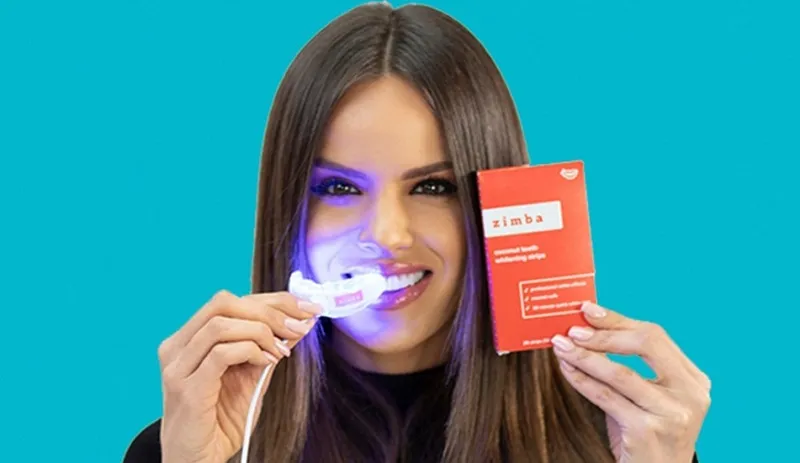
What is Zimba Whitening
Zimba Whitening is a popular teeth whitening product that promises to brighten your smile and remove stains. Marketed as an easy-to-use and convenient solution, Zimba offers a range of products, including whitening strips, whitening pens, and toothpastes. These products are designed to be used at home, providing an alternative to professional teeth whitening treatments offered by dentists. The appeal lies in its accessibility and the potential for achieving a brighter smile without the need for expensive or time-consuming appointments. However, the question remains does Zimba Whitening actually work, and what are the key things to consider before trying it?
The Science Behind Zimba Whitening
The effectiveness of teeth whitening products like Zimba is rooted in the science of how they interact with tooth enamel. The active ingredients in these products, primarily hydrogen peroxide or carbamide peroxide, work by penetrating the enamel and breaking down the stain molecules that cause discoloration. These stain molecules are often the result of consuming foods and drinks that are darkly pigmented like coffee, tea, red wine, and berries. The peroxide agents release oxygen molecules, which then react with the stain molecules, breaking them into smaller, less visible components. This process effectively lightens the overall color of the teeth. The concentration of the active ingredient, along with the duration of the product’s contact with the teeth, influences the degree of whitening achieved. Understanding this scientific basis helps to evaluate the potential and limitations of Zimba Whitening products.
Key Ingredients in Zimba Whitening

The primary active ingredients in Zimba Whitening products are typically hydrogen peroxide or carbamide peroxide, the same chemicals used in professional teeth whitening treatments. Hydrogen peroxide is the stronger of the two, offering faster results but potentially increasing the risk of sensitivity. Carbamide peroxide breaks down into hydrogen peroxide, providing a slower release of the whitening agent. In addition to the active ingredients, Zimba products often contain other components designed to enhance the whitening process and improve the user experience. These may include flavoring agents, stabilizers, and thickening agents to ensure the product adheres to the teeth effectively. Some formulations also incorporate desensitizing agents, like potassium nitrate, to minimize the discomfort associated with tooth sensitivity. Understanding these ingredients is essential for evaluating the safety and effectiveness of Zimba Whitening.
How Does Zimba Whitening Work
Zimba Whitening products are designed for easy at-home use, which is a key factor in their popularity. The process generally involves applying the whitening agent directly to the teeth, either through strips, pens, or toothpastes. Whitening strips are usually applied to the teeth for a specified amount of time, often 30 minutes to an hour, once or twice a day. Whitening pens dispense the gel directly onto the teeth, and the product is applied and left to sit. Whitening toothpastes are used like regular toothpaste, with the abrasive action helping to remove surface stains. The active ingredients in the products then penetrate the enamel, breaking down stain molecules. Consistent use is generally required to achieve noticeable results, and the duration of treatment can vary depending on the product and the severity of the stains. Following the product instructions carefully is essential for maximizing effectiveness and minimizing potential side effects.
Fact 1 Zimba Whitening and Stain Removal
Zimba Whitening products are primarily effective at removing stains caused by food, beverages, and tobacco use. The active ingredients target the organic compounds that cause discoloration, breaking them down and lightening the overall color of the teeth. Surface stains, those that primarily affect the enamel’s outer layer, are usually easier to remove, resulting in quicker and more noticeable results. Deeper stains, which have penetrated the enamel and may involve the dentin (the layer beneath the enamel), often require more prolonged use and potentially stronger concentrations of the whitening agent. The effectiveness also depends on the type of stain, with stains from coffee, tea, and red wine generally responding well to whitening treatments, while stains from certain medications or dental conditions may be more resistant. Understanding the type and severity of the stains is crucial for setting realistic expectations about the results.
Fact 2 Zimba Whitening and Sensitivity

A common side effect of teeth whitening, including Zimba Whitening, is tooth sensitivity. This occurs because the active ingredients in the whitening products can temporarily affect the enamel and dentin, making the teeth more susceptible to temperature changes. Sensitivity can manifest as a sharp, shooting pain or a more general discomfort, particularly when consuming hot or cold foods and drinks. The degree of sensitivity can vary among individuals, depending on factors such as the concentration of the whitening agent, the duration of treatment, and the natural sensitivity of their teeth. Many Zimba products incorporate desensitizing agents, such as potassium nitrate, to minimize sensitivity. It is recommended to take breaks from the treatment or reduce the application frequency if sensitivity becomes bothersome. Using a toothpaste designed for sensitive teeth can also help alleviate discomfort during the whitening process.
Fact 3 Zimba Whitening and Whitening Results
The whitening results from Zimba Whitening products can vary significantly among users. Factors that influence the outcome include the product’s formulation, the user’s adherence to instructions, the type and severity of stains, and individual tooth characteristics. Some users may experience dramatic improvements in the brightness of their smiles within a few days or weeks, while others may see more subtle changes. The overall whitening effect also depends on the initial shade of the teeth, with those starting with a darker shade often experiencing more noticeable improvements. It’s essential to set realistic expectations, understanding that Zimba Whitening may not achieve the same results as professional treatments offered by dentists. Regular use and patience are often needed to achieve the desired level of whitening, and the effects can be maintained with periodic touch-up treatments.
Fact 4 Zimba Whitening and User Reviews
User reviews provide valuable insights into the real-world effectiveness and experiences with Zimba Whitening products. Online reviews can be found on various platforms, including the manufacturer’s website, retail sites, and independent review platforms. These reviews offer perspectives from individuals who have used the products, sharing their experiences regarding whitening results, sensitivity, ease of use, and overall satisfaction. While reading reviews, it’s important to consider the variety of experiences and individual differences. Some users may report significant improvements in teeth whiteness, while others may experience minimal results or sensitivity. It is also important to note that reviews may be biased. Taking the time to read multiple reviews provides a more comprehensive view of the product’s performance and helps to make informed decisions about whether to try Zimba Whitening.
Fact 5 Zimba Whitening and Long-Term Effects

The long-term effects of using Zimba Whitening products are generally considered to be minimal when used as directed. However, it’s important to be aware of potential issues. Overuse of whitening products can lead to increased tooth sensitivity and, in rare cases, damage to the tooth enamel. It is recommended to follow the product instructions carefully and avoid excessive or prolonged use. The results of teeth whitening are not permanent. The teeth may gradually revert to their original shade over time due to continued exposure to staining agents. To maintain a brightened smile, periodic touch-up treatments may be needed. Regular dental checkups and proper oral hygiene practices, including brushing, flossing, and regular dental cleanings, are essential for maintaining the health of the teeth and maximizing the benefits of any teeth whitening treatment. It’s also a good idea to consult a dentist for personalized advice.
Pros and Cons of Zimba Whitening
Zimba Whitening offers a range of advantages and disadvantages. The pros include convenience, affordability compared to professional treatments, and the potential for noticeable whitening results. The ease of use and the ability to whiten teeth at home without professional appointments are significant appeals. On the other hand, the cons include the potential for tooth sensitivity, varying results depending on the individual and the type of stains, and the need for consistent use to achieve and maintain desired results. The effectiveness of Zimba Whitening can also be limited for some types of stains, and the results may not be as dramatic as those achieved with professional treatments. Considering both the pros and cons helps individuals to make informed decisions about whether Zimba Whitening aligns with their needs and expectations.
Alternatives to Zimba Whitening
If Zimba Whitening isn’t the right choice, several alternatives are available. Professional teeth whitening, performed by a dentist, typically offers faster and more dramatic results. These treatments often use stronger concentrations of whitening agents and can be tailored to the individual’s needs. Other at-home options include over-the-counter whitening strips, gels, and toothpastes from other brands. These products vary in their formulations and effectiveness, and the choice should be based on individual preferences and needs. Another alternative is to incorporate lifestyle changes to reduce stain formation, such as limiting the consumption of stain-causing foods and drinks, and maintaining good oral hygiene practices, including regular brushing, flossing, and dental check-ups. Consulting a dentist to determine the best option for individual needs and oral health status is always recommended.